Flotation Rotor Replacement: The Dimensions That Decide Fit, Life and Recovery
-
 admin
- 07 Nov, 2026
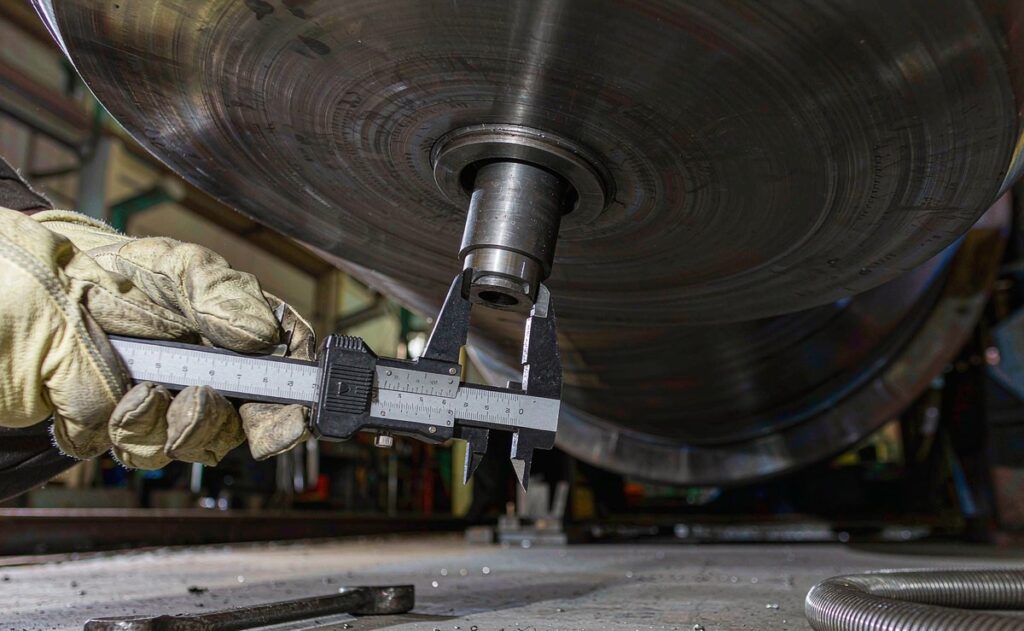
A replacement flotation rotor is specified by nine measured values, not by a model number: rotor diameter, rotor height, shaft diameter and taper, keyway detail, bolt circle with count and size, stator clearance, drive interface, rotation direction and material grade with lining thickness. Worn rotor faces can’t be measured for final dimensions — the shaft, the stator and the rotor seat are the references that still hold the original geometry.
What Is a Replacement Flotation Rotor?
A replacement flotation rotor is the rotating impeller of a mechanical flotation cell, supplied to restore a worn or failed original. It mounts on the cell’s shaft through a keyed or tapered hub, spins inside a fixed stator, and reproduces the original geometry — diameter, blade profile, height — closely enough to preserve the designed rotor-to-stator clearance. Get the geometry right and the cell recovers as it did when new. Get it wrong and the loss wears the new part’s name.
Key Takeaways
- ✔ Model numbers identify the family; dimensions close the deal. The same nominal cell has shipped with different hub details across production years.
- ✔ Six dimensions decide fit: diameter, height, shaft and taper, keyway, bolt circle, clearance.
- ✔ Worn faces lie. Measure the shaft above the hub, the stator inner diameter and the seat depth.
- ✔ Clearance is a process variable, not just a mechanical one — it sets aeration and recovery.
- ✔ Material grade, lining thickness and balance belong on the same sheet as the geometry.
Summary Table
| Function | Material | Application | Service Life | Benefits |
| Disperse air and circulate pulp in mechanical flotation cells | Rubber-lined, polyurethane, ceramic composite | XJK, SF, XCF/KYF and tank cell circuits in copper, gold and industrial minerals | Set by slurry abrasivity, clearance and material grade — trended, not assumed | First-lift fit, stable recovery, predictable change-outs, protected bearings |
Definition
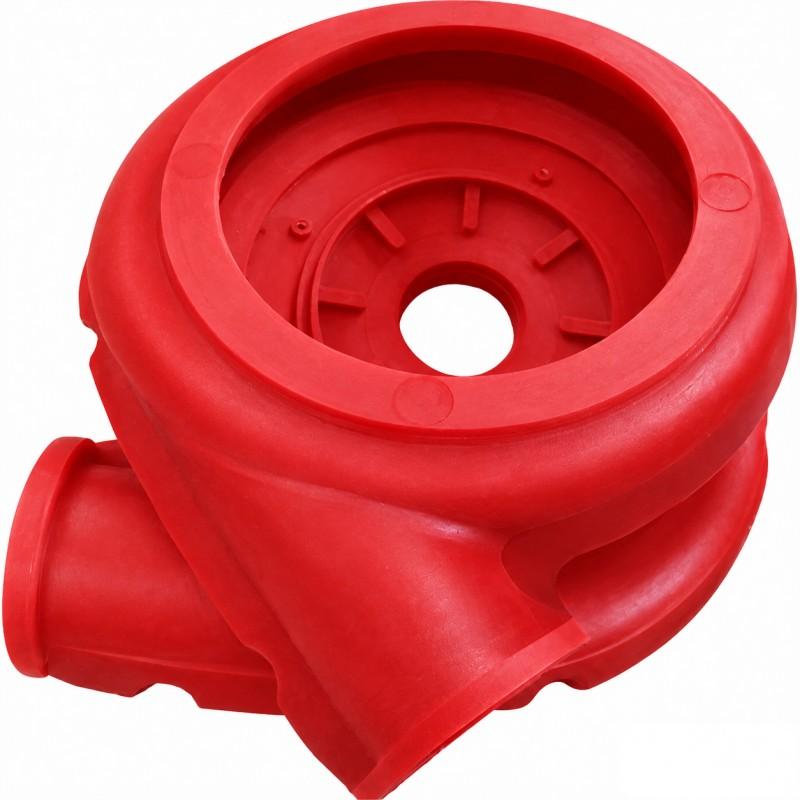
The rotor (impeller) is the rotating heart of a mechanical flotation cell. It draws slurry through a central passage, flings it past the stator blades, and shears the air stream into the fine bubbles that carry minerals into the froth. Its dimensions — outside diameter, height, blade profile — and its running clearance to the stator together define how much air the cell disperses and how well solids circulate. A replacement rotor is a machined or moulded part built to reproduce those values.

Working Principle
The rotor-stator gap decides both shear and circulation; both parts are measured, not guessed.
Pulp enters the rotor’s central region, is accelerated outward, and meets air at the rotor-stator interface where shear breaks it into bubbles. Bubbles attach to hydrophobic particles and rise into froth; heavier fractions recirculate. The rotor’s pumping head and the shearing intensity both come from the geometry, which is why a diameter off by a few millimetres or a clearance opened by wear shows up in recovery long before it shows in vibration. The mechanism is laid out in the Rotor & Stator in Mechanical Flotation Cells: The Heart of Efficient Mineral Flotation guide.
The rotor also does its work on feed that upstream equipment has already prepared. Grinding sets the liberation size and classification sets the size distribution — Grinding and Hydrocyclones decide how much fine abrasive work the rotor inherits.
Benefits
Fit on the first lift. Dimension sheets convert an outage task into a swap. Plants that measure get that; plants that quote by model get a fitter with an angle grinder.
Recovery that survives the change-out. Clearance reproduces aeration. A new rotor in a correctly measured gap restores the cell’s original performance instead of quietly trading recovery for convenience.
Predictable wear life. Material matched to the slurry gives intervals you can plan around. The Flotation Cell Rotor and Stator Wear Parts: How They Control Recovery, Flow and Maintenance Cost guide shows where wear concentrates and why one-sided loss points at centring rather than at the fabricator.
Protected bearings and drives. A balanced rotor with a proper hub fit doesn’t feed load into the shaft bearing, and the gearbox output life stays on schedule.
Applications
Concentrator expansions push more tonnes through existing cell volumes.
Dimension discipline applies wherever mechanical cells run. Copper concentrators running XCF/KYF Flotation Cell tank cells, gold circuits on SF Flotation Cell/Machine banks, and legacy XJK Flotation Cell/Machine installations all share the vintage problem: the same nominal model, different hub details depending on when it was built. The context is tightening, too — Sierra Gorda’s fourth grinding line reached full execution on 5 November 2026, lifting concentrator throughput to about 165,000 tonnes per day with flotation capacity in the same campaign. More tonnes through existing cells means faster wear and shorter outage windows, which turns a wrong rotor from a nuisance into lost production.
Material Comparison
| Material | Best at | Watch for | Duty |
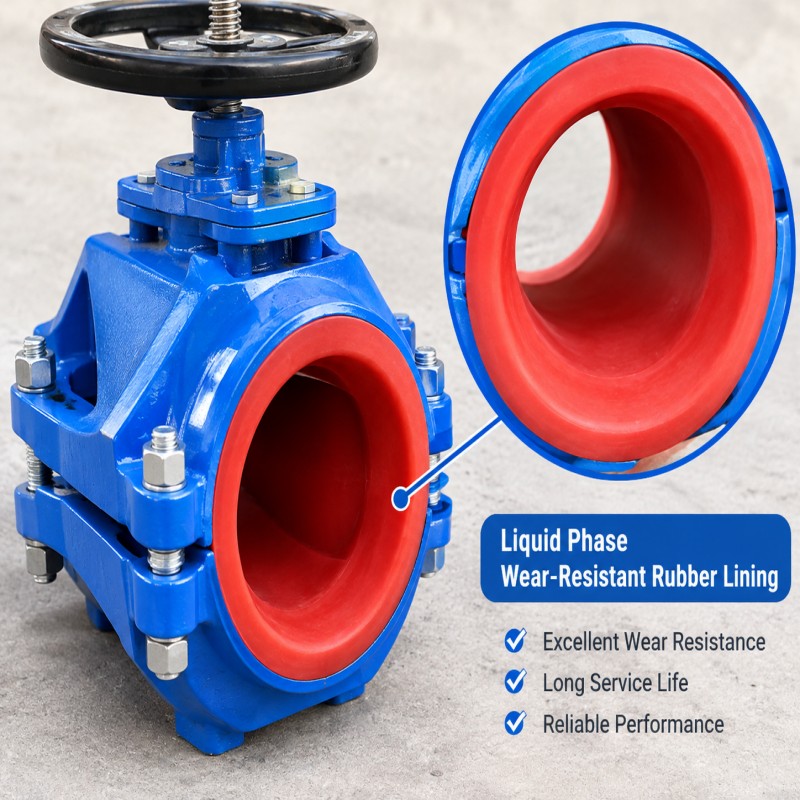
| Rubber-lined | Impact tolerance, coarse slurries, field repair | Lining thickness changes effective diameter | Coarse abrasive feeds |
| Polyurethane | Shape retention, fine abrasion | Impact limits | Clean fine circuits |
| Ceramic composite | Extreme abrasion life | Cost and brittleness | Fine, hard, valuable streams |
State lining thickness on the sheet. A thicker lining on the same hub is a different rotor geometrically. The Flotation Impeller & Stator page lists grades against duty.
Application Comparison
The ordering habit transfers from other slurry equipment. Plants that already measure shafts for Pump Wear Parts know that model-number ordering fails the same way everywhere: the part arrives, the hub doesn’t seat, and the schedule pays. Flotation adds the clearance requirement — the gap is a process variable, so the dimension sheet must carry the measured running clearance, taken with the rotor seated and centred.
Industry Application Matrix
| Industry | Cell fleet | Dominant wear driver | Dimension risk |
| Copper | Large tank cells, XCF/KYF | High tonnage, fine abrasive | Vintage hub differences |
| Gold | SF/XJK banks | Coarse abrasive, coarse tramp | Retrofit clearance changes |
| Industrial minerals | Mixed fleets | Chemical plus abrasive | Material mismatch |
Selection Guide
Select the rotor supplier the way you’d select a machine shop. First question: what do you need from me to quote correctly? A supplier who asks for measurements is one who plans to make the part fit. Second: what tolerance do you hold, and can you put it in writing? Third: can you match material to duty, or only to stock? The Flotation hub gathers the cell families and spares so the comparison starts from one page.
Procurement Guide
A one-sided wear map points at centring, not at the fabricator.
The order package is five documents: the dimension sheet with units and reference edges, the wear map, photographs with a scale, the cell model and serial, and the material preference with its justification. Where no drawing exists, a physical sample — the old rotor or a rubbing of the shaft end — replaces half the sheet. The Flotation Rotor & Stator Parts page and the Flotation Spares (Rotor & Stator) page document both input routes.
Order the stator review in the same breath. A new rotor inside a stator that has lost a third of its section opens the clearance beyond design, and the recovery loss arrives wearing the new part’s name.
Failure Analysis
Five failure modes cover nearly every premature rotor change-out.
Chemical and cavitation attack beyond the grade’s duty is the one that belongs to the material. The other four belong to measurement and installation. Clearance too tight wears rotor and stator together; too loose, it kills shear and recovery drops. One-sided wear from a centring fault gets inherited by the replacement unless the centring is fixed first. Hub fatigue grows from a rocking keyway or a tired bolt circle. And unbalanced operation loads the shaft bearing until the failure looks like a bearing problem that “came out of nowhere.”
Only the first is the fabricator’s fault. The rest are preventable at the dimension-sheet stage, which is why the sheet exists.
Maintenance Guide
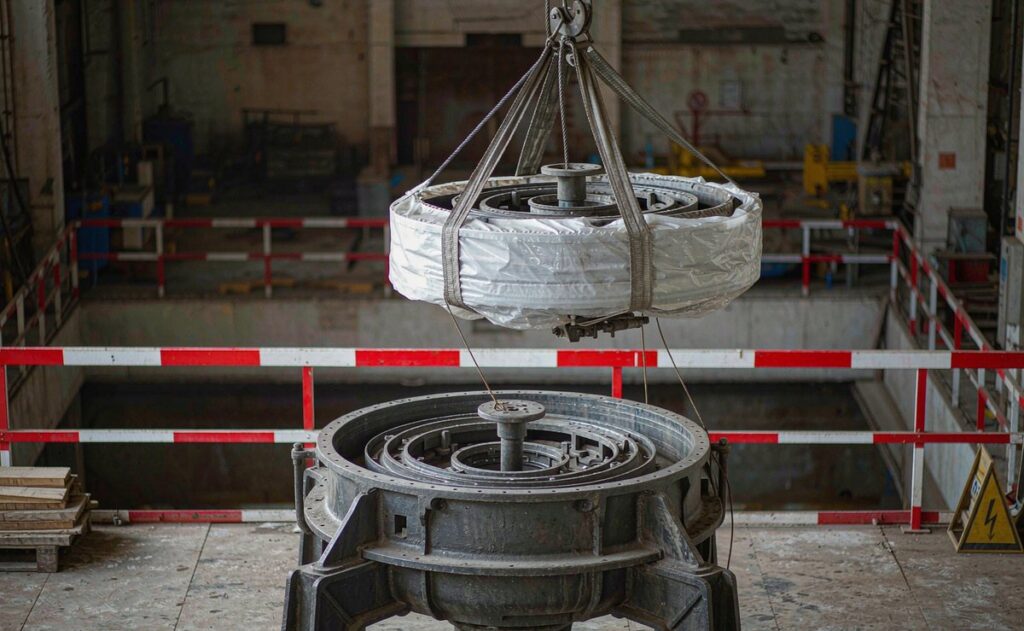
Record a baseline at every installation: clearance, runout, balance record, material, date. Trend wear monthly at fixed points, and check the wear map for one-sided loss quarterly. Update the dimension sheet whenever the cell is revised — the revision that didn’t get recorded is the one that bites the next change-out. Keep one spare rotor per bank on site, hub fitted and balanced, ready to lift, because emergency rotor buying costs more and arrives exactly when negotiating position is weakest. Also record who measured what, and when. A dimension sheet with a name and a date beside it carries weight in a dispute; an anonymous sheet doesn’t. And where several cells share one nominal model, keep the sheets separated by serial number — merging them is how a revision detail from one bank quietly becomes the “standard” for all three.
Case Study
A three-bank concentrator ordered rotors by model number for years; every second replacement needed fitting work during the outage. One shutdown, the plant measured all three banks properly. Two matched the nameplate. The third had a different shaft taper and bolt pitch from a mid-life revision nobody had recorded. Dimension sheets went into the spares file for all three banks, and subsequent change-outs seated on the first lift. Nothing was bought. Something was measured.
FAQ
Q1: Can I order from the model number alone?
A: Only if you accept revision risk. The same nominal model has shipped with different impeller diameters, tapers and bolt pitches, and plates don’t record revisions. Identify the family with the model, then measure. A quotation with no measurement questions attached is a guess with a price.
Q2: How do I measure a worn oval rotor?
A: Don’t take final dimensions from worn faces. Measure the shaft above the hub, the stator inner diameter and the seat depth, then use the wear map to explain the ovality. One-sided loss means a centring fault; fix it before the new rotor goes in.
Q3: What clearance should the replacement run at?
A: The clearance the cell was designed around, verified with the rotor seated and centred. Get the design value from the original drawing or the cell supplier, and check that the tolerance stack of the new rotor and the current stator keeps the gap inside that band.
Q4: Do I need to replace the stator at the same time?
A: When its remaining section or the measured gap says so. A worn stator opens the clearance even with a new rotor, and the recovery loss looks like a rotor problem. Replace in pairs when the wear or the gap justifies it.
Q5: Which material grade for a copper rougher circuit?
A: Typically rubber or a tough polyurethane, chosen against particle size and impact. Fine hard streams justify ceramic composites; coarse abrasive feeds favour rubber’s impact tolerance. State lining thickness, because it changes the effective diameter.
Q6: Why does rotation direction matter so much?
A: A rotor that pumps backwards still turns but stops lifting solids, and the cell sands up within a shift. Confirm the viewed direction with the coupling assembled and the shaft end detail against the actual shaft, not the file copy.
Q7: What’s the minimum for a budgetary quotation?
A: Cell model, the six fit dimensions, material preference and a photograph with a scale. The firm order needs the full sheet: stator clearance, drive interface, rotation direction, lining thickness and the wear map.
Q8: How often should dimensions be re-measured?
A: At every change-out, every cell overhaul, and every revision. Measure shaft and stator together and update the sheet. Plants that treat the sheet as a living document stop re-learning the same lesson during outages.
Conclusion
A replacement flotation rotor is a measurement task wearing a procurement costume. Six dimensions decide fit, three decide performance, and the stator clearance decides whether the cell keeps its recovery after the change-out. The plants that measure before they call are the plants that seat the part on the first lift — and in a market where concentrators are squeezing more tonnes through existing cells, that discipline pays more every year. The Flotation Cells range and its spares are documented for exactly that discipline.
Related Articles
Product Pages
- Flotation Impeller & Stator
- Flotation Rotor & Stator Parts
- Flotation Spares (Rotor & Stator)
- XJK Flotation Cell/Machine
- SF Flotation Cell/Machine
Technical Guides
- Flotation Cell Rotor and Stator Wear Parts: How They Control Recovery, Flow and Maintenance Cost
- Rotor & Stator in Mechanical Flotation Cells: The Heart of Efficient Mineral Flotation
- Hydrocyclone Wear: Root Causes, High-Wear Zones & Material Solutions
- Hydrocyclone Underflow Too Wet? 6 Causes & Fixes
- Improve Fine Screening Efficiency with Polyurethane Screen Panels
Buyer Guides
- How Do I Choose the Right Rubber Belt for a Vacuum Belt Filter?
- Which Manufacturer Offers High-Quality Polyurethane Tufflex Wire Screens for Mining?
Comparison Guides
- Polyurethane Screen vs Rubber Screen vs Wire Mesh: A Complete Comparison Guide
- Self-Cleaning Screen vs Traditional Woven Wire Mesh: Which One Should You Choose?
Contact
Annie Lu
Email: annie.lu@huataogroup.com
WhatsApp/WeChat: +86 18032422676
Website: www.tufflexscreen.com
admin
personal profile