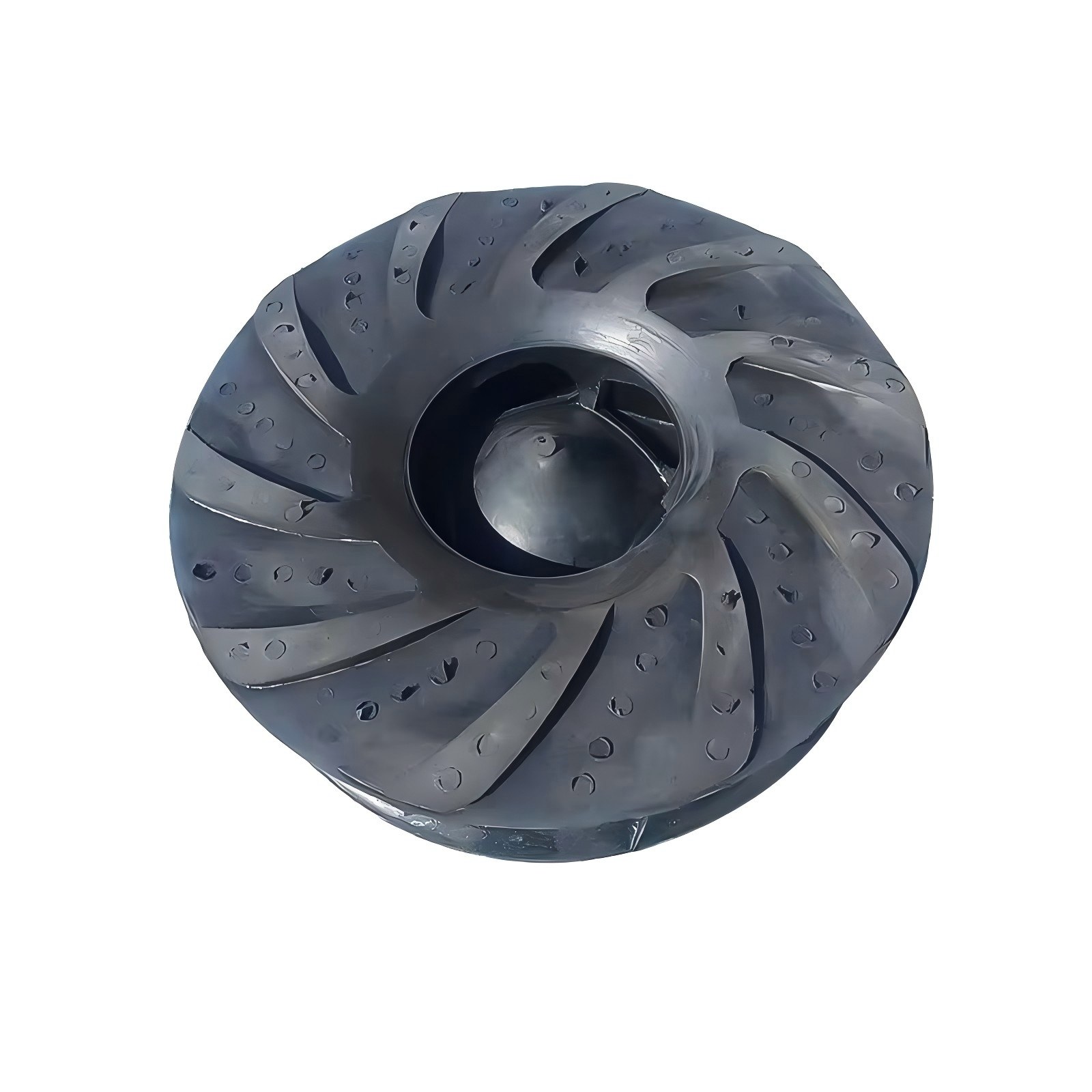
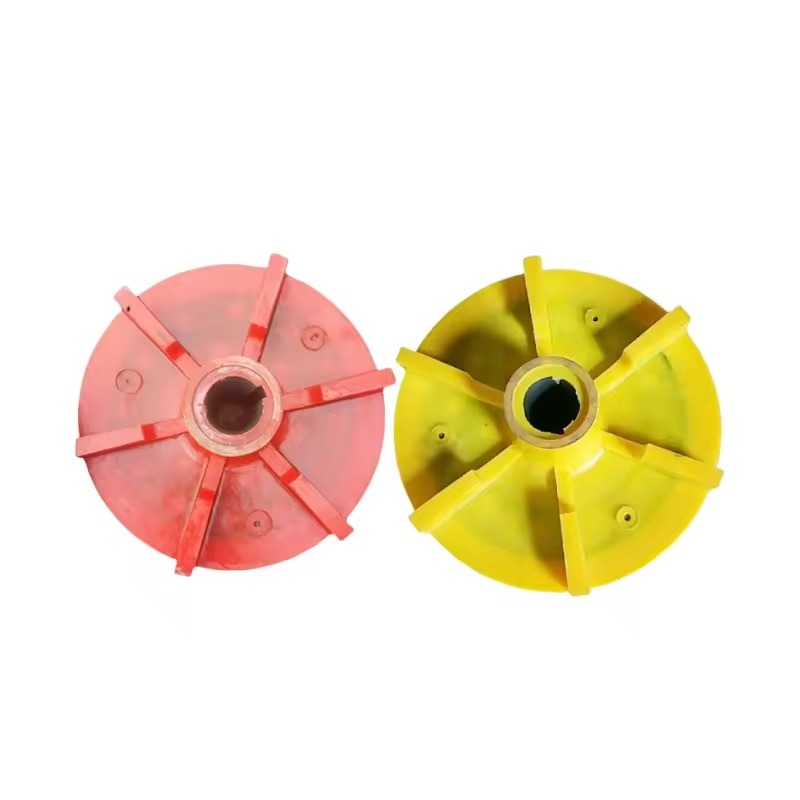
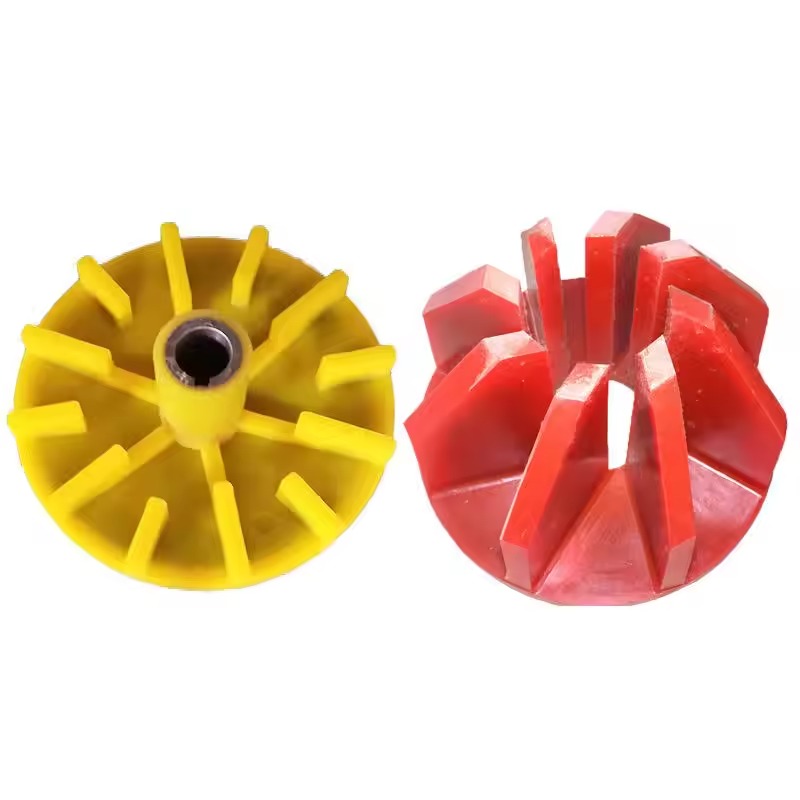
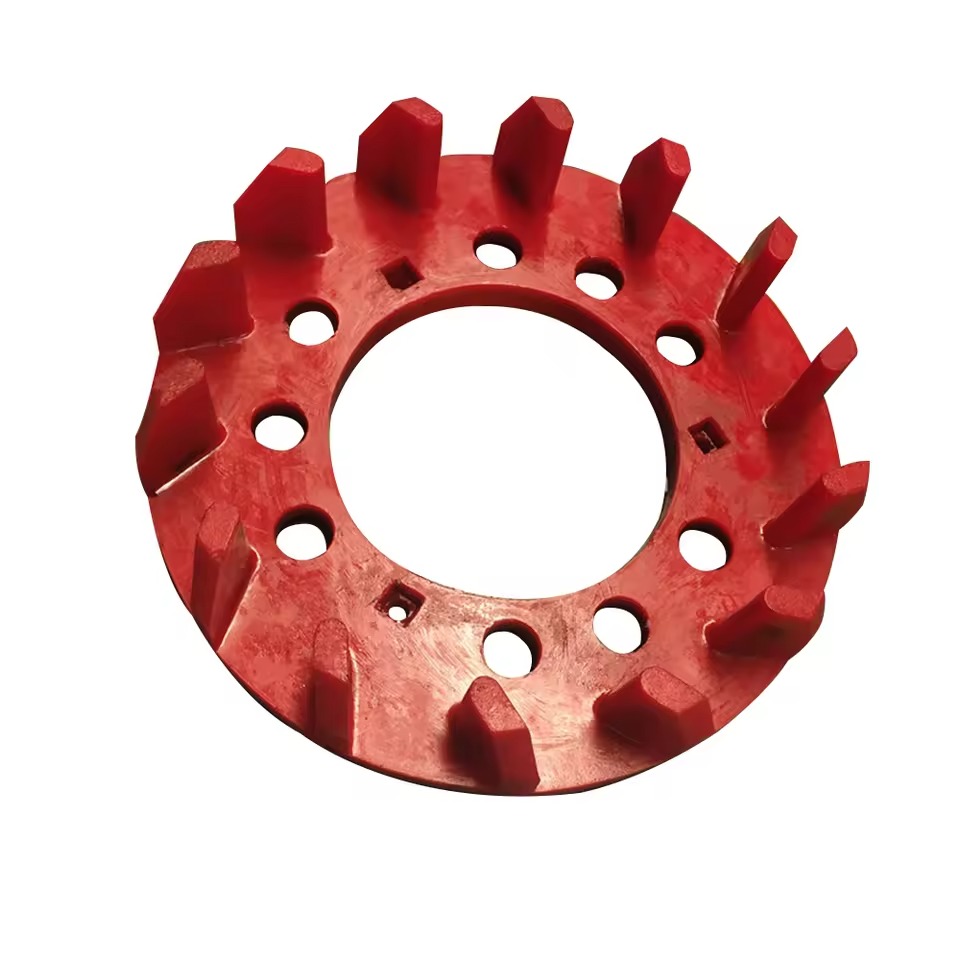
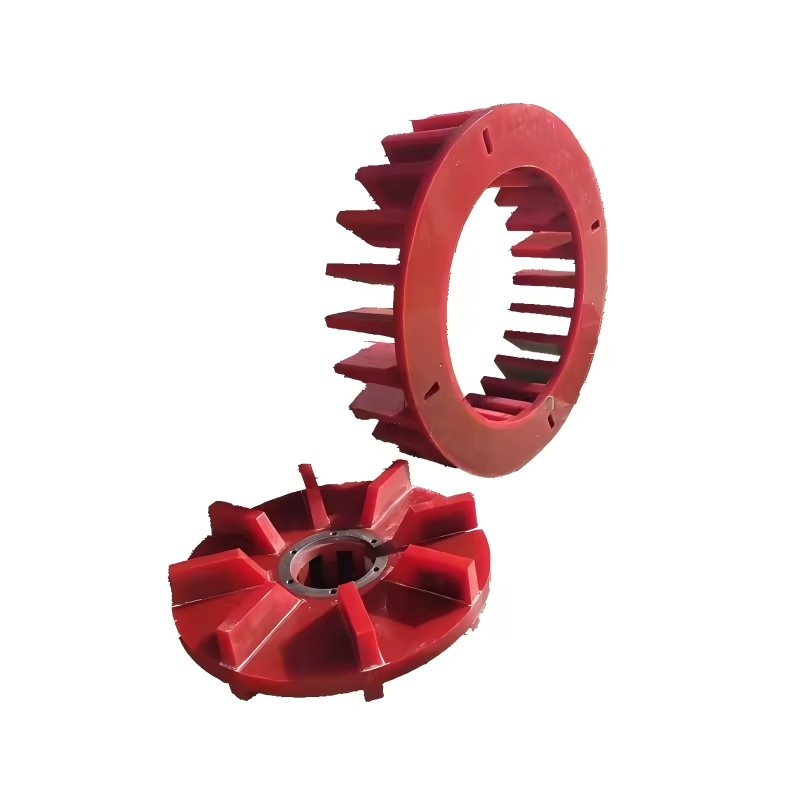
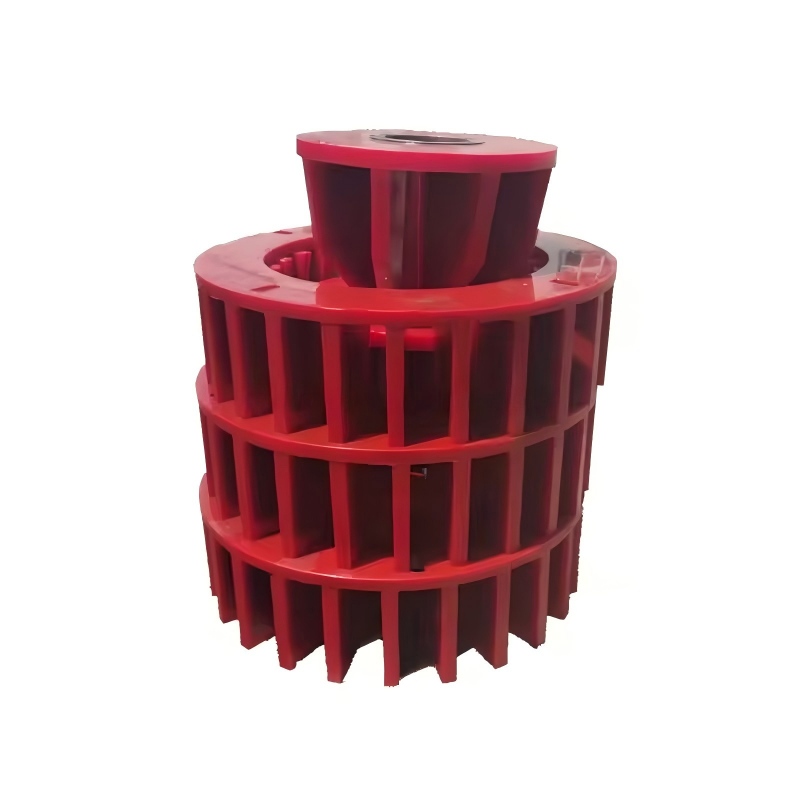
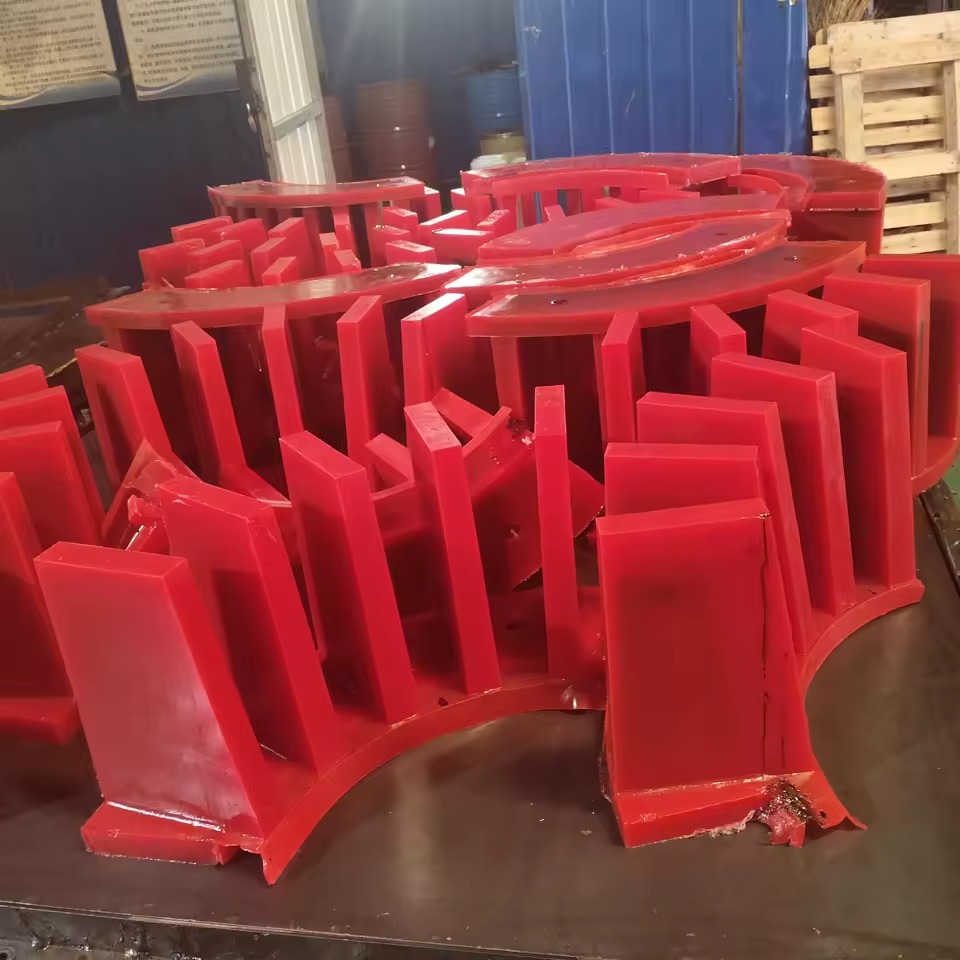
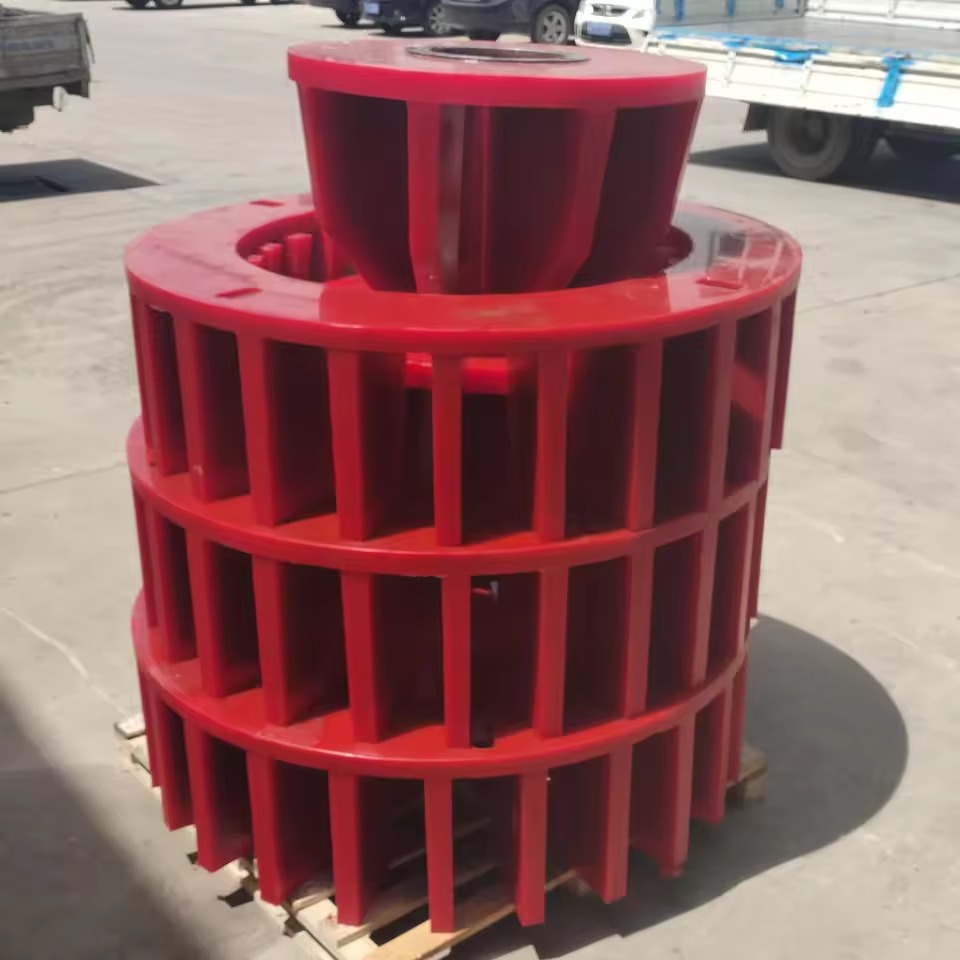
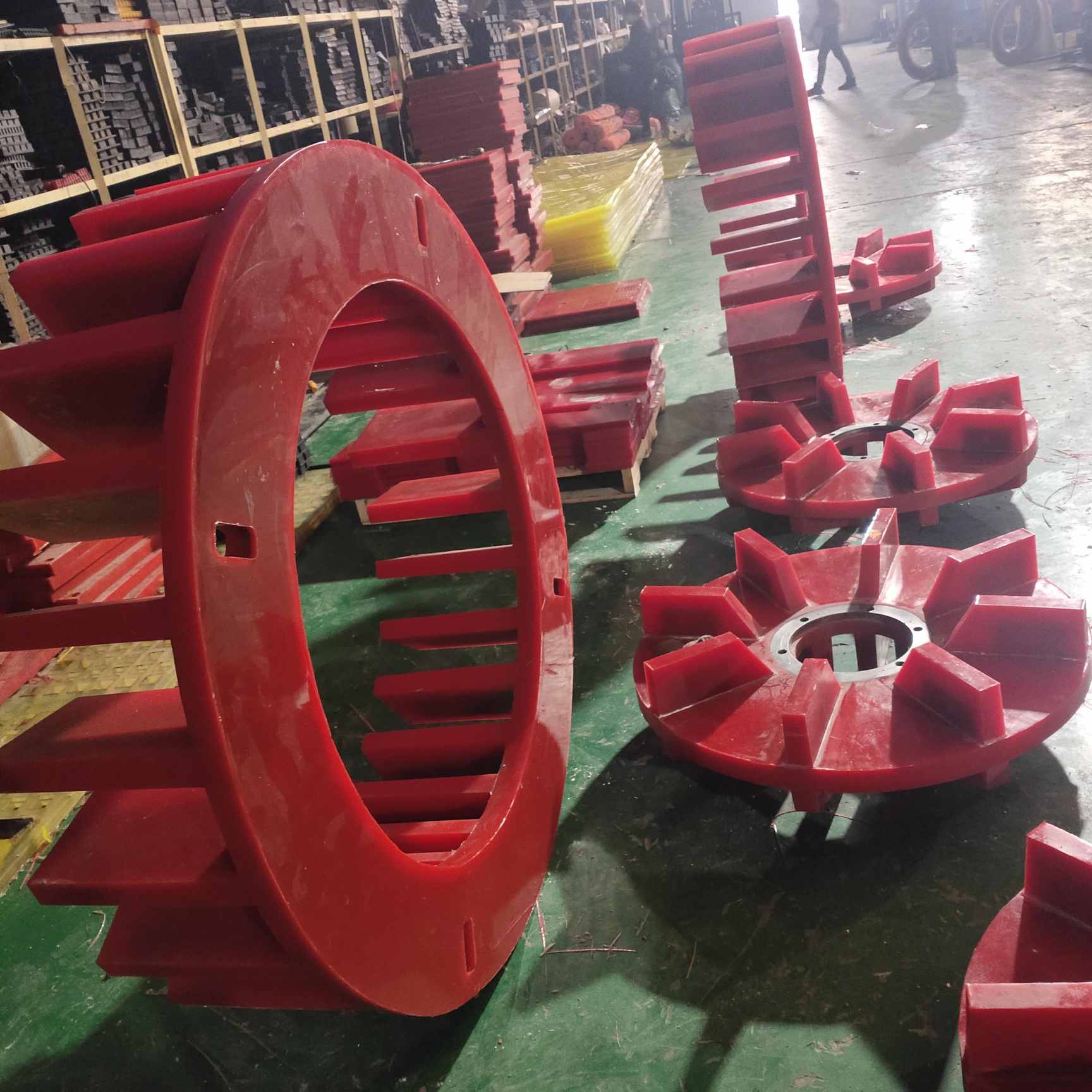
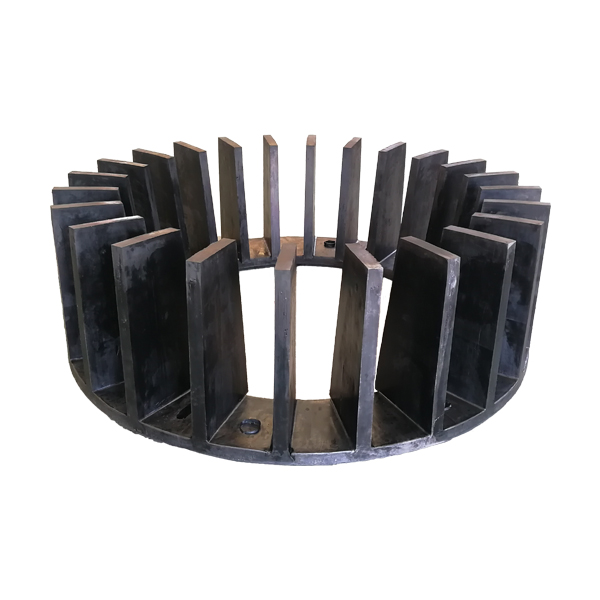
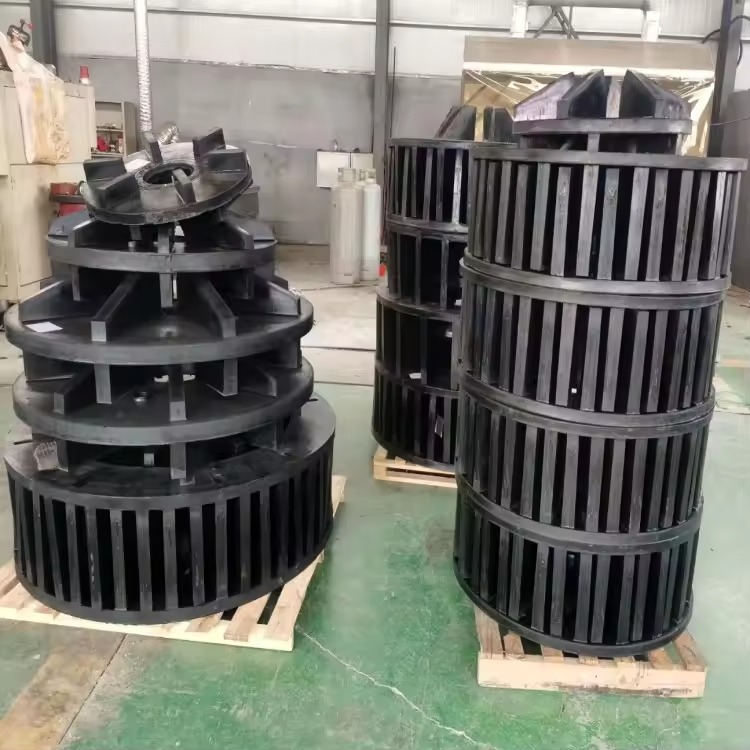
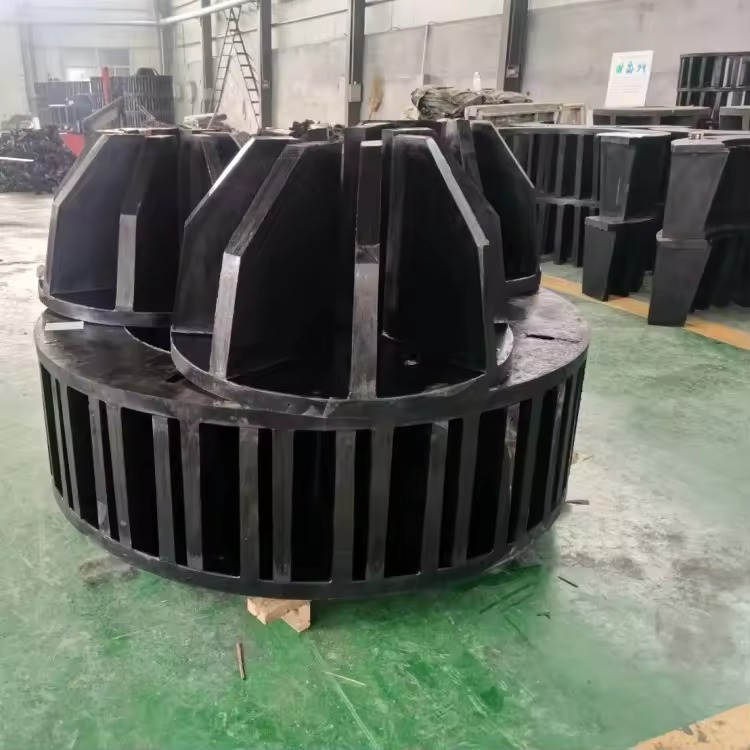
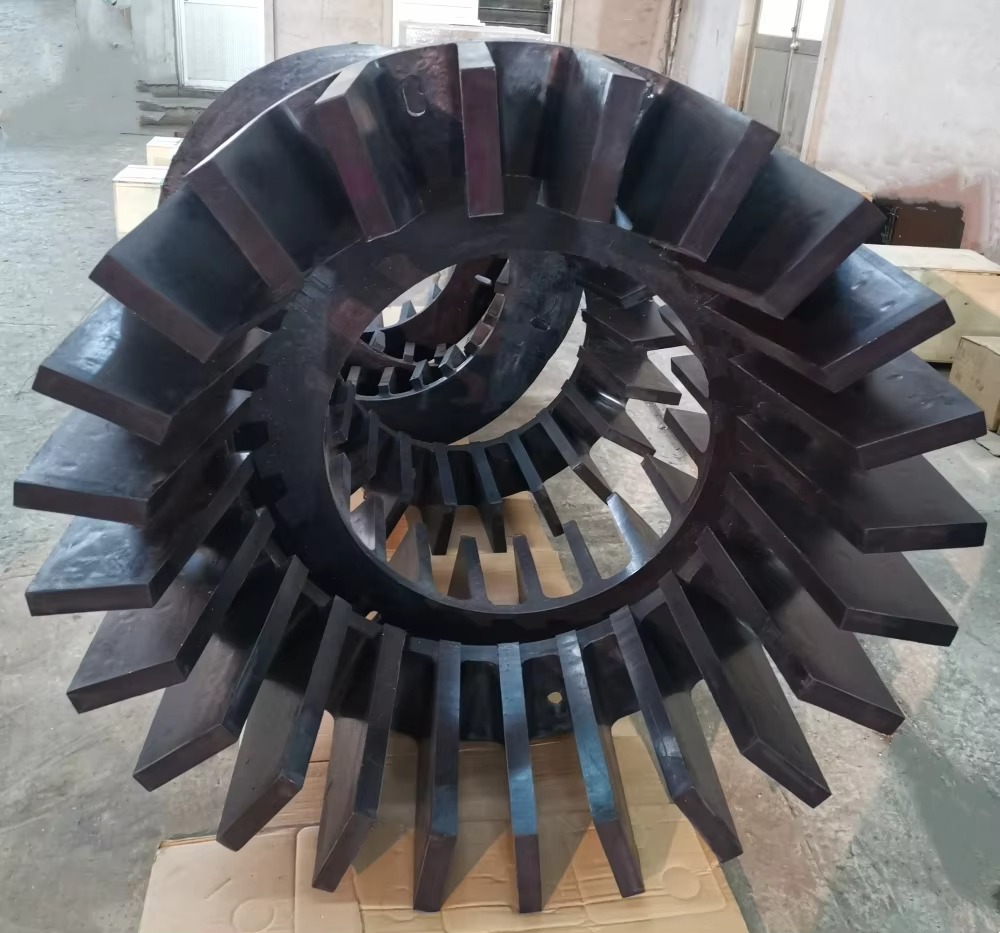
Flotation Rotor & Stator Parts
- 01 1. High Wear Resistance PU and rubber compounds resist abrasive mineral slurry and erosion.
- 02 2. Efficient Air Dispersion Designed to support stable air distribution and bubble-particle contact.
- 03 3. Reliable Slurry Mixing Maintains solids suspension and reduces sanding inside flotation cells.
- 04 4. Aftermarket Replacement Custom replacement parts based on drawings, samples or equipment data.
- 05 5. Multiple Material Options Polyurethane, rubber and custom wear solutions for different slurry duties.
-
Flotation Rotor & Stator Parts Description
Flotation Impeller & Stator – Wear-Resistant Rotor & Stator Parts
Product Overview
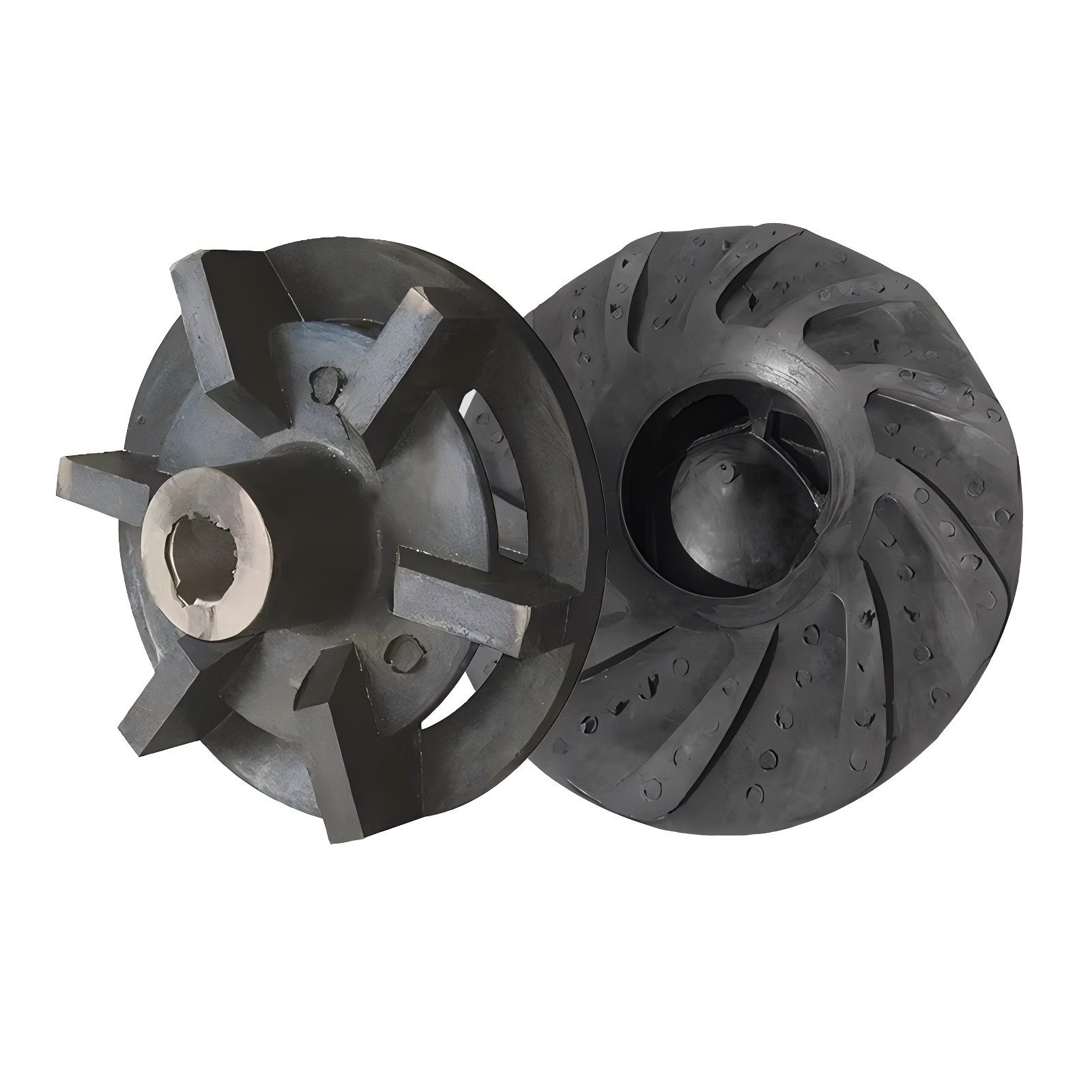
Flotation Impeller and Stator, also known as Flotation Rotor and Stator, are critical wet-end wear parts of mechanical flotation cells. Working together as the main mixing and air-dispersion mechanism, they circulate mineral slurry, disperse air into fine bubbles, keep solids suspended and create the hydrodynamic conditions required for effective bubble-particle contact.
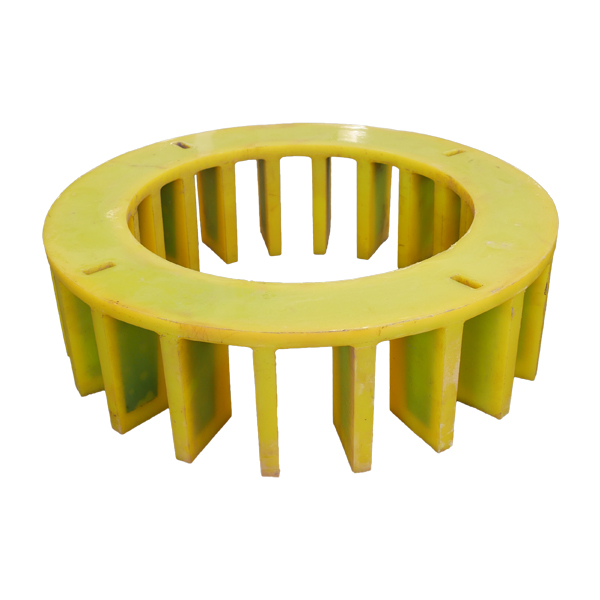
Our flotation impellers, rotors, stators and diffusers are designed for mineral processing plants handling abrasive and corrosive slurries. They can be manufactured with polyurethane, wear-resistant rubber or application-specific composite materials, with reinforced internal structures available according to operating conditions and component design.
The products are suitable for new flotation equipment as well as aftermarket flotation spare parts and replacement wear parts for existing flotation cells. Custom dimensions, mounting interfaces and profiles can be produced according to drawings, samples or verified equipment information.
How the Flotation Impeller and Stator Work
The rotor-stator mechanism is at the heart of a mechanical flotation cell.
During operation, the rotating flotation impeller or rotor generates slurry circulation and turbulent mixing. Air introduced into the mechanism is dispersed into bubbles, while the surrounding stator or diffuser controls the flow pattern, improves air distribution and converts the high rotational flow into effective radial slurry movement.
A properly designed flotation mechanism helps achieve:
- Effective slurry mixing and solids suspension
- Uniform air dispersion and bubble distribution
- Stable bubble-particle contact
- Reduced sanding and solids settling
- Consistent flotation performance
- Controlled power consumption
- Improved wear life of wet-end components
Because the rotor and stator operate continuously in abrasive mineral slurry, their geometry, clearance, material quality and wear condition can directly affect flotation-cell performance.

Wear-Resistant Material Options
Polyurethane Flotation Impeller & Stator
Polyurethane flotation impellers and stators provide excellent resistance to abrasion, erosion and repeated slurry impact.
Cast polyurethane is particularly suitable for applications where fine and medium-sized abrasive mineral particles cause continuous wear on the rotor blades and stator surfaces.
Typical benefits include:
- High abrasion and erosion resistance
- Good elasticity and impact resistance
- Corrosion resistance in many mineral slurries
- Strong bonding to reinforced internal structures
- Stable dimensional accuracy
- Long service life in abrasive flotation duties
Polyurethane components are widely considered for copper, gold, iron ore, lead-zinc, phosphate and other mineral beneficiation circuits.
Rubber Flotation Rotor & Stator
Wear-resistant rubber flotation rotors and stators provide excellent elasticity and slurry resistance and are widely used as traditional flotation wet-end components.
Natural rubber and specially formulated elastomers can be selected according to slurry characteristics, particle size, chemical environment and operating conditions.
Rubber flotation wear parts are particularly suitable where good resilience, impact absorption and corrosion resistance are required.
Composite Wear Solutions
For exceptionally abrasive or specialized applications, reinforced or composite wear structures can be evaluated according to actual operating conditions.
Material selection should always consider slurry abrasiveness, particle size, solids concentration, chemical conditions, rotor speed and expected service life rather than relying on material hardness alone.
Flotation Applications
Our flotation rotor and stator replacement parts are designed for mineral beneficiation plants and concentrators operating rougher, scavenger and cleaner flotation circuits.
Typical applications include:
Copper Flotation
Wear-resistant impeller and stator components for copper sulphide concentration and high-throughput flotation circuits.
Gold Processing
Replacement flotation wear parts for gold-bearing sulphide and polymetallic ore processing.
Lead-Zinc Flotation
Abrasion-resistant rotor-stator components for selective flotation circuits processing lead and zinc minerals.
Iron Ore Beneficiation
Flotation wet-end components suitable for abrasive iron ore slurry and reverse flotation applications.
Phosphate Processing
Impellers and stators for phosphate beneficiation plants requiring reliable slurry mixing and air dispersion.
Nickel and Other Base Metals
Custom flotation wear parts for nickel, molybdenum and other metallic mineral concentration processes.


Aftermarket Flotation Spare Parts
We manufacture aftermarket flotation impellers, stators, rotors and diffusers according to equipment specifications, drawings or samples.
Replacement components can be developed for various flotation-cell designs, including applications associated with:
- Metso / Outotec type flotation cells
- WEMCO type flotation mechanisms
- Dorr-Oliver type flotation cells
- Denver type flotation machines
- KYF flotation machines
- XCF flotation machines
- BF flotation machines
- JJF flotation machines
- Other mechanical flotation-cell designs
Dimensional verification is required before production. Compatibility is confirmed according to the specific machine model, component drawing and installation interface.
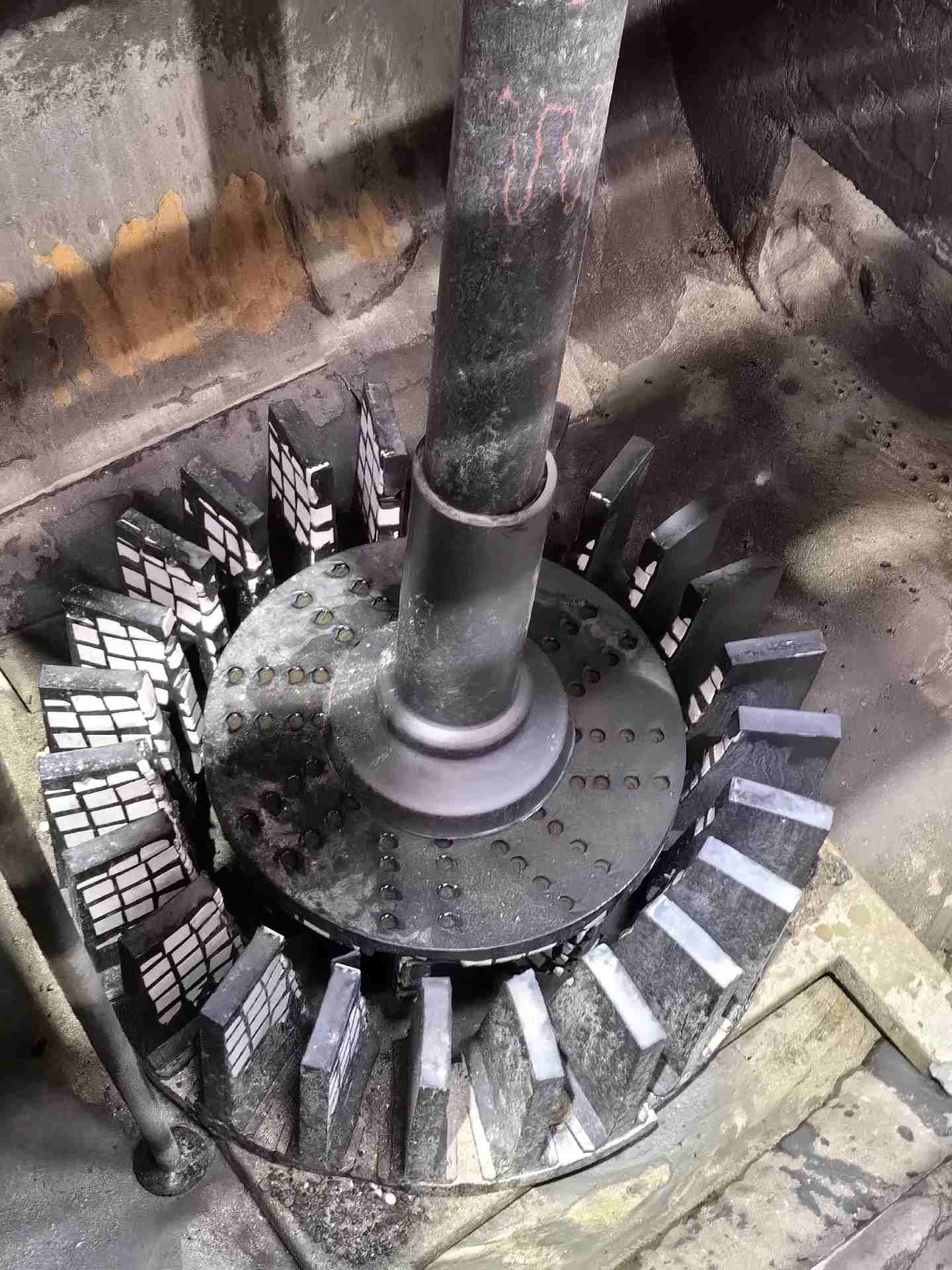

Key Advantages
High Wear Resistance
Specially selected polyurethane and rubber compounds protect flotation wet-end parts against continuous abrasive slurry attack.
Stable Slurry Circulation
Accurate rotor and stator geometry supports effective mineral suspension and reduces unwanted solids settling.
Efficient Air Dispersion
Optimized component profiles help distribute air throughout the slurry and support stable flotation conditions.
Reinforced Construction
Metal or structural reinforcement can be incorporated into molded components to improve mechanical strength and dimensional stability.
Precision Replacement
Components can be manufactured from customer drawings, samples and equipment data for accurate installation and reliable operation.
Reduced Maintenance Requirements
Durable wear materials and controlled manufacturing help extend replacement intervals and reduce unplanned flotation-cell downtime.
Typical Technical Specifications
| Item | Available Specification |
|---|---|
| Product | Flotation Impeller / Rotor / Stator / Diffuser |
| Material | Polyurethane, Natural Rubber, Wear-Resistant Rubber |
| Composite Option | Available according to application |
| Internal Structure | Steel / Reinforced Structure |
| Manufacturing | Casting / Molding |
| Size | Customized according to flotation cell |
| Hardness | Selected according to application |
| Installation | OEM-style / Customized mounting |
| Application | Rougher, Scavenger & Cleaner Flotation |
| Ore Types | Copper, Gold, Lead-Zinc, Iron Ore, Nickel, Phosphate |
| Custom Production | Drawing or Sample Accepted |
Technical specifications are customized according to equipment model and operating conditions.
Why Rotor-Stator Condition Matters
Flotation performance depends not only on reagent chemistry but also on the mechanical condition of the flotation mechanism.
As an impeller or rotor wears, its blade profile and operating clearance can change. Excessive wear may reduce slurry pumping, disturb air dispersion and affect solids suspension. Damage or blockage around air and slurry passages can also reduce mechanism efficiency.
For this reason, maintenance teams should periodically inspect rotor blade thickness, stator condition, rotor-stator clearance, fastening points and elastomer wear. Components should normally be replaced before severe wear exposes the internal reinforcement or significantly changes the original operating geometry.
Selecting the correct replacement rotor and stator therefore contributes not only to longer component life but also to stable flotation-cell operation.
Information Required for RFQ
To recommend and quote the correct flotation impeller and stator replacement parts, please provide as much of the following information as possible:
- Flotation machine manufacturer and model
- Flotation cell capacity or cell volume
- Required part: impeller, rotor, stator, diffuser or complete set
- Existing component dimensions
- Drawings or clear photos of the original parts
- Current material: polyurethane, rubber or other material
- Mineral / ore being processed
- Slurry solids concentration if available
- Feed particle size
- Current service life and main wear problem
- Required quantity
- Equipment nameplate or OEM part number if available
For replacement projects without drawings, clear photographs with key dimensions or an original sample can help us evaluate the component structure and prepare a customized solution.
Products
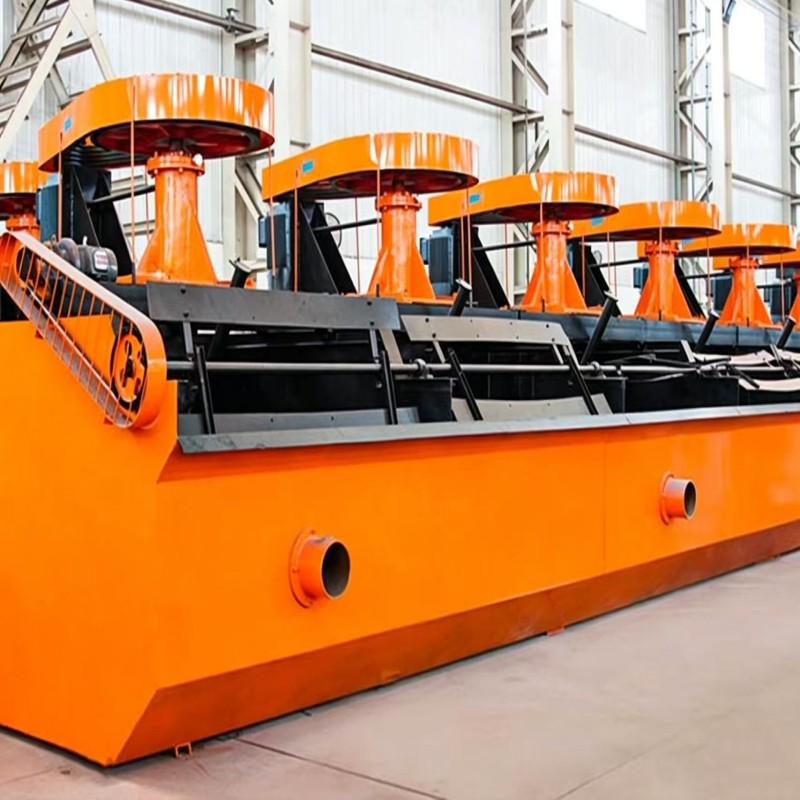
XJK Flotation Cell/Machine
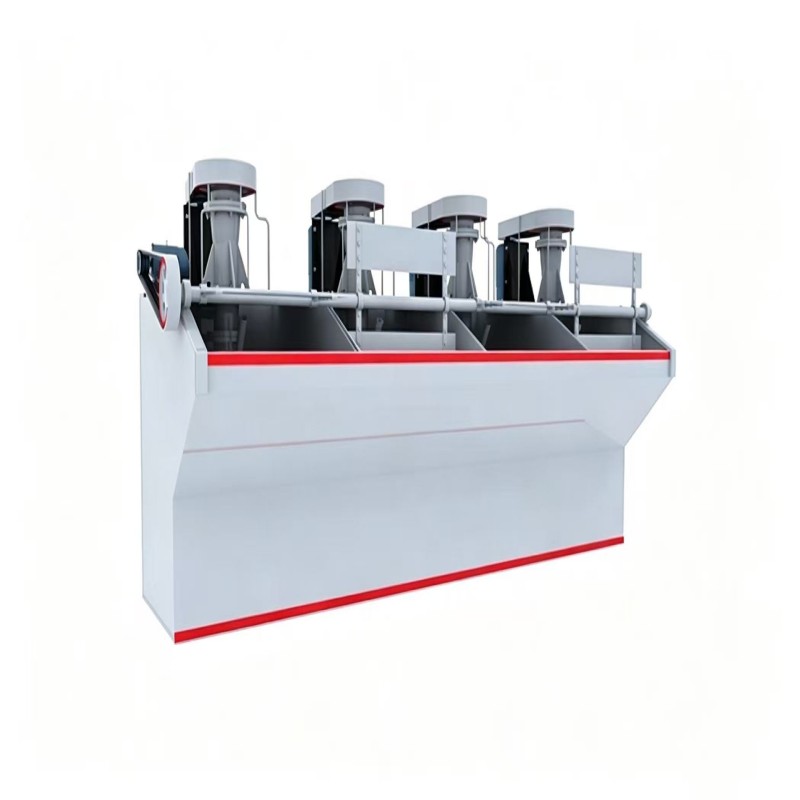
SF Flotation Cell/Machine
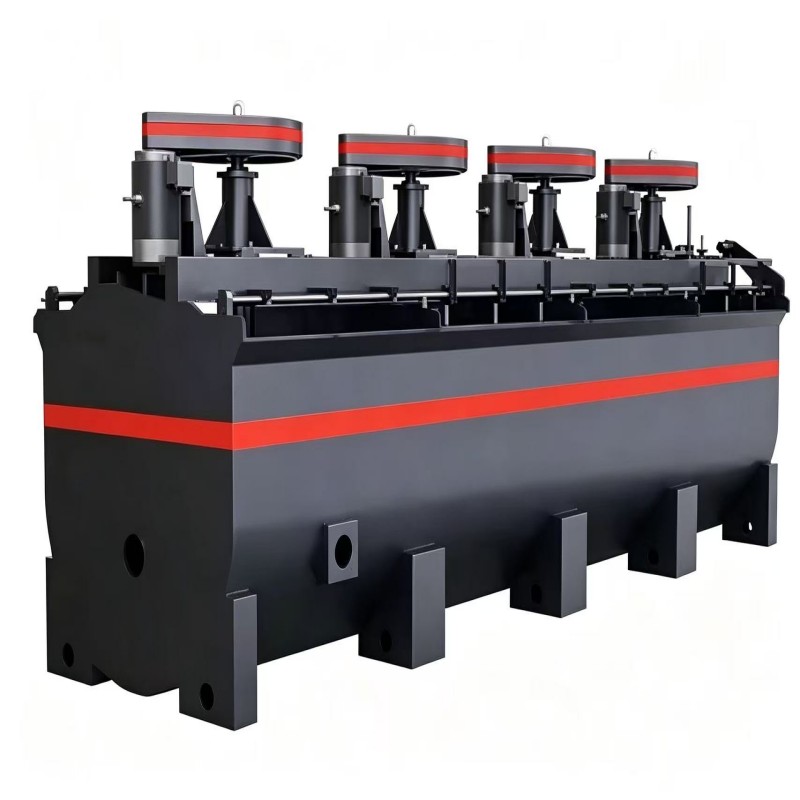
XCF/KYF Flotation Cell
Recent news
See Latest Service