How to Reduce Gold Loss in Screening: Screen Media, Settings and Measurement
-
 admin
- 12 Nov, 2026
Definition: What Is Gold Loss in Screening?
Gold loss in screening is the misreporting of valuable gold-bearing particles to the wrong size stream during classification — most commonly, fine gold riding over the deck into the oversize instead of passing through the apertures. It is distinct from recovery loss in gravity or flotation circuits, although the two are often confused because the symptoms appear downstream. A vibrating screen that classifies inaccurately will send poorly prepared feed to recovery equipment, and that equipment will underperform regardless of how well it is tuned.
Working Principle: How Screening Separates Gold-Bearing Particles
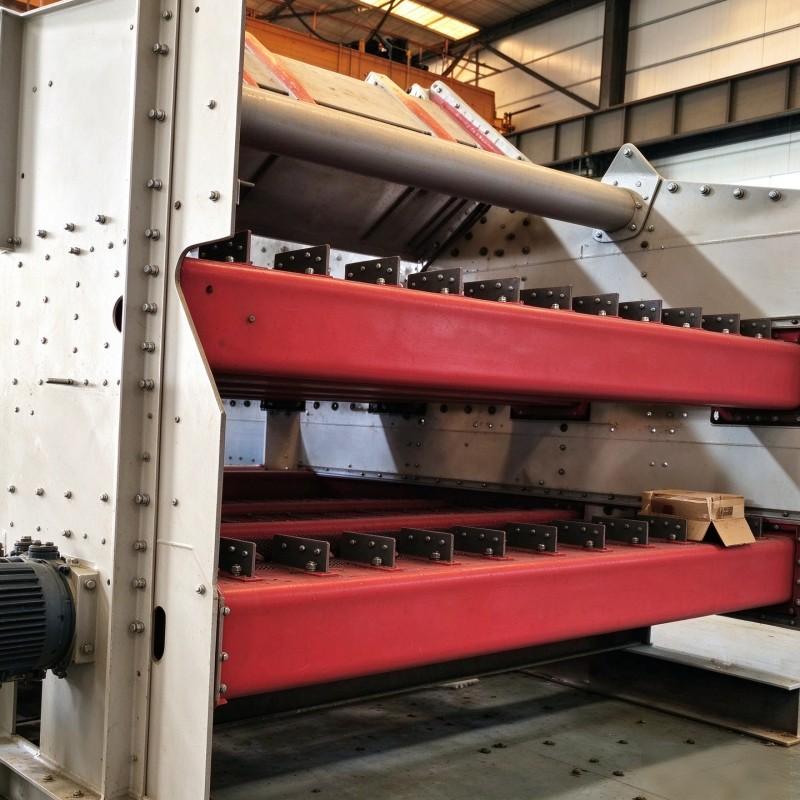
Screening relies on stratification. Vibration causes smaller particles to migrate toward the panel surface while larger particles remain at the top of the bed. Particles smaller than the aperture pass through; larger particles travel across the deck to the oversize discharge. Separation efficiency depends on four interacting variables: aperture geometry, particle size distribution, moisture condition, and vibration characteristics. When any one of these drifts — an aperture enlarged by abrasion, a panel blinded by wet clay, an overloaded section of deck — gold-bearing fines can be carried into the wrong stream. This is why screen performance must be monitored continuously rather than assumed from equipment specifications.
Why Gold Loss Happens: The Four Root Causes
Incorrect Screen Aperture Size
If the screen opening is too large or unsuitable for the feed material, valuable gold-bearing particles may enter an unwanted stream together with other materials. Aperture selection must be based on the actual particle size distribution of the ore and the target cut size — not on a nominal figure carried over from another plant or another ore body. Oversized apertures pass gold-bearing particles that should have been retained for further processing; undersized apertures cause capacity loss and increase blinding risk.
Screen Blinding and Clogging
Wet ore, clay, and sticky materials can block screen openings. Once the effective screening area decreases, material separation becomes less efficient. Blinding is particularly damaging in gold circuits because it develops gradually — the screen continues to run, throughput appears acceptable, and yet fine gold is steadily reporting to the oversize. Self-cleaning media and appropriate water addition are the primary countermeasures.
Uneven Material Distribution
When feed material is concentrated in certain areas of the screen surface, some sections become overloaded while other sections are underutilized. Overloaded zones cannot stratify properly, so fines are carried over; underutilized zones waste screening capacity. The result is inconsistent classification across the deck and unpredictable gold loss.
Screen Wear and Damage
After long-term operation, screen openings may become enlarged, damaged, or irregular due to abrasion. This affects classification accuracy and increases the risk of unwanted material passing through. Worn apertures are a silent failure mode — panels often look intact while dimensionally out of tolerance.
Can the Right Screen Mesh Size and Opening Design Improve Gold Recovery?
Yes — provided the media is matched to actual ore conditions. Choosing the right screen media is essential for achieving consistent screening performance, and different gold mining operations have different requirements depending on ore characteristics, particle size distribution, moisture content, and processing capacity.
PU Fine Screen Mesh
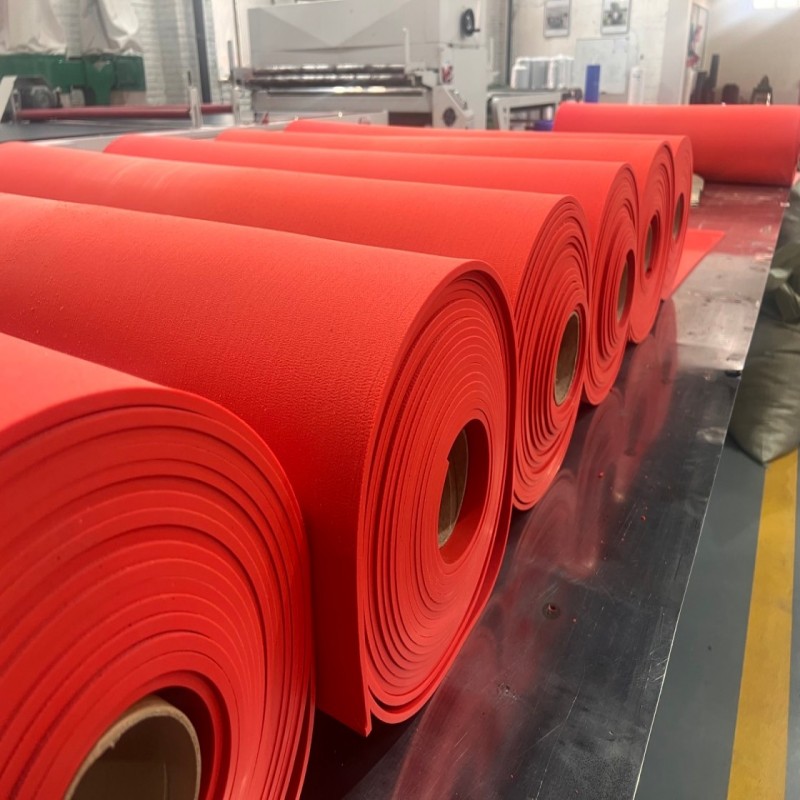
Polyurethane fine screen mesh is suitable for applications requiring accurate particle classification and good wear resistance. Its flexible structure and customized aperture designs make it a practical option for mineral processing applications. In gold plants, it is most often specified where fine cut sizes must be held consistently under abrasive duty.
Self-Cleaning Screen Mesh
For wet or sticky materials, self-cleaning screen media can help reduce blinding and maintain effective screening area during operation. Where clay content is significant, media selection should be reviewed alongside water addition and washing conditions — media alone cannot compensate for excessive clay.
High-Frequency Screen Panels
High-frequency screening systems can provide more precise classification for fine materials when properly matched with feed conditions and operating parameters. They are not a universal answer; they perform best where the feed has been assessed and the parameters tuned accordingly.
Customized Aperture Design
Screen aperture size, opening shape, open area, and panel structure should be selected according to actual material characteristics and processing requirements. A polyurethane screen vs rubber screen vs wire mesh comparison is a useful starting point before committing to a media type across a circuit.
By selecting appropriate screen media, operators can improve classification consistency, reduce unnecessary downtime, and provide more stable feed conditions for downstream gold recovery equipment.
Material Comparison: Screen Media for Gold Ore
| Media Type | Wear Life | Blinding Resistance | Classification Accuracy | Best Application | Total Cost of Ownership |
|---|---|---|---|---|---|
| Polyurethane fine screen mesh | High | Good | High | Fine classification, abrasive ore | Favourable over full life |
| Rubber screen panel | High | Moderate | Moderate | Coarse scalping, heavy abrasion | Favourable in coarse duty |
| Woven wire mesh | Low–Moderate | Low with wet feed | Moderate | Dry, non-sticky, clean feed | Higher through replacement frequency |
| Self-cleaning media | Moderate–High | High | Good | Wet, sticky, clay-rich ore | Favourable where blinding dominates |
| PU coated wire screen | Moderate–High | Good | High | Combined wear and accuracy needs | Balanced |
The correct comparison is cost per ton screened over the full service life, not purchase price per panel.
Application Comparison: Where Gold Loss Occurs in the Circuit
| Screening Stage | Typical Loss Mechanism | Recommended Countermeasure |
|---|---|---|
| Scalping ahead of crushing | Oversize gold-bearing lumps misclassified | Correct aperture, scheduled wear inspection |
| Fine classification before gravity | Blinding pushes fines to oversize | Self-cleaning or PU fine mesh |
| Dewatering screens | Carry-over of fine solids | Dewatering-specific panel design |
| Wash plant sizing | Clay agglomeration blocks apertures | Water addition plus self-cleaning media |
| Tailings reprocessing screens | Variable moisture and fine PSD | PU fine mesh, regular sampling |
Industry Application Matrix
| Ore / Material | Screening Challenge | Recommended Screen Media |
|---|---|---|
| Gold ore (hard rock) | Abrasive, variable particle size distribution | Polyurethane fine screen mesh |
| Alluvial gold / placer | Clay, wet sticky material | Self-cleaning screen media |
| Gold tailings | Fine particles, variable moisture | PU fine mesh, dewatering panels |
| Silica sand (gold-bearing) | High abrasion | Rubber or PU panels |
| Polymetallic gold ore | Mixed hardness | PU panels with customized apertures |
How Do Screening Efficiency and Equipment Settings Affect Gold Loss?
Even high-quality screen media cannot deliver optimal performance if the screening equipment is incorrectly configured. Several operating parameters should be carefully evaluated.
Feed Rate
Excessive feeding can overload the screen surface, reducing the time available for particles to pass through the openings. Maintaining a stable feed rate helps improve screening efficiency. Feed surges are a common and easily corrected cause of intermittent gold loss.
Vibration Frequency and Amplitude
The vibration characteristics of the vibrating screen influence particle movement and stratification. Incorrect settings may result in inefficient material distribution and separation. Settings should be verified against equipment specifications and reviewed whenever feed conditions change.
Moisture Content
High moisture content and sticky clay can cause fine particles to agglomerate, making screening more difficult. Depending on the application, operators may need to adjust water addition, washing conditions, or screen media selection.
Screen Surface Condition
Damaged or worn panels should be inspected and replaced when necessary. Regular maintenance helps maintain consistent aperture dimensions and screening performance. Aperture measurement against a reference gauge is more reliable than visual inspection.
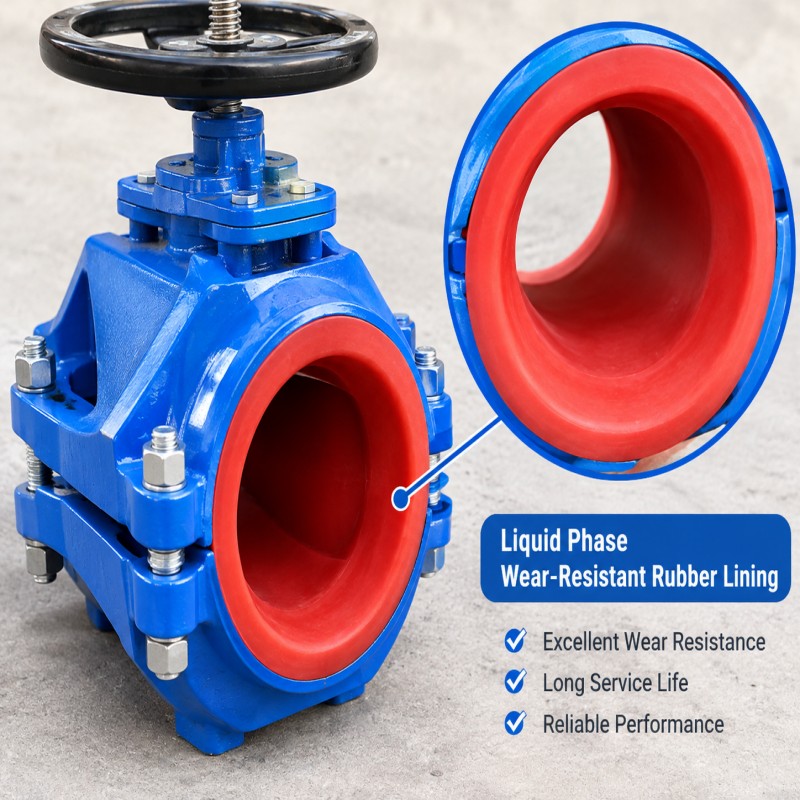
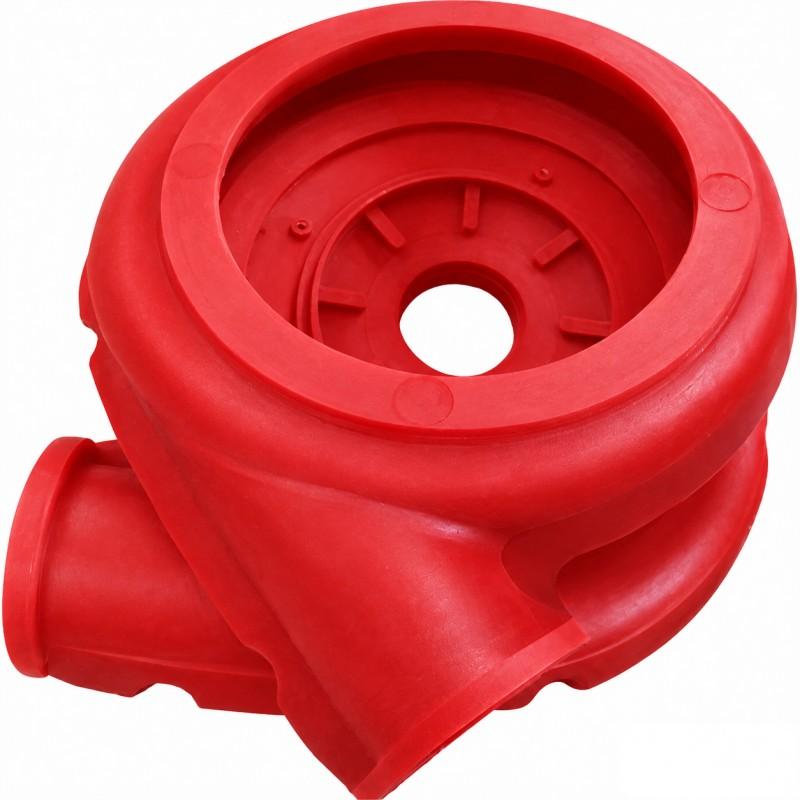
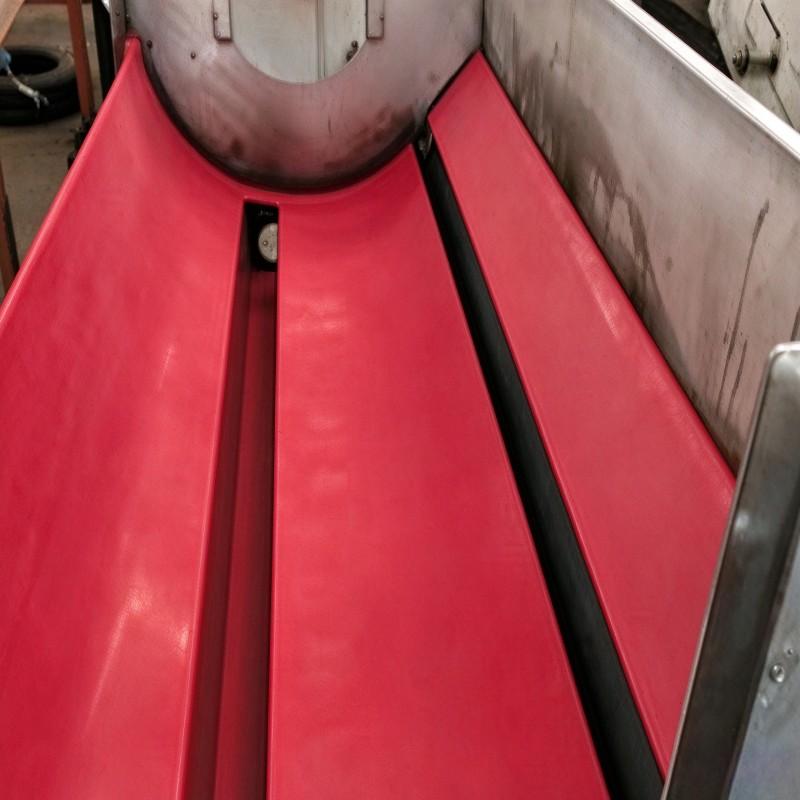
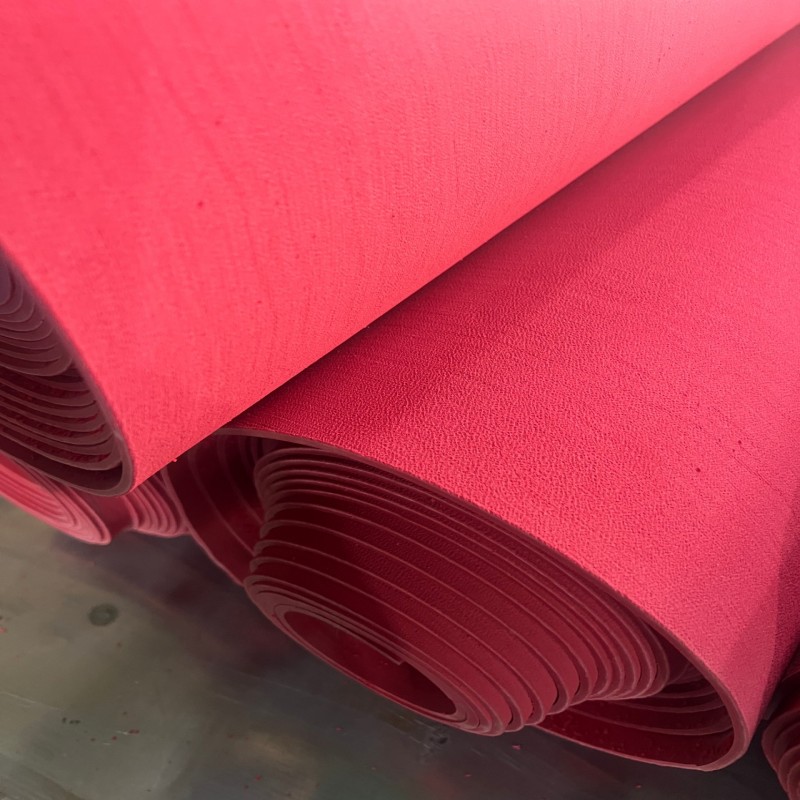
Besides screen panels, other wear-resistant components also affect equipment reliability. HTL supplies a range of mining wear parts, including polyurethane screen panels and fine screen mesh, rubber screen panels and liners, vibrating screen spare parts and protective components, crossbeam and side plate wear liners, slurry pump rubber parts, hydrocyclone wear-resistant components, and conveyor wear parts and impact protection products. Using suitable wear-resistant components helps reduce unplanned maintenance, extend equipment service life, and maintain more stable processing conditions.
How Can You Identify and Measure Gold Loss During Screening Operations?
One of the biggest mistakes in gold processing is evaluating screening performance only by looking at the appearance of the final product. To understand whether gold is being lost, operators should analyze the actual material streams.
Step 1: Collect Representative Samples
Collect samples from both oversize and undersize streams under stable operating conditions.
Step 2: Analyze Gold Content
Send representative samples for appropriate laboratory testing to determine the gold content in each stream.
Step 3: Evaluate Screening Performance
Compare particle size distribution, material flow, and gold content to identify whether the current screening process is producing unwanted classification results.
Step 4: Adjust the Screening System
Based on the test results, consider adjusting screen aperture size, feed rate, vibration parameters, or screen media design.
Step 5: Monitor the Results
Repeat sampling after adjustments to determine whether the changes have improved classification and reduced gold loss.
It is important to remember that screening and gold recovery are two different processes. A better screening system does not automatically guarantee higher gold recovery. However, more consistent particle classification can help downstream equipment, such as shaking tables, sluice systems, and centrifugal concentrators, operate under more suitable feed conditions.
Selection Guide: Choosing Screen Media to Reduce Gold Loss
Selection should follow five steps. First, establish the particle size distribution of the feed and the target cut size. Second, assess moisture and clay content — where wet and sticky, prioritise self-cleaning or anti-blinding media. Third, evaluate abrasiveness — highly abrasive ore favours polyurethane or rubber over woven wire. Fourth, confirm equipment compatibility: panel dimensions, fixing systems, and deck configuration must match the existing screens. Fifth, verify downstream requirements — the cut size must produce feed the gold recovery equipment can actually process efficiently. For fine-cut applications, high-frequency panels are worth evaluating where feed conditions and parameters can be properly matched.
Procurement Guide: What to Specify When Ordering Screen Media
A screen media quotation is only as good as the information behind it. Provide ore type and particle size distribution, target cut size and aperture shape, moisture and clay content, screen equipment make and model, panel dimensions, fixing system type, and expected operating hours. Drawings or photographs accelerate the process considerably. Where OEM part numbers exist, provide them for cross-reference; where they do not, dimensioned drawings are sufficient for most custom panel manufacture.
Buyers should confirm material reports, aperture tolerance, panel flatness, and fixing hole alignment before acceptance. Suppliers with genuine application experience will ask about ore conditions before quoting — a supplier who quotes immediately from a part number alone is worth questioning. A polyurethane Tufflex wire screen manufacturer guide covers the evaluation criteria in more detail.
Failure Analysis: Common Screening Problems in Gold Plants
| Problem | Possible Cause | Recommended Solution |
|---|---|---|
| Fine gold in oversize stream | Aperture too small, blinding, overloaded feed | Verify aperture, switch to self-cleaning media, stabilise feed rate |
| Premature panel wear | Material mismatch, excessive amplitude | Re-select media grade, review vibration settings |
| Blinding and pegging | Wet sticky ore, wrong media type | Self-cleaning media, adjust water addition |
| Enlarged apertures | Long-term abrasion, overdue replacement | Scheduled inspection and gauge measurement |
| Uneven wear across deck | Poor feed distribution | Review feeder and screen loading |
| Cracking at fixing points | Incorrect installation torque, panel mismatch | Follow installation procedure, verify dimensions |
| Low classification efficiency | Incorrect frequency or amplitude | Re-tune against manufacturer parameters |
| Excessive downtime | Reactive maintenance, no spare inventory | Preventive schedule, critical spares stocking |
Maintenance Guide
Daily checks should cover blinding, visible panel damage, abnormal vibration, and feed rate stability. Weekly inspection should focus on high-wear zones, aperture condition against a reference gauge, and fixing integrity. Monthly review should examine wear patterns across the deck, gold content sampling data, and whether operating parameters have drifted.
Wear pattern monitoring is often overlooked: uneven wear usually indicates a feed distribution problem rather than a media failure, and replacing panels without correcting distribution simply repeats the cost. Replacement timing should be condition-based — panels should be changed when aperture dimensions exceed tolerance, not only when visible damage appears. Critical panel sizes and fixing components should be held in spares inventory to avoid extended downtime, and screen inspection should be combined with checks on adjacent wear components such as crossbeam liners, side plates, and conveyor impact protection.
Case Study
Customer Type: Medium-scale hard rock gold processing plant
Ore Type: Abrasive gold-bearing quartz ore with variable clay content
Operating Conditions: Wet screening, approximately 20 hours per day, single-deck fine classification ahead of gravity recovery
Problem: Assay sampling showed elevated gold content in the oversize stream. Woven wire panels blinded within days, apertures wore beyond tolerance faster than expected, and manual cleaning caused frequent stoppages.
Solution: Woven wire was replaced with polyurethane fine screen mesh using customized aperture design matched to the actual particle size distribution. Feed rate was stabilised and vibration parameters reviewed against equipment specifications. Sampling was repeated after the change.
Result: Gold content in the oversize stream was measurably reduced, blinding-related stoppages decreased substantially, and panel service life extended against the woven wire baseline. Downstream gravity equipment received more consistent feed, improving operating stability. Results vary by ore and circuit — site-specific sampling remains essential.
Why Does Choosing the Right Mining Wear Parts Supplier Matter?
In gold processing plants, equipment operates continuously under abrasive and demanding conditions. The quality of screening media and wear-resistant components directly affects maintenance frequency, operating stability, and long-term production costs.
HTL focuses on mining screening solutions and wear-resistant products, providing customized products for different mineral processing applications. The product range covers polyurethane fine screen mesh and mining screen panels, self-cleaning and anti-blinding screen media, rubber and polyurethane wear liners, and slurry handling and other mining wear-resistant components. Different mines have different operating conditions, so customized solutions are supported based on drawings, dimensions, photographs, and equipment models. The goal is not simply to supply replacement parts, but to help customers find suitable products that balance wear life, screening performance, delivery time, and overall operating costs.
With experience in mining screening and wear parts, HTL aims to provide reliable product solutions and responsive technical support to mining customers worldwide.
FAQ
Question: Why is fine gold lost through the screen rather than recovered downstream?
Answer: Fine gold is lost at the screen when classification is inaccurate — typically through oversized apertures, blinding, or overloaded feed. The gold-bearing particles report to the oversize stream and bypass downstream recovery entirely. Sampling both streams is the only reliable way to confirm this is happening, because the final product can still appear normal while loss continues.
Question: Is a smaller screen aperture always better for gold recovery?
Answer: No. A smaller aperture reduces capacity, increases blinding risk, and can overload the screen surface. The correct aperture matches the target cut size and the actual particle size distribution of the ore. Pushing toward smaller apertures often makes classification worse, not better, and increases maintenance frequency.
Question: Which screen media is best for wet, sticky gold ore?
Answer: Self-cleaning and anti-blinding screen media are designed for this condition, and polyurethane fine screen mesh with flexible aperture behaviour also performs well. Water addition and washing conditions should be reviewed at the same time, because media alone cannot compensate for excessive clay content in the feed.
Question: How do I know when screen panels need replacement?
Answer: Measure aperture dimensions against a reference gauge during scheduled inspection. Visible damage is a late indicator — apertures often enlarge gradually while the panel still appears intact. If gold content in the oversize stream has drifted upward without a feed change, worn apertures should be the first suspect.
Question: Can aftermarket screen panels match OEM performance?
Answer: Yes, when the supplier manufactures to verified drawings or dimensions and uses appropriate material grades. Request material reports and dimensional verification before acceptance. The key risk is a supplier quoting from a part number without understanding the ore conditions the panel will actually face.
Question: Does better screening guarantee higher gold recovery?
Answer: No. Screening and gold recovery are separate processes. Better classification creates more suitable feed conditions for shaking tables, sluice systems, and centrifugal concentrators, but recovery also depends on equipment settings, water balance, and operator control. Screening removes a variable — it does not replace recovery optimisation.
Question: How often should screen media be replaced in a gold plant?
Answer: Replacement should be condition-based rather than calendar-based. Aperture tolerance, wear pattern, and blinding frequency determine timing. Plants running abrasive ore at high utilisation may replace panels several times per year, while milder duty can extend considerably longer.
Question: What information should I provide to get an accurate screen media quotation?
Answer: Provide ore type, particle size distribution, target cut size, moisture and clay content, screen equipment make and model, panel dimensions, and fixing system details. Drawings or photographs accelerate the process. Suppliers with real application experience will ask these questions before quoting rather than quoting from a part number alone.
Question: How can I reduce screening maintenance downtime?
Answer: Combine preventive inspection with critical spares inventory. Track wear patterns to predict replacement timing, and source screen media plus adjacent wear parts from a consistent supplier so specifications stay aligned. Reactive maintenance is the largest avoidable downtime cost in most screening circuits.
Question: What is the total cost of ownership for polyurethane fine screen mesh versus woven wire?
Answer: Polyurethane carries a higher unit price but longer service life and better blinding resistance in wet or abrasive duty. Woven wire is cheaper initially but requires more frequent replacement and cleaning. The correct comparison is cost per ton screened over full service life, not purchase price per panel.
Conclusion: Better Screening Creates Better Conditions for Gold Recovery
Reducing gold loss during screening requires more than simply choosing a smaller screen aperture. It involves understanding ore characteristics, selecting appropriate screen media, controlling operating parameters, inspecting wear conditions, and regularly analyzing material streams.
For gold processing plants, investing in suitable screening solutions can help improve classification efficiency, reduce blinding, minimize unnecessary downtime, and create more consistent conditions for downstream gold recovery. The key is to identify where gold is being lost and optimize the entire screening process accordingly.
If you are looking for polyurethane fine screen mesh, self-cleaning screens, or customized mining wear parts, HTL is ready to discuss your application and provide suitable solutions.
Related Articles
Related Products
Related Technical Guides
-
Improve Fine Screening Efficiency with Polyurethane Screen Panels
-
Hydrocyclone Wear: Root Causes, High-Wear Zones & Material Solutions
-
Flotation Cell Rotor and Stator Wear Parts: How They Control Recovery, Flow and Maintenance Cost
-
Rotor & Stator in Mechanical Flotation Cells: The Heart of Efficient Mineral Flotation
Related Buyer Guides
-
Which Manufacturer Offers High-Quality Polyurethane Tufflex Wire Screens for Mining?
-
How Do I Choose the Right Rubber Belt for a Vacuum Belt Filter?
Related Comparison Articles
-
Polyurethane Screen vs Rubber Screen vs Wire Mesh: A Complete Comparison Guide
-
Self-Cleaning Screen vs Traditional Woven Wire Mesh: Which One Should You Choose?
Contact
Annie Lu
Email: annie.lu@huataogroup.com
Mobile: +86 18032422676 (WhatsApp / WeChat)
Website: http://www.tufflexscreen.com
#GoldProcessing #Screening #MineralProcessing #GoldRecovery #MiningEquipment #PolyurethaneScreen #WearParts #GoldMining #FineScreening #MiningIndustry #ScreenMedia #PlantMaintenance #ProcessOptimization #GoldOre #BlindingPrevention #ScreeningEfficiency #TailingsReprocessing #MiningSuppliers #ConditionMonitoring #TotalCostOfOwnership
Tags:
 admin
personal profile