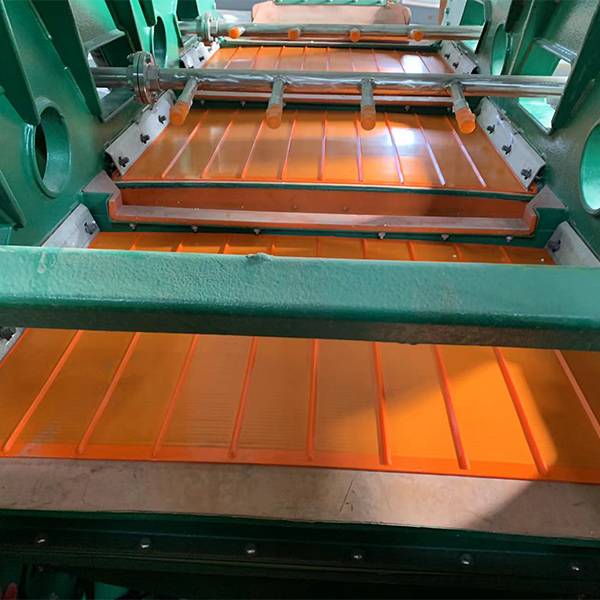
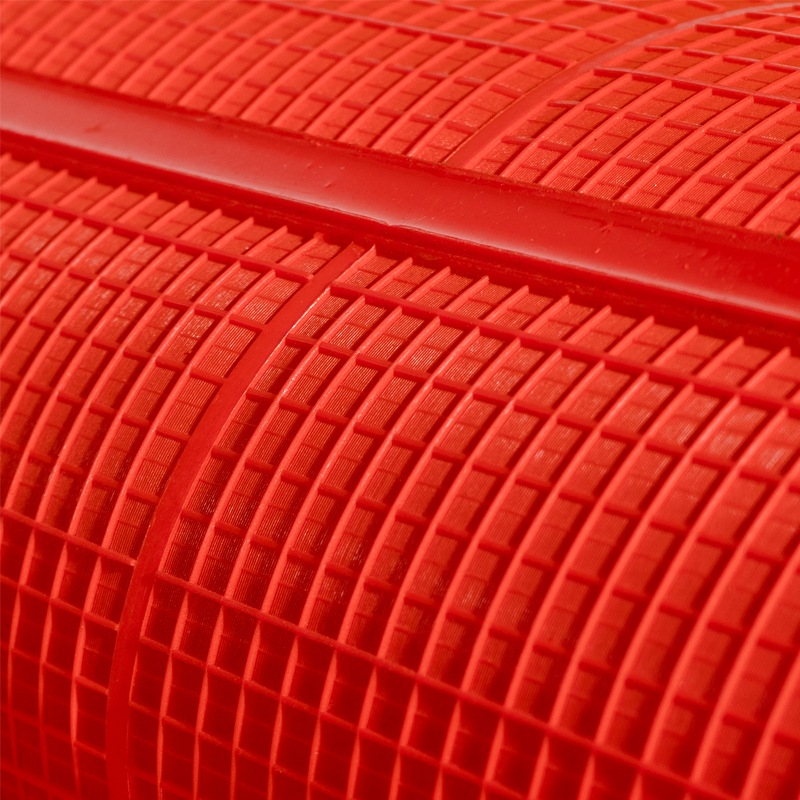
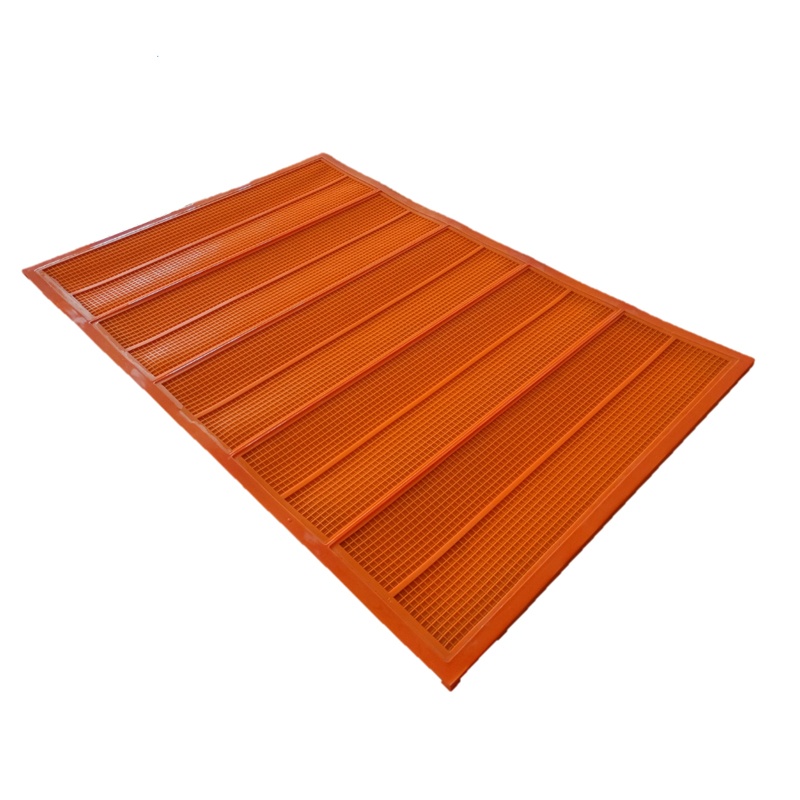
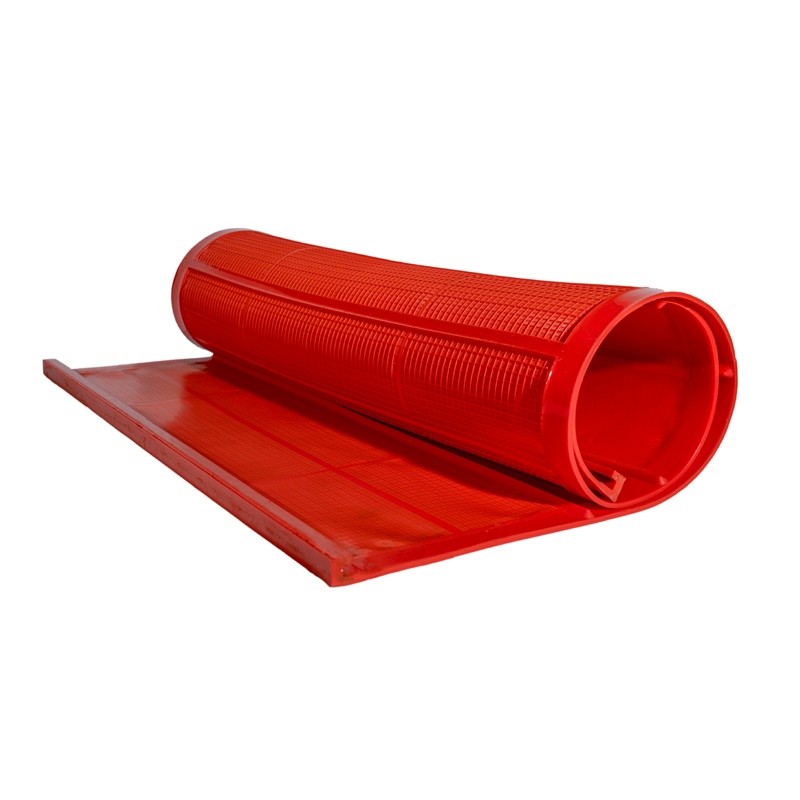
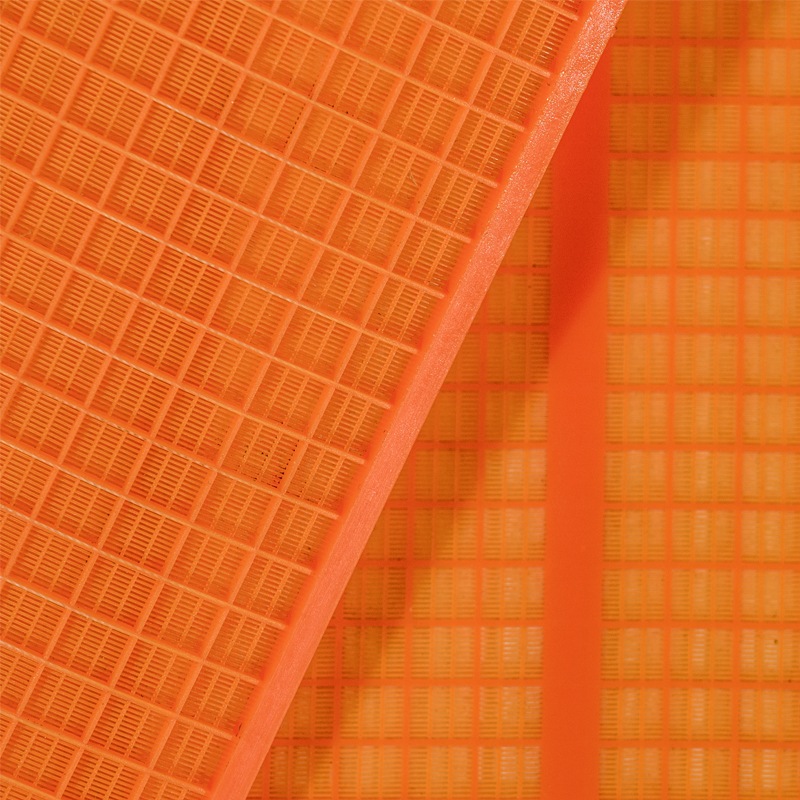
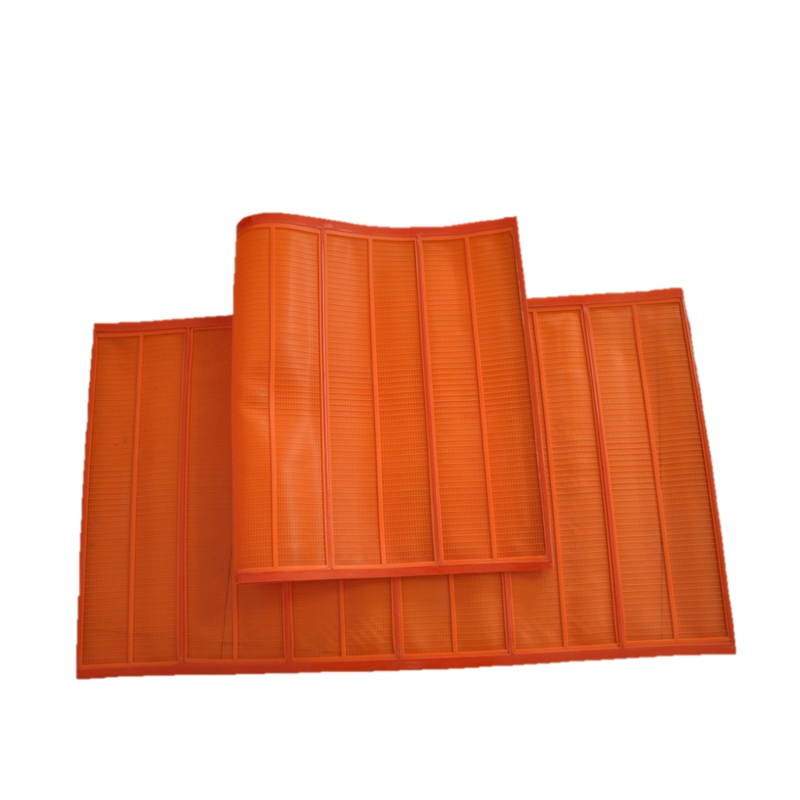
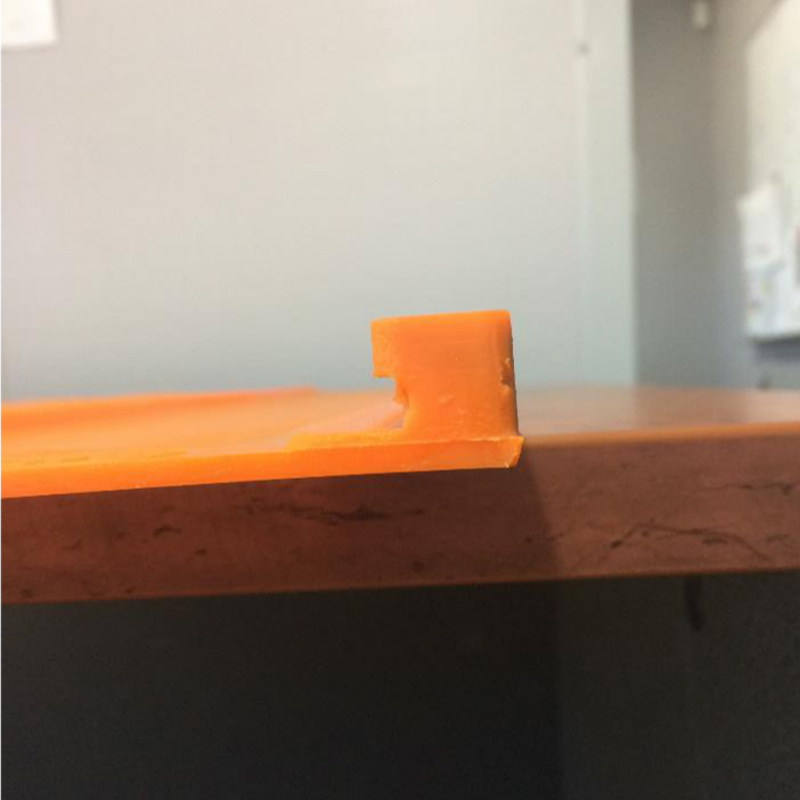
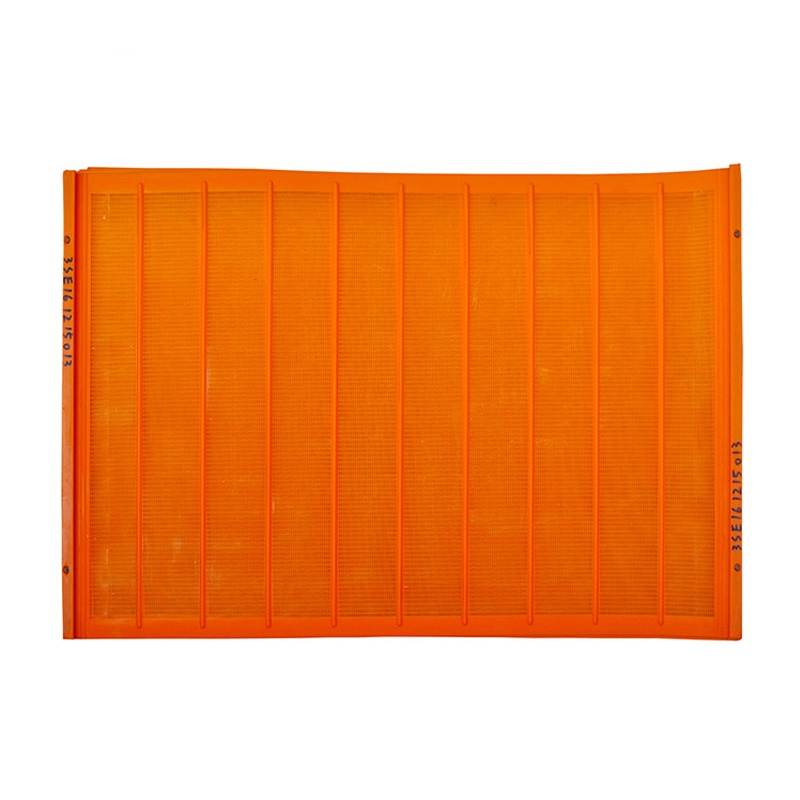
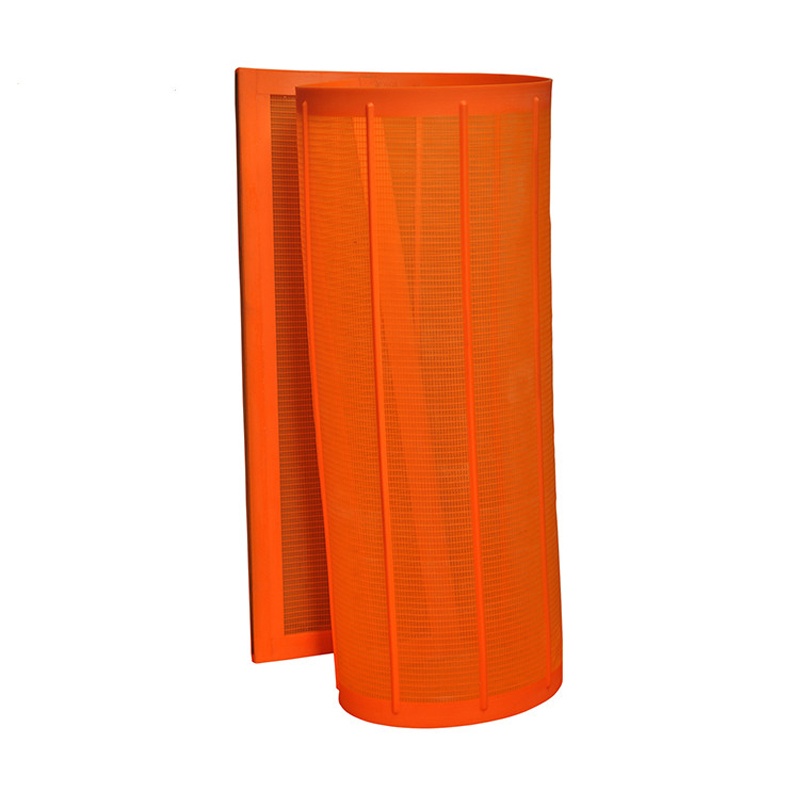
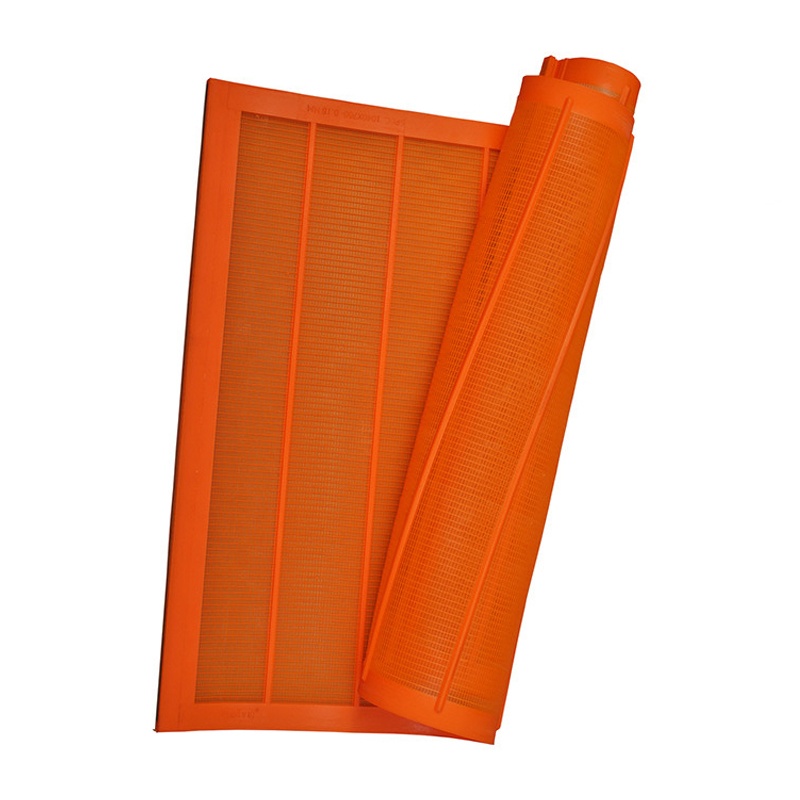
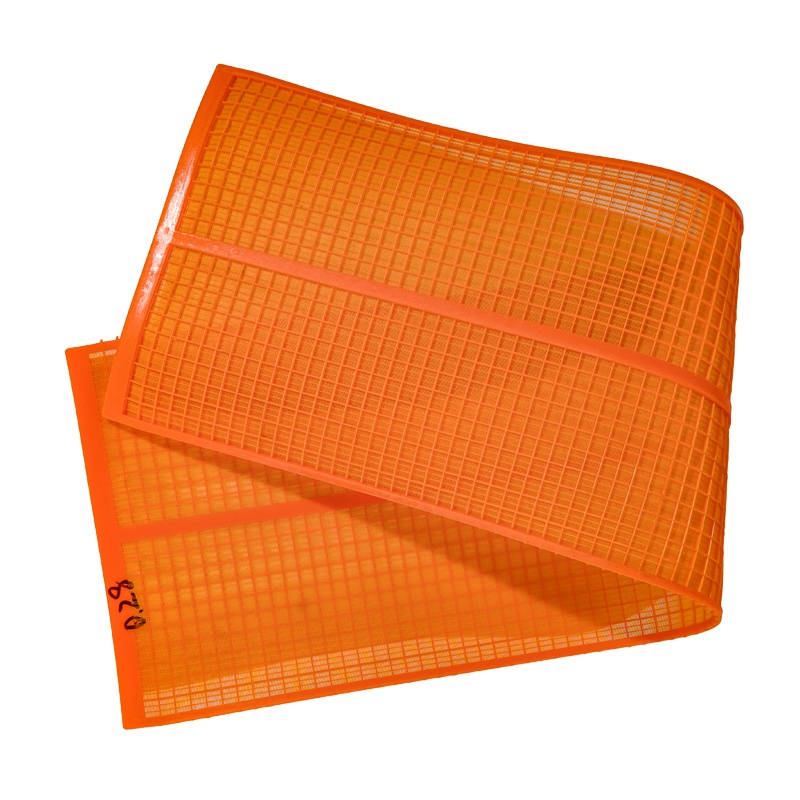
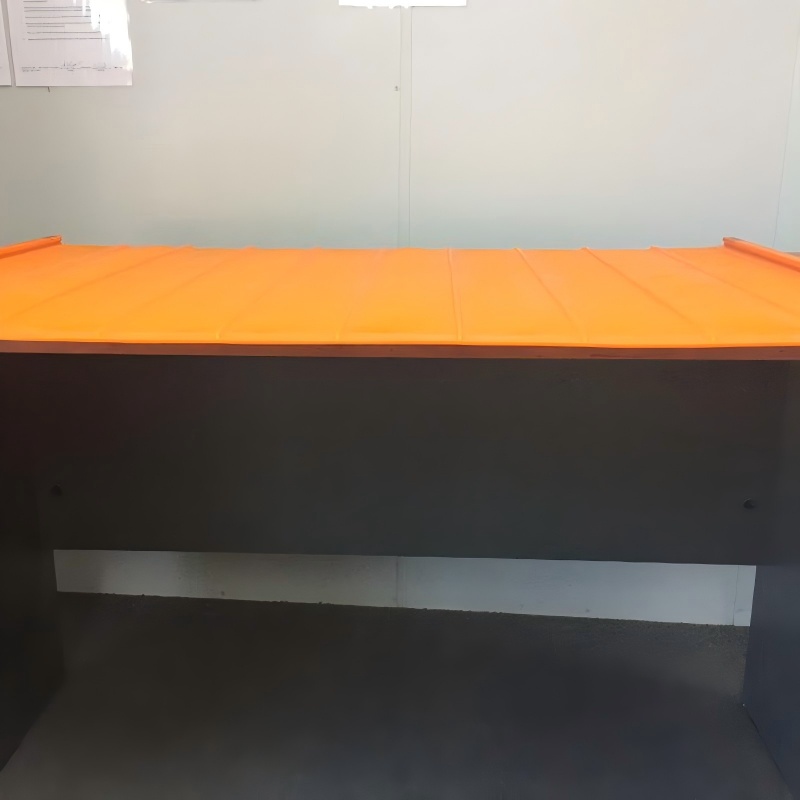
Polyurethane Fine Screen Panel
Our Fine screen panel can be used in De**ick Stack Sizer, Me**o UFS, Brand is HUATAO, not De**ick’s Pol**eb Urethane Screen.
- 01 Aperture Range : 0.045mm - 8.0mm
- 02 Size : TH48-30 , 1040*700mm , other size also can be designed as requests
- 03 Usage : Muti-deck High frenquceny vibrating screen
- 04 Working Time : 6 months to 12 months
-
Polyurethane Fine Screen Panel Description
Product Overview
The Polyurethane Fine Screen Mat is a precision screening surface developed for fine and ultra-fine particle separation in mining and mineral processing plants.
Manufactured from highly wear-resistant polyurethane, the screen mat combines fine, accurately controlled apertures with a flexible screening surface and a high effective open area. It is mainly installed on multi-deck high-frequency vibrating screens, wet classification screens, dewatering screens and other fine-screening equipment.
Compared with conventional woven wire mesh, polyurethane fine screen mats provide improved resistance to abrasion, corrosion, pegging and premature fatigue. Their flexible aperture structure helps particles pass through the screening surface while reducing the accumulation of near-size material.
Available aperture sizes can range from approximately 45 microns to 8.0 mm, depending on the panel design, material characteristics and operating conditions. High-open-area designs of up to approximately 45% are available for selected slot configurations. Comparable high-frequency urethane screen products are commonly used in both wet and dry fine-screening applications.
The screen mats can be customized to fit existing high-frequency screening machines, including selected Der**k-compatible screening equipment, subject to confirmation of the screen dimensions, aperture direction, fixing system and machine model.

Four Core Product Advantages
1. Fine and Accurate Particle Separation
Precision-formed apertures provide consistent cut-point control for fine mineral classification.
Apertures are available in micron, mesh and millimetre specifications, allowing the screen surface to be matched to the required separation size. Fine-screening designs may be supplied with openings down to approximately 45 μm or 325 mesh, depending on the application and screen structure.
Typical aperture options include:
- 45 μm
- 53 μm
- 75 μm
- 100 μm
- 150 μm
- 180 μm
- 250 μm
- 300 μm
- 500 μm
- 1.0 mm
- 2.0 mm
- Customized fine apertures
2. High Open Area and Screening Capacity
The fine polyurethane filaments and optimized supporting ribs provide a higher effective open area than many conventional thick polyurethane panels.
Selected long-slot configurations can achieve an open area of up to approximately 45%, helping increase slurry passage, reduce material retention and improve unit-area screening capacity.
The actual open area depends on:
- Aperture size
- Slot length
- Aperture orientation
- Reinforcement structure
- Panel dimensions
- Required mechanical strength
- Feed particle distribution
A high open area is particularly important in multi-deck screening systems where a relatively small machine footprint must process a high slurry flow rate.
3. Anti-Blinding and Self-Cleaning Performance
Fine woven wire screens can suffer from pegging, blinding, corrosion and wire fatigue when processing wet, sticky or near-size particles.
The elastic polyurethane screening filaments move slightly under high-frequency vibration. This dynamic movement helps release particles trapped in the apertures and reduces the formation of blocked screening zones.
The non-blinding design is especially useful for:
- Fine wet mineral classification
- Sticky mineral slurry
- High percentages of near-size particles
- Clay-containing feed
- Silica sand processing
- Fine coal screening
- Grinding-circuit classification
Actual anti-blinding performance depends on feed moisture, solids concentration, vibration parameters, spray-water arrangement and particle shape.
4. Extended Wear Life and Reduced Maintenance
Polyurethane provides high resistance to abrasive mineral particles and repeated vibration.
In suitable fine-screening applications, urethane screen surfaces have been reported to last substantially longer than conventional woven wire panels. Certain industry references report service lives of several months and, in some installations, wear life around 10–15 times that of conventional wire screens. Actual life varies considerably according to ore abrasiveness, feed size, solids concentration, tonnage, aperture size and operating conditions.
A longer replacement interval can help plants:
- Reduce unplanned shutdowns
- Reduce screen-changing frequency
- Lower maintenance labour
- Maintain a more stable screening area
- Reduce spare-screen consumption
- Improve equipment availability
Main Applications
1. Grinding Circuit Classification
Polyurethane fine screen mats can be used to replace or supplement hydrocyclones in selected grinding and classification circuits.
The high-frequency screen separates particles primarily according to physical aperture size. This can provide a more controlled particle-size separation than classification methods that are heavily influenced by slurry density and particle mass.
Typical positions include:
- Ball mill closed-circuit classification
- Regrinding circuit classification
- Cyclone underflow screening
- Cyclone overflow protection
- Concentrate regrinding
- Removal of coarse particles before flotation
- Protection of downstream pumps and equipment
A more consistent classification size can reduce unnecessary overgrinding and improve the stability of downstream recovery processes.
2. Iron Ore Fine Screening
In iron ore beneficiation plants, polyurethane fine screen mats can be installed for:
- Fine iron ore classification
- Magnetite concentrate screening
- Grinding-circuit control
- Removal of coarse particles
- Concentrate dewatering
- Tailings classification
- Pre-classification before magnetic separation
High wear resistance is important when handling abrasive iron-bearing particles, while accurate fine apertures help maintain the required product-size distribution.

3. Gold Ore Processing
Gold processing plants may use high-frequency fine screening for:
- Grinding-circuit classification
- Removal of coarse material before leaching
- Carbon safety screening
- Concentrate classification
- Fine tailings separation
- Protection of downstream equipment
- Recovery circuit optimization
Fine screening is particularly valuable where a small quantity of oversize particles could affect downstream leaching, flotation or gravity-recovery performance.
4. Copper Lead and Zinc Processing
Polyurethane fine screen mats can be used in base-metal concentrators for:
- Copper ore classification
- Lead-zinc ore regrinding
- Flotation feed preparation
- Concentrate cleaning circuits
- Removal of oversize particles
- Tailings treatment
- Fine mineral separation
Stable aperture size helps control the particle distribution entering flotation circuits and reduces the risk of coarse particles affecting mineral liberation and recovery.
5. Silica Sand and Frac Sand Processing
Fine polyurethane screens are widely applicable to industrial sand plants where accurate sizing and contamination control are important.
Typical applications include:
- Silica sand classification
- Frac sand sizing
- Quartz sand washing
- Removal of oversized particles
- Final product sizing
- Fine sand recovery
- Dewatering after washing
Polyurethane does not suffer from wire breakage in the same manner as woven metal screens, helping reduce the risk of broken-wire contamination in finished sand products.

6. Coal Preparation
In coal washing and fine-coal recovery plants, the screens can be used for:
- Fine coal classification
- Coal slurry screening
- Desliming
- Dewatering
- Recovery of fine combustible material
- Removal of coarse contaminants
- Preparation before flotation
The flexible polyurethane surface is suitable for wet and relatively sticky material, although the final aperture and panel structure must be selected according to ash content, slurry concentration and particle-size distribution.
7. Tailings Classification and Dewatering
Polyurethane fine screen mats may be used in tailings-management systems for:
- Fine tailings classification
- Recovery of reusable process water
- Separation of coarse and fine fractions
- Tailings dewatering
- Backfill-material preparation
- Pre-thickening classification
- Recovery of valuable fine minerals
For dewatering applications, slot direction and screen inclination must be designed according to the slurry-flow direction and desired moisture content.
8. Non-Metallic Mineral Processing
Suitable materials include:
- Silica sand
- Quartz
- Kaolin
- Feldspar
- Limestone
- Calcium carbonate
- Phosphate
- Graphite
- Potash
- Industrial minerals
The product is suitable where precise fine separation, corrosion resistance and reduced screen blinding are required.

Recommended Process Positions
The Polyurethane Fine Screen Mat can be installed in the following sections of a mineral-processing plant:
| Process Position | Main Screening Purpose |
|---|---|
| Ball mill discharge | Remove oversize particles and control circulating load |
| Regrinding circuit | Maintain a controlled flotation-feed size |
| Hydrocyclone underflow | Recover correctly sized material and reduce recirculation |
| Flotation feed preparation | Prevent coarse particles from entering flotation cells |
| Concentrate cleaning | Improve concentrate size consistency |
| Tailings circuit | Classify solids and recover process water |
| Sand washing line | Size and dewater washed sand |
| Fine coal circuit | Classify deslime or recover fine coal |
| Final product screening | Control finished-product particle distribution |
Technical Specifications
| Item | Standard or Available Option |
|---|---|
| Product name | Polyurethane Fine Screen Mat |
| Alternative name | Fine Mesh Polyurethane Screen |
| Material | Wear-resistant polyurethane |
| Screening method | Wet or dry fine screening |
| Typical aperture range | Approximately 45 μm–8.0 mm |
| Common micron range | 45–800 μm |
| Common mesh range | Up to approximately 325 mesh |
| Aperture type | Long slot short slot square or customized |
| Open area | Up to approximately 45% for selected designs |
| Slot direction | Parallel or perpendicular to material flow |
| Panel size | Customized according to machine and deck |
| Panel thickness | Customized according to aperture and structure |
| Hardness | Selected according to application |
| Reinforcement | Internal fibre cord or reinforced support structure |
| Colour | Orange yellow red or customized |
| Installation | Hooked tensioned snap-in pin-type or customized |
| Equipment compatibility | Multi-deck high-frequency vibrating screens and selected OEM machines |
| Processing material | Metallic ore coal silica sand and industrial minerals |
| Main function | Classification sizing desliming and dewatering |
The quoted aperture range and open-area values are consistent with published high-frequency urethane screening references. Final manufacturing limits depend on the selected panel geometry and operating duty.
Available Aperture Designs
Long-Slot Aperture
Long-slot apertures provide a relatively high open area and are commonly selected for wet classification and high-capacity slurry screening.
Suitable for:
- High slurry throughput
- Wet fine classification
- Grinding circuits
- Silica sand
- Iron ore
- Base-metal ores
Short-Slot Aperture
Short-slot apertures provide a balance between open area, screening accuracy and mechanical stability.
Suitable for:
- Abrasive slurry
- Medium-to-high solids concentration
- Applications requiring additional screen strength
- Classification with controlled particle orientation
Square Aperture
Square apertures are selected where particle-width control is more important than maximizing open area.
Suitable for:
- Accurate sizing
- More regular particle shapes
- Dry or wet screening
- Product-quality control
Aperture Direction Selection
Aperture direction affects capacity, cut size and dewatering performance.
Slots Parallel to Material Flow
This arrangement generally allows particles more time to align with the aperture and can increase passing capacity.
It may be considered for:
- Fine wet classification
- High-capacity slurry screening
- Material containing elongated particles
Slots Perpendicular to Material Flow
This arrangement can provide more restrictive particle passage and may support tighter size control in selected applications.
It may be considered for:
- Controlled product sizing
- Dewatering applications
- Feed with a high percentage of near-size particles
The final aperture orientation should be confirmed according to material-flow direction and the original machine configuration.
Installation and Compatibility Options
Polyurethane fine screen mats can be manufactured with several installation structures.
Hook-Strip Tensioned Type
The screen mat is tensioned across the deck using reinforced hook strips.
Advantages:
- Easy replacement
- Suitable for curved screen beds
- Stable tensioning
- Common on high-frequency screening equipment
Pin and Snap Type
The panel is secured using snap-in or pin-type fixing components.
Advantages:
- Rapid installation
- Easy maintenance
- Reduced replacement time
- Suitable for modular screen decks
Bolt-Down Type
The screen panel is fixed directly to the supporting structure using bolts.
Advantages:
- Secure installation
- Suitable for heavy operating conditions
- Customizable bolt-hole positions
Customized Replacement Type
Replacement mats can be manufactured according to:
- Original screen sample
- Technical drawing
- Machine model
- Deck dimensions
- Hook-strip profile
- Aperture layout
- Installation photographs
Compatibility with a specific machine should be confirmed before production. A machine brand or model name alone may not be sufficient because deck structures can vary between equipment versions.
Suitable Screening Equipment
The product can be designed for:
- Multi-deck high-frequency vibrating screens
- Wet classification screens
- Fine mineral screens
- Repulp screening machines
- High-frequency dewatering screens
- Single-deck fine screens
- Multi-feed fine-screening systems
- Customized mineral-processing screens
- Selected Der**k-compatible screening equipment
For replacement projects, we recommend confirming the physical dimensions rather than relying only on the equipment model.
Performance Benefits for Mineral Processing Plants
Higher Screening Efficiency
Fine, consistent apertures allow particles smaller than the selected cut size to pass through the screen surface efficiently.
Increased Processing Capacity
A high effective open area allows more slurry to contact and pass through the screening surface.
Reduced Screen Blinding
Elastic polyurethane filaments help release lodged particles under high-frequency vibration.
Stable Product Size
Precision aperture control supports consistent particle-size separation throughout the screening deck.
Lower Maintenance Requirement
Wear-resistant polyurethane can reduce screen replacement frequency in abrasive applications.
Lightweight Handling
Polyurethane fine screen mats are generally lighter and easier to handle than many heavy metal screening surfaces.
Corrosion Resistance
The polyurethane screening surface is suitable for wet environments and does not rust like carbon-steel wire mesh.
Reduced Noise
Polyurethane generally produces less impact noise than rigid metal screening surfaces.
Polyurethane Fine Screen Mat vs Woven Wire Screen
| Comparison | Polyurethane Fine Screen Mat | Woven Wire Screen |
|---|---|---|
| Abrasion resistance | High | Depends on wire material |
| Corrosion resistance | High | May require stainless steel |
| Screen blinding | Reduced by elastic movement | More likely with near-size particles |
| Wire breakage | No individual metal-wire breakage | Possible fatigue or broken wires |
| Noise level | Relatively low | Relatively high |
| Weight | Lightweight | Depends on wire diameter |
| Fine-aperture accuracy | Precision-formed | May change with wire wear |
| Open area | High on optimized designs | Often high |
| Service interval | Potentially longer | May require frequent replacement |
| Installation | Tensioned modular or customized | Usually tensioned |
| Initial cost | Generally higher | Generally lower |
| Total operating cost | Often lower in abrasive duty | Depends on replacement frequency |
Selection should be based on total operating cost rather than purchase price alone.
How to Select the Correct Fine Screen Mat
Before recommending a suitable screen mat, the following operating information should be reviewed.
1. Required Separation Size
Provide the required cut size in:
- Microns
- Millimetres
- Mesh
- Desired oversize and undersize specification
2. Feed Particle-Size Distribution
The percentage of near-size particles has a major influence on screening capacity and blinding risk.
3. Material Type
Please identify:
- Ore or mineral
- Abrasiveness
- Particle shape
- Clay content
- Chemical conditions
- Slurry temperature
4. Feed Capacity
Provide the required capacity per machine or per screening deck.
5. Slurry Conditions
For wet screening, please provide:
- Slurry flow rate
- Solids concentration
- Pulp density
- Water addition
- Feed pressure if applicable
6. Existing Equipment
Provide:
- Equipment manufacturer
- Machine model
- Number of decks
- Screen quantity per deck
- Installation direction
7. Existing Screen Information
Provide:
- Overall length and width
- Aperture size
- Aperture shape
- Slot direction
- Screen thickness
- Hook or fixing structure
- Existing service life
- Main reason for replacement
Customization Service
We can customize the Polyurethane Fine Screen Mat according to the customer’s mineral, process and equipment requirements.
Customization options include:
- Aperture size
- Aperture shape
- Slot length
- Slot direction
- Effective open area
- Panel dimensions
- Panel thickness
- Polyurethane hardness
- Reinforcement structure
- Hook-strip profile
- Installation system
- Colour
- Identification marks
- Packaging method
For non-standard replacement screens, a sample or complete dimensional drawing is recommended.
Quality-Control Procedure
Each customized screen order should be checked through the following process:
- Application and material analysis
- Drawing and dimensional confirmation
- Aperture-layout confirmation
- Raw-material inspection
- Mould and tooling preparation
- Polyurethane processing
- Aperture-size inspection
- Overall dimensional inspection
- Hook and reinforcement inspection
- Final packing inspection
Inspection records and product photographs can be supplied before shipment when requested.
Recommended Spare-Parts Strategy
For continuous mineral-processing operations, customers are advised to maintain a minimum stock of replacement screen mats.
The recommended spare quantity depends on:
- Number of screening decks
- Number of panels per machine
- Historical service life
- Production importance
- Delivery time
- Ore abrasiveness
- Planned maintenance cycle
For a first trial, customers may install a small batch in one screening position and compare:
- Processing capacity
- Screening efficiency
- Oversize yield
- Undersize quality
- Moisture level
- Aperture blinding
- Screen service life
- Installation time
FAQ
Q1. What is a polyurethane fine screen mat?
A polyurethane fine screen mat is a flexible, wear-resistant screening surface with precision-formed fine apertures. It is mainly used on high-frequency vibrating screens for mineral classification, dewatering, desliming and fine particle separation.
Q2. What is the minimum aperture available?
Selected screen designs can be manufactured with fine apertures down to approximately 45–53 microns. The practical minimum aperture depends on screen dimensions, material properties, feed conditions and required mechanical strength. Industry references describe high-frequency urethane screen panels with openings as fine as approximately 45 μm.
Q3. What is the maximum open area?
Selected long-slot screen designs may provide an open area of up to approximately 45%. The final percentage depends on aperture size, slot length, reinforcement layout and panel strength requirements.
Q4. Can the screen mat replace a Der**k screen?
Replacement screen mats can be manufactured for selected Der**k high-frequency screening equipment. However, compatibility must be confirmed using the original screen dimensions, fixing profile, aperture direction and equipment configuration.
Q5. Can it be installed on a multi-deck high-frequency vibrating screen?
Yes. The screen mat is designed primarily for high-frequency fine-screening equipment, including multi-deck configurations used in grinding-circuit classification, mineral separation and fine sand processing.
Q6. Is it suitable for wet screening?
Yes. Wet fine classification is one of the primary applications. Polyurethane tension screens are commonly used for wet medium and fine screening because of their wear resistance and ability to be customized for existing screen structures.
Q7. Can it be used for dry screening?
Selected aperture and polyurethane formulations may be used for dry screening. Feed moisture, static electricity, temperature and dust conditions must be evaluated before selection.
Q8. How long is the service life?
Service life depends on ore abrasiveness, aperture size, feed capacity, slurry concentration, oversize content, screen tension and machine condition.
High-frequency urethane screens are reported in some applications to operate for several months, but no fixed service-life value should be guaranteed without operating data and field testing.
Q9. Why does a fine screen become blocked?
Common causes include:
- Excessive near-size particles
- High clay content
- Incorrect screen tension
- Insufficient spray water
- Excessive slurry concentration
- Uneven feed distribution
- Incorrect vibration parameters
- Damaged supporting components
- Wrong slot direction
The screen mat should therefore be selected together with the operating conditions rather than by aperture size alone.
Q10. How should I measure an existing screen mat?
Please measure:
- Overall length
- Overall width
- Effective screening area
- Hook-to-hook distance
- Hook-strip dimensions
- Panel thickness
- Aperture width and length
- Slot direction
- Reinforcement position
- Installation direction
Photographs with a ruler placed beside the screen are recommended.
Why Work With Us
Application-Based Screen Selection
We select the screen structure according to the mineral, particle-size distribution, capacity and equipment configuration rather than supplying one standard design for every application.
Customized Replacement Development
Screens can be developed from drawings, samples or on-site measurements for selected high-frequency screening equipment.
Fine Aperture Manufacturing
Fine slot and square apertures are available for mineral classification, industrial sand, fine coal and tailings applications.
Dimensional Inspection
Screen dimensions, aperture size, hook structure and installation direction are inspected before shipment.
Trial Order Support
A small trial quantity can be used to verify fit, screening performance and wear life before a larger replacement program.

Products
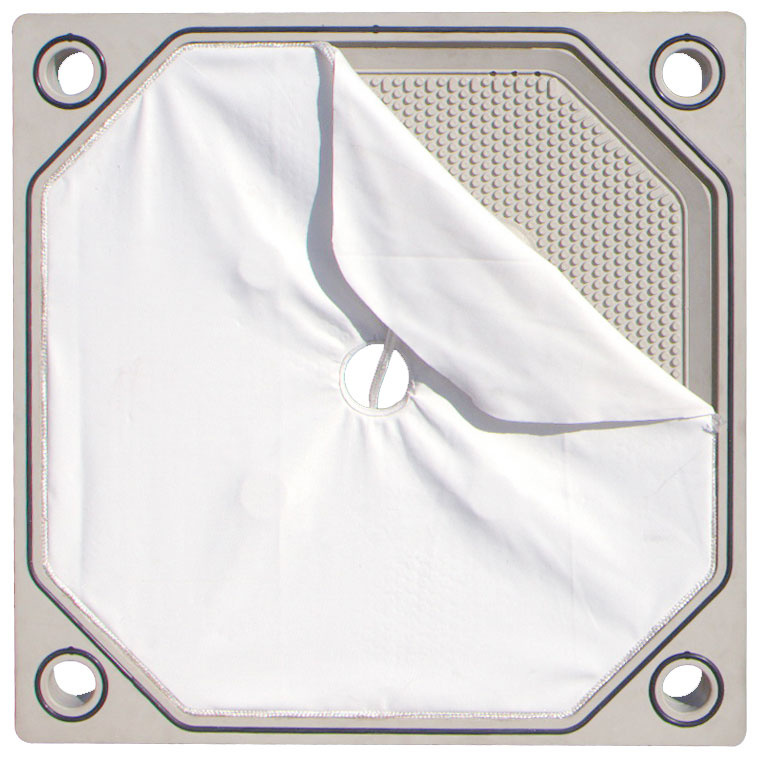
PP Filter Press Cloth
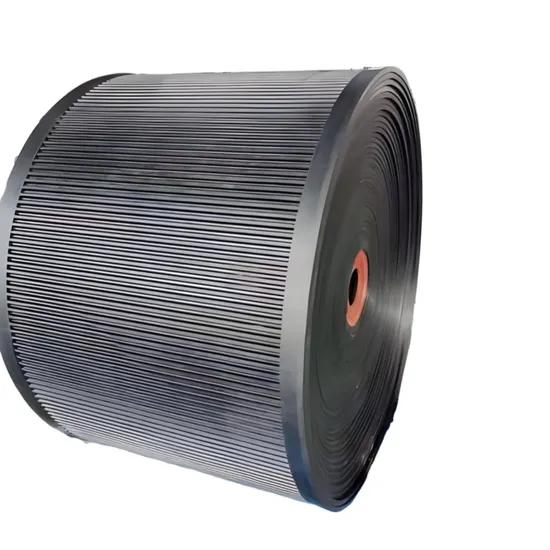
Rubber Filter Belt for Horizontal Vacuum Belt Filters

Ceramic Lagged Drive Pulley
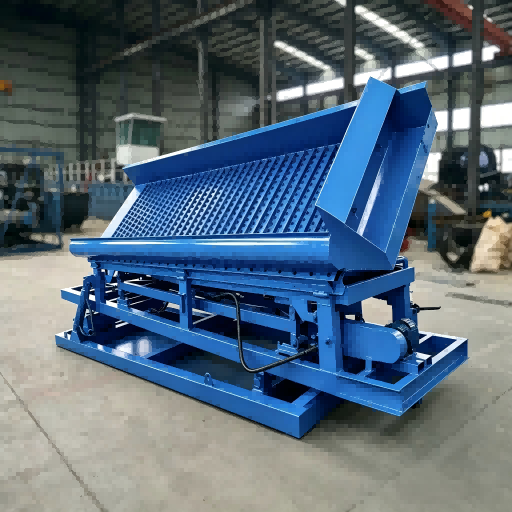
Vibrating Sluice Box
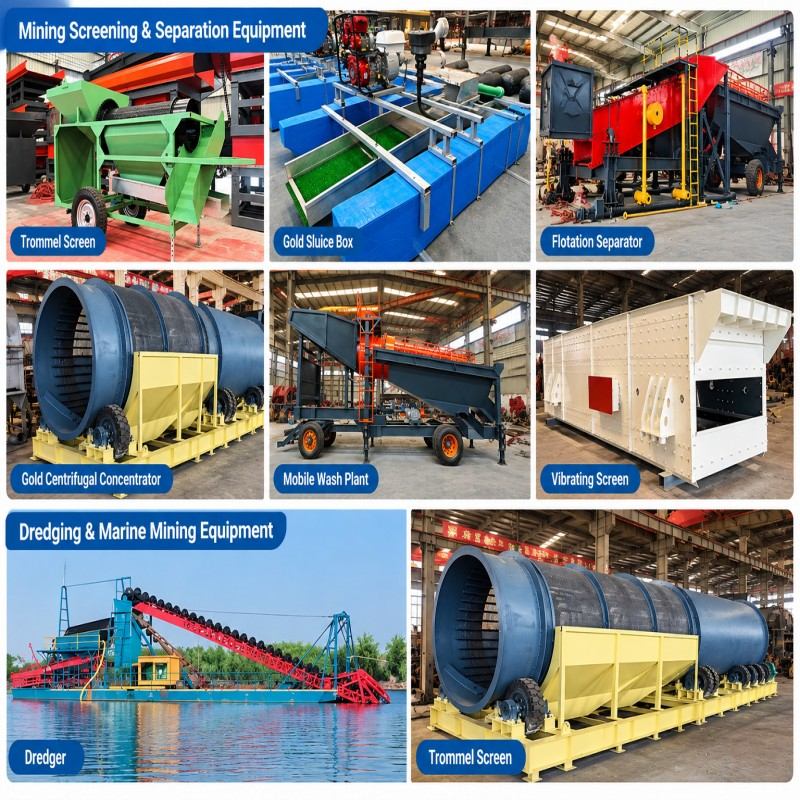
Compact Alluvial Gold Equipment
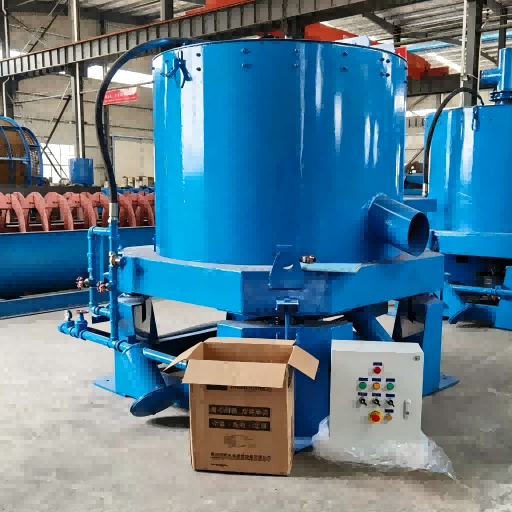
Centrifugal Gold Concentrator
Recent news
See Latest Service