
How Do I Choose the Right Rubber Belt for a Vacuum Belt Filter?
-
 admin
admin - 16 Sep, 2026
What Is a Vacuum Belt Filter Rubber Belt?
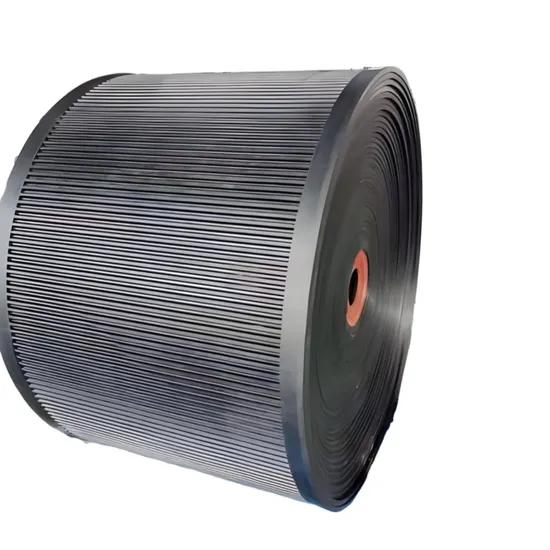
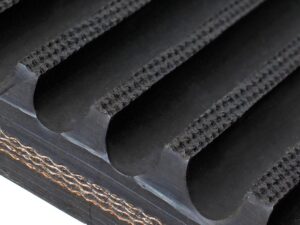
A vacuum belt filter rubber belt is the endless drainage belt that supports the filter cloth, transports filtrate to the vacuum box, maintains vacuum sealing, and discharges the filter cake. The correct belt must match slurry chemistry, temperature, abrasiveness, machine geometry, drainage requirements, and maintenance strategy—not simply be the thickest or hardest available.

Key Takeaways
-
Rubber compound must be selected from actual pH, chemicals, temperature, and cleaning conditions.
-
Belt width, endless length, thickness, groove pattern, and drainage-hole layout must match equipment drawings.
-
Abrasion resistance and flex-fatigue resistance are as important as hardness in mining slurries.
-
Endless vulcanized belts and field-spliced belts suit different installation and maintenance strategies.
-
Supplier comparison should use measurable technical criteria, not price alone.
Summary Table
| Item | Description |
|---|---|
| Function | Supports filter cloth, transports filtrate, maintains vacuum sealing, discharges cake |
| Material | EPDM, NBR, neoprene, natural rubber, polyurethane, special compounds |
| Application | Mining slurries, tailings dewatering, chemical filtration, washing circuits |
| Key Specifications | Width, endless length, thickness, groove pattern, drainage holes, curbs, reinforcement |
| Critical Performance | Abrasion resistance, flex-fatigue resistance, chemical resistance, dimensional stability |
| Joining Method | Endless vulcanized belt or field splicing |
| Procurement Focus | Drawings, existing belt dimensions, process data, failure history, quality control |
Definition
A vacuum belt filter rubber belt is the endless rubber drainage belt used on a vacuum belt filter. It supports the filter cloth, receives filtrate through surface grooves and drainage holes, seals against the vacuum box, and discharges the filter cake at the end of the filtration cycle. In mining and mineral processing, it is a wear-critical component in the FILTRATION stage, positioned after DEWATERING and before tailings handling.
Working Principle
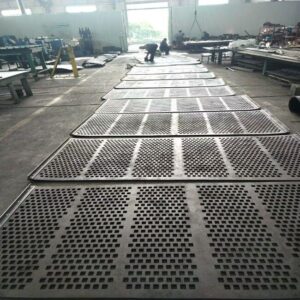
The rubber belt moves continuously around rollers and pulleys. Slurry is fed onto the filter cloth, which sits on top of the belt. Vacuum is applied through the vacuum box, pulling filtrate through the cloth, into the belt grooves, through the drainage holes, and into the vacuum system. The filter cake forms on the cloth and is discharged at the end of the belt. The belt must simultaneously seal vacuum, support the cloth, transport filtrate, and resist abrasion, chemical attack, and repeated bending.
Benefits
-
Reliable filtrate drainage and stable vacuum conditions
-
Consistent cake moisture and cake release
-
Reduced downtime when dimensions and materials are correct
-
Longer service life when abrasion and flex fatigue are addressed
-
Better total cost of ownership through correct specification
Applications
-
Mining and mineral-processing slurries
-
Tailings dewatering and dry discharge circuits
-
Chemical and industrial filtration
-
Washing and counter-current washing stages
-
Plants also running DEWATERING HYDROCYCLONES or THICKENERS upstream
Material Comparison
| Material | Chemical Resistance | Abrasion Resistance | Temperature Range | Best Application |
|---|---|---|---|---|
| EPDM | Good against water, steam, many aqueous chemicals | Moderate | Moderate to high | Hot water, steam, aqueous filtration |
| NBR | Good against oils and hydrocarbons | Moderate | Moderate | Oil-containing slurries |
| Neoprene | Good against oils, weather, moderate chemicals | Moderate to good | Moderate | Mixed chemical and outdoor duty |
| Natural Rubber | Moderate chemical resistance | Excellent | Moderate | Highly abrasive slurries |
| Polyurethane | Good chemical resistance | Excellent | Moderate | Abrasive mineral slurries |
| Special Compounds | Application-specific | Application-specific | Application-specific | Aggressive chemical or thermal duty |
Application Comparison
| Application | Recommended Focus |
|---|---|
| Abrasive mineral slurry | High abrasion resistance, flex-fatigue resistance, reinforcement |
| Hot water or steam | EPDM or suitable high-temperature compound |
| Oil-containing slurry | NBR or oil-resistant compound |
| Chemical filtration | Chemical compatibility testing, compound verification |
| High-throughput dewatering | Groove and drainage-hole capacity, vacuum sealing |
Industry Application Matrix
| Industry | Typical Ore / Material | Key Belt Concern |
|---|---|---|
| Gold | Gold ore, tailings | Abrasion, chemical attack from reagents |
| Copper | Copper ore, concentrate | Abrasion, acidic slurry |
| Iron Ore | Iron ore, tailings | Abrasion, heavy loading |
| Coal | Coal, fine coal | Chemical compatibility, wear |
| Lithium | Lithium ore, concentrate | Chemical attack, temperature |
| Silica Sand | Silica sand, slurry | Abrasion, drainage capacity |
| Lead Zinc | Lead zinc ore, tailings | Abrasion, chemical exposure |
| Phosphate | Phosphate ore, slurry | Chemical compatibility, wear |
| Rare Earth | Rare earth ore, slurry | Chemical exposure, fine particles |
Selection Guide
-
Define slurry chemistry: pH, acids, alkalis, salts, oils, solvents, surfactants, flotation reagents, cleaning chemicals.
-
Define temperature: normal operating and cleaning temperatures.
-
Define abrasion: particle size, shape, hardness, solids concentration.
-
Define dimensions: belt width, endless length, thickness, tolerances.
-
Define drainage: groove geometry, hole diameter, spacing, open area.
-
Define mechanical duty: reinforcement, tensile strength, elongation, flex fatigue.
-
Define tracking: guides, edges, pulleys, rollers, tracking mechanism.
-
Define vacuum sealing: vacuum box or support deck compatibility.
-
Define joining method: endless vulcanization or field splicing.
-
Define supplier capability: technical support, quality control, testing.
Procurement Guide
Required Information
-
Vacuum belt filter manufacturer and model
-
Equipment drawings
-
Existing belt dimensions and photos
-
Belt width, endless length, thickness
-
Groove pattern and drainage-hole layout
-
Curb dimensions and splice requirements
-
Slurry composition, pH, temperature, wash-water rate, operating hours
-
Reason for replacement and observed failure mode
Drawings Needed
-
General arrangement of the vacuum belt filter
-
Belt cross-section with groove and curb details
-
Drainage-hole pattern drawing
-
Pulley and roller layout
-
Vacuum box interface drawing
OEM Part Numbers
Provide the original belt part number if available, but do not rely on it alone. Verify actual dimensions against the machine.
Material Selection
Confirm compound type, hardness, tensile strength, elongation, abrasion resistance, and reinforcement based on the actual duty.
MOQ
Minimum order quantity depends on belt size, compound, and tooling. Confirm with the supplier before standardizing.
Lead Time
Lead time depends on belt length, compound availability, tooling, and whether the belt is endless vulcanized or field spliced.
Packaging
Belts should be packed to avoid kinking, edge damage, and groove deformation during transport.
Shipping Method
Long belts may require special crating or roll packaging. Confirm shipping method and unloading requirements.
Inspection Standards
Check dimensions, hardness, groove geometry, drainage-hole layout, curb bonding, splice quality, and surface finish.
Supplier Evaluation Checklist
-
Can the supplier manufacture according to drawings?
-
Can the supplier provide material reports?
-
Can the supplier support OEM replacement?
-
Does the supplier have export experience?
-
Can the supplier provide wear-life recommendations?
Failure Analysis
| Problem | Possible Cause | Recommended Solution |
|---|---|---|
| Premature wear | Abrasive slurry, wrong compound | Select abrasion-resistant compound, review groove and curb design |
| Cracking | Flex fatigue, high temperature, chemical attack | Review compound, temperature rating, reinforcement, roller diameter |
| Blinding | Filter cloth issue, not belt | Inspect filter cloth, washing system, slurry condition |
| Pegging | Particle shape, groove design | Review groove geometry and drainage-hole layout |
| Low efficiency | Poor drainage, vacuum leakage | Check groove, holes, vacuum box sealing, belt tracking |
| Excessive downtime | Poor fitment, wrong dimensions | Verify dimensions against drawings before ordering |
| Poor fitment | Incorrect width, length, thickness | Re-measure existing belt, request dimensional verification |
| Material mismatch | Chemical incompatibility | Conduct chemical compatibility review with supplier |
| Installation failure | Incorrect splicing or tension | Follow supplier splicing procedure, verify tension |
Maintenance Guide
Daily Inspection
-
Check belt tracking and edge condition
-
Check vacuum level and filtrate flow
-
Check for visible cracking, groove wear, or blockage
Weekly Inspection
-
Inspect drainage holes for plugging
-
Check curb condition and bonding
-
Check filter cloth condition and cake release
Monthly Inspection
-
Measure wear on grooves, edges, and curbs
-
Check splice condition and reinforcement
-
Review vacuum performance and cake moisture
Wear Pattern Monitoring
-
Record wear locations and rate
-
Correlate with slurry changes and operating hours
-
Adjust maintenance or material selection accordingly
Replacement Timing
-
Replace when wear reaches safe limit
-
Replace when vacuum sealing is no longer reliable
-
Replace when cracking or delamination is observed
Spare Parts Inventory
-
Keep critical belt, filter cloth, and splice materials
-
Coordinate with FILTER PLATES & CLOTHS supply
Downtime Reduction
-
Standardize dimensions and documentation
-
Keep verified drawings and photos
-
Use preventive maintenance schedule
Case Study
Case Study
Customer Type: Base metal concentrator
Ore Type: Copper ore tailings
Operating Conditions: Abrasive slurry, moderate acidity, continuous operation, vacuum belt filter dewatering
Problem: Repeated groove wear and edge cracking within a short service interval
Solution: Reviewed slurry chemistry, abrasion level, and machine geometry; selected a more abrasion-resistant compound, adjusted groove and drainage-hole design, verified belt dimensions against drawings, and improved tracking alignment
Result: Longer stable operation, fewer unplanned stoppages, improved vacuum stability and cake consistency
FAQ
Question: How much does a vacuum belt filter rubber belt cost?
Answer: Price depends on belt width, endless length, thickness, rubber compound, groove pattern, drainage-hole layout, curb structure, reinforcement, and quantity. A technically correct belt often costs more upfront but reduces downtime and replacement frequency. Always compare total cost of ownership, not unit price alone.
Question: Which rubber material is best for my slurry?
Answer: There is no single best material. EPDM suits hot water and many aqueous chemicals, NBR suits oil exposure, natural rubber and polyurethane suit abrasive slurries, and special compounds suit aggressive chemical duty. The supplier should evaluate concentration, pH, temperature, and exposure time together.
Question: How do I install a vacuum belt filter rubber belt?
Answer: Installation depends on whether the belt is endless vulcanized or field spliced. Follow the supplier’s splicing procedure, verify tension and tracking, and check vacuum sealing before production. Incorrect installation is a common cause of premature failure.
Question: What is the expected service life?
Answer: Service life depends on slurry abrasiveness, chemical environment, temperature, belt speed, vacuum level, and maintenance. In abrasive mining duty, life can vary significantly. Correct material and groove design, plus tracking and vacuum control, usually extend service life.
Question: How often should I maintain the belt?
Answer: Inspect daily for tracking, vacuum, and visible damage; weekly for drainage holes, curbs, and cloth condition; monthly for wear measurement, splice condition, and vacuum performance. Record wear patterns to support replacement planning.
Question: Is OEM compatibility important?
Answer: Yes. The belt must match the vacuum belt filter geometry, vacuum box, rollers, pulleys, and tracking system. OEM-compatible dimensions and drawings reduce fitment risk and improve reliability.
Question: How do I reduce procurement risk?
Answer: Provide complete drawings, existing belt dimensions, process data, and failure history. Ask for material reports, dimensional verification, and references. Compare suppliers on technical criteria, quality control, and application support.
Question: Can HUATAO supply related wear parts?
Answer: Yes. HUATAO supplies screen media and mining wear parts, including polyurethane screen panels, rubber screen panels, high-frequency screen media, dewatering screen panels, flip-flow screen media, and wedge wire screens. The same application-focused approach applies to filtration and screening circuits.
Conclusion
The right vacuum belt filter rubber belt is the one that matches your slurry, machine, and maintenance strategy. It must provide chemical resistance, abrasion resistance, mechanical strength, drainage performance, dimensional stability, vacuum compatibility, and long-term reliability. In the wider flowsheet, it connects DEWATERING with TAILINGS DRY DISCHARGE SYSTEMS, and it often works alongside FILTER PRESSES and CERAMIC FILTER PLATES. For mining and mineral-processing operations, complete process and equipment information is the most effective way to avoid premature belt failure.
Related Articles
Related Products
Related Technical Guides
-
HYDROCYCLONE WEAR: ROOT CAUSES, HIGH-WEAR ZONES & MATERIAL SOLUTIONS
-
IMPROVE FINE SCREENING EFFICIENCY WITH POLYURETHANE SCREEN PANELS
-
FLOTATION CELL ROTOR AND STATOR WEAR PARTS: HOW THEY CONTROL RECOVERY, FLOW AND MAINTENANCE COST
-
ROTOR & STATOR IN MECHANICAL FLOTATION CELLS: THE HEART OF EFFICIENT MINERAL FLOTATION
Related Buyer Guides
-
HOW DO I CHOOSE THE RIGHT RUBBER BELT FOR A VACUUM BELT FILTER?
-
WHICH MANUFACTURER OFFERS HIGH-QUALITY POLYURETHANE TUFFLEX WIRE SCREENS FOR MINING?
Related Comparison Articles
-
POLYURETHANE SCREEN VS RUBBER SCREEN VS WIRE MESH: A COMPLETE COMPARISON GUIDE
-
SELF-CLEANING SCREEN VS TRADITIONAL WOVEN WIRE MESH: WHICH ONE SHOULD YOU CHOOSE?
Contact
Annie Lu
Email: annie.lu@huataogroup.com
Mobile: +86 18032422676
WhatsApp / WeChat
 admin
admin
personal profile