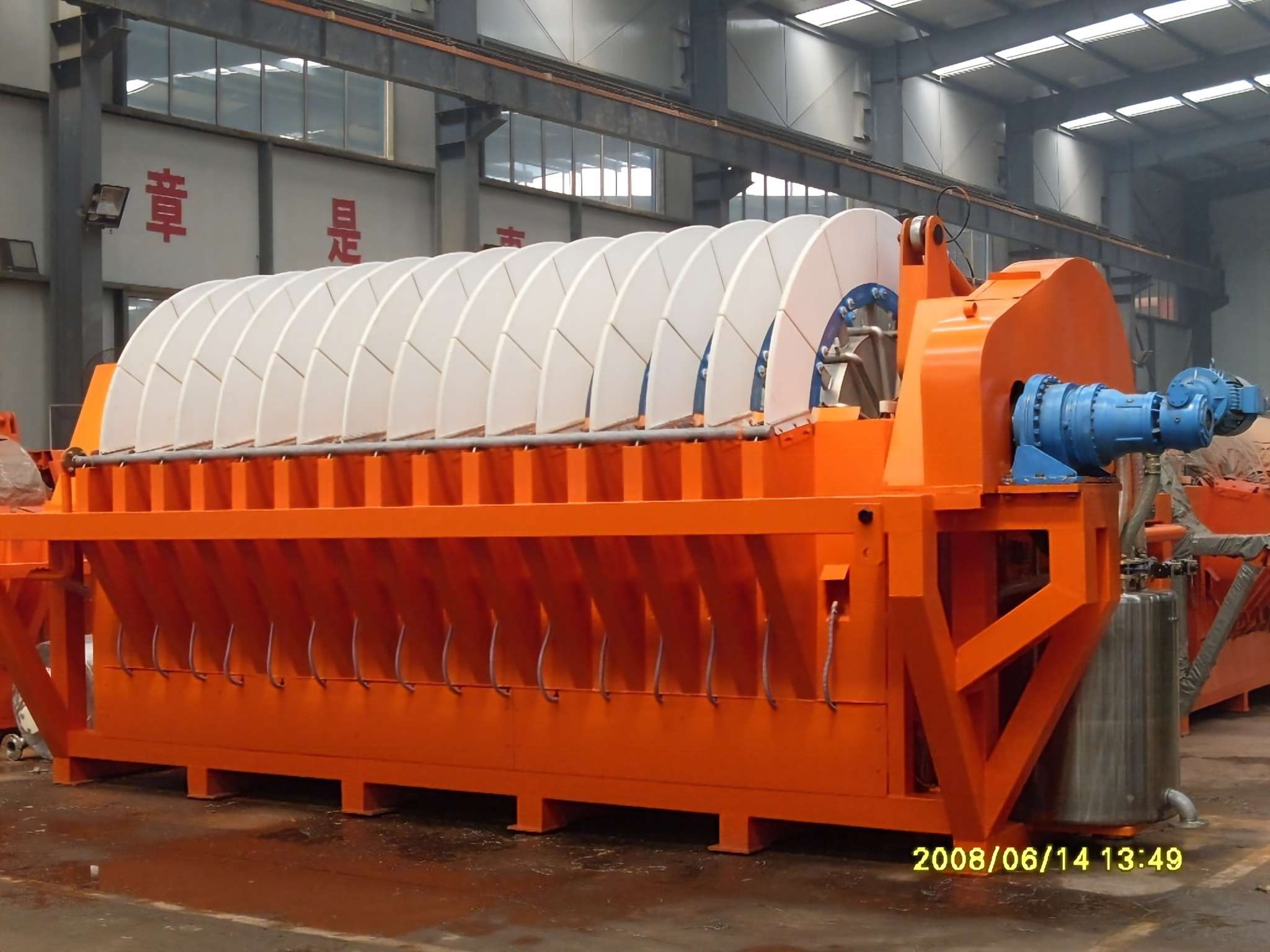
Ceramic Filter Plates & Sectors for Vacuum Disc Filters
- 01 1.Microporous Filtration — Controlled ceramic pores provide stable solid-liquid separation.
- 02 2.Low Cake Moisture — Capillary filtration improves concentrate dewatering performance.
- 03 3.Low Air Demand — Ceramic pores minimize air breakthrough during vacuum filtration.
- 04 4.Wear Resistant — Alumina ceramic withstands abrasive mineral slurry applications.
- 05 5.Replacement Ready — Custom sectors available for multiple ceramic disc filter systems.
-
Ceramic Filter Plates Description
Ceramic Filter Plates & Sectors for Vacuum Disc Filters
Product Overview
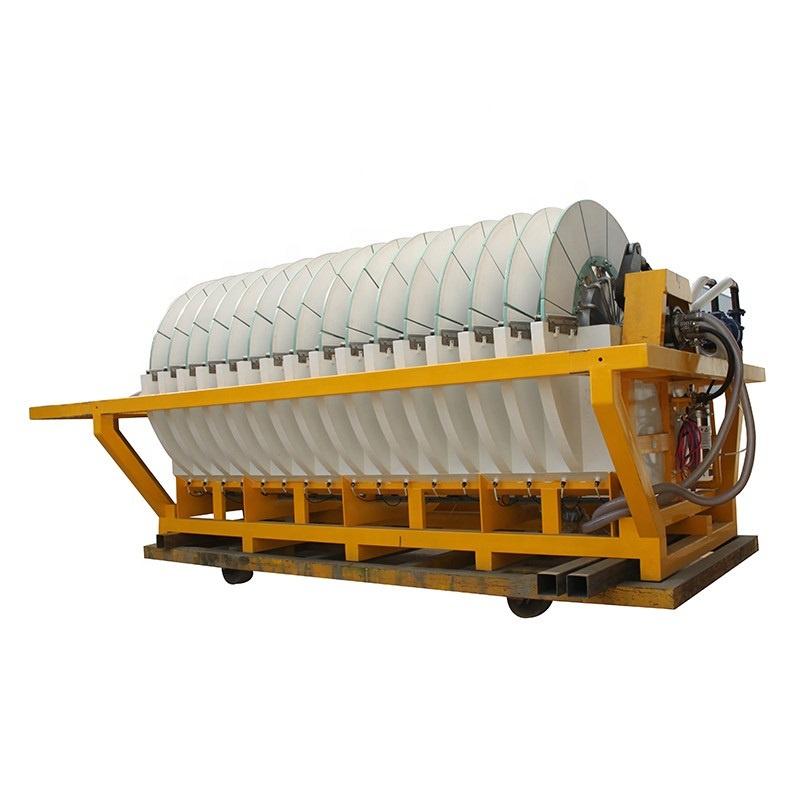
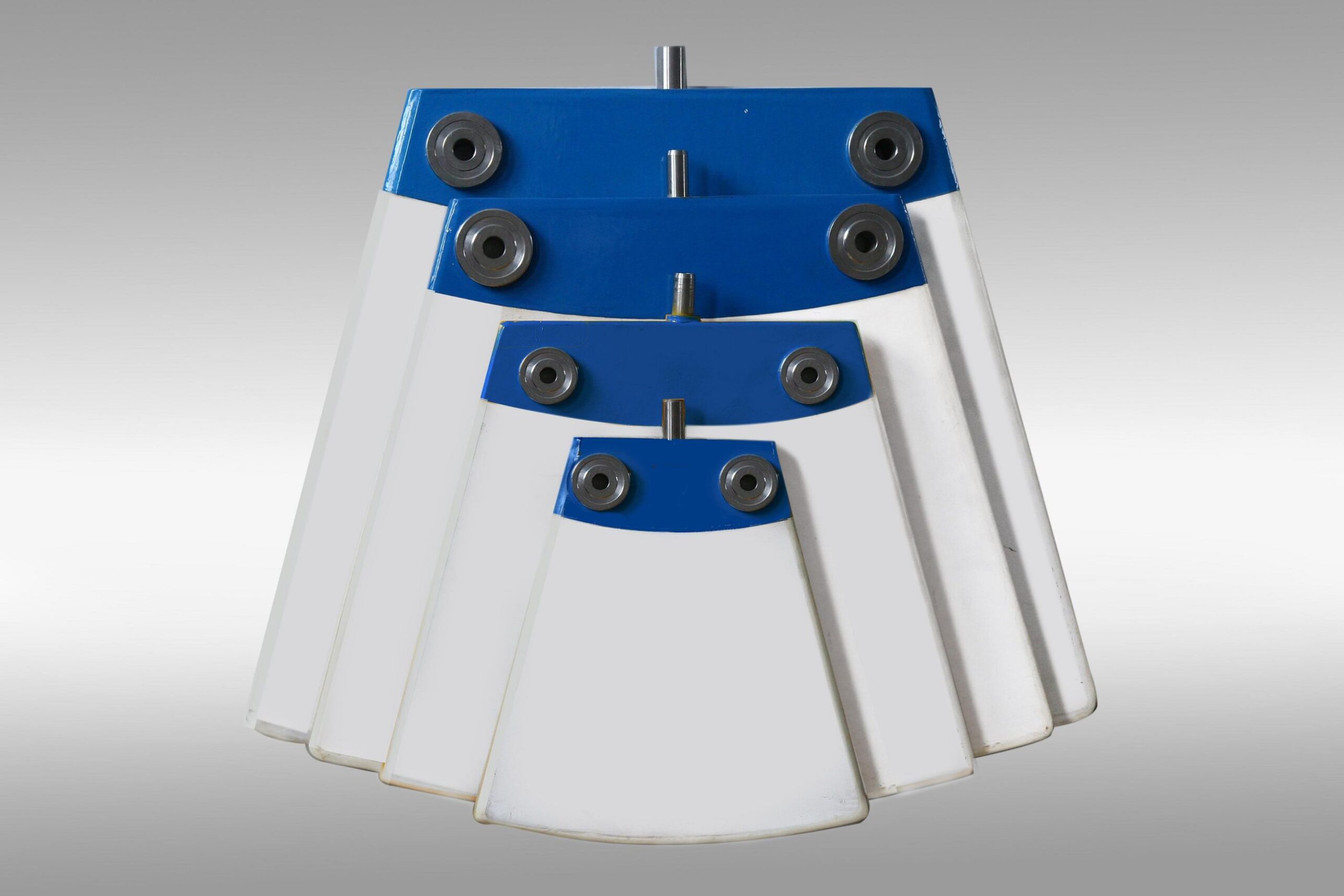
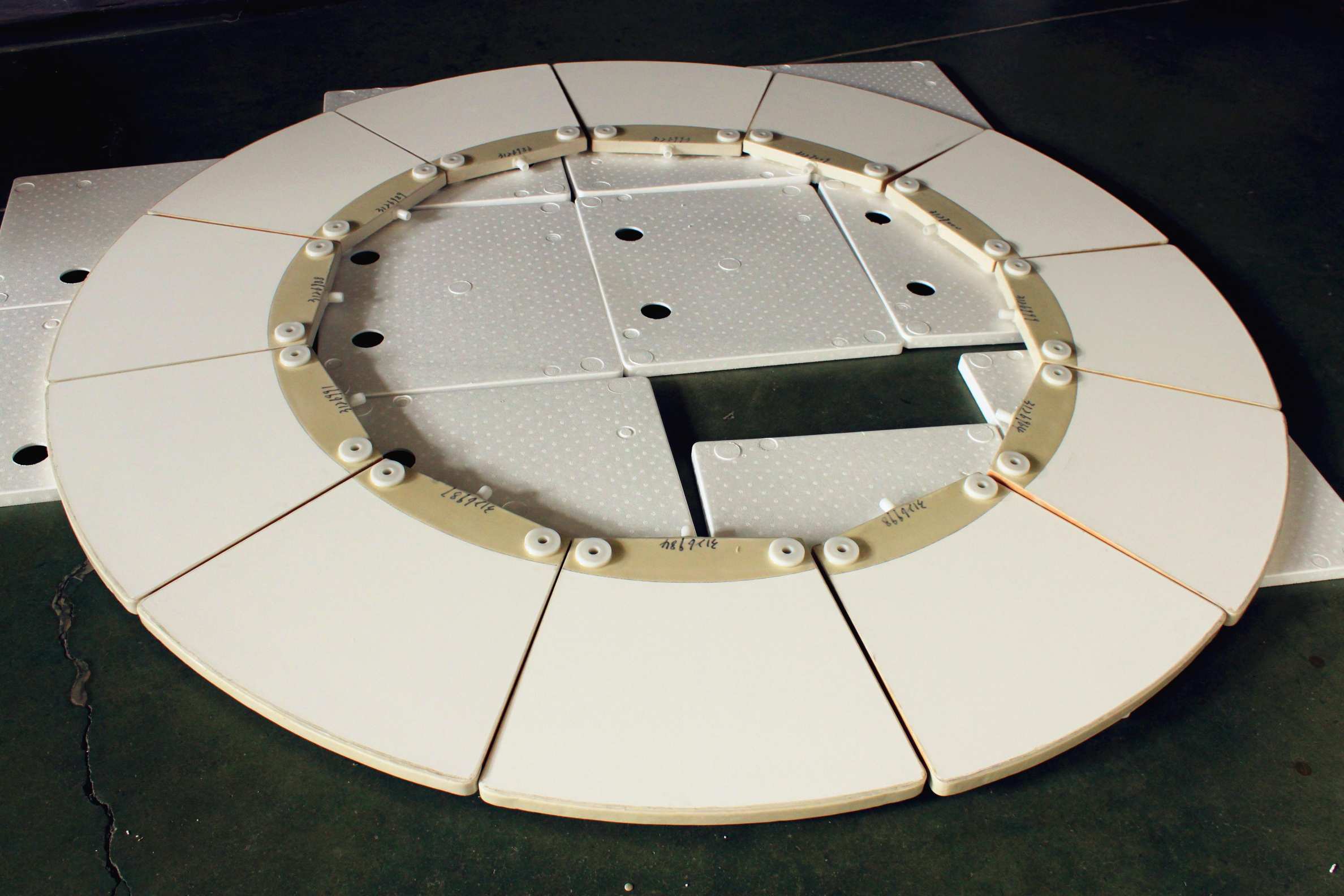
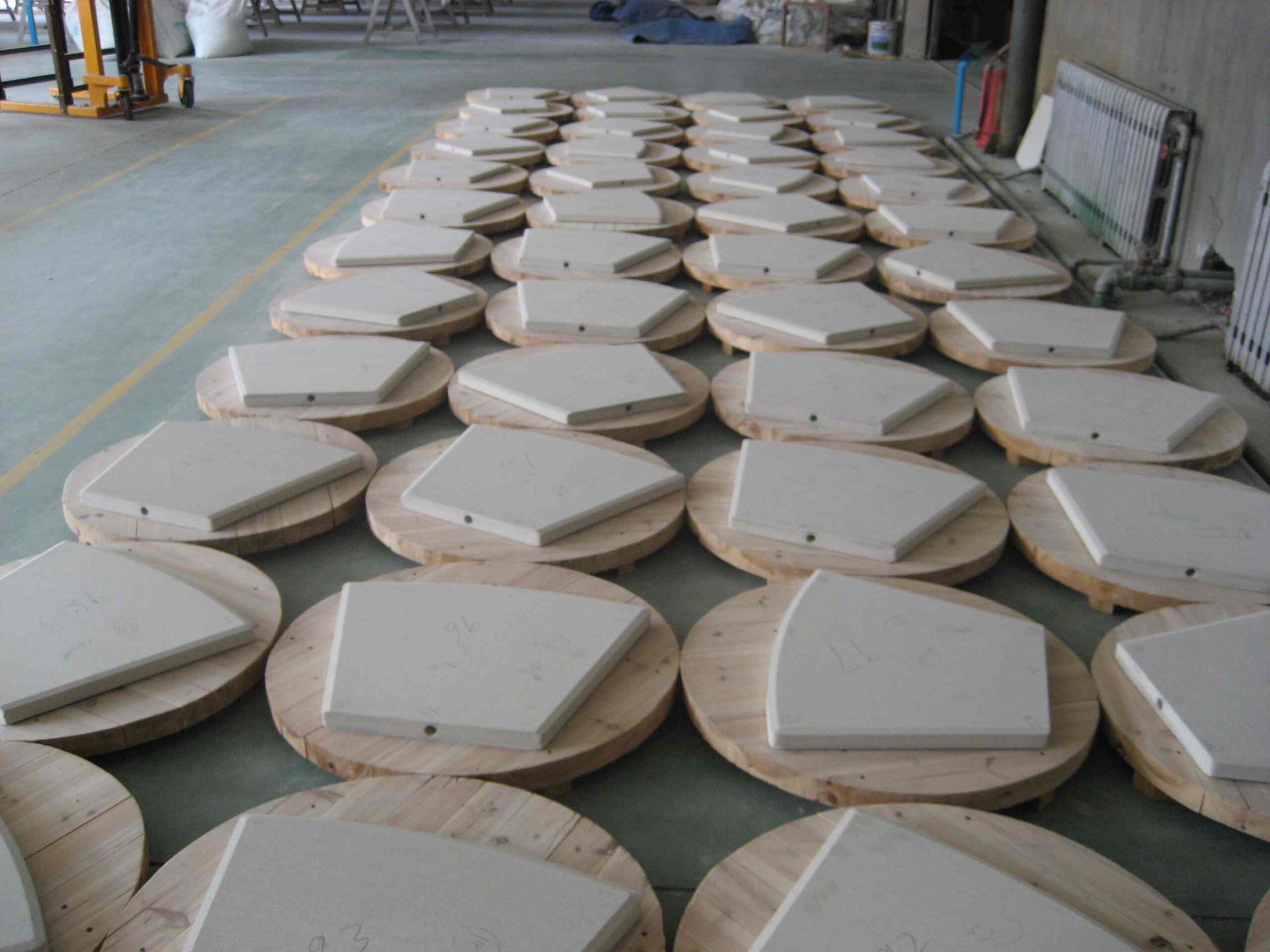
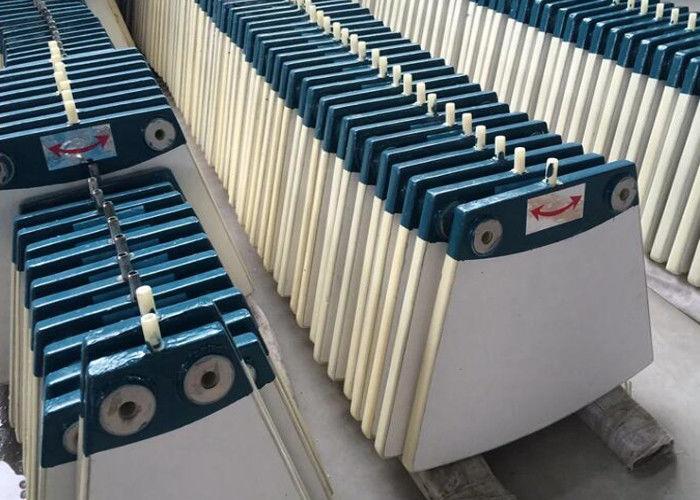
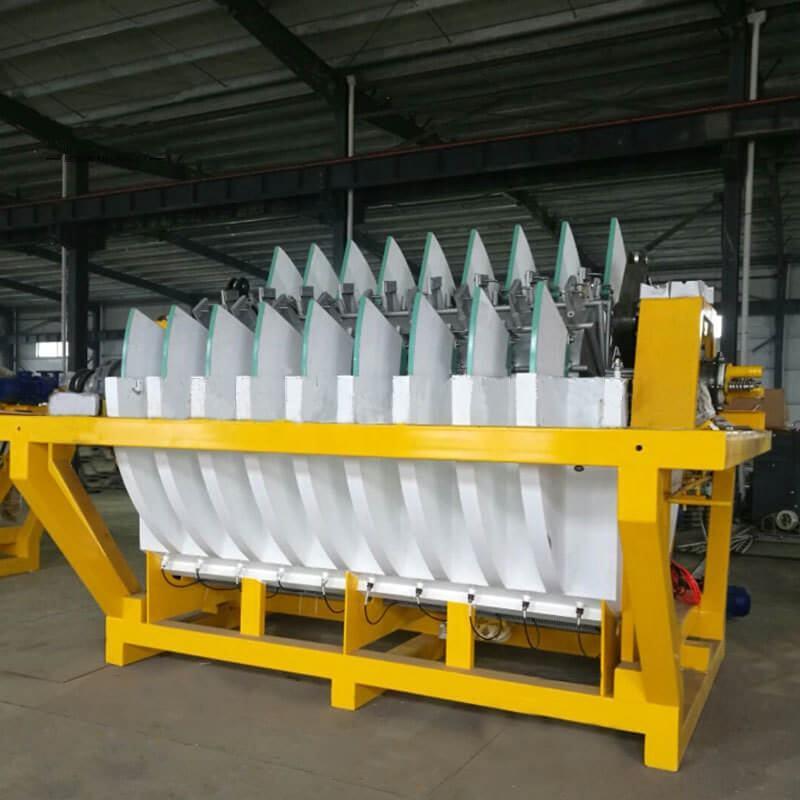
Ceramic Filter Plates, also known as Ceramic Filter Sectors, Ceramic Disc Sectors, Ceramic Filter Segments, or Ceramic Disc Filter Elements, are microporous filtration components designed for continuous solid-liquid separation in ceramic vacuum disc filters.
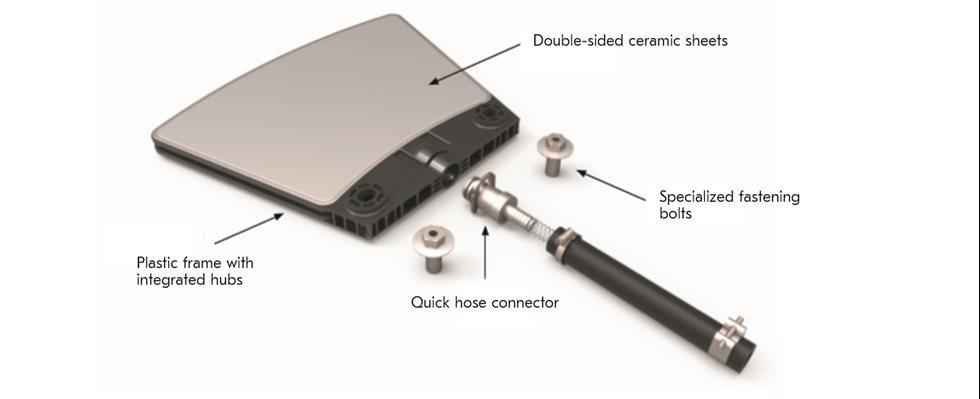
Manufactured from high-performance porous ceramic materials, these sector-shaped filter elements combine controlled micropore structure, mechanical strength, wear resistance, and chemical stability. During filtration, capillary action and vacuum pressure draw liquid through the ceramic membrane while solid particles remain on the surface to form a filter cake.
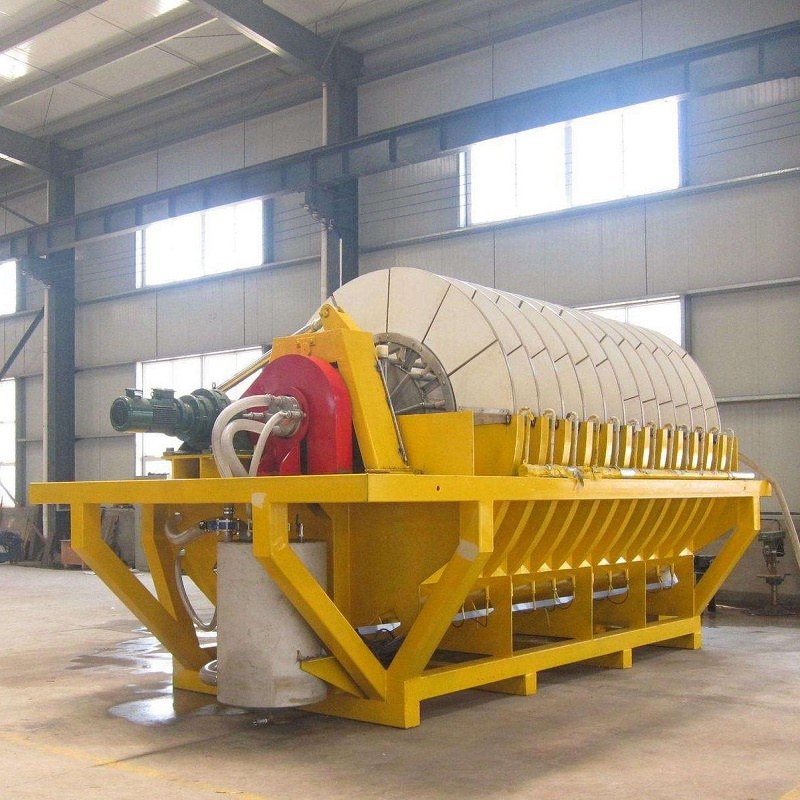
Compared with conventional filter cloth systems, microporous ceramic filter plates minimize air penetration through the filter medium. This allows ceramic disc filters to maintain efficient dewatering with relatively low air demand while producing clear filtrate and low-moisture filter cake.
Our Alumina Ceramic Filter Plates are designed for new filtration systems as well as replacement and maintenance applications. Different sector dimensions, pore structures, mounting interfaces, filtration characteristics, and connection designs can be supplied according to filter model and process conditions.
Replacement Ceramic Sectors for Disc Filters can also be developed for selected Metso, Outotec, Roxia and other ceramic vacuum filter configurations according to samples, drawings or dimensional data.
Applications
Ceramic filter sectors are particularly suitable for continuous dewatering of mineral concentrates and industrial slurries where stable filtration, low cake moisture and reliable operation are required.
Typical applications include:
- Iron ore concentrate dewatering
- Copper concentrate filtration
- Gold and precious-metal mineral processing
- Nickel, zinc and lead concentrate dewatering
- Non-ferrous and ferrous metallurgy
- Mineral beneficiation plants
- Tailings and process-water solid-liquid separation
- Chemical and petrochemical slurry filtration
- Industrial wastewater and environmental treatment
- Other fine-particle slurry dewatering processes
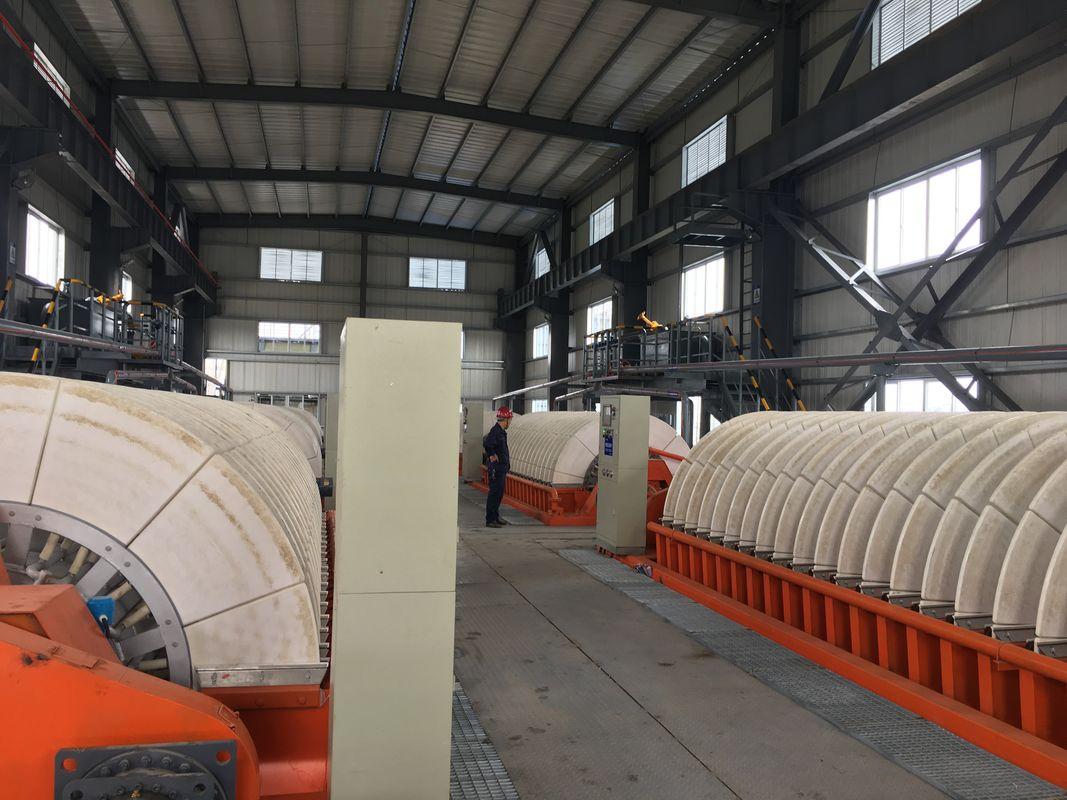
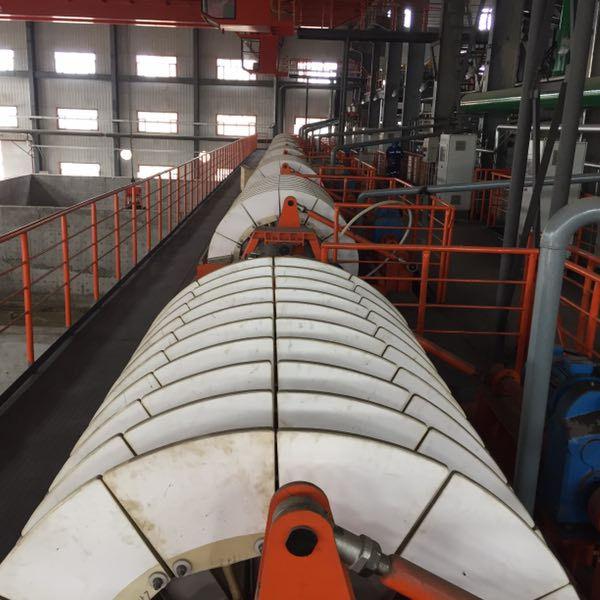
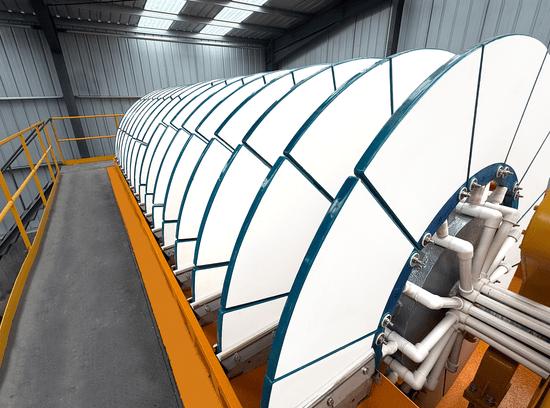
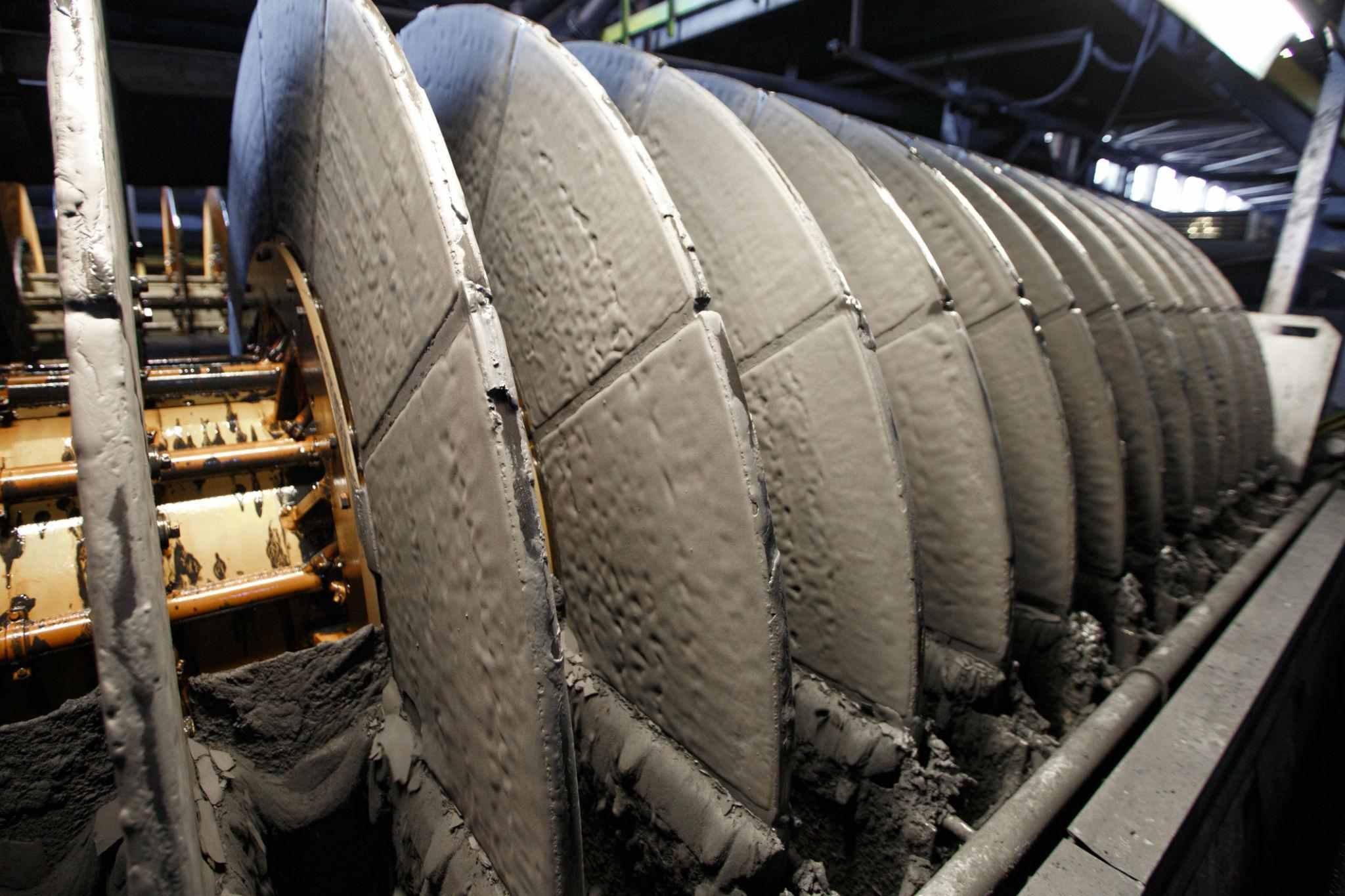
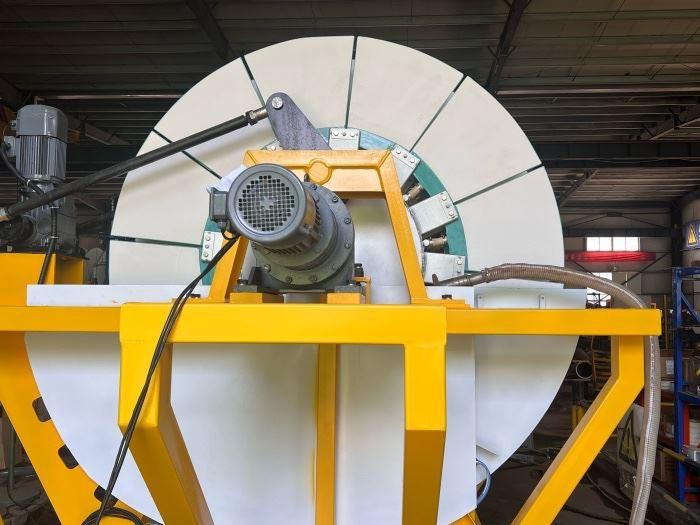
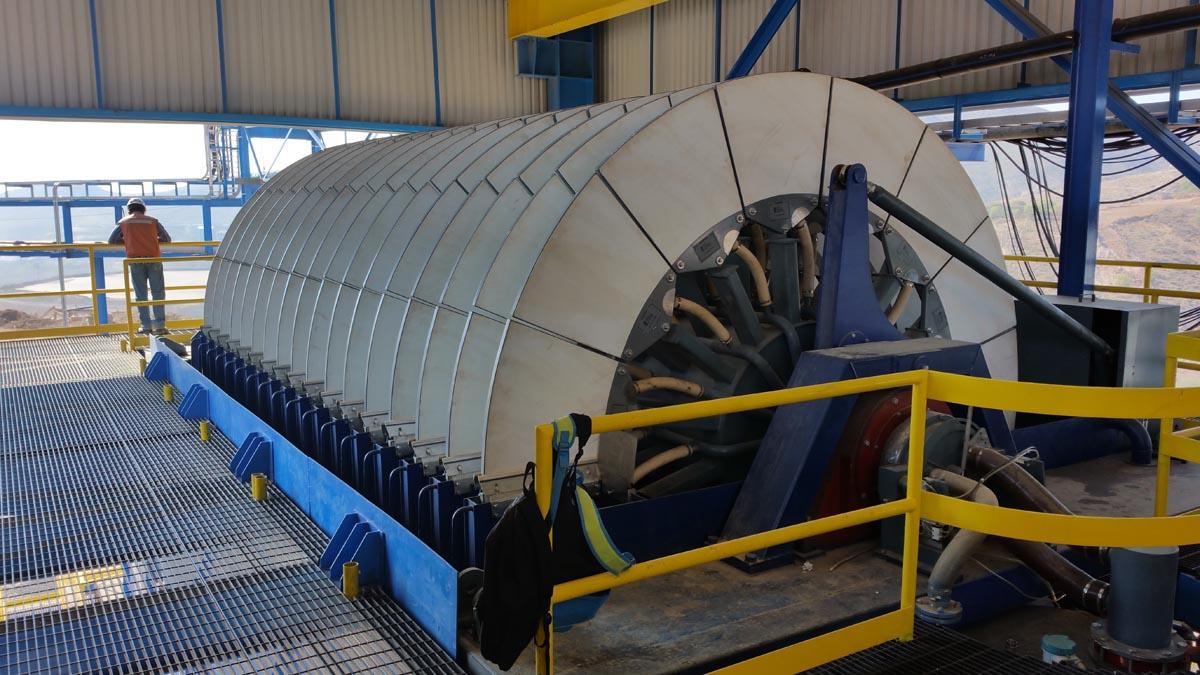
In mining concentrators, Mining Dewatering Filter Plates are normally installed as individual sectors around the rotating disc. Multiple ceramic sectors form a complete filtration disc, allowing individual damaged or worn elements to be replaced without replacing the entire disc assembly.
How Ceramic Filter Plates Work
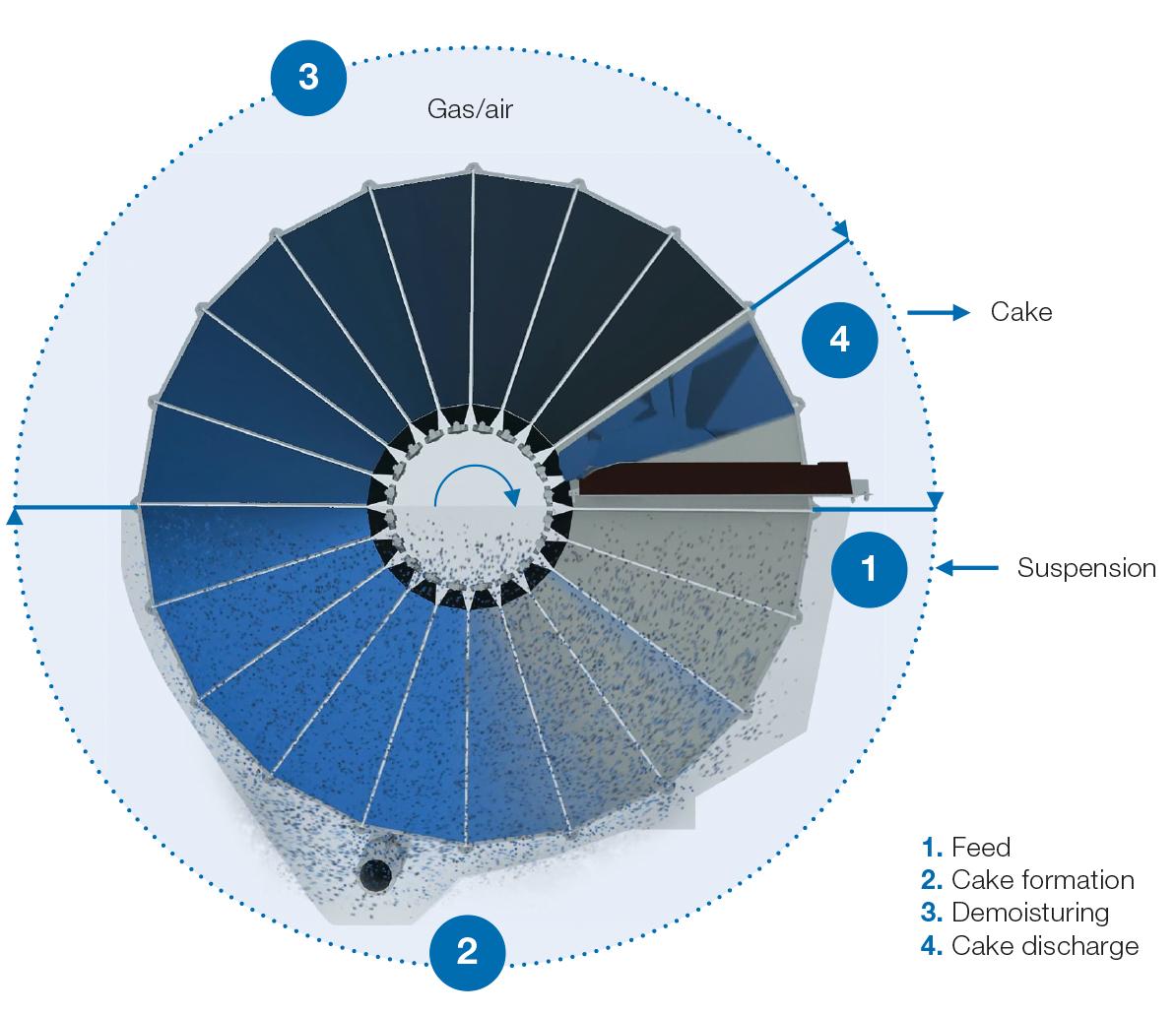
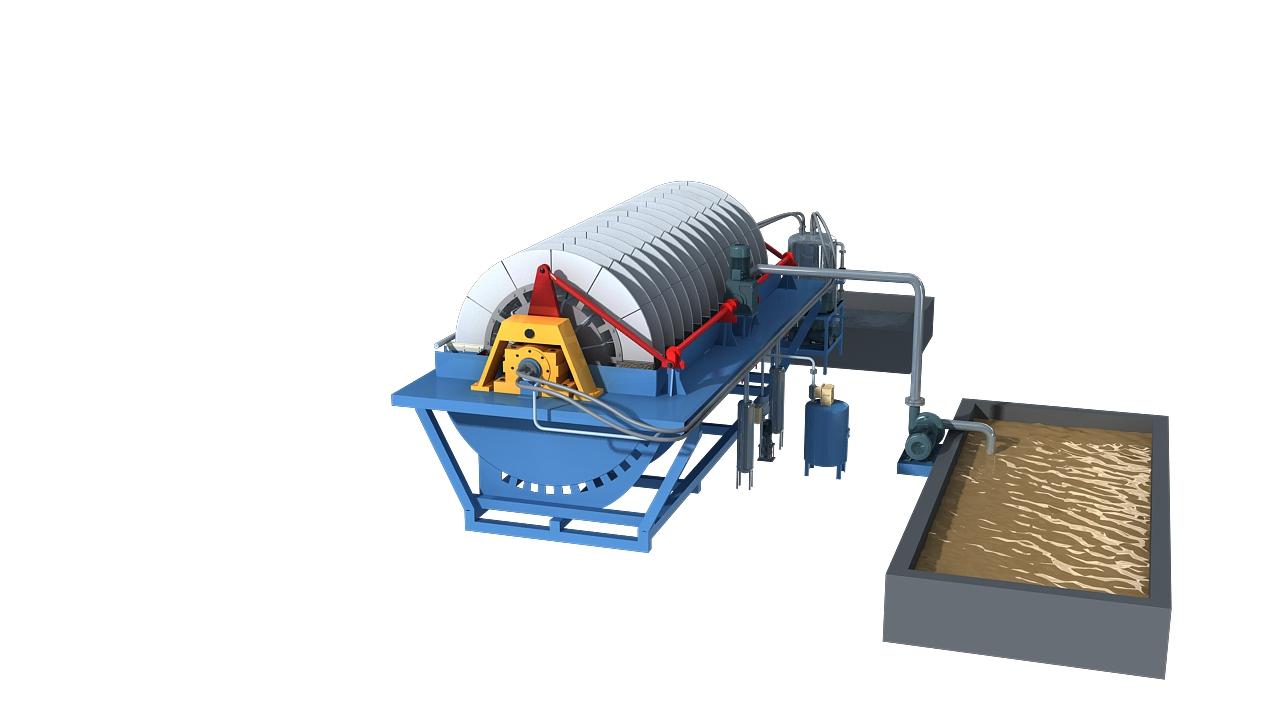
When the ceramic disc rotates through the slurry tank, the microporous ceramic membrane plate is immersed in the feed slurry. Vacuum pressure and the capillary force generated by the fine ceramic pores draw liquid through the plate while retaining solids on the outer filtration surface.
The filtration cycle normally includes four stages:
1. Cake Formation
Liquid passes through the microporous ceramic structure while solid particles accumulate on the plate surface and form a uniform filter cake.
2. Cake Dewatering
As the ceramic sector rotates above the slurry level, continuous vacuum and capillary action remove additional moisture from the cake.
3. Cake Discharge
A scraper removes the dewatered cake from the ceramic plate surface while avoiding unnecessary contact or damage to the ceramic membrane.
4. Plate Regeneration
Backwashing removes residual particles from the micropores. Depending on the filter system and slurry characteristics, periodic chemical and ultrasonic cleaning may also be used to restore permeability.
This continuous filtration cycle makes ceramic disc technology especially suitable for high-throughput mineral processing operations requiring stable moisture control.
Key Advantages
Low Cake Moisture
The controlled microporous structure and capillary filtration mechanism support effective removal of free moisture from mineral concentrates, helping downstream handling, transportation, stockpiling and further processing.
Low Air Consumption
Fine ceramic pores allow liquid to pass while significantly limiting air breakthrough. This is one of the major reasons ceramic disc filtration can operate with lower vacuum air demand than conventional cloth-based vacuum filtration systems.
Clear Filtrate
Uniform micropores provide effective solid-liquid separation and help produce clean filtrate suitable for recycling back into mineral processing circuits, depending on process requirements.
Excellent Wear & Corrosion Resistance
Selected alumina-based ceramic materials provide good resistance to abrasive mineral slurries and many chemically aggressive process environments.
Stable Filtration Performance
Controlled pore distribution provides consistent permeability across the filtration surface, supporting stable cake formation and repeatable filtration performance.
Regenerable Filter Media
Ceramic plates can be cleaned by backwashing and, where the equipment permits, ultrasonic and chemical cleaning, helping restore permeability and extend service intervals.
Replaceable Sector Design
The segmented disc structure allows individual Ceramic Filter Sectors to be replaced during maintenance, reducing the need to replace a complete filtration disc.
Typical Technical Specifications
| Item | Typical / Available Specification |
|---|---|
| Product | Ceramic Filter Plate / Ceramic Filter Sector |
| Structure | Sector-shaped microporous filter element |
| Material | Alumina ceramic / porous ceramic |
| Filtration Mechanism | Vacuum + capillary action |
| Typical Pore Size | Approx. 0.5–2 μm or customized |
| Typical Thickness | Approx. 25–32 mm |
| Filtration Surface | Microporous ceramic membrane |
| Chemical Resistance | Good acid and alkali resistance |
| Cleaning | Backwash / chemical / ultrasonic cleaning |
| Installation | Disc sector assembly |
| Customization | Size, pore structure and interface available |
| Application | Mining, metallurgy, chemical and industrial dewatering |
Note: Actual pore size, permeability, dimensions and filtration performance should be selected according to slurry properties and the original filter specification rather than by nominal dimensions alone.
Replacement Ceramic Filter Sectors
We supply Ceramic Plate Vacuum Filter Spares for maintenance and replacement projects. Ceramic sectors can be manufactured or selected according to the existing filter plate, drawing, equipment model or operating parameters.
Replacement solutions may be available for selected:
- Metso ceramic disc filters
- Outotec ceramic filters
- Roxia ceramic disc filters
- Hybrid CC filter plate applications
- Other ceramic vacuum disc filter systems
For replacement projects, dimensional interchangeability alone is not sufficient. Filtration area, pore structure, permeability, plate thickness, outlet geometry, sealing interface and mounting arrangement should also be checked before production.
Selecting the Correct Ceramic Filter Plate
The performance of a ceramic sector depends strongly on the characteristics of the slurry being filtered. For a new application, we recommend evaluating particle-size distribution, solids concentration, slurry chemistry, required cake moisture and filtration capacity before selecting the ceramic element.
For an existing filter, the fastest method is normally to provide the filter manufacturer, equipment model, ceramic sector model and original plate dimensions.
If the original part number is unavailable, a drawing or clear photographs with key dimensions can be used for preliminary identification.
RFQ – Information Required
To recommend the correct Ceramic Disc Filter Elements, please provide as much of the following information as possible:
- Filter manufacturer and equipment model
- Existing ceramic plate / sector model or part number
- Plate dimensions or technical drawing
- Required quantity
- Filter disc diameter and filtration area, if available
- Slurry or mineral being processed
- Feed solids concentration (%)
- Particle-size distribution or D80
- Slurry pH and operating temperature
- Required cake moisture (%)
- Required filtration capacity
- Existing plate pore size or permeability, if known
- Photos of the existing ceramic filter sector and mounting connection
For replacement projects, providing front, back, side and connection-area photographs of the existing ceramic sector can significantly improve identification accuracy.
Custom Ceramic Filter Plate Solutions
Different mineral concentrates can behave very differently during ceramic filtration. A ceramic sector suitable for iron ore may not provide the same filtration performance when used for copper, nickel, zinc or other fine mineral slurries.
For this reason, ceramic filter plate selection should consider not only dimensions but also pore structure, permeability, slurry particle size, solids concentration, filtration rate and target cake moisture.
Whether you require Ceramic Filter Plates, Ceramic Filter Sectors, Ceramic Disc Sectors, Ceramic Filter Segments, Disc Filter Spare Parts or replacement filter plates for existing ceramic vacuum filters, customized solutions can be developed based on your equipment and actual operating conditions.
Products
PP Filter Press Cloth
Rubber Filter Belt for Horizontal Vacuum Belt Filters

Ceramic Lagged Drive Pulley
Vibrating Sluice Box
Compact Alluvial Gold Equipment
Centrifugal Gold Concentrator
Recent news
See Latest Service