How Often Should I Replace Hydrocyclone Liners?
Oct 20, 2026
 admin
You can extend filter press filter cloth life by matching the cloth to the actual slurry chemistry and abrasiveness, installing it flat and wrinkle-free, starting feed pressure gradually, removing cake with non-metal tools, cleaning before severe blockage, and replacing damaged cloth promptly.
Correct cloth selection for slurry pH, temperature, and abrasiveness prevents premature chemical and mechanical failure.
Gentle feed-pressure startup forms a protective cake layer and reduces fine particle penetration.
Non-metal cake removal and controlled washing prevent mechanical damage to the fabric.
Scheduled cleaning before severe blockage maintains consistent filtration performance.
Early monitoring of cycle time, feed pressure, and filtrate clarity reduces unplanned downtime.
| Item | Description |
|---|---|
| Function | Separate solids from liquid in a filter press |
| Material | Polypropylene, polyester, nylon, or specialty synthetic fabric |
| Application | Mining, mineral processing, tailings dewatering, chemical filtration |
| Key Wear Factors | Abrasion, chemical attack, blinding, mechanical damage |
| Life Extension Method | Correct selection, gentle startup, scheduled cleaning, early replacement |
| Related Equipment | Filter press, filter plates, thickener, ceramic filter |
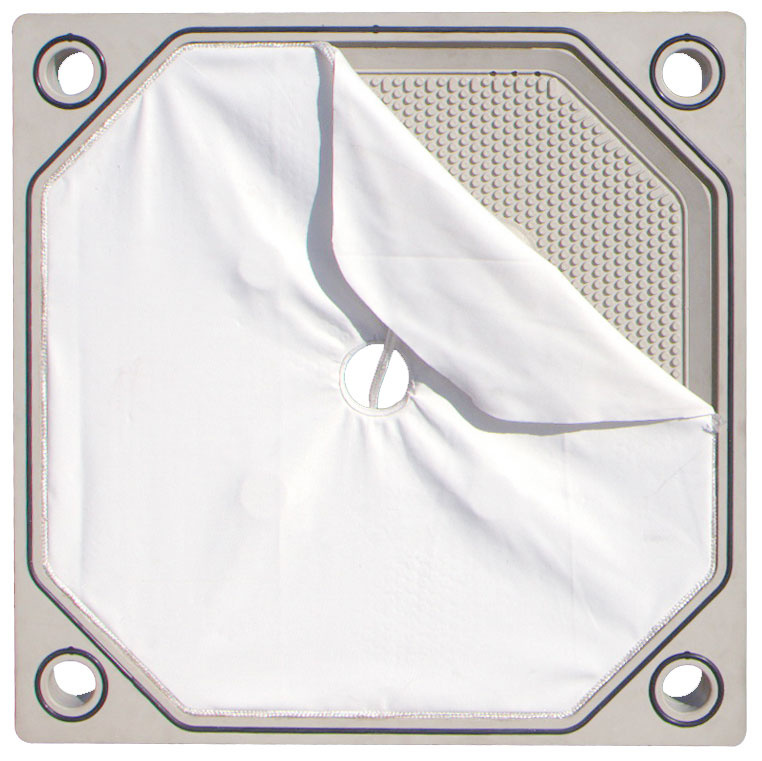
Filter press filter cloth is the filtration medium installed between filter plates in a filter press. It captures solid particles while allowing filtrate to pass through. Its service life depends on slurry characteristics, operating pressure, cleaning practice, and mechanical handling.
In mineral processing, filter cloth works alongside FILTER PRESSES and FILTER PLATES & CLOTHS to dewater concentrates and tailings. It is a consumable wear part, but its life can be significantly extended with proper practice.
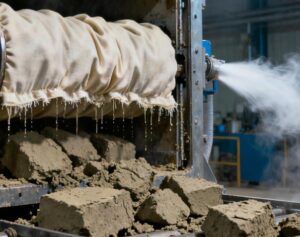
Slurry is pumped into the filter press under pressure. The filter cloth traps solid particles and forms a filter cake, while clear filtrate passes through the cloth and exits through the plate channels.
Over time, three degradation processes occur:
Blinding — fine particles penetrate and block the cloth pores.
Abrasion — abrasive particles wear the fabric surface and feed opening.
Chemical degradation — incompatible slurry or cleaning chemicals attack the fiber.
Extending cloth life means slowing all three processes simultaneously. This connects directly to upstream GRINDING and CLASSIFICATION performance, because finer and more abrasive particles increase cloth wear rate.
Lower consumable cost per ton of processed material
Fewer unplanned filter press stoppages
More consistent filtrate clarity and cake moisture
Reduced risk of filter plate damage
Better overall DEWATERING and FILTRATION performance
Lower total cost of ownership for the filtration circuit
Filter press filter cloth is used in:
Tailings dewatering and dry discharge
Copper, gold, iron ore, and lead-zinc concentrate filtration
Coal slurry dewatering
Chemical and industrial wastewater filtration
Silica sand and mineral concentrate processing
These applications connect directly to TAILINGS DRY DISCHARGE SYSTEMS and THICKENERS in the mineral processing flow.
| Material | Chemical Resistance | Abrasion Resistance | Temperature Limit | Best Application |
|---|---|---|---|---|
| Polypropylene | Excellent | Moderate | Up to 90°C | General mining filtration |
| Polyester | Good | Good | Up to 150°C | Higher temperature slurries |
| Nylon | Moderate | Excellent | Up to 120°C | Abrasive slurries |
| Specialty Synthetic | Excellent | Excellent | Varies | Difficult chemical conditions |
| Application | Recommended Cloth Property | Key Risk |
|---|---|---|
| Tailings dewatering | High abrasion resistance | Blinding and high wear |
| Concentrate filtration | Good chemical resistance | Fine particle penetration |
| Coal slurry | Good release properties | Cake sticking |
| Chemical slurry | High chemical resistance | Chemical degradation |
| Industry | Process Stage | Filter Cloth Role |
|---|---|---|
| Gold | Dewatering / Filtration | Concentrate and tailings dewatering |
| Copper | Filtration | Concentrate moisture control |
| Iron Ore | Dewatering | Tailings and concentrate filtration |
| Coal | Filtration | Slurry dewatering |
| Silica Sand | Filtration | Fine product dewatering |
| Lead Zinc | Filtration | Concentrate dewatering |
Identify slurry chemistry, pH, and temperature.
Confirm particle size distribution and abrasiveness.
Define required filtrate clarity and cake moisture.
Select cloth material and weave accordingly.
Confirm compatibility with cleaning chemicals.
Evaluate reinforced feed-neck options for high-wear zones.
Verify supplier experience with similar applications.
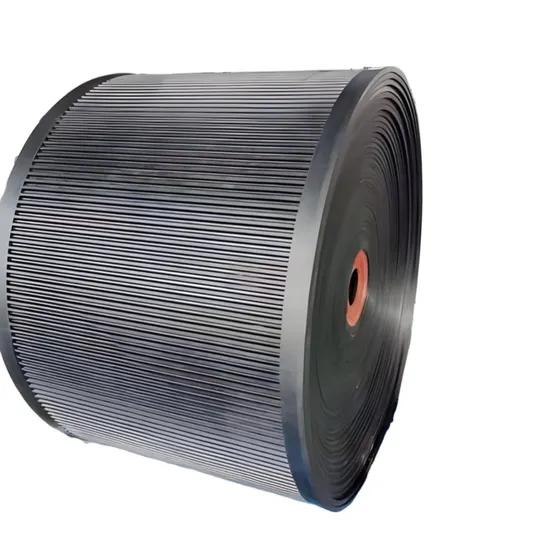
For related equipment selection, see HOW DO I CHOOSE THE RIGHT RUBBER BELT FOR A VACUUM BELT FILTER?.
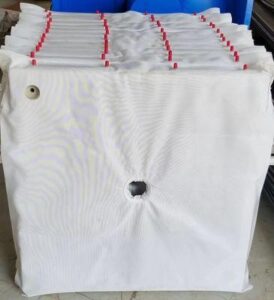
Clean spare filter cloths stored dry and shaded before installation
Required Information:
Slurry composition, pH, and temperature
Filter press model and plate size
Required filtrate clarity and cake moisture
Cleaning chemical compatibility
Drawings Needed:
Filter cloth dimensions and feed opening layout
Plate groove and sealing surface details
OEM Part Numbers:
Provide OEM cloth part number if available
Material Selection:
Polypropylene, polyester, nylon, or specialty synthetic
MOQ: Typically 50–200 pieces depending on size
Lead Time: 15–35 days depending on material and size
Packaging: Carton or woven bag, protected from moisture
Shipping Method: Sea, air, or express
Inspection Standards: Dimension check, seam strength, material verification
Supplier Evaluation Checklist:
Can the supplier manufacture according to drawings?
Can the supplier provide material reports?
Can the supplier support OEM replacement?
Does the supplier have export experience?
Can the supplier provide wear-life recommendations?
For supplier verification, see WHICH MANUFACTURER OFFERS HIGH-QUALITY POLYURETHANE TUFFLEX WIRE SCREENS FOR MINING?.
| Problem | Possible Cause | Recommended Solution |
|---|---|---|
| Premature wear | Abrasive slurry, incorrect material | Upgrade to abrasion-resistant cloth |
| Cracking | Chemical attack, incompatible cleaner | Verify chemical compatibility |
| Blinding | Fine particles, high pressure | Gentle feed startup, scheduled cleaning |
| Pegging | Particle shape and size | Adjust cloth weave or precoat |
| Low efficiency | Cloth selection mismatch | Re-evaluate slurry and cloth spec |
| Excessive downtime | Late replacement, poor monitoring | Implement condition tracking |
| Poor fitment | Incorrect dimensions | Verify drawings before ordering |
| Material mismatch | Wrong cloth for slurry | Confirm pH, temperature, chemistry |
| Installation failure | Wrinkles, misaligned feed opening | Reinstall flat and aligned |
Daily Inspection:
Check filtrate clarity
Inspect cake release
Look for visible tears or loose seams
Weekly Inspection:
Rinse cloth, especially sealing areas
Check plate alignment and sealing surfaces
Inspect feed opening wear
Monthly Inspection:
Review cycle time trends
Check cloth for thinning and localized wear
Verify cleaning chemical compatibility
Wear Pattern Monitoring:
Record wear location and rate
Identify repeated center-feed wear
Replacement Timing:
Replace when filtrate clarity drops
Replace when cycle time increases significantly
Replace immediately after slurry blowout
Spare Parts Inventory:
Maintain minimum spare cloth set
Store clean, dry, and shaded
Downtime Reduction:
Schedule replacement during planned shutdowns
Train operators on non-metal cake removal
Preventive Maintenance:
Gentle feed-pressure ramp
Scheduled cleaning before severe blockage
Early intervention on minor damage
For related maintenance guidance, see HYDROCYCLONE WEAR: ROOT CAUSES, HIGH-WEAR ZONES & MATERIAL SOLUTIONS.
Customer Type: Copper concentrator
Ore Type: Copper sulfide ore
Operating Conditions: Filter press dewatering copper concentrate, abrasive slurry, pH 9–11
Problem: Filter cloth life averaged 45 days, with frequent center-feed tearing and blinding
Solution: Switched to abrasion-resistant cloth with reinforced feed neck, implemented gentle feed-pressure ramp, introduced weekly controlled washing
Result: Filter cloth life extended to approximately 75–80 days, filtrate clarity stabilized, unplanned downtime reduced
Question: How much does filter press filter cloth cost?
Answer: Filter cloth price depends on material, size, weave, and quantity. Standard polypropylene cloth is lower cost, while specialty synthetic or reinforced cloth costs more. Request a quotation based on your filter press model and slurry conditions for accurate pricing.
Question: What material is best for abrasive slurry?
Answer: Nylon or specialty synthetic cloth generally offers better abrasion resistance than standard polypropylene. However, material selection must also consider pH, temperature, and chemical compatibility. Confirm with the supplier using actual slurry data.
Question: How do I install filter cloth correctly?
Answer: Install the cloth flat and wrinkle-free, with feed openings correctly aligned to the plate openings. Check plate edges for roughness before installation. Incorrect installation is a common cause of premature tearing and poor filtration.
Question: How long should filter cloth last?
Answer: Service life varies widely depending on slurry abrasiveness, pressure, cleaning practice, and cloth quality. In abrasive mining applications, 45–90 days is common. Proper selection and maintenance can extend life significantly.
Question: How often should I clean filter cloth?
Answer: At minimum weekly rinsing is recommended, with more frequent cleaning in demanding applications. Clean before severe blockage occurs. Always follow the cloth and press supplier’s wash-pressure limit.
Question: Is OEM replacement cloth available?
Answer: Yes, many suppliers offer OEM replacement cloth manufactured according to drawings or OEM part numbers. Provide plate dimensions, feed opening layout, and material requirements for accurate matching.
Question: How do I reduce filter cloth procurement risk?
Answer: Request material reports, verify supplier experience with similar slurries, confirm OEM replacement capability, and evaluate export experience. Start with a trial order before full-scale procurement.
Question: What causes sudden loss of filtrate clarity?
Answer: Sudden loss of filtrate clarity usually indicates holes, loose seams, or other cloth damage. Stop the cycle, inspect the cloth, and replace if damaged. Continuing to run a damaged cloth can also damage filter plates.
For related filtration guidance, see CERAMIC FILTER PLATES & SECTORS and VACUUM FILTER.
Extending filter press filter cloth life is not about using the strongest cloth. It is about matching the cloth to the slurry, installing it correctly, starting feed pressure gently, cleaning before severe blockage, and replacing damaged cloth promptly.
These practices reduce cost, downtime, and filter plate damage while maintaining consistent FILTRATION performance.
HUATAO supplies mining wear parts and filtration components for mineral processing, including filter press components, screen media, and wear-resistant parts. Our team can support cloth selection, OEM replacement, and application-specific recommendations.
For related screening media used in the same plant, see POLYURETHANE & RUBBER SCREEN PANELS and IMPROVE FINE SCREENING EFFICIENCY WITH POLYURETHANE SCREEN PANELS.
Related Products
Related Technical Guides
HYDROCYCLONE WEAR: ROOT CAUSES, HIGH-WEAR ZONES & MATERIAL SOLUTIONS
FLOTATION CELL ROTOR AND STATOR WEAR PARTS: HOW THEY CONTROL RECOVERY, FLOW AND MAINTENANCE COST
ROTOR & STATOR IN MECHANICAL FLOTATION CELLS: THE HEART OF EFFICIENT MINERAL FLOTATION
IMPROVE FINE SCREENING EFFICIENCY WITH POLYURETHANE SCREEN PANELS
Related Buyer Guides
HOW DO I CHOOSE THE RIGHT RUBBER BELT FOR A VACUUM BELT FILTER?
WHICH MANUFACTURER OFFERS HIGH-QUALITY POLYURETHANE TUFFLEX WIRE SCREENS FOR MINING?
Related Comparison Articles
POLYURETHANE SCREEN VS RUBBER SCREEN VS WIRE MESH: A COMPLETE COMPARISON GUIDE
SELF-CLEANING SCREEN VS TRADITIONAL WOVEN WIRE MESH: WHICH ONE SHOULD YOU CHOOSE?
Contact: Annie Lu
Email: annie.lu@huataogroup.com
Phone / WhatsApp: +86 180 3242 2676
Website: www.tufflexscreen.com
We warmly welcome customers from around the world to contact us and establish mutually beneficial partnerships.
admin