Extend Vacuum Belt Filter Rubber Belt Life
-
 admin
- 23 Oct, 2026
To extend the service life of a vacuum belt filter rubber belt, focus on prevention: keep drainage grooves clean, maintain correct tension and tracking, inspect vacuum-box seals, and ensure the rubber compound is chemically compatible with your specific slurry and operating temperatures.
Key Takeaways
-
Cleanliness is critical: Blocked drainage grooves cause uneven flexing and premature failure.
-
Tension control: Use the minimum verified tension to prevent pulley slip; never over-tighten.
-
Alignment: Early correction of belt tracking prevents costly edge wear and vacuum loss.
-
Material compatibility: The rubber compound must match slurry chemistry, temperature, and abrasion levels.
Summary Table
| Item | Description |
|---|---|
| Function | Dewatering slurry via vacuum-assisted filtration on a continuous moving belt. |
| Material | Specialized abrasion-resistant rubber with drainage grooves and side curbs. |
| Application | Mining, mineral processing, tailings management, and chemical filtration. |
| Service Life | Variable; dictated by process chemistry, machine condition, and maintenance. |
1. Definition: What Is a Vacuum Belt Filter Rubber Belt?
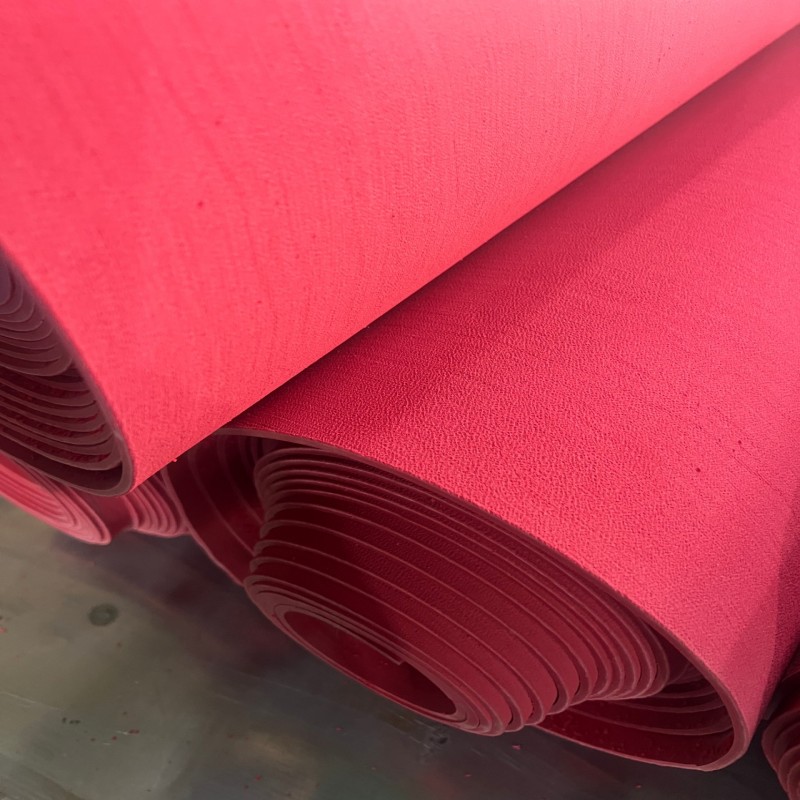
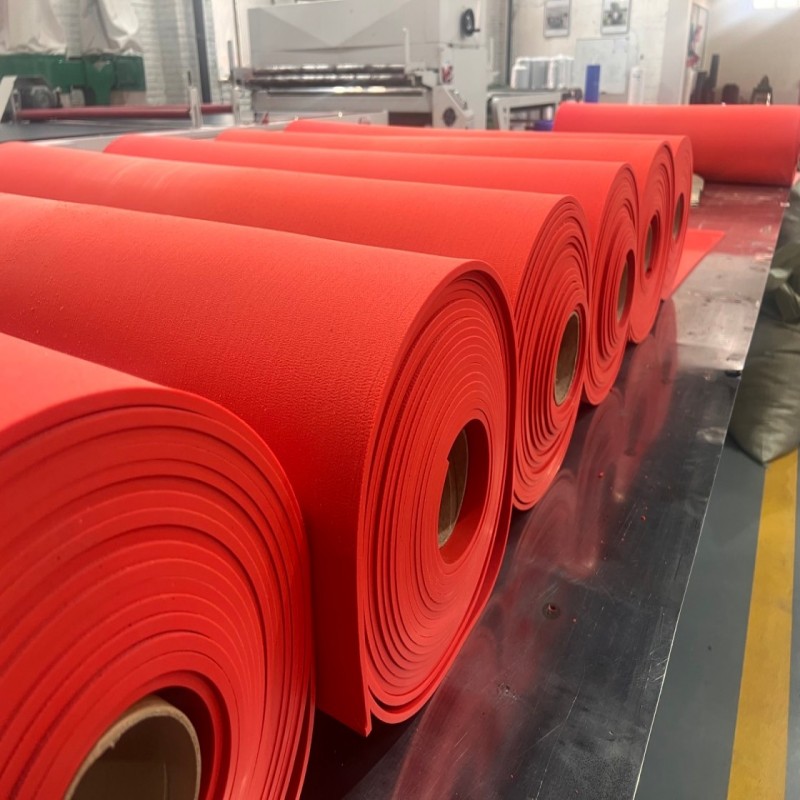
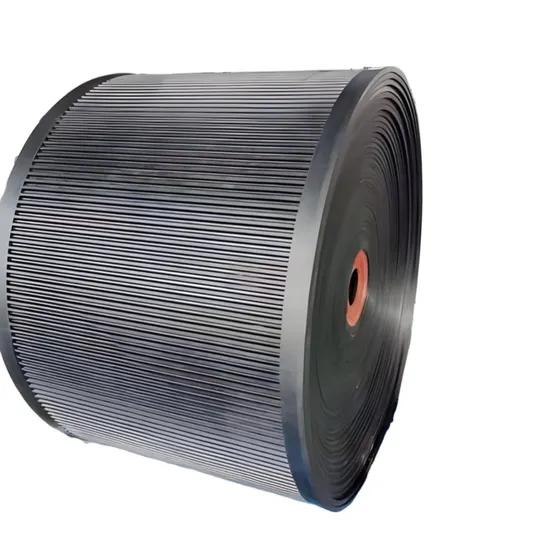
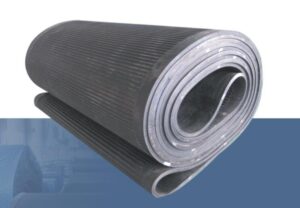
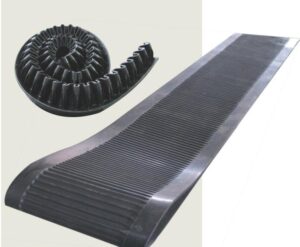
A vacuum belt filter rubber belt is the core component of a horizontal vacuum belt filter. It is a continuous, heavy-duty rubber belt with precision-machined drainage grooves, holes, and side curbs. Its primary function is to transport slurry across a vacuum pan, allowing liquid to be drawn through the drainage holes while retaining solids to form a filter cake. The belt operates under constant mechanical tension and vacuum pressure, making its rubber compound and structural integrity vital to the entire FILTRATION process.
2. Working Principle
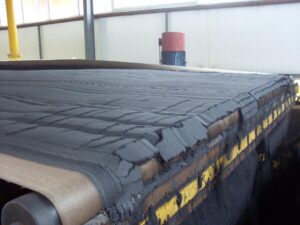
The filtration process begins when slurry is evenly distributed onto the moving rubber belt. A vacuum pan located directly beneath the belt draws the filtrate through the drainage grooves and holes. The solids are retained on the belt surface, forming a cake. As the belt advances, the cake passes through washing and drying zones before being discharged at the drive end. Proper tracking and tension are essential to maintain the seal between the belt and the vacuum box, ensuring efficient vacuum retention.
3. Benefits of Extending Belt Service Life
Implementing a proactive maintenance strategy for your vacuum belt filter rubber belt yields significant operational benefits:
-
Reduced Operating Costs: Minimizes the frequency of expensive belt replacements.
-
Consistent Dewatering Performance: Clean grooves ensure steady vacuum pressure and lower cake moisture.
-
Less Downtime: Prevents unplanned shutdowns caused by sudden belt failures.
-
Extended Equipment Life: Proper tension and alignment reduce stress on drive pulleys and rollers.
4. Applications
Vacuum belt filters and their rubber belts are critical in several demanding applications. If your plant operates a TAILING management circuit, a reliable filter belt is essential for dry stacking and water recovery. They are also heavily used in the FLOTATION process for dewatering concentrates, as well as in the DEWATERING of coal, potash, and industrial minerals.
5. Material Comparison: Rubber Compounds
Selecting the wrong rubber compound is a leading cause of premature failure. Here is how different compounds compare:
| Material Type | Wear Resistance | Chemical Resistance | Best Application |
|---|---|---|---|
| Natural Rubber | Excellent | Poor (Oils/Solvents) | General mineral slurries with mild chemistry. |
| EPDM Rubber | Good | Excellent (Heat/Ozone) | High-temperature slurries or acidic environments. |
| Nitrile Rubber | Good | Excellent (Oils) | Slurries containing hydrocarbon residues. |
For adjacent screening processes, it is also worth comparing how different materials perform. You can review our guide on POLYURETHANE & RUBBER SCREEN PANELS to see how PU and rubber perform in high-wear screening applications.
6. Application Comparison: Vacuum Filter vs. Filter Press
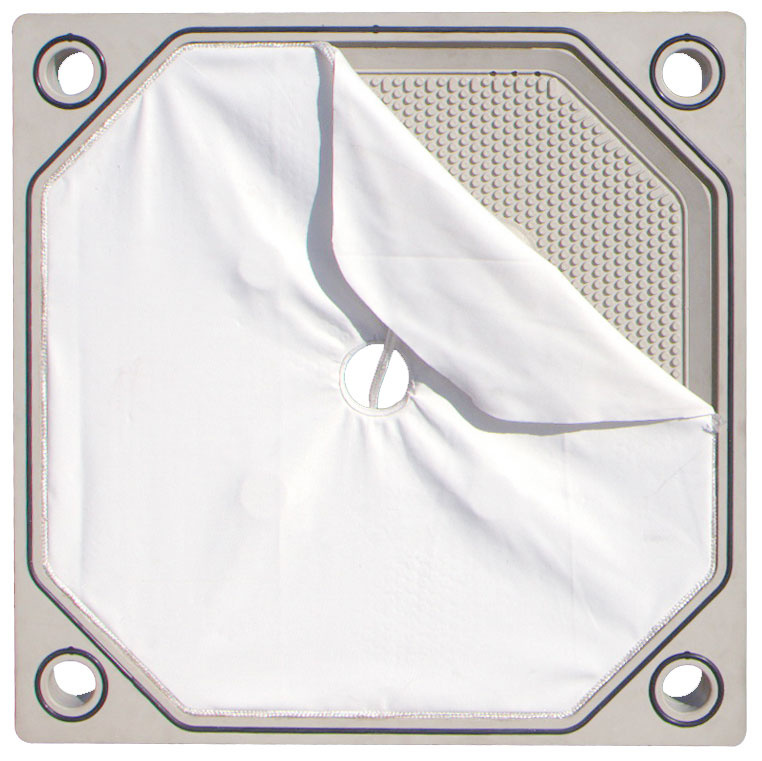
While vacuum belt filters excel at continuous, high-volume dewatering, they are often compared to FILTER PRESSES. Filter presses are batch-operated and can achieve higher cake dryness, but they require more labor and have lower throughput. The vacuum belt filter rubber belt allows for continuous operation and easier discharge, making it ideal for large-scale mineral processing where continuous flow is prioritized over absolute dryness.
7. Industry Application Matrix
| Industry | Typical Ore | Primary Belt Challenge | Recommended Focus |
|---|---|---|---|
| Gold Mining | Gold Ore, Tailings | Abrasion and chemical attack | Use cyanide-resistant compounds; inspect PUMP WEAR PARTS concurrently. |
| Copper Mining | Copper Ore | High density and edge wear | Regular tracking checks; strict tension control. |
| Iron Ore | Iron Ore | Severe abrasive wear | Thick drainage grooves; use CRUSHER WEAR PARTS & LINERS as a benchmark for plant-wide abrasion resistance. |
8. Selection Guide
To select the correct replacement belt, you must evaluate more than just the machine dimensions. You must consider the slurry composition, chemical concentration, operating temperature, and the abrasion caused by the processed material. A belt that fits mechanically will fail rapidly if the rubber compound is not suited for the environment. For a deep dive into this, read our guide on HOW DO I CHOOSE THE RIGHT RUBBER BELT FOR A VACUUM BELT FILTER?.
9. Procurement Guide
When sourcing a new belt, avoid generic specifications. Provide your supplier with:
-
Equipment make and model.
-
Exact belt drawings (length, width, thickness).
-
Drainage groove design and hole positions.
-
Slurry chemistry (pH level, chemical additives) and temperature.
-
Side-curb reinforcement requirements.
Supplier Selection Checklist:
-
Does the supplier offer custom manufacturing based on drawings?
-
Can they provide material test reports for the rubber compound?
-
Do they have experience with mining and mineral processing applications?
10. Failure Analysis
| Problem | Possible Cause | Recommended Solution |
|---|---|---|
| Belt slipping | Incorrect tension or worn drive pulley | Set tension to OEM specs; inspect pulley grooves. |
| Edge cracking | Off-center tracking | Adjust pulleys; check alignment of BELT TRACKER components. |
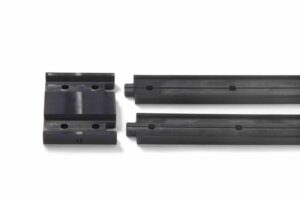
| Vacuum loss | Worn slide strips or seals | Inspect and replace sealing strips; verify alignment. |
| Drainage blockage | Insufficient washing | Check spray nozzle condition; adjust wash pressure. |
| Delamination | Unsuitable rubber compound | Review slurry chemistry; switch to a resistant compound. |
11. Maintenance Guide
A structured maintenance schedule is your best defense against premature wear.
-
Daily: Observe belt tracking, check for unusual noise, and monitor vacuum readings.
-
Weekly: Inspect drainage grooves for blockages, examine slide strips, and check pulleys.
-
Planned Shutdowns: Measure groove depth at consistent reference points, inspect belt edges and side curbs, and compare wear data with previous records.
For other dewatering components, such as thickeners, ensure you also inspect the THICKENER DRIVE SYSTEMS & RAKES during planned maintenance.
12. Case Study
Customer Type: Gold Tailings Processing Plant
Ore Type: Gold Ore Slurry (highly abrasive)
Operating Conditions: 24/7 operation, high chemical exposure, and severe abrasive wear.
Problem: The plant was replacing vacuum belt filter rubber belts every 3 months. The belts were experiencing severe edge cracking and rapid drainage hole blockage.
Solution: Our engineering team identified that the wash nozzles were misaligned and the belt tension was excessively high, causing the belt to stretch and track poorly. We supplied a custom belt with reinforced side curbs and a specialized abrasion-resistant compound. We also provided guidance on resetting the wash spray pattern and tension.
Result: The new belt achieved 11 months of service life. Vacuum readings stabilized, and the plant reduced its annual belt procurement costs by 60%.
13. FAQ
Q1: How do I know if my belt tension is correct?
A: Always follow the equipment manufacturer’s recommended tension range. The belt should have enough tension to prevent the drive pulley from slipping but not so much that it causes mechanical stress. If it slips, inspect the pulley surface rather than over-tightening.
Q2: Can I use standard high-pressure washers to clean the belt?
A: You should use the cleaning pressure and chemicals approved for the equipment and belt material. Excessive pressure can erode the rubber surface, damage the side curbs, and shorten the belt’s service life.
Q3: Why is my vacuum belt filter losing vacuum?
A: Vacuum loss is often caused by worn slide strips or misaligned sealing surfaces beneath the belt. After opening the vacuum box for cleaning, always verify that the slide strips are correctly aligned with the belt’s drainage holes.
Q4: What causes the edges of the belt to crack?
A: Edge cracking is typically caused by misalignment. If the belt runs off-center, it experiences repeated edge rubbing. Check the alignment of pulleys, rollers, and the machine level.
Q5: Can I repair a localized tear in the rubber belt?
A: Minor damage to the side curbs or surface can sometimes be repaired via vulcanization by a specialist. However, if there is extensive delamination or exposed reinforcement, the belt must be replaced.
Q6: How often should I measure the drainage groove depth?
A: You should measure groove depth during planned shutdowns. By tracking the measurements over time, you can identify wear trends and plan for a replacement before a catastrophic failure occurs.
Q7: Does the rubber compound really matter that much?
A: Yes. A belt that fits perfectly will still fail prematurely if the rubber compound cannot withstand the chemical, thermal, or abrasive nature of your specific slurry.
Q8: Why should I inspect other wear parts during a belt replacement?
A: Vacuum filtration performance depends on more than the belt. Inspecting components like PUMP WEAR PARTS and seals during the same shutdown saves labor and ensures the entire circuit operates reliably.
14. Conclusion
Extending the service life of a vacuum belt filter rubber belt requires a combination of correct mechanical adjustment, rigorous cleaning, and proper material selection. By understanding the root causes of wear and implementing a consistent inspection schedule, mining operations can significantly reduce downtime and maintenance costs.
As a specialist in mining wear parts and screening solutions, HUATAO Group provides high-quality replacement belts and filtration components designed for the toughest environments. Explore our range of VACUUM FILTER parts and other PRODUCTS to keep your plant running efficiently.
Related Articles
-
HOW DO I CHOOSE THE RIGHT RUBBER BELT FOR A VACUUM BELT FILTER?
-
IMPROVE FINE SCREENING EFFICIENCY WITH POLYURETHANE SCREEN PANELS
-
HYDROCYCLONE WEAR: ROOT CAUSES, HIGH-WEAR ZONES & MATERIAL SOLUTIONS
-
ROTOR & STATOR IN MECHANICAL FLOTATION CELLS: THE HEART OF EFFICIENT MINERAL FLOTATION
-
SELF-CLEANING SCREEN VS TRADITIONAL WOVEN WIRE MESH: WHICH ONE SHOULD YOU CHOOSE?
Contact
Contact: Annie Lu
Email: annie.lu@huataogroup.com
Phone / WhatsApp: +86 180 3242 2676
Website: http://www.tufflexscreen.com
We warmly welcome customers from around the world to contact us and establish mutually beneficial partnerships.
 admin
personal profile