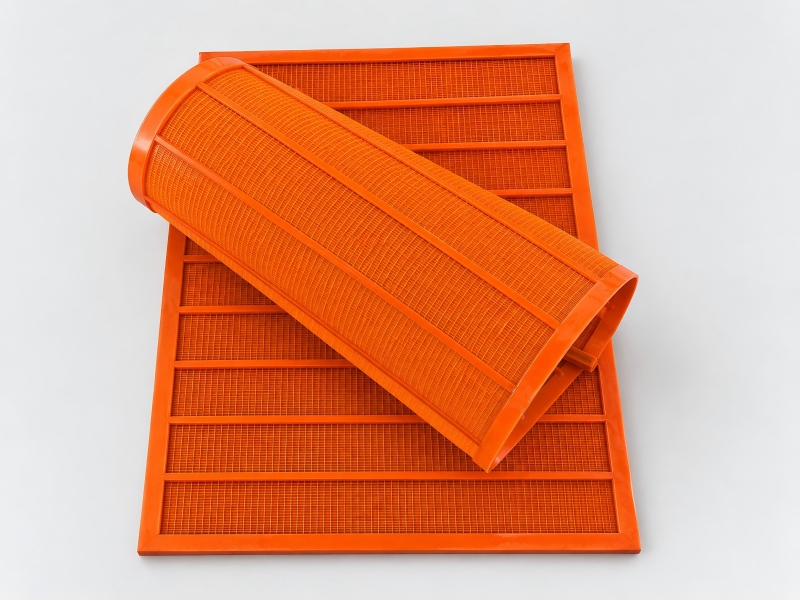
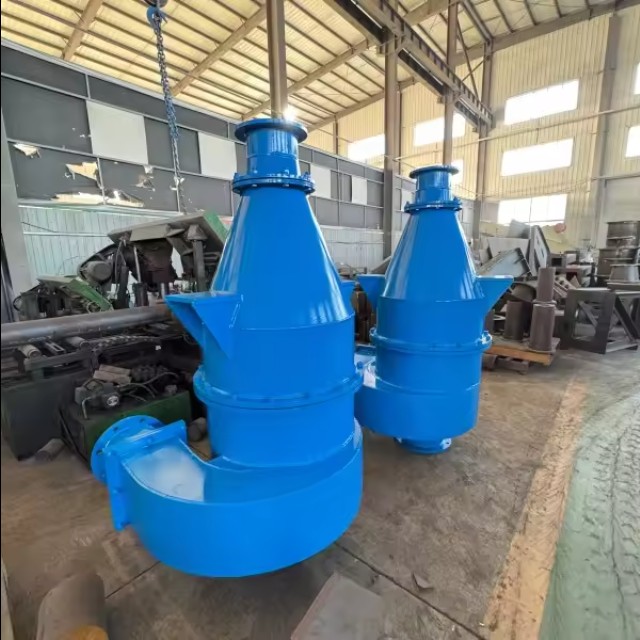
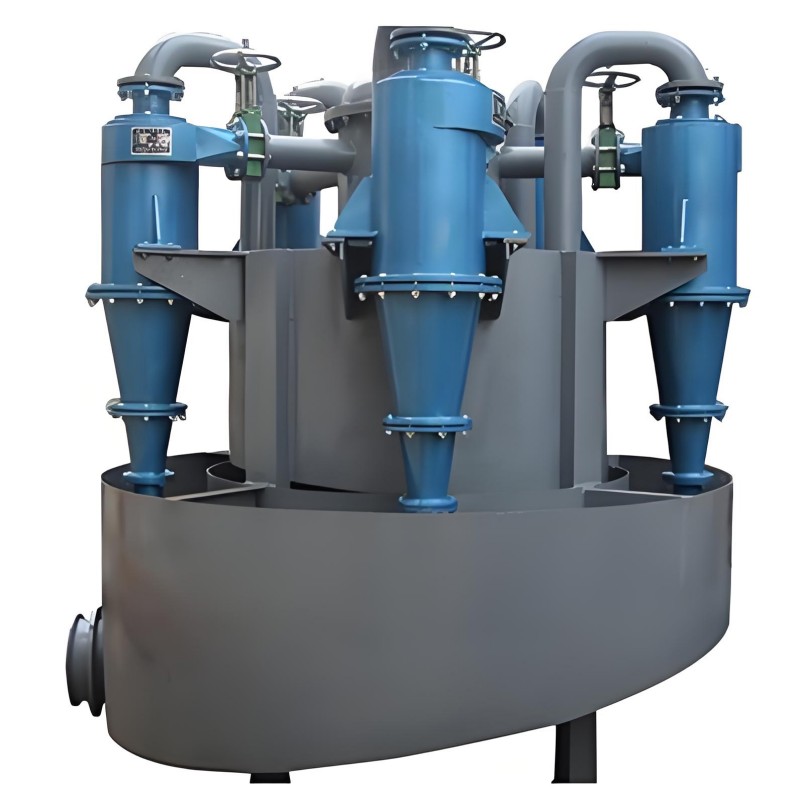
Fine screening efficiency is the ability to accurately separate near-size particles at fine cut points while maintaining throughput and minimizing blinding and pegging. Polyurethane screen panels improve fine screening efficiency through flexible anti-blinding action, customizable aperture geometry (including tapered/self-relieving designs), optimized open area, matched polyurethane formulations, and zoned panel configurations. However, maximum efficiency requires optimizing the entire screening system — not just replacing wire mesh with polyurethane.
The flotation rotor generates turbulence and disperses air bubbles, while the stator controls swirling flow and slurry distribution. Wear on both components alters clearances, pulp circulation and mineral recovery rate. This article presents working principles, product selection, procurement, fault analysis and maintenance guidelines
The rubber belt on a vacuum belt filter is not simply a conveyor belt—it is an integral part of the filtration and drainage system. This article explains how to correctly select replacement rubber belts based on slurry chemistry, abrasiveness, equipment dimensions, drainage groove design, and vacuum hole layout.
Comprehensive guide to diagnosing and fixing wet hydrocyclone underflow. Learn about apex wear, feed density, pressure issues, and air core instability.
Your hydrocyclone wears out too quickly due to three main factors: roping (a dense, high-velocity underflow stream that acts like sandpaper), high-wear zones (apex, lower cone, and feed box are naturally more vulnerable), and inadequate material selection (standard liners may not withstand your specific abrasive conditions).
Polyurethane screen panels offer excellent wear resistance, anti-blinding performance, and stable apertures, making them ideal for abrasive, wet, and dewatering applications. Rubber screens provide superior impact absorption, making them the best choice for coarse, heavy feed and scalping operations. Wire mesh screens provide the highest open area and throughput at the lowest initial cost, making them suitable for dry, non-abrasive materials where capacity is the priority. The best choice depends on your specific material characteristics, screening conditions, and cost-per-tonne requirements.
In a mechanical flotation cell, the rotor and stator are not just simple mixing blades; they are the core mechanism that drives the entire separation process. Their job is to manage the delicate balance of slurry suspension, air dispersion, and bubble generation, which directly dictates the efficiency of mineral recovery.
A self-cleaning screen is a screening media that uses flexible or independently vibrating screening elements to release near-size particles and prevent blinding and pegging. Unlike traditional woven wire mesh with fixed square openings, self-cleaning screens maintain open area during operation, making them ideal for wet, sticky, or difficult-to-screen materials.
A high-quality polyurethane Tufflex wire screen should be evaluated from both its construction and application performance. The basic construction combines a high-strength wire rope with a polyurethane coating. The wire rope provides tensile strength and structural support, while the polyurethane protects the wire from abrasion and provides flexibility.