<u>POLYURETHANE DEWATERING SCREEN PANELS</u> are modular screening media with moulded apertures that allow free water and undersize particles to pass while retaining the target coal fraction. In coal washing plants, dewatering results from vibration, material stratification, gravity, and drainage through the panel — not from mechanical squeezing. Final moisture depends on the complete system, not the panel alone.
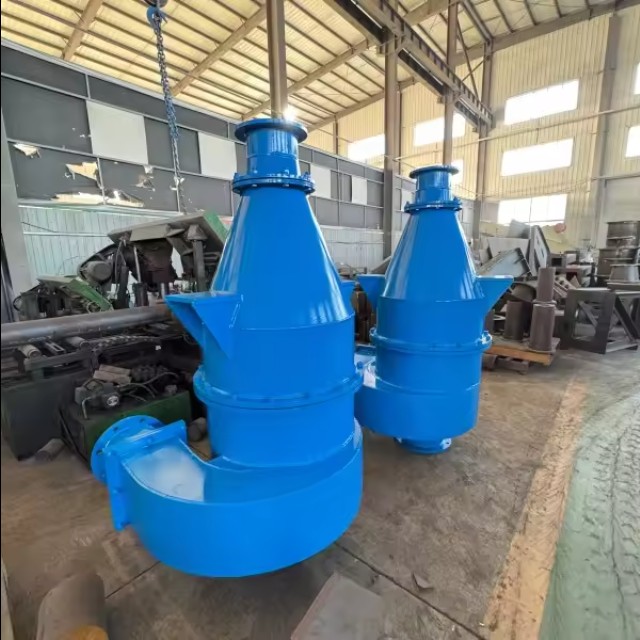
You can increase hydrocyclone throughput without sacrificing cut size by decoupling the two variables through strategic geometry, precise operational control, and circuit-level optimization.
WS85 and Trellex LS are two different polyurethane screen panel installation structures, not two brands of the same panel. WS85 suits custom dimensions, apertures, and fixing arrangements on non-standard decks. Trellex LS is a modular installation system associated with Metso screening equipment. The correct choice depends on your existing deck structure and fixing geometry — mechanical compatibility must be confirmed before wear or screening performance can be compared.
Polyurethane dewatering screens generally deliver better sustained water removal efficiency in wet, fine, and abrasive duty. Steel wire screens offer higher initial open area and faster initial drainage in clean, coarse feed. The correct comparison is effective open area maintained over the operating period, not theoretical open area at start-up.
A flotation cell impeller agitates slurry, disperses air and circulates pulp to create the hydrodynamic conditions mineral flotation needs. This guide covers how it works, speed and air rate matching, wear diagnosis, and how to select and procure impeller, rotor and stator parts.
Which flotation wear parts provide the longest service life? Compare polyurethane and rubber rotors, stators, and liners. Learn material selection, rotor-stator clearance, maintenance, and cost-per-tonne analysis for mining operations.
Discover why polyurethane flotation rotors outperform metal and rubber in wear resistance, flotation efficiency, energy savings, and maintenance cost for mineral processing plants.