A complete engineering guide to reducing conveyor belt wear in iron ore mines: impact beds, polyurethane belt cleaners, skirting, trackers, belt cover selection, failure analysis and procurement.
A practical selection guide for rubber diaphragms used in membrane filter presses, covering material, size, pressure, temperature, cycle life, abrasion, procurement, failure analysis, and maintenance for mining and tailings applications.
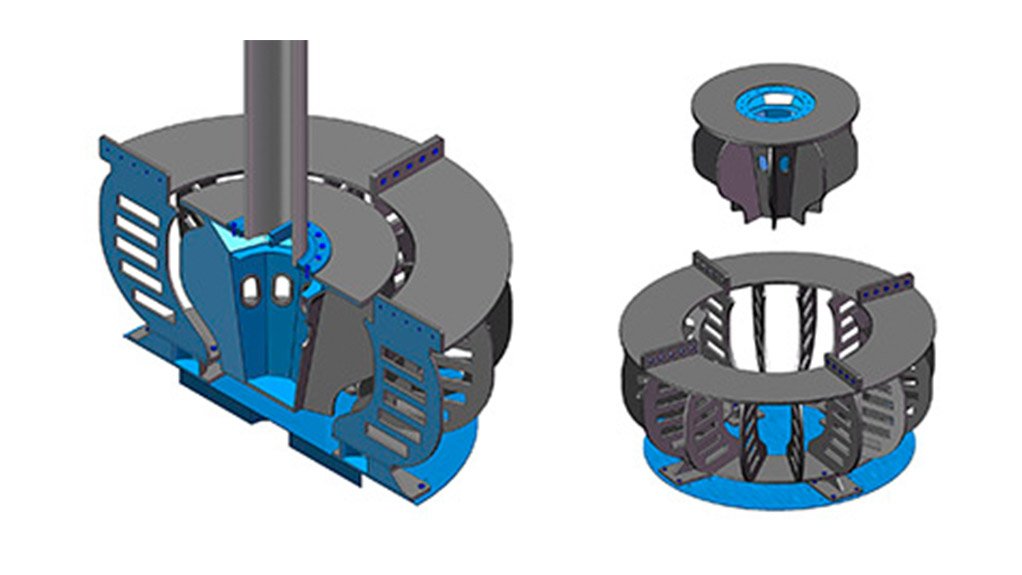
The flotation rotor generates energy and circulation; the stator controls flow and swirl. Together they determine slurry suspension, air dispersion, and bubble-particle attachment — directly affecting flotation recovery.
This article is a practical guide to selecting filter cloth for plate and frame filter presses. It compares common materials—PP for general slurry and sludge, PET for higher temperatures, PA/nylon for abrasive slurries, and PTFE/PVDF for severe chemical or thermal conditions—and explains how weave structure, yarn type, permeability, and pore size affect filtration performance, cake release, and blinding, while outlining the key slurry and equipment parameters to provide suppliers and a simple material-selection summary for different operating conditions.
Seized conveyor idlers cause belt mistracking through uneven drag. Learn how to identify the failed roller, the correct replacement sequence, and how to prevent repeat failures in mining conveyors.
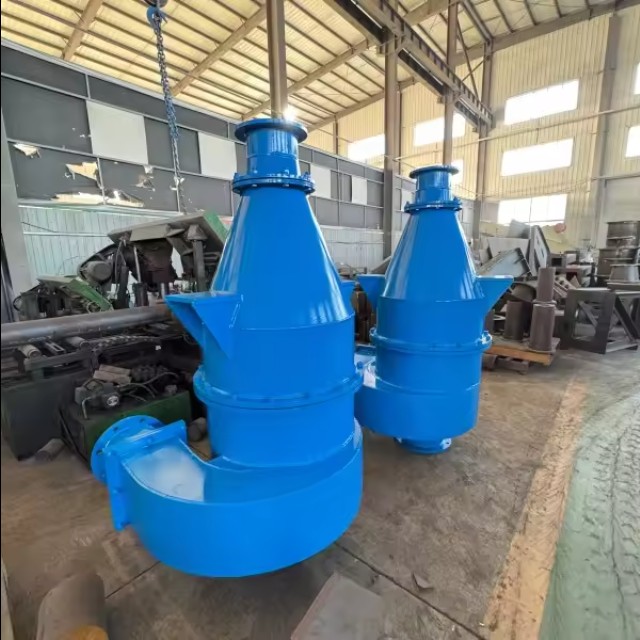
You can increase hydrocyclone throughput without sacrificing cut size by decoupling the two variables through strategic geometry, precise operational control, and circuit-level optimization.