Can’t Decide Between PU and Rubber Screens? This Comparison Will End Your Dilemma.
admin
11 Aug, 2026
Polyurethane Versus Rubber Screen Panels: Selecting the Optimal Material for Industrial Screening
In industrial screening operations, the selection of screen panel material is a decisive factor affecting productivity, maintenance frequency, and overall operational economy. While traditional steel screens are still in use, engineered polymers like polyurethane (PU) and rubber have become preferred choices for their enhanced performance and cost-effectiveness. However, these two materials serve distinct purposes and excel under different conditions.
This article offers a detailed, side-by-side evaluation of PU and rubber screen panels to support informed decision-making for mining, quarrying, and aggregate processing applications.
Performance Attributes: A Detailed Breakdown
Understanding the inherent properties of each material is essential for matching them to specific operational needs.
Durability and Wear Resistance: Polyurethane panels are engineered for exceptional abrasion, cutting, and tearing resistance, often lasting 5 to 10 times longer than steel screens in highly abrasive environments. Rubber panels provide robust general wear resistance but are more vulnerable to cutting and may degrade faster under extreme abrasive stress.
Noise and Vibration Management: Rubber possesses superior elastic and damping characteristics, making it the material of choice for noise-sensitive locations. It can lower operational noise significantly and absorb impact energy, thereby protecting vibrating screen structures. PU reduces noise effectively compared to metal but does not match rubber’s acoustic damping performance.
Resistance to Blinding and Material Adhesion: PU’s non-stick surface properties minimize the accumulation of moist, clay-rich, or adhesive substances, helping sustain screening throughput. Rubber resists clogging better than steel but is more prone to gradual buildup in sticky feed conditions.
Installation and Maintenance Considerations: PU panels are typically lighter in weight and frequently incorporate modular designs that allow quicker, tool-free replacement, reducing downtime. Rubber panels, being heavier, may require additional handling effort and time during installation.
Economic Evaluation – Initial Cost vs. Total Cost of Ownership (TCO): PU screens command a higher initial price but, due to their extended service life in abrasive settings, often yield a lower cost per ton processed over time. Rubber screens offer a more accessible upfront investment and are economically favorable for less severe or noise-controlled operations.
Recommended Applications Based on Operational Demands
Opt for Polyurethane Panels When: Processing highly abrasive materials (e.g., iron ore, granite, slag), dealing with sticky or high-moisture feeds, or when the primary objective is maximizing screen life and minimizing long-term operating costs despite a higher capital outlay.
Opt for Rubber Panels When: Operating in noise-regulated environments (urban quarries, near residential areas), screening less abrasive materials (coal, limestone, recycled aggregates), or when budget constraints prioritize lower initial expenditure over ultimate wear life.
Strategic Selection Framework
To determine the most suitable screen panel material, operations should systematically assess:
Material Characteristics: Abrasiveness, moisture content, particle shape, and adhesiveness.
Site-Specific Factors: Environmental regulations, labor availability, and downtime costs.
Financial Model: Evaluating total cost of ownership rather than just purchase price.
Final Insights
There is no universally superior screen panel material. The optimal choice emerges from a careful alignment of material capabilities with specific processing challenges and economic parameters. Polyurethane stands out as a durability-focused, long-term investment for harsh screening duties, while rubber provides a versatile, cost-sensitive solution with exceptional noise control for general to medium-duty applications.
For expert assistance in screen panel selection or to request product samples, reach out to our engineering support team:
Annie Lu | Huatao Group
Email: annie.lu@huataogroup.com
Mobile/WhatsApp: 0086 18032422676
Website: www.huataoscreen.com
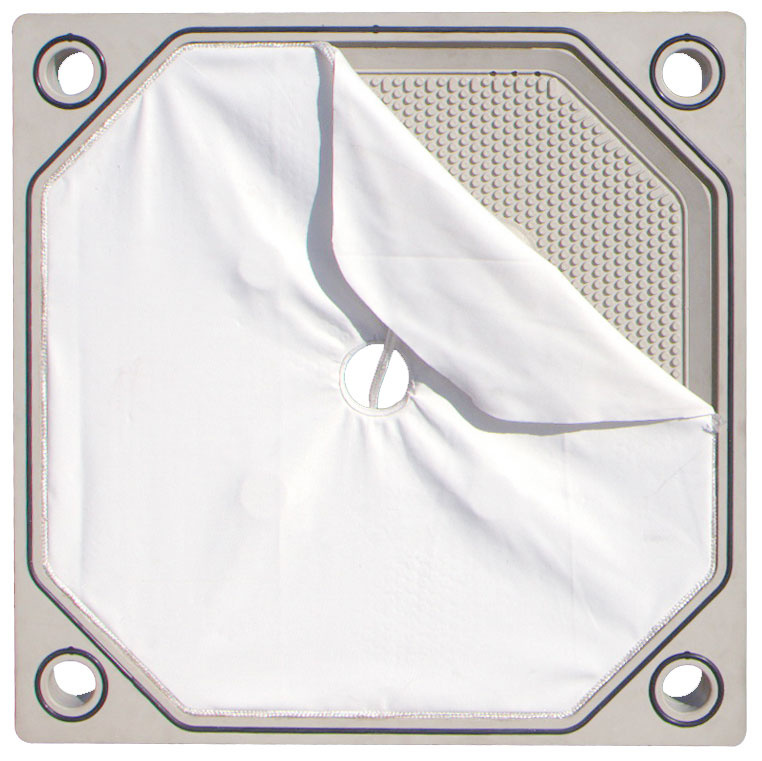
HUATAO PP Filter Press Cloth is engineered for efficient solid-liquid separation in mining, tailings, chemical processing and sludge dewatering. Available in monofilament, multifilament and customized woven structures, it provides reliable particle retention, chemical resistance, easy cake release and long-term filtration performance. Custom dimensions, feed holes, necks, edge sealing and fixing systems are available for chamber and membrane filter presses.
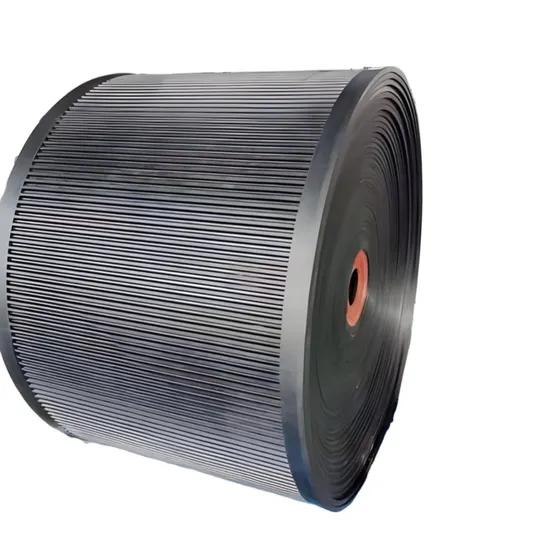
HUATAO Rubber Filter Belts are engineered for horizontal vacuum belt filters used in mining, metallurgy, chemical processing and FGD applications. Customized drainage grooves, holes, reinforced carcass and rubber compounds provide efficient filtrate drainage, reliable vacuum sealing and long-term operation under abrasive and corrosive slurry conditions.
Ceramic Pulley Lagging combines high-hardness alumina ceramic with resilient rubber to provide superior traction, abrasion resistance and reliable conveyor performance in demanding mining and bulk material handling applications.
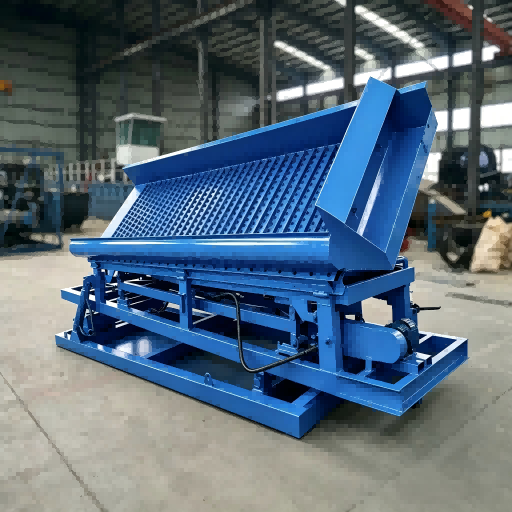
HUATAO Vibrating Sluice Box is a gravity separation solution designed for placer gold mining, alluvial gold recovery and fine gold concentration. It combines the basic recovery principle of a conventional gold sluice with controlled mechanical vibration or pulsating movement to keep the material bed active during processing.
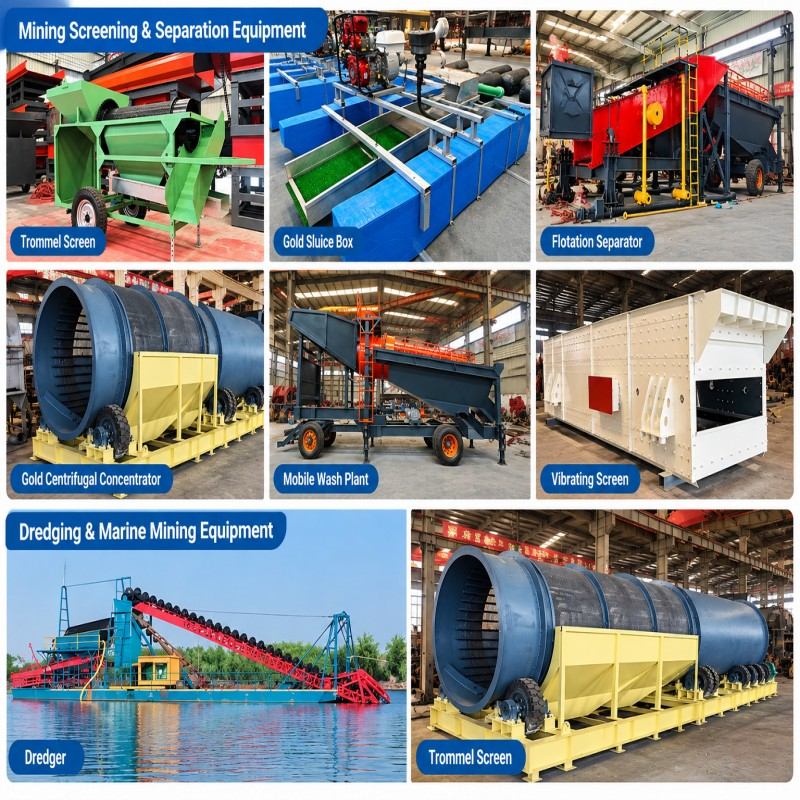
Our Small Gold Wash Plant is designed for small-scale gold miners, prospectors and contractors processing alluvial and placer gold deposits. The compact system integrates material feeding, washing, screening and gold recovery into a practical processing solution.
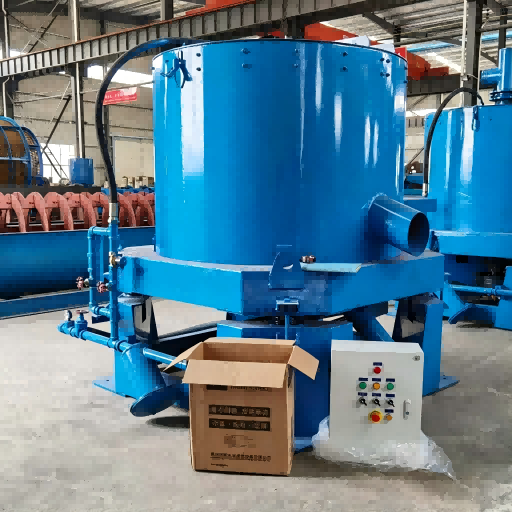
Our Centrifugal Gold Concentrator is a high-efficiency gravity separation machine designed to recover free gold and other high-density valuable minerals from mineral slurries. By combining a high-speed rotating bowl with centrifugal force and controlled fluidization water, the machine significantly strengthens the density-based separation process compared with conventional gravity equipment.
 admin