Placer Gold vs. Hard Rock Gold Processing: Equipment, Wear Parts, and Recovery Guide
-
 admin
- 22 Nov, 2026
Definition: Two Different Geological Realities
Placer gold has been liberated by nature. Weathering and erosion released gold particles from their host rock, and flowing water concentrated them in riverbeds, terraces, and alluvial fans. The gold is free—the processing challenge is separation, not liberation.
Hard rock gold remains locked in solid formations. It may occur as free particles within quartz veins or be finely disseminated in sulfide minerals. Recovery demands comminution to liberate the gold before any separation can occur. This preparatory stage consumes capital, energy, and wear parts.
Working Principle: How Each Process Recovers Gold
Placer Gold Flow: Feed preparation (washing/scrubbing) → Screening (trommel or vibrating screen) → Gravity separation (sluice box, shaking table, centrifugal concentrator) → Concentrate cleaning. The principle is density difference: gold settles while lighter material passes through.
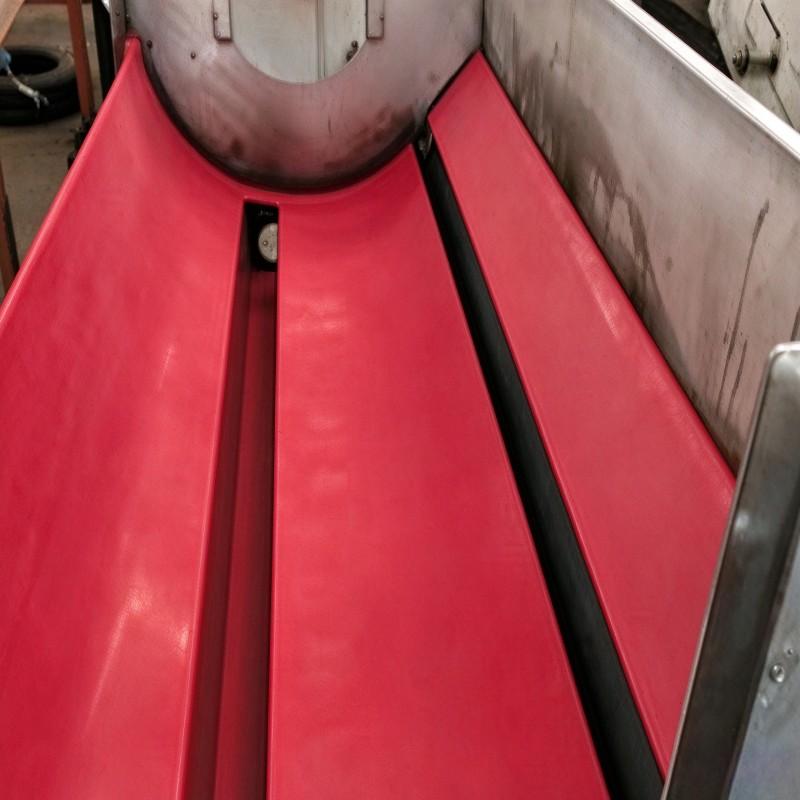
A Vibrating Sluice Box adds mechanical movement to the recovery surface, keeping the material bed active and improving fine gold capture compared with a conventional static sluice . The upstream screening stage is critical—excessive oversize reduces gravity recovery effectiveness.
Hard Rock Gold Flow: Primary crushing → Secondary crushing → Screening → Grinding (ball mill) → Classification (hydrocyclone) → Recovery (gravity, flotation, or cyanidation) → Concentrate treatment. The principle is liberation followed by separation. Crushing and grinding reduce ore until gold-bearing minerals are freed from gangue.
Benefits: Why the Distinction Matters
For placer operators: Capital concentrates on washing and gravity equipment. Wear budgets focus on screen media and recovery surfaces. A well-configured sluice with staged matting can capture both coarse and fine gold without the complexity of chemical or flotation circuits.
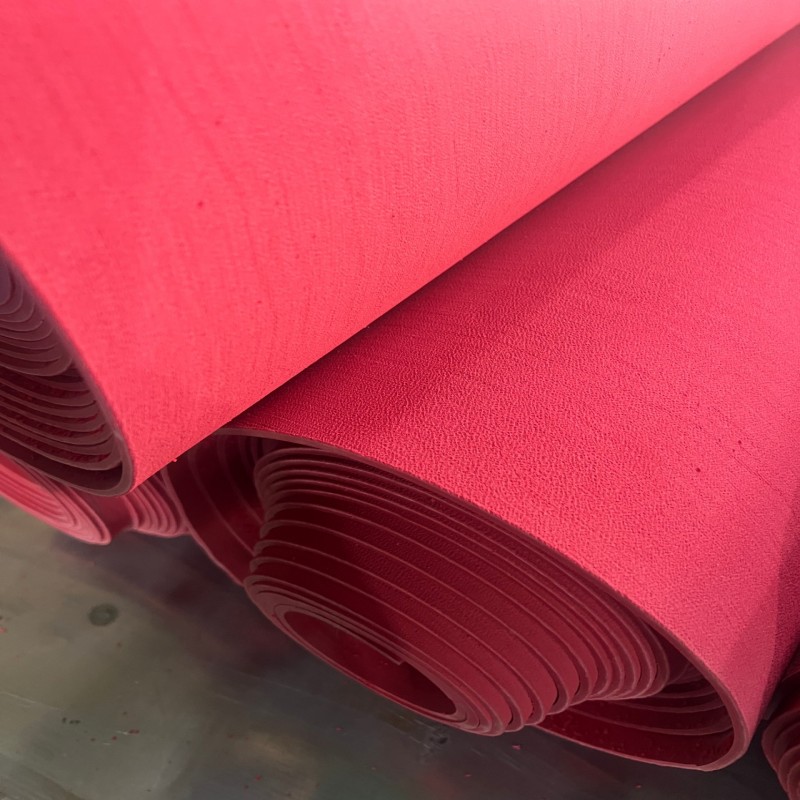
For hard rock operators: Recognizing that gold is locked in rock prevents under-investment in comminution. Wear parts procurement must cover the full circuit—crushers, mills, cyclones, and flotation—because failure at any stage disrupts production. Rubber Mill Liners absorb impact energy and reduce noise compared with steel, extending service life in wet abrasive grinding .
Applications: Where Each Equipment Set Is Used
Placer Gold Applications:
-
River and stream placer mining
-
Alluvial gold recovery plants
-
Gold dredging operations
-
Small-scale and artisanal mining
-
Mobile wash plants
-
Tailings reprocessing where gold is free
Hard Rock Gold Applications:
-
Underground and open-pit gold mines
-
Quartz vein gold deposits
-
Sulfide-associated gold ores
-
Refractory gold ores requiring flotation or oxidation
-
Large-scale gold concentrators
Material Comparison: Wear Parts Selection by Duty
| Wear Part | Placer Gold Typical Selection | Hard Rock Gold Typical Selection | Selection Logic |
|---|---|---|---|
| Screen media | PU panels, rubber panels, trommel liners | PU fine mesh, rubber panels, self-cleaning screens | Abrasion resistance, anti-blinding, aperture accuracy |
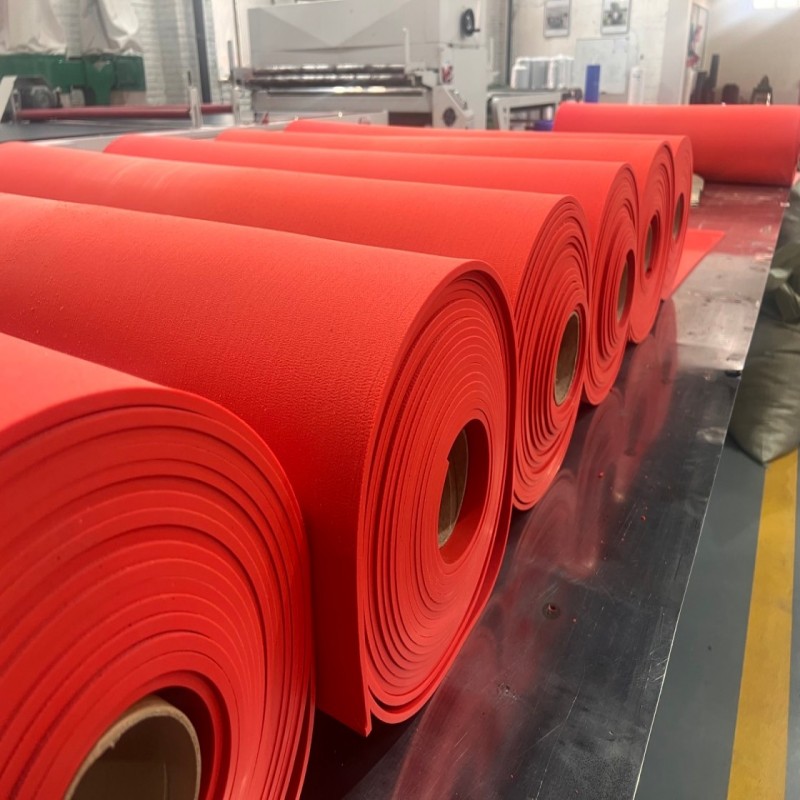
| Gravity surfaces | Gold grass, mining carpet, high-density mat | Shaking table decks, concentrator wear parts | Fine gold capture, wear life under slurry |
| Crusher wear | Not applicable | Jaw plates, mantles, concaves | Impact resistance, hardness |
| Mill liners | Not applicable | Rubber liners, composite liners, lifter bars | Abrasion resistance, impact absorption |
| Classification | Not applicable | Hydrocyclone apex, vortex finder, liners | Cut size stability, wear life |
| Flotation | Not applicable | Rotor, stator, impeller (PU or rubber) | Chemical resistance, air dispersion geometry |
Polyurethane vs. Rubber for Screen Media: Polyurethane offers superior abrasion resistance and anti-blinding performance in wet, sticky conditions common in placer washing. Rubber provides better impact absorption for coarse, heavy feed in hard rock screening. Self-cleaning screen mesh with independent wire vibration is particularly effective for wet, sticky materials that cause conventional screens to blind .
Rubber vs. Steel for Mill Liners: Rubber liners suit wet grinding with fine to medium media, reducing noise and improving wear life in abrasive slurry. Steel liners are preferred for high-impact conditions with large grinding media or elevated pulp temperature. The selection depends on mill diameter, media size, feed characteristics, and operating conditions .
Application Comparison: Equipment Configuration by Scale
| Operation Scale | Placer Gold Configuration | Hard Rock Gold Configuration |
|---|---|---|
| Small / artisanal | Portable trommel + sluice box + mats | Not typical (capital intensity too high) |
| Medium | Trommel scrubber + vibrating sluice + centrifugal concentrator | Jaw crusher + cone crusher + ball mill + hydrocyclone + gravity/flotation |
| Large | Multi-stage washing + screening + primary/secondary gravity recovery | Full comminution circuit + classification + flotation/cyanidation + tailings management |
Industry Application Matrix: Wear Part Priority by Process Stage
| Process Stage | Placer Gold | Hard Rock Gold | Critical Wear Parts |
|---|---|---|---|
| Washing / Scrubbing | ●●● | ○ | Trommel panels, scrubber liners |
| Screening | ●●● | ●● | PU/rubber panels, trommel screens |
| Crushing | ○ | ●●● | Jaw plates, mantles, concaves |
| Grinding | ○ | ●●● | Mill liners, lifter bars, grinding media |
| Classification | ● | ●●● | Cyclone apex, vortex finder, liners |
| Gravity Separation | ●●● | ●● | Sluice mats, shaking table surfaces |
| Flotation | ○ | ●●● | Rotor, stator, impeller, tank liners |
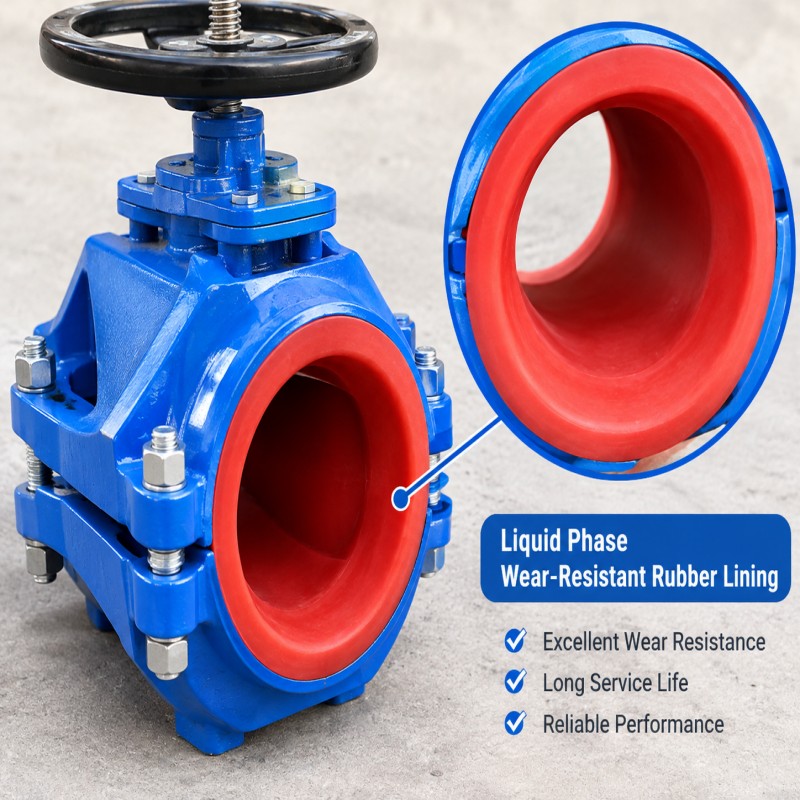
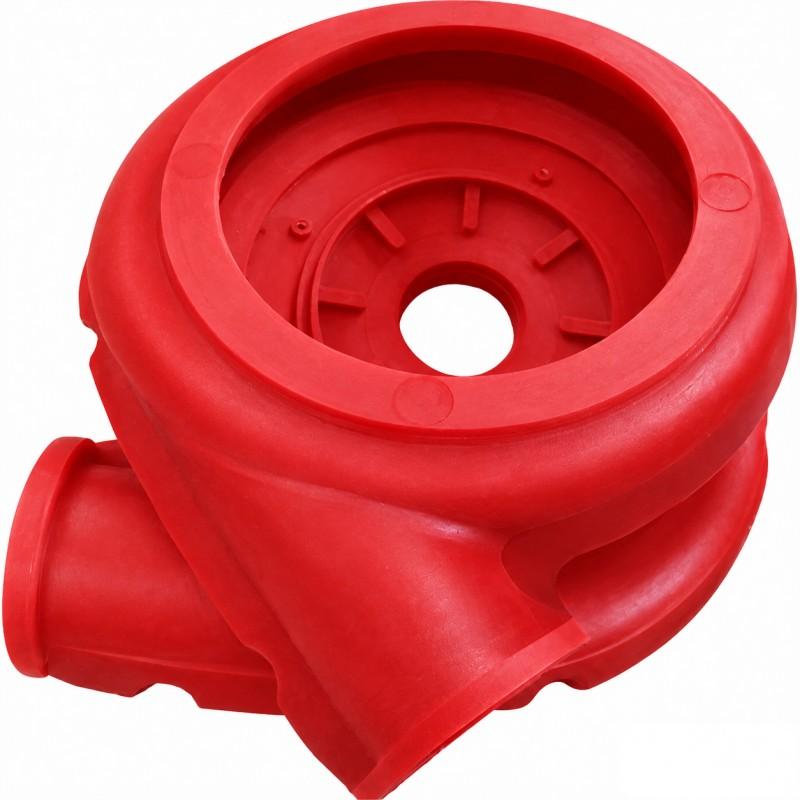
| Slurry Handling | ● | ●● | Pump liners, impellers, pipeline wear parts |
●●● = primary wear concern; ●● = secondary; ● = limited; ○ = not applicable
Selection Guide: How to Choose Equipment and Wear Parts
Step 1: Classify the deposit. Confirm whether gold is free in sediments or locked in rock. This determines the process route and equipment set.
Step 2: Characterize the feed. Placer: clay content, particle size distribution, gold size range. Hard rock: Bond work index, abrasion index, liberation size, mineralogy.
Step 3: Select primary equipment. Placer: trommel or vibrating screen sized to feed rate and clay handling. Hard rock: crusher and mill sized to throughput and target grind.
Step 4: Specify wear parts by duty. Match material to the dominant wear mechanism. For placer screening in clay-rich feed, polyurethane panels resist blinding. For hard rock cyclone classification, the apex is the highest-wear component—measure it weekly and replace when it exceeds 10% of original diameter .
Step 5: Verify compatibility. For aftermarket parts, confirm dimensions against drawings or samples. Mounting interfaces, aperture patterns, and thickness tolerances must match original specifications.
Procurement Guide: What Buyers Need and What to Verify
Required Information for Supplier Inquiry:
| Item | Why It Matters |
|---|---|
| Equipment model and OEM part numbers | Ensures dimensional compatibility |
| Drawings or worn part samples | Allows reverse engineering |
| Feed characteristics | Guides material selection |
| Operating hours and current wear life | Establishes improvement baseline |
| Required material reports | Quality verification |
Supplier Evaluation Checklist:
-
Can the supplier manufacture according to drawings or samples?
-
Can they provide material composition and property reports?
-
Do they have experience with your equipment brand?
-
What is lead time for standard and custom parts?
-
Can they recommend wear life based on your operating data?
Key Buyer Questions:
-
Can you support OEM replacement part numbers?
-
Will you state the compound’s temperature rating in writing?
-
Can you provide references from similar gold operations?
Failure Analysis: Common Wear Part Problems
| Problem | Possible Cause | Recommended Solution |
|---|---|---|
| Screen blinding | Wet sticky feed, incorrect aperture | Switch to PU anti-blinding panels or self-cleaning mesh; add washing sprays |
| Sluice mat compaction | Fine clay accumulation, infrequent cleaning | Increase cleaning frequency; improve feed washing; consider high-density mat |
| Hydrocyclone overflow coarse | Worn apex (spigot)—the #1 cause | Measure apex weekly; replace if >10% oversize |
| Mill liner cracking | Impact exceeding material rating | Screen for tramp metal; review media size vs. liner spec |
| Flotation rotor wear | Abrasive slurry, incorrect material | Verify PU vs. rubber selection against slurry characteristics |
| Fine gold loss in tailings | Water flow too fast, mat blinded | Reduce velocity; add tertiary high-density section; sample tailings |
Maintenance Guide: Extending Wear Part Life
| Frequency | Placer Gold | Hard Rock Gold |
|---|---|---|
| Daily | Check sluice flow and mat condition | Monitor crusher discharge; check mill power draw |
| Weekly | Clean mats; inspect trommel internals | Measure cyclone apex diameter; inspect crusher wear |
| Monthly | Measure screen panel wear; tailings sampling | Check mill liner thickness; inspect rotor/stator clearance |
| Quarterly | Replace worn mat sections | Inspect vortex finder; review crusher liner pattern |
| Annually | Full plant wear audit | Full mill reline assessment; cyclone overhaul |
Spare parts strategy: Maintain at least one set of critical wear parts on site. Placer: primary section mats, screen panels. Hard rock: crusher liners, cyclone apexes, mill liner segments.
Case Study: Placer Operation Improves Fine Gold Recovery
Customer Type: Medium-scale alluvial gold mining operation
Ore Type: River placer deposit with mixed coarse and fine gold, moderate clay content
Operating Conditions: Feed rate approximately 80 t/h after trommel screening; single-section sluice with original equipment mats; variable seasonal water flow
Problem: Tailings sampling showed consistent fine gold loss. The single-type mat throughout the sluice was blinding in the downstream section. Recovery was acceptable for coarse gold but poor for fine particles.
Solution: Converted to a three-section configuration: gold grass in primary for coarse gold, gray mining carpet in secondary for additional retention, and high-density recovery carpet in tertiary for fine gold capture. Adjusted water velocity and sluice angle. Implemented regular mat cleaning and tailings sampling .
Result: Tailings sampling showed improved fine gold retention. The tertiary section captured fine gold that had previously escaped. Cleaning intervals were optimized based on observed accumulation.
Case Study: Hard Rock Operation Optimizes Hydrocyclone Classification
Customer Type: Medium-scale gold mine
Ore Type: Quartz vein gold, moderate abrasion
Operating Conditions: 50 tph feed, 35% solids, d80 = 200 microns
Problem: Underflow density dropped from 55% to 38% over three months, overloading the thickener and increasing reagent consumption.
Solution: Apex had worn from 25 mm to 29 mm (16% enlargement). Replaced with ceramic apex of correct 25 mm diameter. Feed density adjusted to 38%.
Result: Underflow density restored to 54% within one shift. Thickener loading reduced by 30%. Water recovery improved by 15%. Reagent consumption reduced by 8%. Apex life extended from 3 months to 12 months (4× longer) .
FAQ
Question: What is the main equipment difference between placer and hard rock gold processing?
Answer: Placer processing relies on washing, screening, and gravity equipment—trommels, sluice boxes, shaking tables. Hard rock processing requires crushing and grinding to liberate gold, followed by classification and recovery. Crushers, ball mills, and hydrocyclones are essential in hard rock circuits but absent from placer operations.
Question: How do I choose screen media for placer gold washing?
Answer: Select based on feed characteristics. Polyurethane panels offer abrasion resistance and anti-blinding in wet, clay-rich conditions. Rubber panels suit coarser feed where impact resistance matters. For severe blinding with sticky material, self-cleaning screen mesh with independent wire vibration maintains open area .
Question: What causes hydrocyclone overflow to carry coarse particles?
Answer: The most common cause is a worn apex. As the apex enlarges, coarse particles report to overflow. Measure apex diameter weekly; replace when it exceeds 10% of original specification. A worn vortex finder can also cause short-circuit flow carrying coarse material to overflow .
Question: Can I use aftermarket wear parts in my gold processing equipment?
Answer: Yes, provided the supplier matches dimensions, materials, and mounting interfaces. Provide OEM part numbers, drawings, or worn samples. Verify the supplier has experience with your equipment brand and can provide material specifications.
Question: How long do sluice box recovery mats last?
Answer: Service life varies with feed abrasiveness, water velocity, cleaning frequency, and mat type. Under normal placer conditions, mats may last 6–24 months. Primary sections handling coarser feed wear faster. Monitor wear patterns and replace when surface structure flattens.
Question: What is the best liner material for a ball mill in gold processing?
Answer: Rubber liners suit wet grinding with fine to medium media, offering abrasion resistance and reduced noise. Steel liners are preferred for high-impact conditions with large media or elevated pulp temperature. Selection depends on mill diameter, media size, and operating conditions .
Question: How often should I inspect hydrocyclone internals?
Answer: Measure apex diameter weekly. Inspect vortex finder every 3–6 months. Conduct full internal inspection quarterly. Establish a wear baseline in the first month to track deterioration rates .
Question: What information do I need to provide a supplier for custom wear parts?
Answer: Provide equipment model, OEM part number, drawings or sketches with dimensions, material requirements, operating conditions, and quantity. Worn part samples are valuable for reverse engineering.
Question: How can I reduce wear part costs without compromising performance?
Answer: Focus on total cost of ownership. A higher-priced part with longer life and reduced downtime often costs less per ton processed. Match material to duty—over-specifying hardness can reduce toughness. Track wear rates and adjust replacement intervals based on measured condition.
Question: Does HUATAO supply wear parts for both placer and hard rock gold operations?
Answer: Yes. HUATAO supplies gold recovery matting, sluice boxes, and trommel components for placer operations, as well as polyurethane screen panels, ball mill liners, hydrocyclone components, flotation rotors and stators, and crusher wear parts for hard rock operations. Custom manufacturing is available based on drawings or samples.
Related Articles
Related Products:
Related Technical Guides:
Related Buyer Guides:
Contact
Annie Lu
Email: annie.lu@huataogroup.com
Mobile: +86 18032422676 (WhatsApp / WeChat)
#GoldMining #PlacerGold #HardRockGold #MineralProcessing #WearParts #MiningEquipment #GoldRecovery #PolyurethaneScreen #BallMillLiners #Hydrocyclone #FlotationParts #CrusherWearParts #TufflexScreen #HUATAO #GravitySeparation #ScreeningSolutions #GoldProcessing #MiningEngineering #Sl uiceBox #MiningWearParts
Tags:
 admin
personal profile