How Does a Gold Sluice Box Separate Gold from Gravel in Placer Gold Mining?
-
 admin
- 22 Nov, 2026
Gold sluice boxes are among the most widely used pieces of equipment in placer gold mining. From small-scale prospecting operations to large commercial mining projects, sluice systems provide a relatively simple and effective way to separate gold particles from gravel, sand, and other sediments. But how exactly does a gold sluice box work, and why can gold remain trapped inside the sluice while lighter gravel and sand are washed away? More importantly, how can miners improve gold recovery, especially when dealing with fine gold particles? The answer lies in the combination of gravity separation, water flow, riffle design, and the selection of suitable gold recovery mats.
Key Takeaways
✔ Gold’s high density relative to gravel and sand enables gravity separation without chemicals or complex machinery
✔ Riffles create low-velocity zones behind raised structures where heavy particles accumulate
✔ A single mat type throughout the sluice is rarely optimal—staged recovery surfaces match particle size distribution
✔ Water flow that is too fast loses fine gold; flow that is too slow causes heavy mineral overload
✔ Tailings sampling is the only reliable method to verify whether fine gold is escaping the system
✔ Clay content must be addressed through washing and feed preparation before gravity separation
Summary Table
| Item | Description |
|---|---|
| Function | Gravity separation of gold from gravel, sand, and sediments |
| Primary Mechanism | Density difference + water flow + riffle/mat trapping zones |
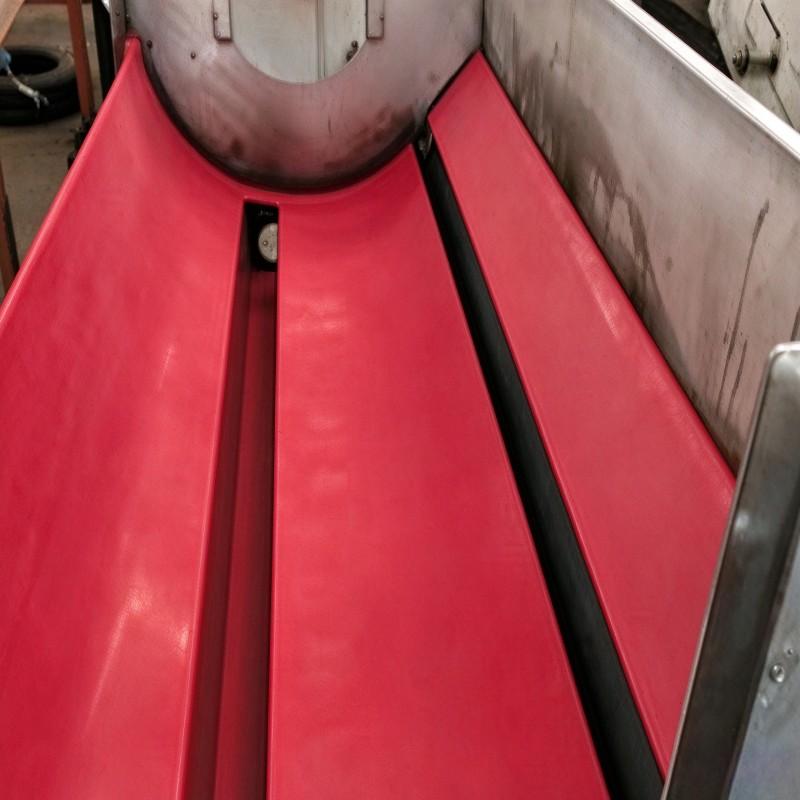
| Key Components | Sluice channel, riffles, gold grass, mining carpet, recovery mat |
| Material | Gold grass, gray mining carpet, high-density recovery carpet |
| Application | Placer gold, alluvial deposits, free gold liberation |
| Service Life | Mats: 6–24 months depending on abrasion and feed conditions; riffles: longer with inspection |
| Benefits | Low capital cost, continuous processing, modular recovery, field-repairable |
Definition: What Is a Gold Sluice Box?
A gold sluice box is a gravity separation device that uses an inclined channel with flowing water and internal trapping structures to concentrate dense gold particles from unconsolidated placer material. It operates without chemicals or complex mechanical systems, relying instead on the density contrast between gold and associated gravel, sand, and clay. The sluice box is typically positioned after a screening or classification stage that removes oversize material and prepares the feed for consistent separation.
Working Principle: How Gravity Separation Works Inside the Sluice
A gold sluice box works primarily through gravity separation, taking advantage of the significant density difference between gold and most other materials found in placer deposits. Gold has a density of approximately 19.3 g/cm³, while common quartz and many other rock-forming minerals have much lower densities.
When a mixture of water, gravel, sand, and gold enters the sluice box, the flowing water carries the material along the channel. During this process:
-
Heavier gold particles tend to settle toward the bottom of the sluice.
-
Lighter sand and gravel are more easily transported downstream.
-
Riffles and recovery mats create suitable trapping areas where gold particles can accumulate.
-
Unwanted lighter materials continue moving through the sluice and eventually discharge as tailings.
This process allows gold to be concentrated without requiring complex mechanical separation systems. For a broader technical overview of this principle across mineral processing, see Gravity Separation Guide.
However, gravity alone does not guarantee high recovery efficiency. Water velocity, feed particle size, sluice inclination, and the design of the trapping surface all influence how effectively gold can be retained. If water flows too quickly, fine gold particles may be carried out of the sluice before they have enough opportunity to settle. If the flow is too slow, excessive gravel and black sand may accumulate, reducing the available trapping space. Therefore, maintaining a suitable balance between material movement and gold retention is essential.
Benefits of a Properly Configured Sluice System
-
Low capital cost: No chemicals and minimal power requirement for conventional units
-
Simple operation: Adjustable water flow and angle allow field tuning without specialized labor
-
Continuous processing: Material feeds continuously while concentrate collects in mats and riffles
-
Modular recovery: Different mat types can be installed in sections for staged particle capture
-
Field-repairable: Wear components are accessible and replaceable in remote locations
-
Scalable: Configurations range from portable prospecting units to commercial wash plant sections
Applications
Gold sluice boxes are used across multiple placer mining scales and configurations:
-
River and stream placer gold mining
-
Alluvial gold wash plants after trommel or vibrating screen classification
-
Small-scale and artisanal mining operations
-
Gold prospecting and exploration bulk sampling
-
Dredging operations with mounted sluice configurations
-
Tailings retreatment where coarse gold remains
For integration into complete wash plants, the upstream screening stage is critical. Material should be classified before entering the sluice to remove oversize and improve separation consistency. See Screening Solutions for equipment options in the previous process stage.
Material Comparison: Gold Grass vs. Mining Carpet vs. High-Density Recovery Mat
| Material Type | Primary Function | Best Particle Size | Typical Section | Wear Characteristics |
|---|---|---|---|---|
| Gold Grass | Flexible trapping structure with dense surface spaces | Medium to coarse gold | Primary / upper section | Moderate abrasion resistance; replace when mat compacts |
| Gray Mining Carpet | Structured surface for additional retention | Medium to fine gold | Secondary / middle section | Good durability under continuous flow |
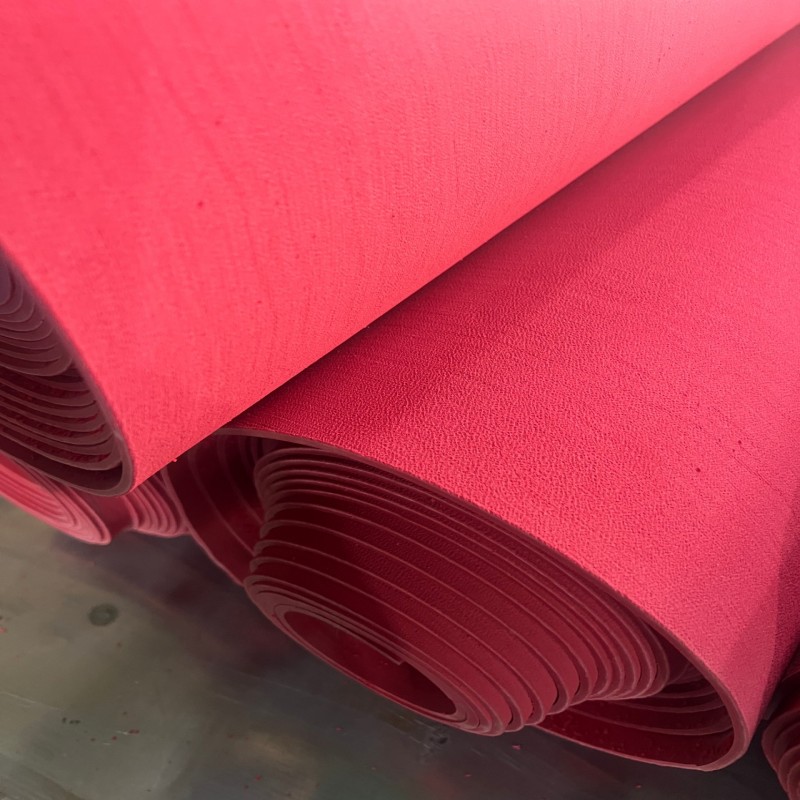
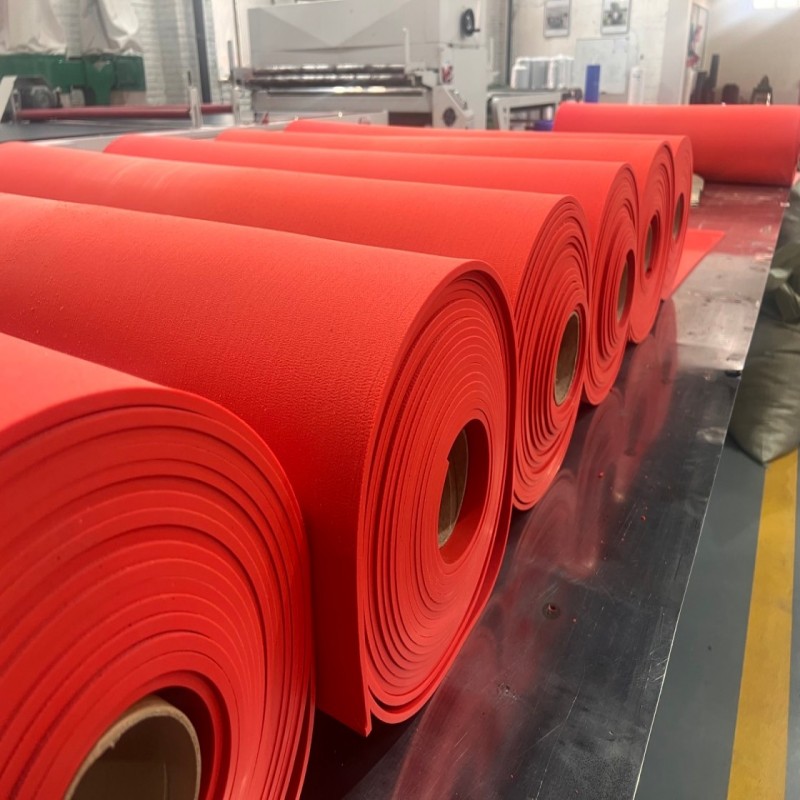
| High-Density Gray Recovery Mat | Fine particle capture with dense structure | Fine and flaky gold | Tertiary / downstream section | Higher wear resistance required for fine duty |
Using one mat type throughout the entire sluice is rarely the optimal configuration. Different sections should be designed to handle different particle size ranges. The primary section captures larger gold and initiates concentration. The secondary section provides additional retention. The tertiary section targets fine particles that pass through earlier zones. For a detailed comparison of recovery mat options, see Recovery Mat Comparison.
Application Comparison: Conventional Sluice vs. Vibrating Sluice
| Feature | Conventional Sluice Box | Vibrating Sluice Box |
|---|---|---|
| Recovery Principle | Gravity + water flow | Gravity + water flow + mechanical agitation |
| Material Bed Condition | Static recovery surface | Dynamic recovery surface |
| Compaction Risk | Higher with heavy mineral feeds | Reduced by vibration |
| Fine Gold Suitability | Depends on mat configuration | Improved for fine and flaky gold |
| Power Requirement | None for basic operation | Requires vibration drive motor |
| Maintenance | Simple mat and riffle inspection | Additional vibration mechanism checks |
The choice depends on feed characteristics and operational priorities. Conventional sluices remain practical for coarse gold recovery and low-power sites. Vibrating units offer advantages when fine gold loss is documented in tailings.
Industry Application Matrix
| Industry / Operation | Typical Configuration | Key Consideration |
|---|---|---|
| Small-scale placer mining | Portable sluice with gold grass primary section | Mobility and ease of cleanup |
| Commercial alluvial plant | Multi-stage sluice after trommel screen | Matched to feed size distribution |
| Dredging operation | Dredge-mounted sluice with recovery carpet | Space constraints and water flow stability |
| Tailings retreatment | Sluice as roughing stage before centrifugal concentrator | Fine gold liberation assessment |
| Clay-rich deposit | Sluice after scrubber and screening | Clay breakdown critical before gravity separation |
Selection Guide: Matching Sluice Configuration to Your Deposit
Selecting the right recovery mat and sluice configuration is an important part of designing an effective gold sluice system. Before specifying equipment, gather the following data:
-
Gold particle size distribution: Obtain from representative sampling and processing tests, not assumption
-
Clay content and stickiness: Determines upstream washing and scrubbing requirements
-
Target throughput (t/h): Sluice width and length must match feed rate
-
Available water flow: Velocity and volume constraints affect sluice dimensions
-
Sluice inclination range: Field testing preferred over fixed settings
-
Mat section arrangement: Primary, secondary, and tertiary sections matched to particle sizes
For operations processing fine gold, particular attention should be paid to the surface structure and retention characteristics of the recovery mats. Review available options in our Gold Recovery Mats product range.
Procurement Guide
When sourcing gold recovery mats and sluice components, the following information should be prepared and verified with suppliers:
Required Information:
-
Sluice dimensions (length, width, section layout)
-
Feed particle size distribution and target throughput
-
Gold particle size range and shape characteristics (coarse, fine, flaky)
-
Water flow rate and available head
-
Clay content and feed preparation method
Drawings Needed:
-
Sluice channel cross-section and section lengths
-
Mat dimensions and installation method (fastening, overlap, edge sealing)
-
Riffle spacing and height specifications
OEM Part Numbers: Where replacing existing mats, provide original part numbers or samples for dimensional matching.
Material Selection: Gold grass, gray mining carpet, and high-density recovery carpet should be specified by section rather than as a single material for the entire sluice.
MOQ: Typically varies by product type and customization level; confirm with supplier for customized dimensions.
Lead Time: Standard products vs. customized mats differ significantly; confirm production and shipping schedules in advance.
Packaging: Mats should be rolled or flat-packed to prevent surface deformation during transport.
Shipping Method: Consider roll diameter and weight for freight cost optimization.
Inspection Standards: Verify thickness, surface structure, dimensional tolerance, and fastening compatibility upon receipt.
Supplier Evaluation Checklist:
-
Can the supplier manufacture according to drawings?
-
Can the supplier provide material reports?
-
Can the supplier support OEM replacement?
-
Does the supplier have export experience?
-
Can the supplier provide wear-life recommendations?
For a complete procurement framework, see Gold Recovery Equipment Buyer Guide.
Failure Analysis
| Problem | Possible Cause | Recommended Solution |
|---|---|---|
| Premature mat wear | Abrasive feed, excessive water velocity, wrong mat specification | Select higher abrasion-resistant mat; reduce velocity; review feed sizing |
| Mat compaction / blinding | Fine clay and heavy mineral accumulation, infrequent cleaning | Increase cleaning frequency; improve feed washing; consider high-density mat in fine section |
| Fine gold loss in tailings | Water flow too fast, insufficient mat sections, mat blinded | Reduce velocity; add tertiary high-density section; sample tailings to verify |
| Excessive black sand accumulation | Flow too slow, sluice angle insufficient | Increase angle or flow; clean mats more frequently |
| Poor fitment / movement | Incorrect dimensions, inadequate fastening | Verify drawings; specify edge sealing and fastening method |
| Cracking or tearing | Installation damage, UV exposure, material mismatch | Inspect installation procedure; confirm material UV stability; replace damaged section |
| Low recovery efficiency overall | Multiple factors: flow, angle, mat selection, feed preparation | Systematic testing of each variable; tailings sampling; section-by-section evaluation |
Maintenance Guide
Daily Inspection:
-
Check water flow at sluice entrance and discharge
-
Observe material movement and any visible gold loss at discharge
-
Inspect mat surface for obvious blinding or displacement
Weekly Inspection:
-
Clean recovery mats and inspect trapping structure condition
-
Check riffle stability and spacing
-
Verify sluice inclination has not shifted
Monthly Inspection:
-
Full mat inspection for wear, compaction, and surface degradation
-
Tailings sampling and analysis to verify fine gold capture
-
Review cleaning intervals against feed conditions
Wear Pattern Monitoring: Track mat wear by section—primary sections typically wear faster due to coarser feed. Replace mats when surface structure flattens or trapping spaces close.
Replacement Timing: Plan replacement based on wear monitoring, not fixed calendar intervals. Keep spare mat sections for critical positions to reduce downtime.
Spare Parts Inventory: Maintain at least one set of primary-section mats and fastening components on site.
Downtime Reduction: Schedule mat cleaning and inspection during planned shutdowns; pre-cut replacement mats to site dimensions.
Preventive Maintenance: Adjust water flow and angle seasonally as feed conditions change; document tailings sampling results to track recovery performance over time.
Case Study
Customer Type: Medium-scale alluvial gold mining operation
Ore Type: River placer deposit with mixed coarse and fine gold, moderate clay content
Operating Conditions: Feed rate approximately 80 t/h after trommel screening; single-section sluice with original equipment mats; water flow variable between seasons
Problem: Tailings sampling showed consistent fine gold loss. The existing single-type mat throughout the sluice was blinding in the downstream section, and black sand accumulation reduced trapping capacity. Recovery was acceptable for coarse gold but poor for fine particles.
Solution: Converted to a three-section configuration: gold grass in the primary section for coarse gold and initial concentration, gray mining carpet in the secondary section for additional retention, and high-density gray recovery carpet in the tertiary section for fine gold capture. Adjusted water velocity and sluice angle based on field testing. Implemented regular mat cleaning schedule and tailings sampling protocol.
Result: Tailings sampling after the conversion showed improved fine gold retention. The operation reported a meaningful improvement in overall recovery, with the tertiary section capturing fine gold that had previously escaped. Cleaning intervals were optimized based on observed accumulation rates. The multi-section design also allowed the operator to evaluate each section independently and adjust the configuration as feed conditions changed seasonally.
FAQ
Question: How much does a gold sluice box recovery mat cost?
Answer: Cost varies by material type, dimensions, and customization level. Gold grass is generally the most economical option, while high-density recovery carpets carry a higher unit cost due to their fine-particle trapping structure. For accurate pricing, provide sluice dimensions, section layout, and gold particle size data to the supplier. Total cost should be evaluated against recovery improvement and service life, not unit price alone. Request quotes with material specifications and wear-life estimates.
Question: What material is best for fine gold recovery in a sluice box?
Answer: High-density gray recovery carpet is typically the most suitable material for fine gold capture, particularly in the tertiary section of a multi-stage sluice. Its dense surface structure creates smaller trapping spaces that retain fine and flaky particles. However, material selection should be based on actual gold particle size distribution from sampling, not assumption. Using high-density mat throughout the entire sluice is not recommended—match each section to its target particle size range.
Question: How do I install gold recovery mats in a sluice box?
Answer: Installation depends on mat type and sluice design. Mats should be cut to section dimensions, laid flat with edges sealed to prevent material bypass, and fastened according to the supplier’s recommended method. Riffles should be positioned to create the intended low-velocity zones. Proper installation is critical—poor fitment causes material movement under the mat and reduces trapping effectiveness. Always verify dimensions against drawings before cutting and confirm fastening compatibility with the sluice structure.
Question: How long do gold recovery mats last?
Answer: Service life varies with feed abrasiveness, water velocity, cleaning frequency, and mat type. Under normal placer mining conditions, mats may last 6–24 months depending on these factors. Primary sections handling coarser feed typically wear faster than downstream sections. Monitor wear patterns and replace mats when the surface structure flattens or trapping spaces close. Keeping spare sections on site reduces downtime during replacement.
Question: How often should I clean my sluice box recovery mats?
Answer: Cleaning frequency depends on feed volume, heavy mineral content, and clay presence. As a general guide, inspect mats daily and clean when visible accumulation reduces trapping space. If black sand accumulates rapidly, shorten cleaning intervals. Clay-rich feeds may require more frequent cleaning and upstream washing improvements. Establish a cleaning schedule based on observed accumulation rates rather than a fixed calendar interval, and document tailings sampling results to verify cleaning effectiveness.
Question: Can I replace my existing sluice mats with aftermarket products?
Answer: Yes, provided the aftermarket supplier can match dimensions, surface structure, and fastening requirements. Provide original part numbers, samples, or detailed drawings for accurate matching. Aftermarket mats can offer cost advantages, but verify material reports and wear-life estimates before committing. For critical sections, request samples for field testing before full replacement. Confirm that the supplier supports OEM replacement and can provide dimensional tolerances.
Question: How do I know if my sluice box is losing fine gold?
Answer: The only reliable method is tailings sampling and analysis. Do not evaluate performance solely by visible gold in the sluice. Collect representative samples from the tailings discharge and analyze for fine gold content. If fine gold is present in tailings, review water velocity, sluice angle, mat condition, and section configuration. Systematic testing of one variable at a time helps identify the cause. Document sampling results over time to track performance changes.
Question: What water flow velocity is ideal for a gold sluice box?
Answer: There is no single ideal velocity—it depends on sluice design, feed particle size, water depth, and gold characteristics. The general principle is to maintain sufficient flow to transport lighter sediments while allowing gold particles to settle. If flow is too fast, fine gold is carried out; if too slow, heavy minerals accumulate. Field testing with tailings sampling is the most reliable method to determine suitable flow conditions for your specific operation. Adjust incrementally and verify results.
Question: How does clay content affect sluice box performance?
Answer: Sticky clay binds fine gold particles to larger lumps, preventing effective separation, and can cover recovery mat surfaces, reducing trapping effectiveness. Clay-rich placer deposits require upstream washing and scrubbing before the sluice. If clay is not adequately broken down, mat cleaning frequency increases and fine gold loss rises. Address clay through feed preparation rather than relying on the sluice alone to handle sticky material.
Question: Can HTL customize gold recovery mats for my sluice dimensions?
Answer: Yes. HTL supports customized solutions according to customer drawings, dimensions, photographs, and application requirements. Provide sluice section dimensions, installation method, and gold particle size data for specification matching. Customized mats can be produced to match existing sluice layouts and fastening systems. Contact HTL to discuss requirements and confirm production lead times for customized specifications.
Conclusion: The Right Combination of Sluice Mats Makes a Difference
A gold sluice box separates gold from gravel by using gravity, flowing water, and specially designed trapping structures. However, effective gold recovery depends on more than the basic design of the sluice box. Water velocity, sluice inclination, gravel size, clay content, riffle design, and recovery mat selection all influence the final result.
For operations dealing with different gold particle sizes, combining gold grass, mining carpets, and high-density recovery mats in separate sluice sections can provide a practical approach to improving gold retention. The key is to match the recovery material and operating conditions to the actual gold characteristics of your deposit. Downstream tailings handling is equally important—see Tailings Management Solutions for the next process stage.
If you are looking for gold grass, mining carpets, high-density recovery mats, or customized gold sluice solutions, HTL is ready to discuss your requirements. Review our Gold Recovery Mats range and Sluice Box Design Guide to start the selection process.
Tags:
 admin
personal profile