Which Gold Mining Equipment Is Best for Alluvial Gold Recovery?
-
 admin
- 26 Oct, 2026
1. Gold Trommel Screen
A gold trommel screen is widely used in alluvial gold processing because it combines material washing and screening.
During operation, gold-bearing material enters the rotating drum. Water and mechanical movement help loosen the material, while the screening section separates particles according to size. The trommel removes oversized rocks and prepares suitable material for downstream gold recovery equipment.
For deposits containing clay or sticky materials, a trommel scrubber or washing trommel may be more suitable than a simple screening drum. Proper washing is important because gold particles trapped inside clay lumps may not be effectively recovered during gravity separation.
This is the most common source of recovery loss in alluvial operations: clay is not broken down, gold leaves the circuit inside clay balls, and no downstream concentrator can recover it. If your deposit is clay-rich, invest in washing capacity before adding recovery equipment.
2. Gold Sluice Box
A gold sluice box uses flowing water and gravity to capture heavy gold particles. It is commonly used for primary gold recovery in placer mining operations.
Riffles and recovery matting help retain gold while lighter materials continue moving through the channel. The recovery performance depends on gold particle size, water flow, feed rate, channel design, and the condition of the recovery surface.
Sluices are simple and cost-effective, but they are sensitive to flow variation. Excessive flow carries gold away; insufficient flow causes material buildup. Operators should tune water flow against actual tailings results rather than copying settings from another site. A vibrating sluice box adds agitation to improve retention when feed fines content fluctuates.
3. Gold Centrifugal Concentrator
A centrifugal concentrator uses enhanced gravitational forces to separate heavy minerals from lighter materials. It can help recover fine liberated gold particles that may be difficult to capture using conventional gravity equipment.
However, the feed must be properly prepared, and the equipment must be selected according to the actual gold particle size and processing requirements. Centrifugal concentration is not a universal solution — performance depends on feed particle size, mineral liberation, slurry concentration, equipment design, and operating parameters.
4. Vibrating Screen
A vibrating screen separates gold-bearing materials into different particle size fractions. Proper screening helps reduce oversized material entering downstream equipment and improves feed consistency.
Screening also improves particle size distribution. Different gold recovery equipment performs best within specific particle size ranges, so separating material into suitable fractions allows operators to select more appropriate equipment and operating parameters for each fraction.
5. How Does Washing and Screening Improve Alluvial Gold Recovery?
Washing and screening are important steps in alluvial gold processing because they prepare the material for effective gravity separation. Poor feed preparation can reduce gold recovery even when the downstream equipment is correctly selected.
Break down clay and sticky materials. Alluvial deposits may contain clay that binds gold particles with sand and gravel. If the clay is not adequately broken down, gold particles may remain trapped inside the material and leave the processing system with the tailings. A suitable washing system helps loosen clay and expose gold particles for separation. For highly clay-rich deposits, evaluate the need for a trommel scrubber, additional washing equipment, or a customized feed preparation system.
Remove oversized rocks. Oversized rocks can interfere with downstream gold recovery equipment. A trommel screen or vibrating screen removes large particles and helps create a more consistent feed. This improves the operating stability of sluice boxes and other gravity separation equipment.
Improve particle size distribution. Screening can help separate material into suitable size fractions before gravity separation, allowing operators to select more appropriate equipment and operating parameters for each fraction.
Maintain consistent feed conditions. Uneven feeding may cause fluctuations in slurry flow, material loading, and separation performance. A stable feeding system helps maintain consistent operating conditions. The washing and screening system should be designed according to the processing capacity of the downstream equipment.
Reduce unnecessary processing. Removing unwanted oversized material before gravity separation can reduce the amount of material entering downstream equipment. This helps avoid unnecessary processing and may reduce wear on pumps, pipes, and other components. The overall benefit depends on the deposit characteristics and the efficiency of the washing and screening system.
For small and medium operations, a small gold wash plant configuration where washing, screening, and gravity recovery are sized together usually delivers better recovery than separately purchased machines.
6. How Can Miners Recover Fine Gold from Alluvial Deposits?
Fine gold recovery is one of the major challenges in alluvial gold processing. Small gold particles may be carried away with water or mixed with lighter minerals during gravity separation. Recovering more fine gold requires suitable equipment, effective feed preparation, and stable operating conditions.
Select equipment according to gold particle size. Gold particle size directly affects gravity separation performance. Coarse gold, fine gold, and mixed-size gold may require different recovery methods. Before selecting equipment, determine the gold particle size distribution through representative sampling and processing tests. A sluice box may be suitable for certain coarse and medium gold particles, while fine liberated gold may benefit from additional centrifugal concentration.
Use centrifugal concentration when appropriate. Centrifugal concentrators can help recover fine liberated gold by increasing the effective gravitational force acting on mineral particles. They are often used in alluvial gold processing circuits where fine heavy minerals require additional concentration. However, centrifugal concentration is not a universal solution. The actual performance depends on feed particle size, mineral liberation, slurry concentration, equipment design, and operating parameters.
Optimize water flow. Water flow is an important factor in gravity separation. Excessive flow may carry gold particles away, while insufficient flow may cause material buildup and unstable processing conditions. The correct flow rate depends on the equipment design, gold particle size, feed rate, and slurry characteristics. Operators should adjust water flow based on actual processing results rather than using the same settings for every deposit.
Monitor gold losses in tailings. Tailings analysis helps identify whether valuable gold is leaving the processing system. Regularly checking tailings can reveal problems with feed preparation, equipment selection, or operating conditions. If gold losses increase, investigate the particle size distribution, clay content, water flow, and performance of the gravity separation equipment.
Consider additional gravity separation. Depending on the deposit, additional equipment such as jigs, centrifugal concentrators, or shaking tables may improve concentrate cleaning and recovery. The equipment combination should be determined through testing. Adding more machines without understanding the gold distribution may increase operating costs without improving overall recovery.
For operations with limited footprint, compact alluvial gold equipment packages combine these stages in a single skid-mounted circuit.
7. What Factors Affect Gold Recovery Efficiency in Alluvial Mining?
Gold recovery depends on the interaction between the deposit, processing equipment, and operating conditions. A well-designed processing system should address the following factors.
Gold particle size and liberation. Gold must be sufficiently liberated from surrounding materials for effective gravity separation. If gold remains locked inside other minerals or clay-rich aggregates, additional washing, crushing, or other preparation may be required. Understanding gold particle size helps determine the most suitable recovery equipment.
Clay content and material characteristics. Clay-rich deposits can create challenges for washing and screening. Clay may cause material buildup, interfere with screening, and prevent gold particles from being exposed. The washing system should be selected according to the actual clay content and material characteristics.
Processing capacity. The processing line should match the required production capacity. An oversized feed rate may overload washing or gravity separation equipment. A stable and properly matched processing line helps reduce bottlenecks and maintain consistent operation.
Water supply and slurry conditions. Water availability is important for many alluvial gold processing operations. Water flow, slurry concentration, and feeding conditions affect particle movement and separation. A suitable water supply and properly designed feeding system help maintain stable processing conditions.
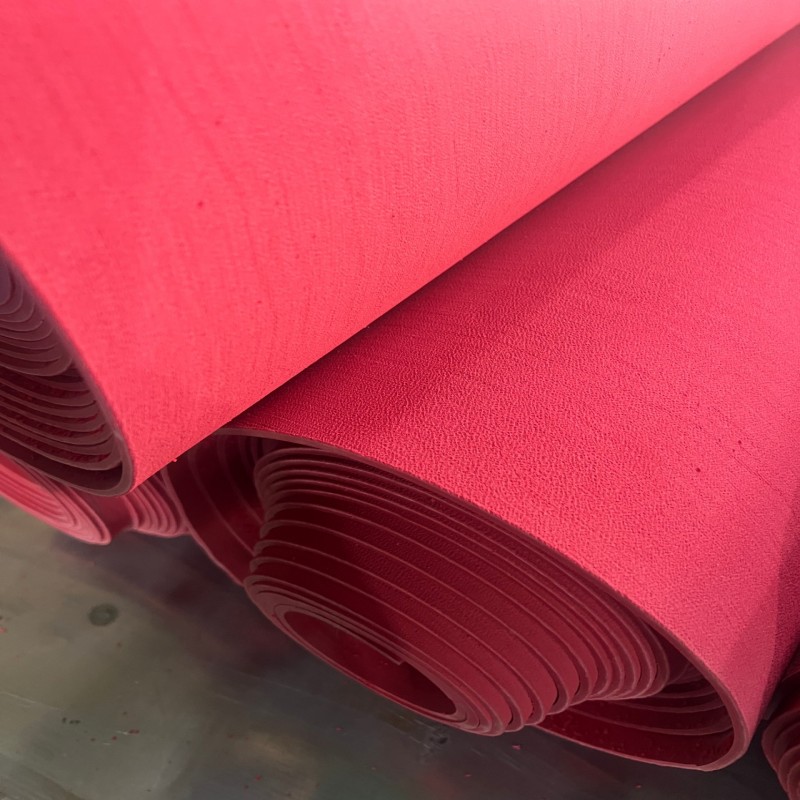
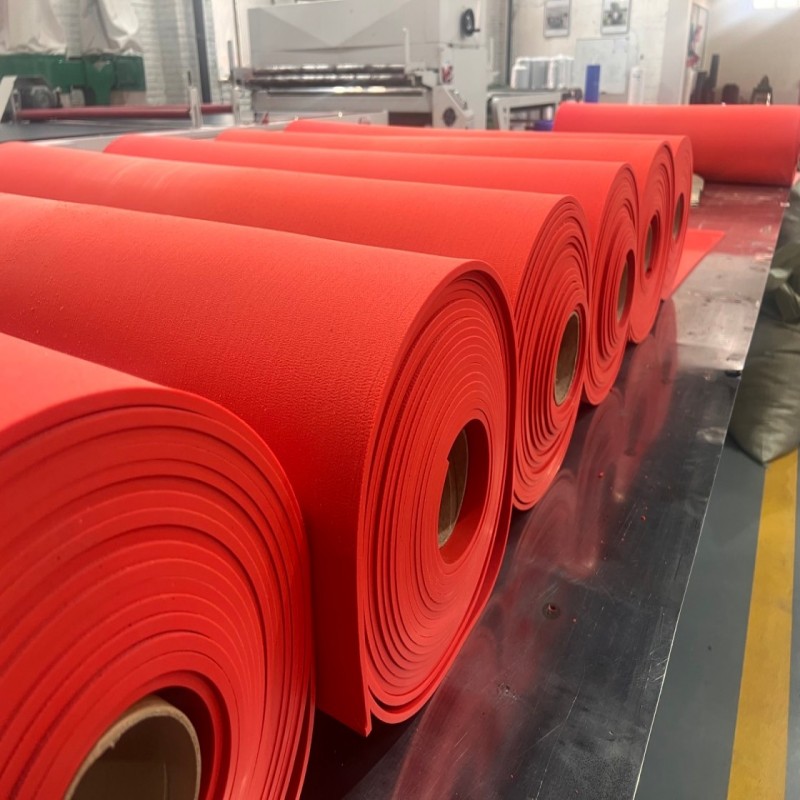
Equipment wear and maintenance. Alluvial mining materials can contain abrasive sand, gravel, and rocks. These materials gradually wear screen panels, liners, pumps, and other processing components. Regular inspection and timely replacement of wear parts help maintain equipment performance and reduce unexpected downtime. Wear-resistant screen media, such as polyurethane and rubber screen panels, are commonly specified for abrasive alluvial feeds.
Complete processing circuit. Gold recovery should be evaluated across the entire processing circuit. A typical alluvial gold processing line may include:
-
Excavator or feed hopper
-
Trommel scrubber or washing trommel
-
Trommel screen or vibrating screen
-
Gold sluice box
-
Centrifugal concentrator
-
Additional gravity separation equipment
The final configuration depends on deposit characteristics, gold particle size, processing capacity, and recovery targets. A processing test is recommended before finalizing equipment selection.
8. Equipment Comparison: Matching Machines to Deposit Conditions
| Equipment | Primary Function | Best For | Key Limitation |
|---|---|---|---|
| Gold Trommel Screen | Washing + sizing | Moderate clay, consistent feed | Limited clay breakdown vs scrubber |
| Trommel Scrubber | Intensive clay breakdown | Sticky, high-clay deposits | Higher water and power demand |
| Gold Sluice Box | Primary gravity recovery | Coarse to medium gold | Sensitive to flow variation, weak on fine gold |
| Vibrating Sluice Box | Gravity recovery with agitation | Feed with fluctuating fines content | Requires stable feed rate |
| Centrifugal Concentrator | Fine gold recovery | Liberated fine gold after preparation | Needs well-prepared feed, not universal |
| Vibrating Screen | Size classification | Feed consistency, oversize removal | Does not recover gold by itself |
9. Selection Guide
Before choosing equipment, work through these questions in order:
-
What is the gold particle size distribution? Obtain this from representative sampling and processing tests — not from assumption.
-
What is the clay content and stickiness? This decides whether a simple trommel screen is sufficient or a scrubber is required.
-
What is the target throughput? Size the washing and screening stages to the downstream gravity equipment, not the other way around.
-
What water supply is available? Flow rate and slurry density directly affect sluice and concentrator performance.
-
What is the abrasiveness of the material? This determines screen media and liner selection.
-
What recovery target is realistic? Set expectations from test results, not from equipment brochures.
A processing test on representative material is the most reliable way to finalize configuration. For a broader view of equipment categories, see gold recovery equipment and the gold process equipment hub.
10. Procurement Guide for Alluvial Gold Equipment
Buying alluvial gold recovery equipment for a project involves more than comparing machine prices. The following checklist helps buyers reduce procurement risk.
Required information to send to suppliers:
-
Deposit type and location, with a description of material characteristics
-
Gold particle size distribution from sampling or test work
-
Clay content and stickiness assessment
-
Target throughput (t/h) and operating hours per day
-
Available water supply and power source
-
Site layout constraints and transport access
-
Recovery target and acceptable tailings grade
Drawings and specifications needed:
-
General arrangement drawings for the proposed circuit
-
Trommel drum diameter, length, and screen aperture sizes
-
Sluice box width, length, riffle pattern, and matting specification
-
Concentrator model, feed size range, and capacity
-
Screen media type, aperture, and panel dimensions
-
Motor power, voltage, and control requirements
Supplier evaluation checklist:
-
Can the supplier manufacture according to drawings and site conditions?
-
Can the supplier provide material reports for wear parts and screen media?
-
Can the supplier support customized configurations rather than catalog-only equipment?
-
Does the supplier have export experience and documented packaging standards?
-
Can the supplier provide wear-life recommendations based on your material abrasiveness?
-
Can the supplier supply spare parts, screen panels, and liners after commissioning?
Commercial terms to confirm:
-
MOQ and whether single-unit customized orders are accepted
-
Lead time from order confirmation to shipment
-
Packaging method for container or flat-rack transport
-
Shipping terms and port of loading
-
Inspection standards and acceptance criteria before shipment
-
Warranty scope and spare parts availability period
For buyers comparing suppliers, gold recovery equipment category pages and technical documentation are useful references when preparing a request for quotation.
11. Failure Analysis: Common Alluvial Gold Recovery Problems
| Problem | Possible Cause | Recommended Solution |
|---|---|---|
| Gold loss in tailings increases | Clay not broken down; feed preparation inadequate | Add or upgrade trommel scrubber; increase washing intensity |
| Fine gold not captured | Sluice flow too high; no fine gold stage | Reduce flow rate; add centrifugal concentrator |
| Sluice matting overloaded | Feed rate too high; oversized material entering | Improve screening; match feed rate to channel capacity |
| Screen blinding or pegging | Wet sticky feed; wrong aperture or media type | Switch to appropriate screen media; improve washing before screening |
| Excessive wear on screen panels | Abrasive gravel; incorrect material selection | Specify polyurethane or rubber panels for abrasive duty |
| Trommel drum buildup | High clay content; insufficient water | Increase spray water; consider scrubber design |
| Unstable separation performance | Uneven feeding; fluctuating slurry density | Install stable feeding system; control water addition |
| Pump and pipe wear | Oversize material entering circuit | Remove oversize earlier in the circuit |
12. Maintenance Guide
Alluvial mining materials contain abrasive sand, gravel, and rock. A basic maintenance routine protects recovery performance and reduces unplanned downtime.
Daily inspection:
-
Check feed rate stability and slurry flow at the sluice head
-
Inspect trommel spray bars for blockage
-
Observe screen surface for blinding or pegging
-
Check for unusual vibration or noise on vibrating equipment
Weekly inspection:
-
Inspect sluice matting and riffles for damage or displacement
-
Check screen panel wear and fixation
-
Inspect pump suction and discharge for wear or blockage
-
Review tailings appearance for signs of gold loss
Monthly inspection:
-
Measure wear on screen panels, liners, and trommel drum
-
Check motor mounts, belts, and coupling alignment
-
Review water flow calibration against original settings
-
Audit spare parts inventory for critical wear items
Wear pattern monitoring and replacement timing:
-
Record wear depth on screen panels at fixed intervals
-
Track replacement frequency to build a wear-life baseline for your material
-
Replace wear parts before failure rather than after, to avoid downstream damage
-
Keep a minimum stock of screen panels, matting, and pump wear parts
Downtime reduction:
-
Schedule inspection during planned shutdowns
-
Standardize panel sizes where possible to simplify spares
-
Train operators to recognize early signs of blinding, buildup, and flow imbalance
13. Case Study
Customer Type: Small alluvial gold mining operation
Ore Type: Clay-rich alluvial gravel with fine gold content
Operating Conditions: Seasonal operation, limited water supply, feed material with high clay content and variable gold particle size
Problem: The existing circuit used a simple screening drum and sluice box. Clay was not adequately broken down, fine gold reported to tailings, and sluice performance fluctuated with feed changes. Recovery was inconsistent between operating periods.
Solution: The circuit was reconfigured with a washing trommel to break down clay before screening, a vibrating screen to produce controlled size fractions, a sluice box for primary recovery of coarse and medium gold, and a centrifugal concentrator for fine liberated gold. Feed rate and water flow were set based on tailings monitoring rather than fixed settings.
Result: Tailings monitoring showed a measurable reduction in fine gold loss after the washing stage was upgraded and the concentrator was added. Sluice performance became more stable because feed consistency improved. Wear-related downtime decreased after polyurethane screen panels were specified for the abrasive feed. The overall improvement was achieved through better feed preparation and circuit matching rather than simply adding more machines.
14. Conclusion
Alluvial gold recovery is not decided by a single machine. It is decided by how well the circuit handles the deposit: whether clay is broken down, whether oversize is removed, whether feed is consistent, and whether gravity equipment is matched to the actual gold particle size distribution.
For small and medium operations, the practical sequence is:
-
Test the deposit and establish gold particle size distribution
-
Design washing capacity around clay content
-
Screen material into controlled size fractions
-
Select gravity equipment for each fraction, including a fine gold stage where justified
-
Monitor tailings continuously and adjust water flow and feed rate
HUATAO provides mining equipment, screening media, and wear-resistant parts for gold mining and mineral processing applications. Our product range includes gold trommel screens, vibrating screens, gold washing equipment, sluice boxes, centrifugal gold concentrators, and customized mining equipment.
We help customers select suitable equipment based on deposit characteristics, processing capacity, gold particle size, and project requirements.
Why Choose HUATAO?
-
Mining equipment and wear parts for gold processing
-
Customized equipment solutions for different mining applications
-
Technical support for equipment selection
-
Wear-resistant products for abrasive operating conditions
-
Equipment solutions for placer and hard rock gold processing
Whether you are developing a small alluvial gold mine or upgrading an existing processing plant, selecting the right equipment can help improve operational efficiency and reduce unnecessary processing costs.
Related Articles
Related Products
Related Technical Guides
Related Process Hubs
Contact:
Annie Lu
Email: annie.lu@huataogroup.com
Mobile: +86 18032422676 (WhatsApp / WeChat)
Website: www.tufflexscreen.com
admin
personal profile