Self-Cleaning Screen Panels: 67% More Throughput for Indonesian Coal Mine
-
 admin
admin - 30 Jul, 2026
Self-Cleaning Screen Panels: 67% More Throughput for Indonesian Coal Mine
Quick Answer
What Are Self-Cleaning Screen Panels?
Self-cleaning screen panels are innovative screening media that use flexible, independently vibrating steel wires coated with polyurethane to prevent material buildup and blinding. During operation, each wire vibrates freely, continuously dislodging trapped particles to maintain consistent open area and screening efficiency. This technology is especially effective for processing wet, sticky, or near-size materials in mining and aggregate applications, delivering higher throughput, better product recovery, and lower operating costs.
Key Takeaways
✔ Increase processing capacity by up to 67% without replacing equipment
✔ Recover up to 452,000 additional tons of clean coal annually
✔ Reduce daily operating time by 2.8 hours, lowering electricity costs
✔ Eliminate screen blinding for wet and sticky materials
✔ Direct replacement for existing vibrating screens with no structural modifications
✔ Generate RMB 41.3 million in additional annual economic benefits
✔ 3-5× longer service life than traditional steel screen panels
✔ Lower total cost of ownership through reduced maintenance and downtime
Summary Table
| Item | Description |
|---|---|
| Function | Self-cleaning screening media that prevents blinding and maintains high open area |
| Material | High-strength steel wire ropes with wear-resistant polyurethane coating (Shore 85-95 A) |
| Application | Coal preparation, iron ore, gold, copper, silica sand, aggregates, lithium ore |
| Service Life | 3-5× longer than traditional steel screen panels |
| Benefits | Higher throughput, lower maintenance, reduced energy consumption, improved product quality |
| Aperture Range | 0.5 mm to 100 mm (customizable) |
| Panel Configuration | Modular, customizable to fit existing screen frames |
Introduction
Efficient screening is the backbone of a profitable mineral processing operation. When screening media fails due to blinding, pegging, or rapid wear, the entire plant suffers from reduced throughput, higher operating costs, and significant product loss. These challenges are amplified when processing wet, sticky, or near-size materials that rapidly clog conventional steel screens.
A recent case study from an Indonesian coal preparation plant demonstrates how upgrading to SELF-CLEANING SCREEN MESH can deliver extraordinary operational and financial improvements. The plant achieved a 67% increase in processing capacity, recovered 452,000 more tons of clean coal annually, and generated RMB 41.3 million in additional economic benefits—all without investing in new screening equipment.
This article examines the technology behind self-cleaning screen panels, the impressive results achieved at the Indonesian plant, and how similar benefits can be realized across the mining industry.
Definition
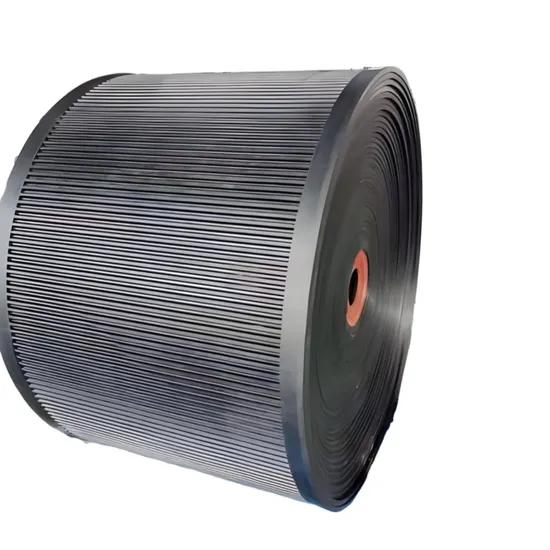
Self-cleaning screen panels are a specialized type of SCREENING MEDIA designed to automatically prevent material buildup in screen apertures. They consist of high-strength steel wire ropes coated with a flexible, wear-resistant polyurethane material. The key innovation is the independent movement of each wire, which vibrates freely during operation.
This “live wire” action continuously dislodges near-size particles that would otherwise become trapped, maintaining a consistently high open area and screening efficiency. Unlike conventional woven wire or perforated steel panels, self-cleaning panels are specifically engineered for challenging applications where materials are wet, sticky, or have a high proportion of near-size particles.
The POLYURETHANE COATED STEEL WIRE ROPE SCREEN construction provides superior wear resistance, particularly for abrasive materials like coal, iron ore, and silica sand.
Working Principle
The self-cleaning mechanism is based on the principle of independent wire vibration. Each steel wire rope is coated with polyurethane and mounted in a way that allows it to move independently from its neighbors. As the vibrating screen operates, the material feed creates a series of impacts on the screen surface.
When a near-size particle becomes wedged in an aperture, the dynamic forces of the moving material cause the surrounding wires to flex and vibrate. This vibration creates a small but effective opening, which allows the trapped particle to pass through or be ejected. The continuous flexing action prevents particles from becoming permanently lodged, effectively eliminating screen blinding.
This design provides several advantages over conventional screens:
- Self-cleaning action: Prevents aperture blockage
- Maintained open area: Consistent screening efficiency
- Reduced maintenance: Less manual cleaning required
- Longer service life: Resists wear and fatigue better than steel
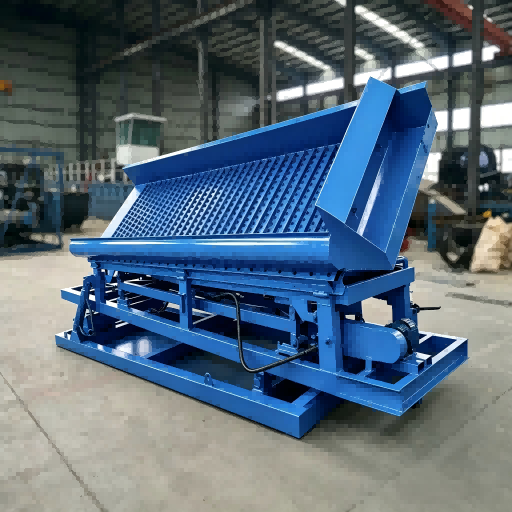
The VIBRATING SCREEN MACHINE works in harmony with these panels, with the vibration frequency and amplitude optimized for the self-cleaning action.
Benefits
1. Higher Processing Capacity
The Indonesian coal plant achieved a 67% increase in throughput, rising from 1,200 TPH to 2,000 TPH after installing the 13 mm self-cleaning panels. This dramatic improvement resulted from better material stratification, higher effective open area, and continuous screening without blockage. The VIBRATING SCREEN PANELS maintained consistent performance even with high moisture content.
2. Improved Product Recovery
By reducing the screen aperture from 25 mm to 13 mm while maintaining excellent open area, the plant recovered 452,000 tons more clean coal annually. This represents a significant increase in saleable product without expanding plant capacity. The finer screening captured more fine coal that was previously lost to the reject stream.
3. Enhanced Product Quality
Laboratory testing showed improved coal quality, including more consistent particle size distribution and increased calorific value. The improved separation efficiency produced a cleaner product with fewer impurities, creating additional commercial value and improving customer satisfaction.
4. Lower Operating Costs
With production targets achieved in fewer operating hours, daily operating time decreased by approximately 2.8 hours. This reduced electricity consumption, saving approximately RMB 1.52 million annually. Less operating time also reduces wear on bearings, motors, exciters, and other mechanical components, extending their service life.
5. Reduced Maintenance
The self-cleaning design minimizes screen blockage, reducing maintenance shutdowns and improving equipment availability. This means less downtime for manual cleaning and longer intervals between screen replacements. The POLYURETHANE SCREEN PANEL construction resists wear, further extending service life.
6. Direct Replacement
The panels are designed to fit existing vibrating screens without structural modifications. This eliminates costly plant redesign and allows for rapid installation. The Indonesian plant completed the upgrade with minimal downtime, resuming production quickly.
7. ROI and Payback Period
The project generated RMB 41.3 million in additional annual economic benefits. With a relatively modest investment in screening media replacement, the payback period was exceptionally short—typically less than six months for most mining applications.
Applications
Self-cleaning screen panels are widely used across various mining and mineral processing applications:
| Industry | Material | Application | Typical Aperture |
|---|---|---|---|
| Coal | Raw coal, clean coal, middlings | Dewatering, desliming, classification | 6-50 mm |
| Iron Ore | Hematite, magnetite | Fines recovery, screening | 0.5-25 mm |
| Gold | Oxide ore, sulfide ore | SAG mill discharge screening | 5-25 mm |
| Copper | Porphyry copper | Crushing circuit screening | 5-30 mm |
| Silica Sand | Quartz sand | Classification, washing | 0.5-5 mm |
| Aggregates | Gravel, crushed stone | Sizing, washing | 5-50 mm |
| Lithium Ore | Spodumene | Fines screening | 1-10 mm |
| Lead Zinc Ore | Sphalerite, galena | Classification | 2-20 mm |
| Nickel Ore | Laterite, sulfide | Screening | 5-30 mm |
| Phosphate | Phosphate rock | Crushing circuit screening | 2-25 mm |
Material Comparison
Self-Cleaning Screen vs. Traditional Steel Screen
| Feature | Self-Cleaning Screen | Traditional Steel Screen |
|---|---|---|
| Material | Polyurethane-coated steel wire | Perforated steel or woven wire |
| Anti-Blinding | Excellent (self-cleaning) | Poor (frequent blinding) |
| Service Life | 3-5× longer | Standard |
| Open Area | Maintained consistently | Decreases with blinding |
| Maintenance | Low | High (manual cleaning required) |
| Cost | Higher initial | Lower initial |
| TCO | Lower | Higher |
| Best Application | Wet, sticky materials | Dry, free-flowing materials |
Polyurethane-Coated vs. Rubber Screen Panels
| Feature | Polyurethane-Coated | Rubber |
|---|---|---|
| Abrasion Resistance | Excellent | Good |
| Tear Resistance | Excellent | Good |
| Temperature Resistance | Good (up to 80°C) | Better (up to 120°C) |
| Flexibility | Moderate | Excellent |
| Self-Cleaning | Excellent | Good |
| Cost | Moderate | Lower |
| Best Application | Abrasive, wet materials | Impact, high-temperature applications |
For more detailed information on material selection, refer to this TECHNICAL GUIDE ON PREVENTING POLYURETHANE SCREEN FAILURES.
Application Comparison
Self-Cleaning Screen vs. Conventional Screen
| Application | Self-Cleaning Screen | Conventional Screen |
|---|---|---|
| Wet Coal | ✔ Excellent | ✘ Poor (blinding) |
| Sticky Materials | ✔ Excellent | ✘ Poor |
| Near-Size Materials | ✔ Good | ✘ Poor (pegging) |
| Dry, Free-Flowing | ✔ Good | ✔ Good |
| Abrasive Ores | ✔ Excellent | ✔ Good |
| Fines Recovery | ✔ Excellent | ✘ Poor |
Self-Cleaning Screen vs. Flip Flow Screen
| Feature | Self-Cleaning Screen | Flip Flow Screen |
|---|---|---|
| Self-Cleaning | ✔ Excellent | ✔ Excellent |
| Flexibility | Good | Excellent |
| Wear Resistance | Excellent | Good |
| Cost | Moderate | Higher |
| Maintenance | Low | Moderate |
| Best Application | Coal, aggregates | Wet, sticky materials |
For more information on alternative technologies, see this TECHNICAL GUIDE ON FLIP FLOP SCREENS.
Industry Application Matrix
| Industry | Wet | Sticky | Abrasive | Near-Size | Fine Recovery | Recommended |
|---|---|---|---|---|---|---|
| Coal | ✔ | ✔ | ✔ | ✔ | ✔ | Highly Recommended |
| Iron Ore | ✔ | ✘ | ✔ | ✔ | ✔ | Recommended |
| Gold | ✔ | ✘ | ✔ | ✔ | ✔ | Recommended |
| Copper | ✔ | ✘ | ✔ | ✔ | ✔ | Recommended |
| Silica Sand | ✔ | ✘ | ✔ | ✔ | ✔ | Recommended |
| Aggregates | ✔ | ✔ | ✔ | ✔ | ✔ | Highly Recommended |
| Lithium Ore | ✔ | ✘ | ✔ | ✔ | ✔ | Recommended |
Selection Guide
When selecting self-cleaning screen panels for your application, consider the following factors:
1. Aperture Size
Choose the appropriate aperture size based on your cut point requirements. The Indonesian plant reduced aperture from 25 mm to 13 mm to improve recovery while maintaining throughput. Typical aperture sizes range from 0.5 mm to 100 mm.
2. Wire Diameter
Larger diameter wires provide higher strength and longer service life but reduce open area. Balance these factors based on your material characteristics and throughput requirements.
3. Polyurethane Hardness
Shore hardness typically ranges from 85 to 95 Shore A. Softer polyurethane provides better self-cleaning action but shorter service life. Harder polyurethane offers higher abrasion resistance but reduced flexibility. For coal applications, 88-92 Shore A is typically recommended.
4. Panel Configuration
Modular panels allow for easier replacement and maintenance. Customized designs can match existing screen frames. Consider whether you need bolt-down or tension-type panels.
5. Material Characteristics
Consider feed size distribution, moisture content, abrasiveness, and whether the material is sticky. The Indonesian plant’s high moisture content made self-cleaning panels essential.
6. Operating Conditions
Evaluate throughput requirements, vibration frequency, amplitude, and screening angle. Higher vibration frequencies generally improve self-cleaning action.
7. Cost Considerations
While self-cleaning panels have higher initial cost, they typically offer significantly lower total cost of ownership. Calculate the ROI based on expected service life and performance improvements.
For a detailed procurement checklist, refer to this BUYER GUIDE ON SCREEN PANEL SELECTION.
Procurement Guide
Required Information
- Screen model and dimensions
- Current aperture size and desired aperture size
- Feed size distribution (D50, D80)
- Material moisture content
- Throughput requirements
- Operating conditions (vibration frequency, amplitude)
- Expected service life requirements
Drawings Needed
- Screen frame drawing
- Panel dimensions and fixing hole positions
- OEM part numbers (if replacing existing media)
- Mounting type (bolt-down or tension)
Material Selection
- Polyurethane hardness (Shore 85-95 A)
- Wire grade (high-strength steel, typically 1770-1960 N/mm²)
- Coating thickness (typically 2-5 mm)
- Wire diameter (based on application requirements)
Supplier Evaluation Checklist
- ✓ Can manufacturer produce according to drawings?
- ✓ Can supplier provide material test reports?
- ✓ Does supplier support OEM replacement?
- ✓ Does supplier have export experience?
- ✓ Can supplier provide wear-life recommendations?
- ✓ Does supplier offer technical support?
- ✓ What is the manufacturing lead time?
- ✓ What is the minimum order quantity (MOQ)?
- ✓ Does supplier offer warranty?
- ✓ What is the quality assurance process?
Common Buyer Questions
- “What is the expected service life for our material?”
- “Can you customize aperture size and panel dimensions?”
- “Do you offer installation support?”
- “What is your quality assurance process?”
- “Do you provide samples for testing?”
- “What is your lead time for custom orders?”
- “Do you offer bulk discounts?”
The MINING SCREEN PANEL INSTALLATION GUIDE provides detailed instructions for proper installation.
Failure Analysis
Common Problems and Solutions
| Problem | Possible Cause | Recommended Solution |
|---|---|---|
| Premature Wear | Material abrasiveness too high; incorrect polyurethane hardness | Select harder polyurethane (95 Shore A) or increase coating thickness |
| Wire Breakage | Fatigue failure; excessive vibration | Check vibration parameters; consider larger wire diameter |
| Blinding/Pegging | High moisture; near-size particles | Verify self-cleaning design; consider larger apertures |
| Poor Screening Efficiency | Inadequate vibration; incorrect aperture | Adjust vibration settings; evaluate aperture size |
| Excessive Downtime | Frequent panel replacements; difficult installation | Use modular panels; improve maintenance procedures |
| Poor Fitment | Incorrect dimensions; manufacturing tolerance issues | Verify drawings; work with qualified manufacturer |
| Material Mismatch | Wrong polyurethane type for application | Review material conditions; consult manufacturer |
| Coating Delamination | Poor adhesion; chemical attack | Verify manufacturing quality; check chemical compatibility |
Wear Pattern Monitoring
- Check for uneven wear: Indicates improper material distribution or screen leveling issues
- Monitor wire condition: Replace when wires are worn to 50% of original diameter
- Inspect coating: Replace when polyurethane is worn to wire exposure
- Record performance data: Track throughput and efficiency over time
- Document replacement intervals: Establish baseline for preventive maintenance
For more insights on common failures, see this TECHNICAL GUIDE ON WHY POLYURETHANE SCREEN PANELS ARE REPLACING STEEL IN MINING.
Maintenance Guide
Daily Inspection
- ✓ Visual inspection of screen panels for damage
- ✓ Check for material buildup or blinding
- ✓ Monitor screening efficiency
- ✓ Record throughput and operating conditions
- ✓ Listen for unusual noise or vibration
Weekly Inspection
- ✓ Measure open area (check for blinding)
- ✓ Inspect wire condition (look for wear or breakage)
- ✓ Check polyurethane coating for wear or delamination
- ✓ Verify panel fitment and fixing security
- ✓ Check support rails and frame condition
Monthly Inspection
- ✓ Detailed wear pattern analysis
- ✓ Measure critical dimensions (wire diameter, aperture size)
- ✓ Evaluate performance data trends
- ✓ Plan for preventive replacement
- ✓ Document findings for future reference
Replacement Timing
- Replace when wires are worn to 50% of original diameter
- Replace when open area decreases by 20%
- Replace when blinding cannot be resolved by cleaning
- Replace if throughput drops below acceptable levels
- Replace if product quality declines
Spare Parts Inventory
- Keep 10-20% spare panels on hand
- Stock critical fasteners and support components
- Maintain installation tools and equipment
- Consider emergency replacement sets for critical operations
Preventive Maintenance
- Implement regular cleaning schedule
- Monitor vibration parameters
- Document performance data for trend analysis
- Train operators on proper operation and maintenance
- Establish maintenance schedule based on wear patterns
Case Study
Indonesian Coal Mine Achieves 67% Capacity Increase with HUATAO Self-Cleaning Screen Panels
Customer Type: Coal Preparation Plant
Ore Type: Bituminous Coal, High Moisture Content
Operating Conditions: Wet, sticky feed; frequent blinding of conventional screens; 25 mm aperture previously used
Problem:
The plant was processing wet raw coal with traditional steel screen panels. High moisture content caused rapid screen blinding, forcing frequent shutdowns for manual cleaning. The plant’s capacity was limited to 1,200 TPH, and valuable fine coal was being lost to reject streams. Maintenance costs were high, and downtime was negatively impacting production targets. The existing 25 mm steel panels required replacement every 4-6 weeks.
Solution:
HUATAO engineers evaluated the plant’s operating conditions and recommended a direct replacement of the existing 25 mm steel panels with customized 13 mm self-cleaning screen panels. The new panels were designed to fit the existing vibrating screen frame, requiring no structural modifications. Installation was completed with minimal downtime. The total project timeline from evaluation to commissioning was 6 weeks.
Result:
- Processing capacity increased from 1,200 TPH to 2,000 TPH (+67%)
- Annual clean coal recovery increased by 452,000 tons
- Product quality improved (more consistent particle size; higher calorific value)
- Daily operating time reduced by 2.8 hours
- Annual electricity savings: RMB 1.52 million
- Panel service life increased to 6-8 months (vs. 4-6 weeks)
- Additional annual economic benefits: RMB 41.3 million
The project demonstrated that a strategic upgrade of screening media can deliver exceptional returns on investment. The self-cleaning panels eliminated blinding, improved efficiency, and reduced operating costs without requiring expensive plant modifications.
This success story is part of a broader trend where MINING PLANTS ARE REPLACING TRADITIONAL DEWATERING SCREENS with more advanced, wear-resistant alternatives.
FAQ
Q1: What are self-cleaning screen panels?
A: Self-cleaning screen panels are screening media designed to prevent material buildup in apertures. They use flexible, independently vibrating steel wires coated with polyurethane. The independent wire action continuously dislodges trapped particles, maintaining high open area and screening efficiency.
Q2: How do self-cleaning screen panels work?
A: Each steel wire vibrates independently during operation. When a particle becomes trapped, the dynamic forces cause surrounding wires to flex and vibrate, creating a temporary opening that allows the particle to pass or be ejected. This prevents permanent blinding and maintains consistent screening performance.
Q3: What materials are self-cleaning screen panels made of?
A: They consist of high-strength steel wire ropes with a wear-resistant polyurethane coating. The polyurethane provides abrasion resistance while the steel wire provides strength. Different hardness grades (Shore 85-95 A) are available for different applications.
Q4: How much do self-cleaning screen panels cost?
A: Self-cleaning panels have higher initial cost than conventional steel screens. However, they typically offer significantly lower total cost of ownership due to longer service life, reduced downtime, and lower maintenance requirements. The ROI can be exceptional, with payback periods often less than six months.
Q5: How long do self-cleaning screen panels last?
A: Service life depends on material abrasiveness, operating conditions, and proper selection. In typical coal applications, they last 3-5 times longer than conventional steel screens. The Indonesian plant achieved 6-8 months of service life compared to 4-6 weeks for steel panels.
Q6: Can self-cleaning screen panels be used for wet materials?
A: Yes, self-cleaning panels excel in wet and sticky applications. The independent wire vibration prevents material buildup, making them ideal for high-moisture materials such as wet coal, sticky aggregates, and dewatering applications.
Q7: How do I select the right self-cleaning screen panel?
A: Consider aperture size, material characteristics (moisture, abrasiveness, feed size), operating conditions (vibration, throughput), and budget. Consult with engineering experts like HUATAO for detailed recommendations based on your specific application.
Q8: Where can I buy high-quality self-cleaning screen panels?
A: HUATAO is a leading manufacturer of self-cleaning and polyurethane screen panels. With extensive experience in mining and mineral processing, HUATAO provides custom-engineered solutions backed by technical expertise and after-sales support. Contact our team for more information.
Q9: What is the typical lead time for self-cleaning screen panels?
A: Lead time depends on customization requirements and order quantity. Standard panels may be available in 2-4 weeks, while custom designs may require 4-6 weeks. Discuss your timeline with the manufacturer to plan accordingly.
Q10: Do self-cleaning screen panels reduce operating costs?
A: Yes, significantly. By reducing downtime, eliminating manual cleaning, and extending service life, self-cleaning panels lower overall operating costs. The Indonesian plant saved RMB 1.52 million annually in electricity alone, plus substantial maintenance savings.
Q11: Can self-cleaning screen panels be customized?
A: Yes, HUATAO offers custom-engineered panels to match specific screen frames and application requirements. Customization includes aperture size, wire diameter, panel dimensions, polyurethane hardness, and mounting type.
Q12: What is the difference between self-cleaning screens and flip flow screens?
A: Both technologies address blinding, but they work differently. Self-cleaning screens use independent wire vibration, while flip flow screens use flexible panels with high acceleration. Self-cleaning screens typically offer better wear resistance for abrasive materials.
Conclusion
Self-cleaning screen panels represent a significant advancement in screening technology for the mining and mineral processing industries. The case study from the Indonesian coal mine demonstrates that upgrading to high-quality self-cleaning panels can deliver exceptional results: higher throughput, improved product recovery, lower operating costs, and rapid return on investment.
The key to success lies in selecting the right panel design for your specific application. Factors such as aperture size, wire diameter, and polyurethane hardness must be carefully matched to material characteristics and operating conditions. Working with an experienced manufacturer like HUATAO ensures that you receive proper technical guidance and custom-engineered solutions.
As mining operations face increasing pressure to improve efficiency and reduce costs, self-cleaning screen panels offer a proven solution. Whether you are processing coal, iron ore, gold, copper, or aggregates, this technology can transform your screening performance and deliver substantial economic benefits.
Do you need assistance optimizing your screening process? Huatao Group offers free expert solutions.
Related Articles
Related Products
- VIBRATING SCREEN PANELS
- SHAKER SCREEN
- VIBRATING SCREEN MACHINE
- CRUSHER
- MINING SCREENING MEDIA
- POLYURETHANE SCREEN PANEL
- SELF-CLEANING SCREEN MESH
Related Technical Guides
- MINERAL TECHNICAL NEWS
- WHY POLYURETHANE SCREEN PANELS ARE REPLACING STEEL IN MINING
- A TECHNICAL GUIDE TO PREVENTING POLYURETHANE SCREEN FAILURES
- HYDROCYCLONE SELECTION FOR MINERAL PROCESSING
- OEM COMPATIBLE CRUSHER WEAR PARTS TECHNICAL SELECTION
- WHY MORE MINING PLANTS ARE SWITCHING TO FLIP FLOP SCREENS
Related Buyer Guides
- HOW TO CHOOSE HIGH QUALITY POLYURETHANE SCREEN
-
- WHERE CAN I FIND RELIABLE HYDROCYCLONE SUPPLIERS IN CHINA
- WHO ARE THE LEADING MINING SCREEN MANUFACTURERS IN CHINA
- POLYURETHANE SCREEN INSTALLATION GUIDE
- HOW TO SOLVE COMMON SCREENING PROBLEMS
Related Comparison Articles
- POLYURETHANE SCREEN PANELS VS RUBBER SCREEN PANELS
- BEST ALTERNATIVE TO METSO CRUSHER WEAR PARTS
- WHICH CRUSHER WEAR PARTS SUPPLIER EXPORTS TO AUSTRALIA AND CANADA
- HYDROCYCLONE VS VIBRATING SCREEN
Contact: Annie Lu
Email: annie.lu@huataogroup.com
Phone/WhatsApp: 008618032422676
Website: http://www.huataoscreen.com10 Core Keywords: Self-Cleaning Screen, Coal Processing, Mining Efficiency, Polyurethane Screen, Vibrating Screen, Mineral Processing, Screening Media, HUATAO, Screen Blinding, Wet Coal Screening
20 Tags: Self-Cleaning Screen, Coal Processing, Mining Efficiency, Polyurethane Screen, Vibrating Screen, Mineral Processing, Screening Media, HUATAO, Screen Blinding, Wet Coal, Indonesian Mining, Coal Preparation, Wear Parts, Mining Equipment, Screening Technology, Fines Recovery, Throughput Improvement, Cost Reduction, Maintenance Reduction, Mining Industry
Tags:
admin
personal profile