
Steel vs. Polyurethane vs. Rubber Screen Panels: The Ultimate Guide to Mining Screening Choices
-
 admin
admin - 29 Jul, 2026
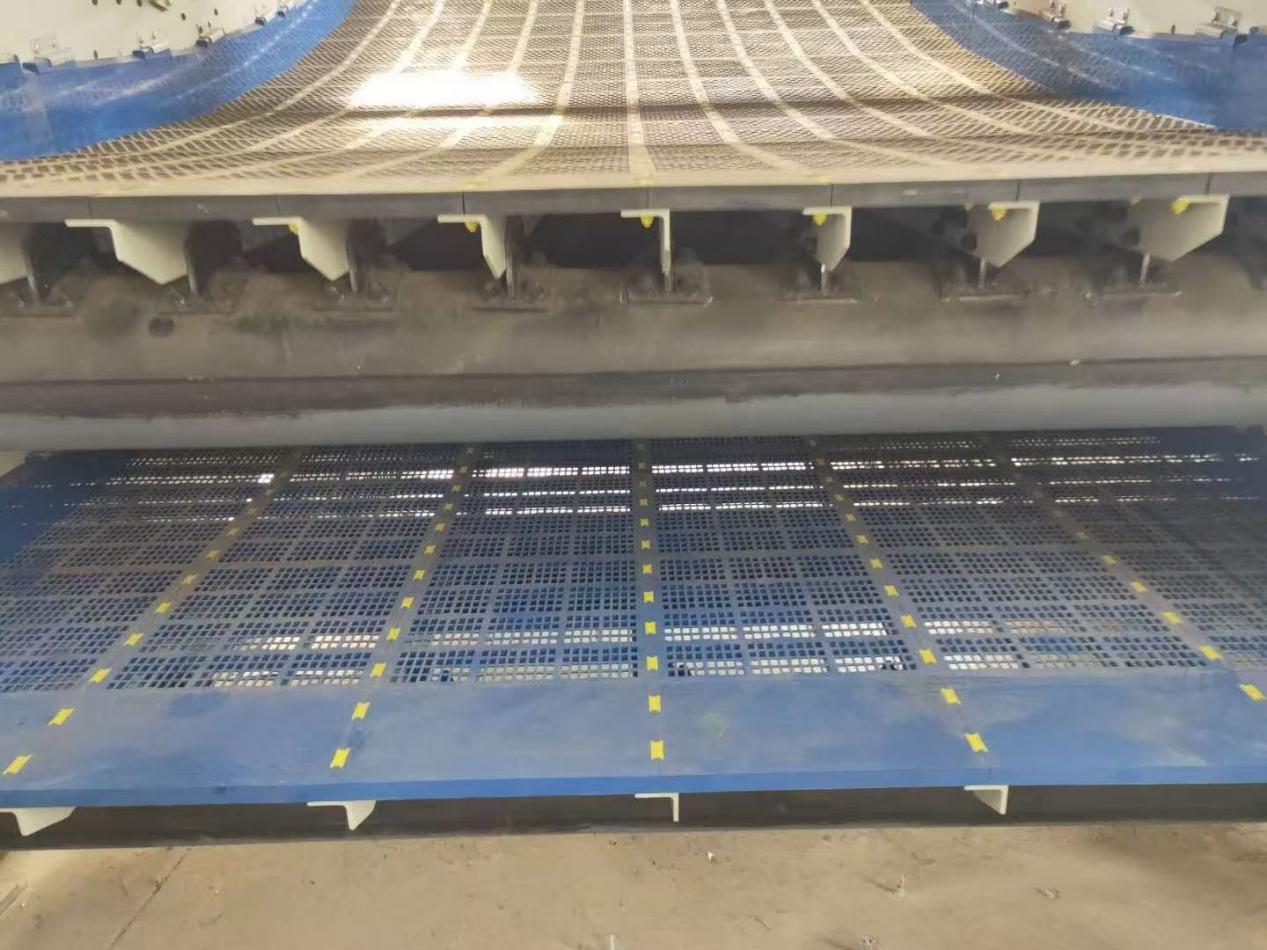
In the mining and aggregate sector, picking the right screen panel is a make-or-break decision for optimizing operational efficiency, cutting downtime, and controlling costs. As a trusted provider of high-performance screening solutions, HUATAO GROUP brings you a comprehensive comparison of three mainstream screen panel types—steel, polyurethane, and rubber. We dive into their material properties, open area rates, screening efficiency, anti-blinding capabilities, and durability, backed by real-world application cases. Whether you’re dealing with wet, sticky, or large-sized materials, this guide will help you make an informed choice to elevate your screening process.
Decoding the Three Screen Panel Types: Material & Core Traits
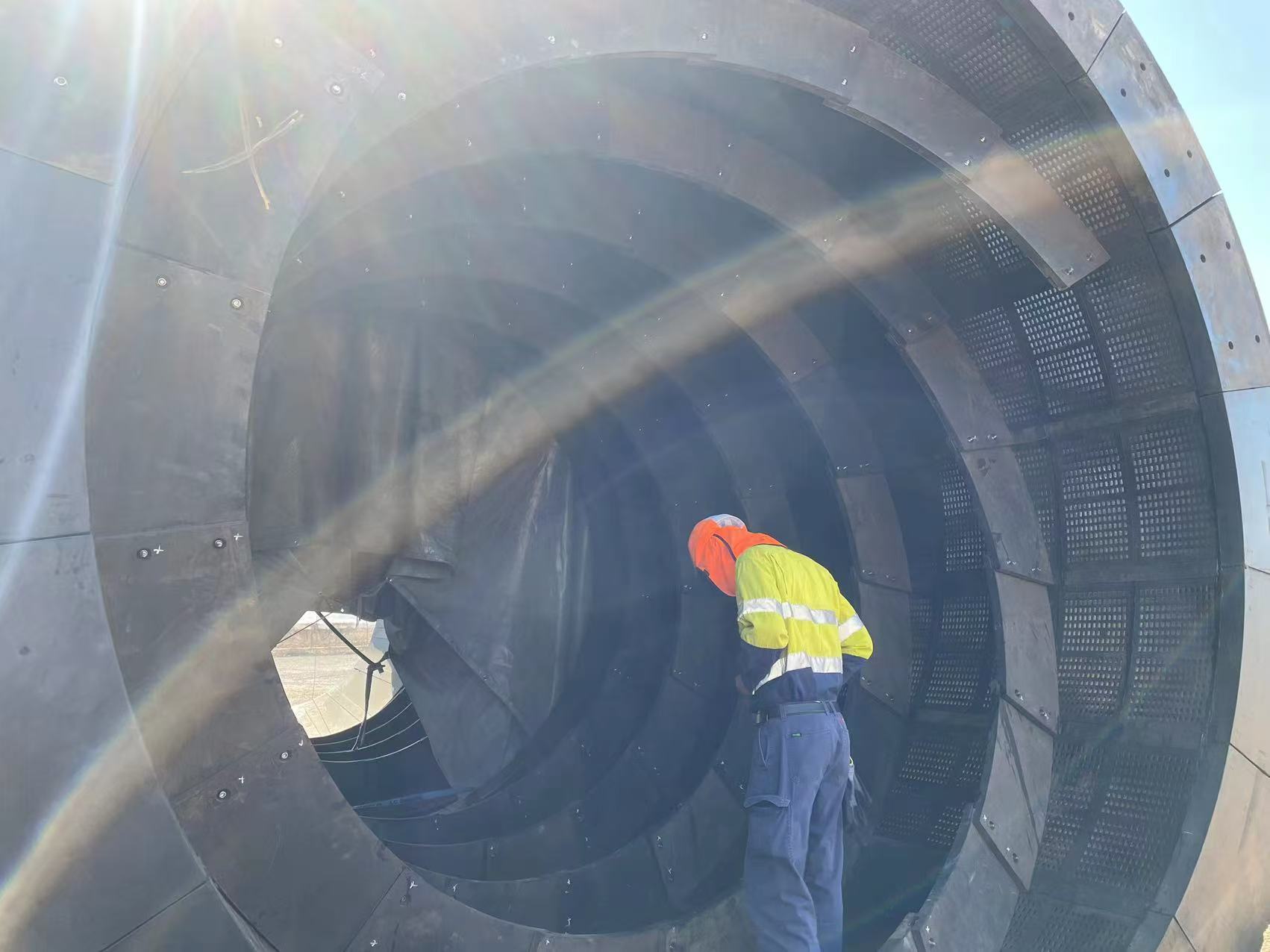
As a leading manufacturer of mining screening solutions, HUATAO GROUP specializes in producing high-performance polyurethane screens and rubber screen panels for precise mineral separation. To help you optimize efficiency, reduce downtime, and lower overall operating costs, we break down the key differences between steel, polyurethane, and rubber screen panels below:
1. Material Composition
- Steel Screen Panels: Crafted from woven or welded stainless steel wire, these panels rely on the inherent strength of steel for structural stability.
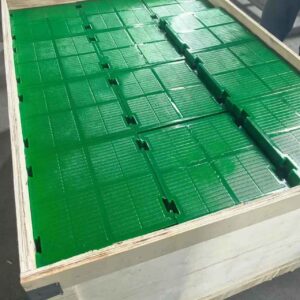
- Polyurethane Screen Panels: Manufactured by casting polyurethane pre-polymer in open molds, they leverage the material’s unique blend of hardness and flexibility.
- Rubber Screen Panels: Made from natural or synthetic rubber, which is vulcanized (heated and pressed) in closed molds to enhance durability and elasticity.
2. Open Area Performance
Open area is a critical metric for screening efficiency, as it directly impacts material throughput. Here’s how the three types compare:
- Steel Screens: Boast the highest open area. Unlike polyurethane and rubber, they require no internal reinforcement, allowing for more unobstructed space for material to pass through.
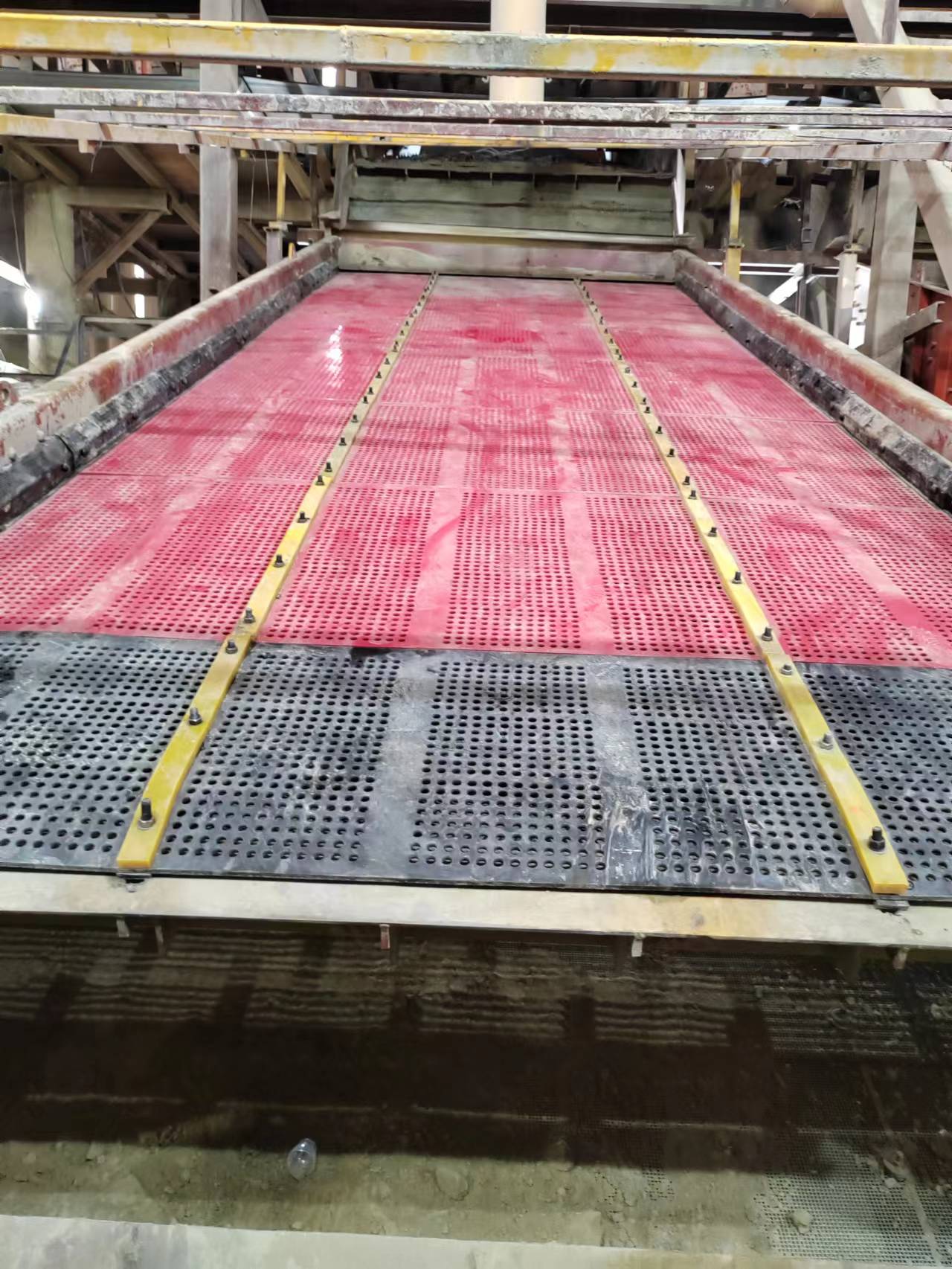
- Polyurethane & Rubber Screens: Have slightly lower open areas due to the need for internal support structures to maintain shape and durability. However, their effective open area (EOA)—the actual space available for material separation—and relative open area (ROA) are on par with steel screens, ensuring comparable basic throughput potential.
3. Screening Efficiency, Anti-Blinding & Self-Cleaning Abilities
These factors determine how well a screen panel performs in real-world mining scenarios, especially when dealing with tricky materials:
- Steel Wire Screens: While their high open area supports decent throughput, they are highly prone to blinding (clogging) when handling wet or flaky materials. Their low elasticity leads to rapid wear from constant material impact, resulting in a short service life and frequent replacements.
- Polyurethane Screen Panels: Feature high hardness (85-95 Shore A) and strong wear resistance, making them durable for abrasive materials. However, they have poor rebound performance, which means they can still get clogged by sticky materials. Their modular design is a plus, enabling easy replacement of damaged sections without changing the entire panel.
- Rubber Screen Panels: Offer medium hardness (40-65 Shore A), excellent rebound, and top-tier impact resistance. The rebound effect creates a “self-cleaning” action—when materials hit the surface, the panel bounces slightly, dislodging trapped particles. This makes them highly effective at preventing blinding, especially for wet or sticky materials. They also have a long service life, minimizing downtime from replacements.
Real-World Application Cases
HUATAO GROUP’s solutions have been put to the test in global mining operations, delivering tangible results:
Case 1: Aggregate Screening in Australia
A customer in Australia struggled with severe blinding issues on their steel and polyurethane screens, worsened by frequent wet weather. We supplied them with 40 Shore A rubber screen panels. After three months of use, the panels showed almost zero blinding, significantly boosting screening efficiency and reducing maintenance time.
Case 2: Molybdenum Ore Screening
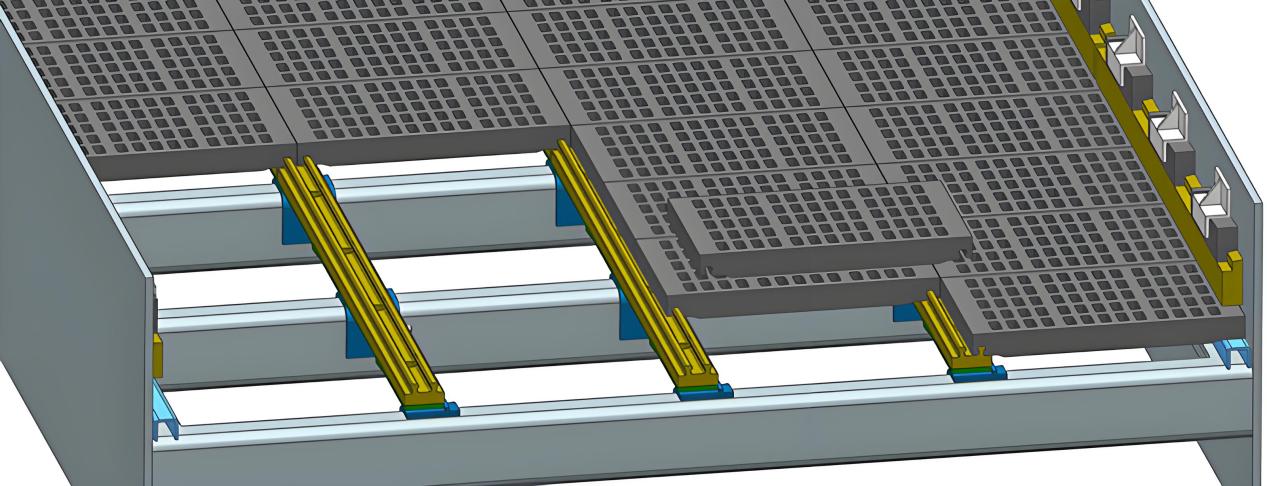
For a molybdenum ore screening project, we installed a mixed setup on a banana screen: 60 Shore A rubber panels at the feed end (to handle heavy initial impact) and 40 Shore A rubber panels at the discharge end (to enhance anti-blinding for finer particles). The result? No blinding, minimal wear, and high customer satisfaction with both performance and longevity.
HUATAO GROUP: Your Global Partner for Screening Solutions
We actively participate in international mining and aggregate exhibitions, welcoming strategic visits from global brands. Our focus is on delivering customized screening solutions tailored to the unique needs of operations worldwide—whether you need panels for wet, dry, abrasive, or sticky materials.
Conclusion
When evaluating screening efficiency, anti-blinding performance, and longevity, rubber screen panels stand out as the superior choice—especially for operations dealing with wet, sticky, or large-sized materials. Steel and polyurethane panels have their merits (steel for high open area in dry, non-sticky scenarios; polyurethane for abrasion resistance), but rubber offers the best balance of reliability and performance for most challenging mining environments.
Contact Information
Annie Lu | Huatao Group
- Email: annie.lu@huataogroup.com
- Mobile: +86 18032422676 (WhatsApp/WeChat)
- Website: www.tufflexscreen.com
Products
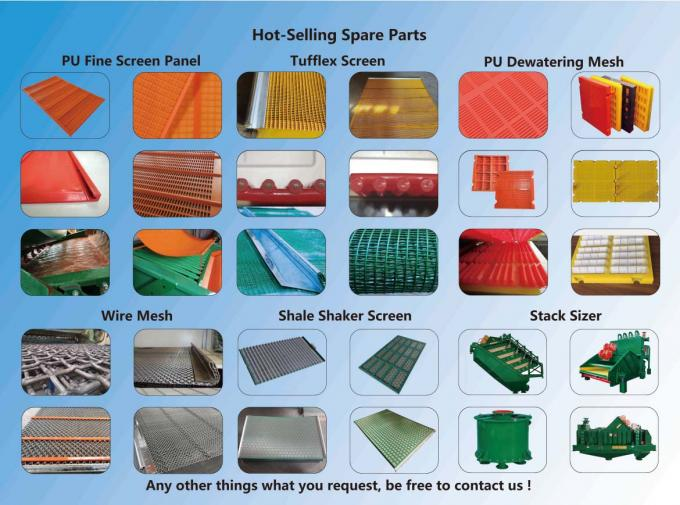
Polyurethane Fine Screen Panels | Tufflex Screens | Shale Shaker Screens
HUATAO Group – Your Trusted Supplier for High-Performance Screening Solutions.
Tags:
 admin
admin
personal profile