Many countries attach great importance to the recycling of construction waste, and have proposed many incentive policies to allow everyone to use construction waste to produce machine-made sand.
Multideck High Frequency Screens are widely used in fine screening applications such as silica sand, quartz, mineral processing, and industrial materials. Choosing the right high frequency screen is essential to achieve high screening efficiency, accurate particle separation, and lower operating costs.
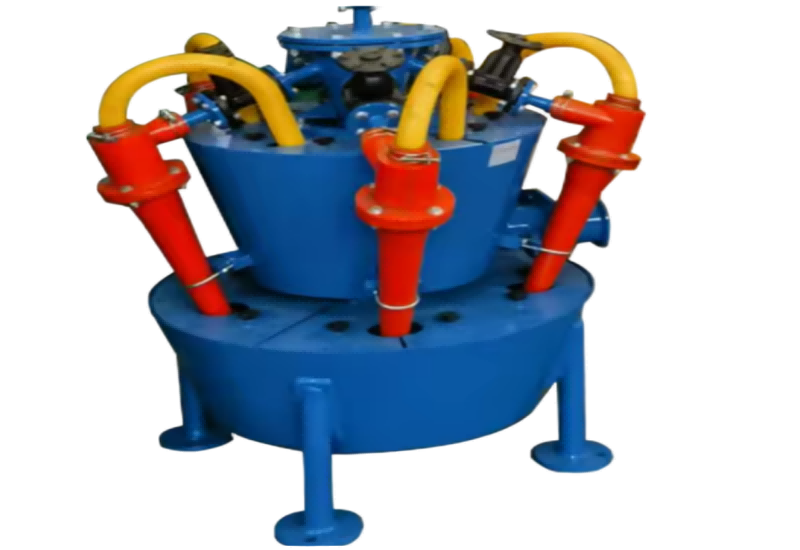
Compare polyurethane vs ceramic hydrocyclone liners for mineral processing. Learn wear resistance, cost analysis, and selection criteria for your operation.
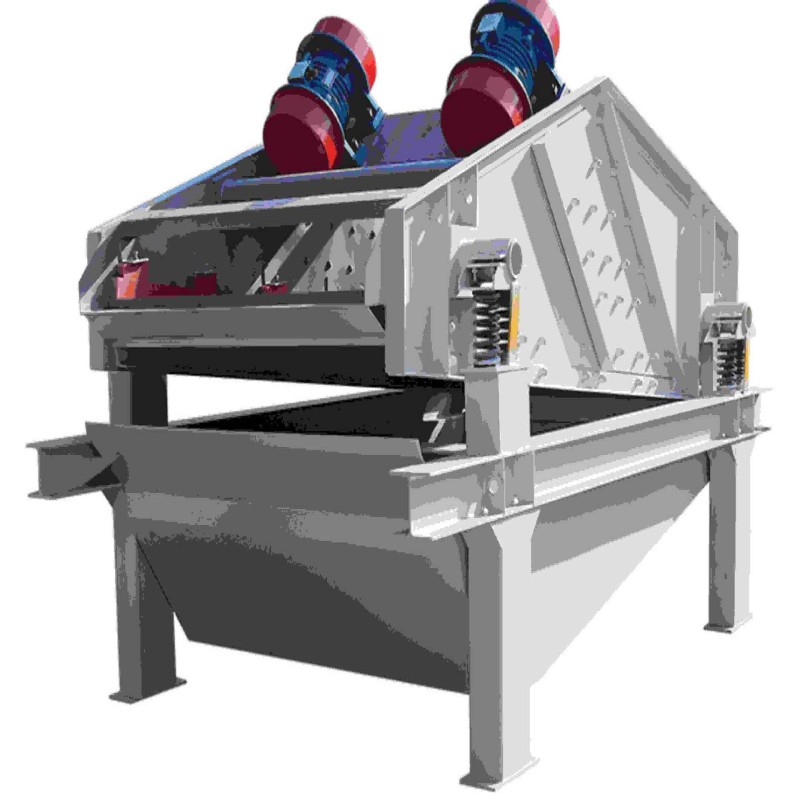
High-frequency vibrating screen is referred to as high-frequency screen, which is the same screening equipment as dewatering screen. So, what is the difference between the two? Is it just a different name? Of course not, let's find out.
Flotation machine refers to the mechanical equipment that completes the flotation process. It consists of a slurry tank, a stirring device, an aeration device, a device for discharging mineralized bubbles, and an electric motor.