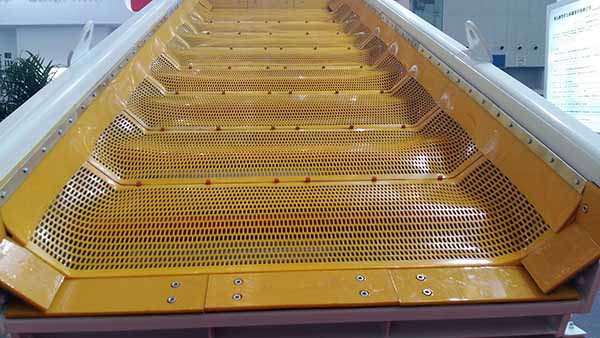
In modern mineral processing plants, screening efficiency is no longer just about throughput — it directly defines operating cost, product quality, and plant stability. Yet, many operators are still struggling with the same persistent issues: short screen media lifespan, unstable supply chains, and rising replacement costs.
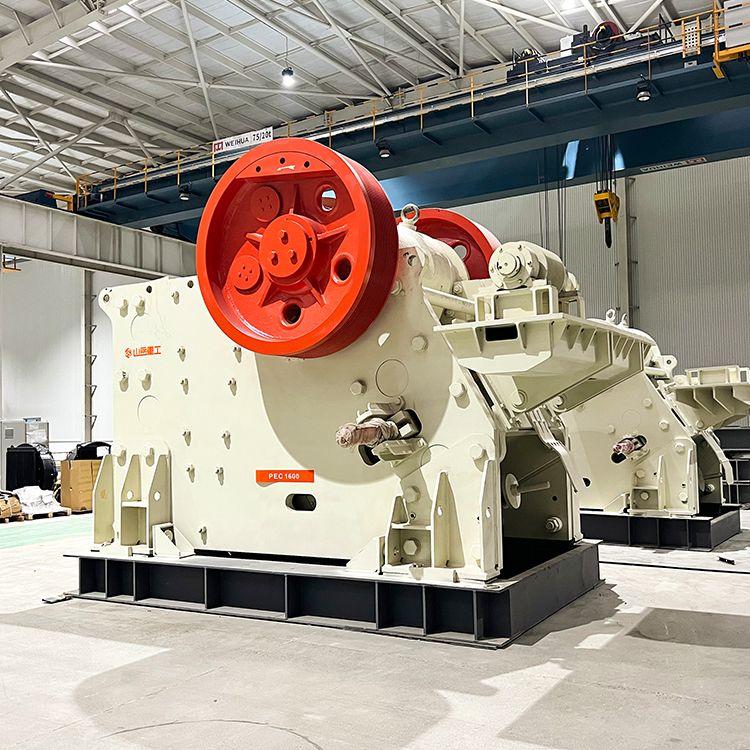
Mining, aggregate and mineral processing, recycling, and other material handling plants usually need to reduce the size of their raw materials to create something sellable. Once their raw material is mined, harvested, or collected, it needs to be broken down into something closer to the end-product.
Counter roll sand machine is also called counter-roll sand making machine and counter-roll sand making machine. Its discharge particle size is relatively fine, and it is often used in sand making operations.
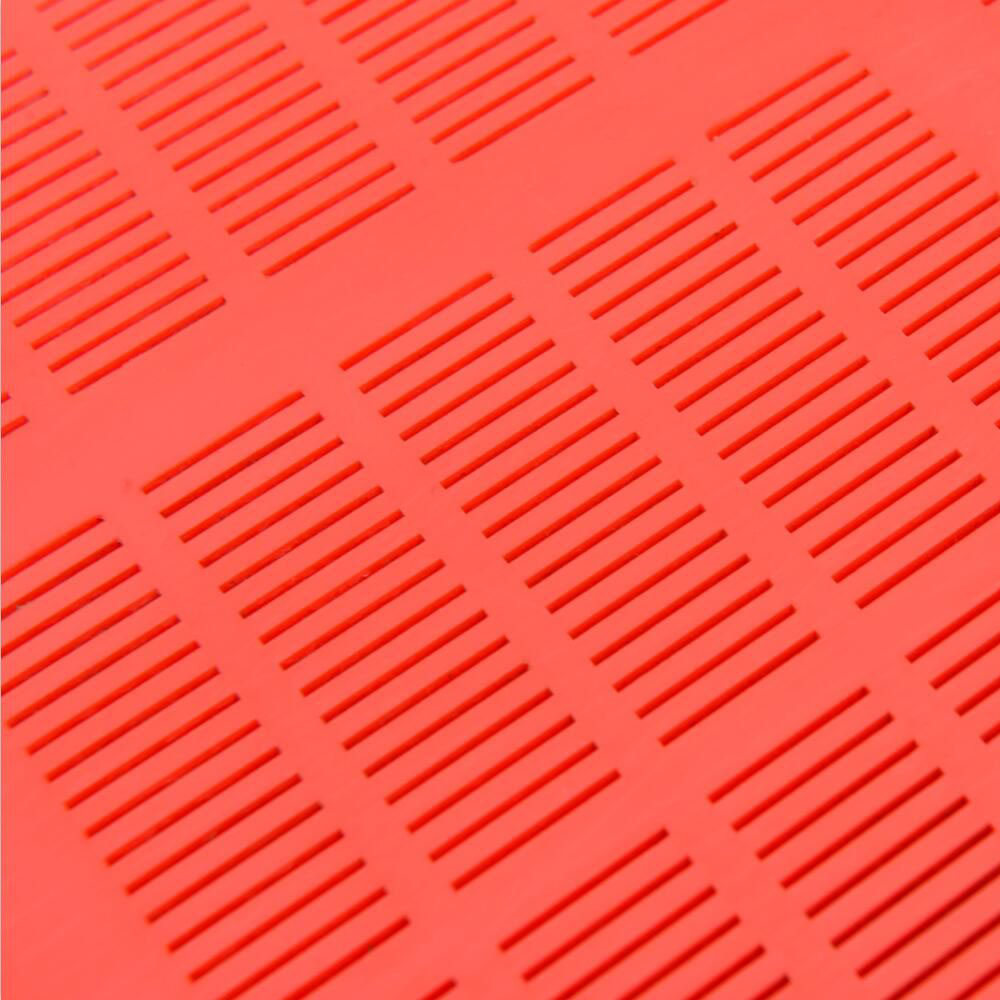
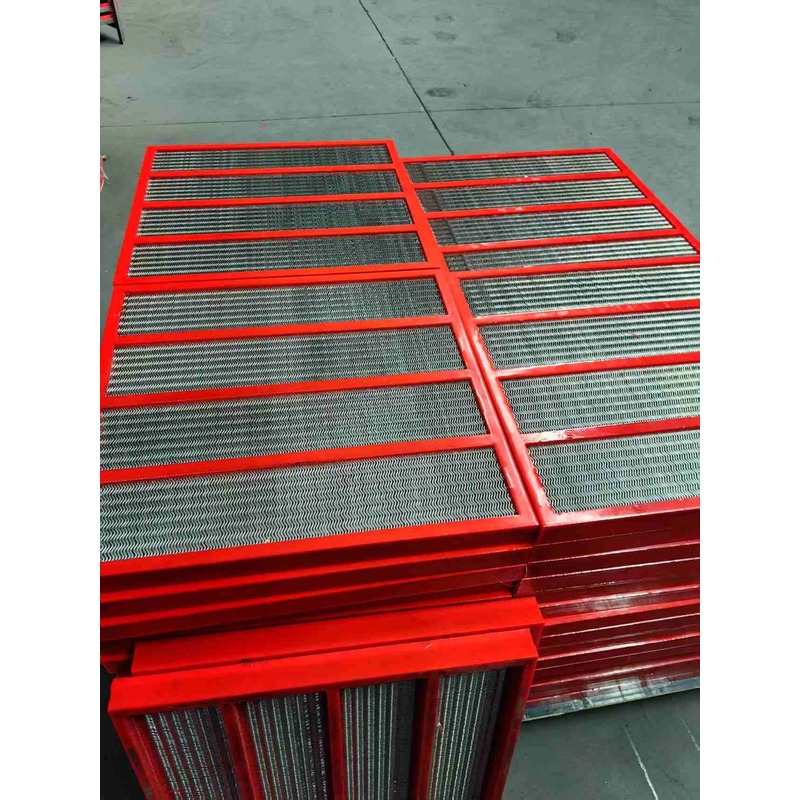
Self-cleaning screen panels are innovative screening media that use flexible, independently vibrating steel wires coated with polyurethane to prevent material buildup and blinding.
The rough rubble generally requires that the thickness of the middle of the stone is not less than 150mm, the length is 300-400mm, the mass is about 20-30kg, the strength should not be less than 10MPa, and the softening coefficient should not be less than 0.8; the flat rubble is slightly processed from the rubble. , the shape is more chaotic and tidy, its shape basically has six sides, but the surface is rough, and the thickness of the middle is not less than 200mm.
In today's mining industry, every unplanned shutdown, every delayed spare part, and every unnecessary screen replacement directly impacts production costs and profitability.