As the sun was setting and the city was flashing with neon lights, the fifth team of our foreign trade company finally finished a busy day of work, busy with inquiries and quotes from various countries, ship scheduling and responding to customer emails. In order to relax, celebrate Serena's birthday, and improve our relationship with each other, we went to a famous local hot pot restaurant, ready to start a pleasant team building journey.
An authoritative international ranking has unveiled the 2025 hierarchy of global mining powerhouses, highlighting a sector undergoing profound structural shifts. BHP Billiton retains its top position with a $126 billion market value, bolstered by its diversified portfolio spanning iron ore, copper, coal, and oil.
Zijin Mining has announced a significant production setback at its Kamoa-Kakula copper mine in Africa, the continent’s largest, after a flooding incident slashed 2025 output targets by 28%. The accident, triggered by underground pumping facility damage from late-May mine earthquakes, has forced the company to revise its annual copper production plan from 520,000–580,000 tons to 370,000–420,000 tons.
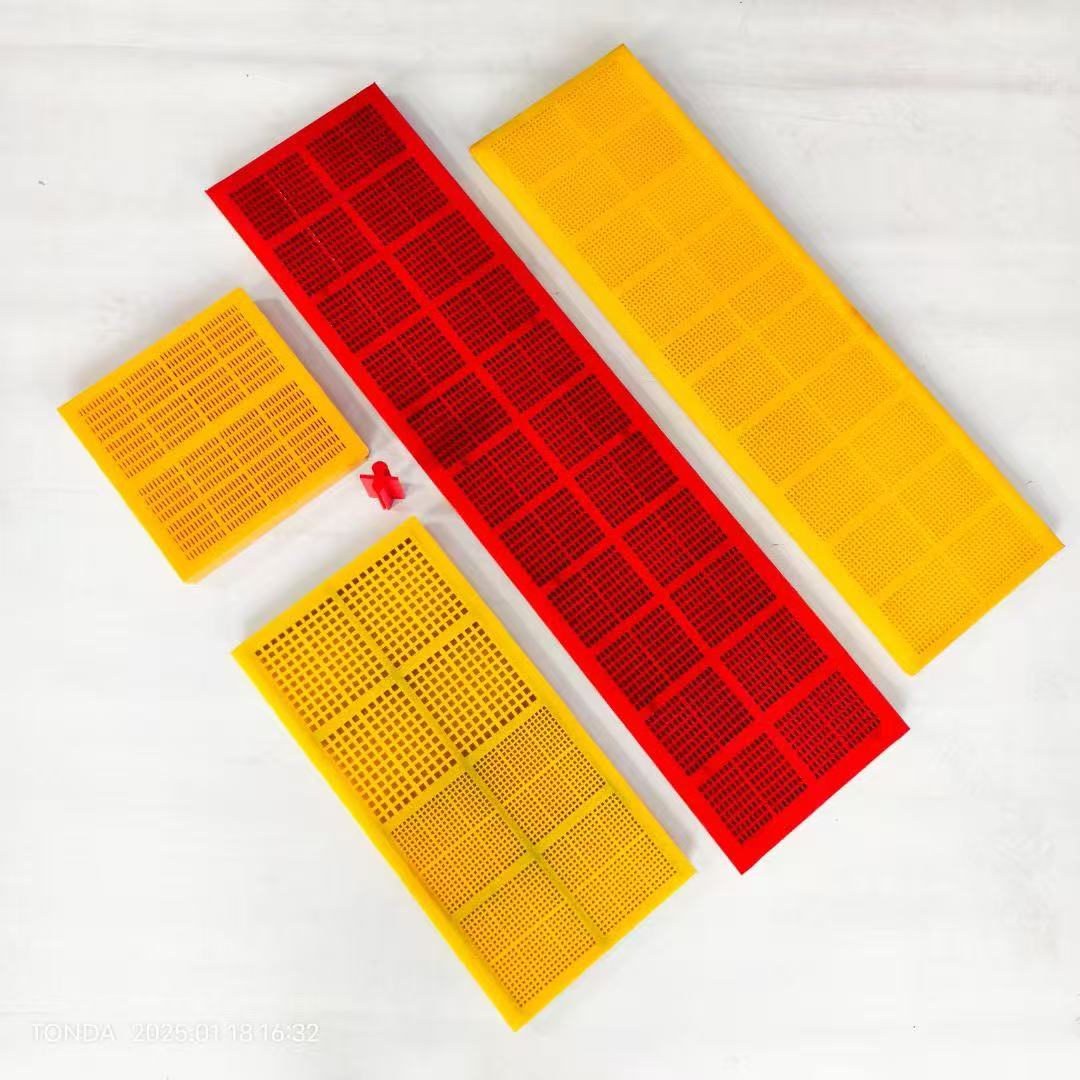
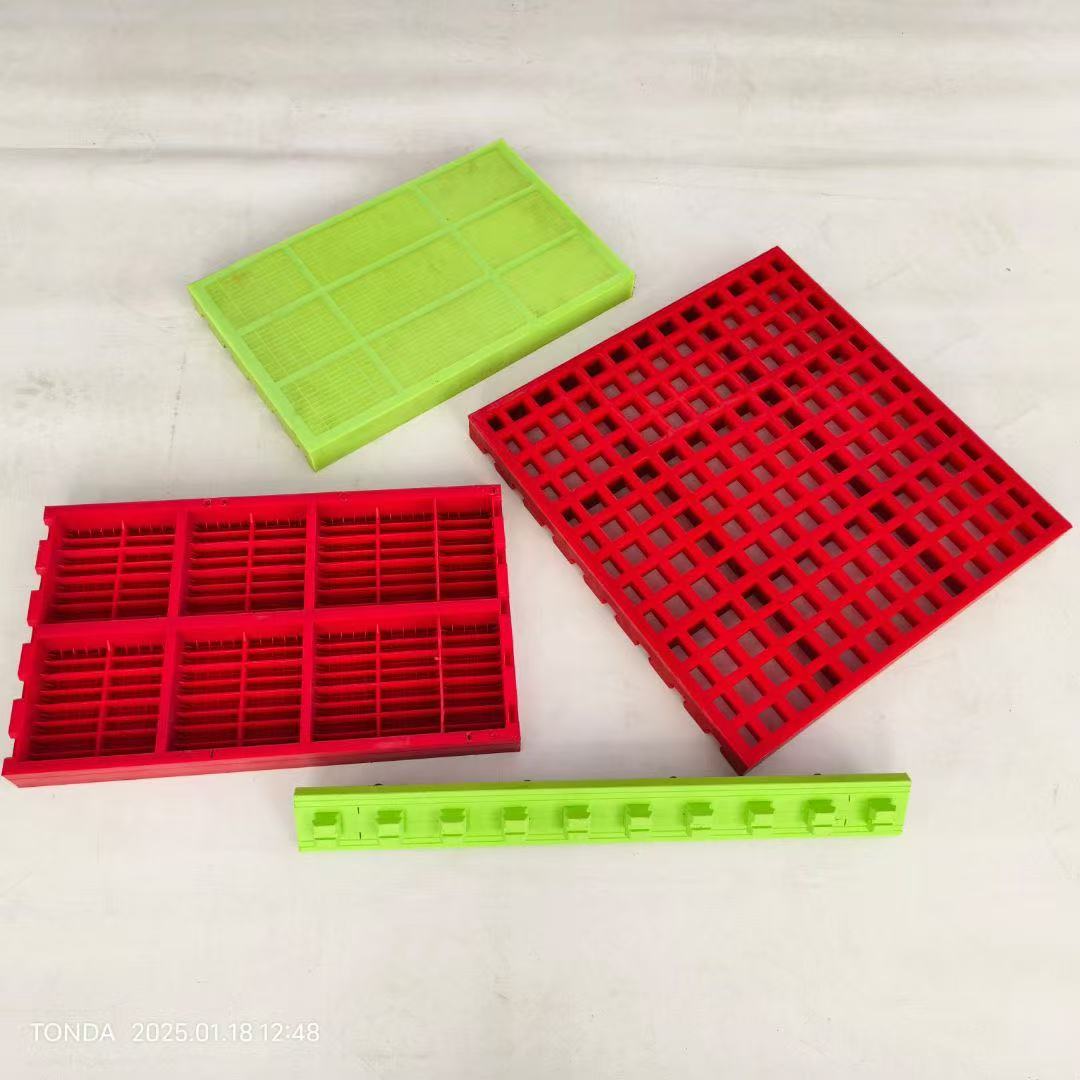
In the global mining industry, the pursuit of efficiency, cost-effectiveness, and durability is paramount. Nowhere is this more evident than in the precision wet screening of silica sand, where traditional metal screen mesh has long been the standard. However, a groundbreaking shift is underway, with leading mining companies adopting polyurethane (PU) screen panels to optimize production.
The hydrocyclone, made of polyurethane, has the advantages of high wear resistance, high strength, high elasticity, light weight, corrosion resistance, aging resistance, and convenient maintenance and management.