Limestone Grinding Mill: A Comprehensive Guide to Efficient Processing and Upkeep
-
 admin
- 30 Jul, 2026
Limestone Grinding Mill: A Comprehensive Guide to Efficient Processing and Upkeep
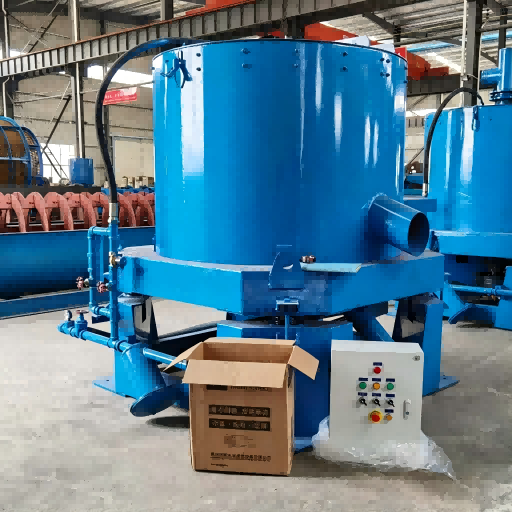
Limestone, as a vital industrial resource, finds extensive applications in construction, metallurgy, and chemical sectors. Grinding mills serve as the core equipment for limestone processing, and their proper use directly influences production efficiency and product quality. This guide elaborates on all key aspects of limestone grinding mill operations, from selecting suitable mill types (such as ball mills, Raymond mills, rod mills, or micro powder mills) to thorough pre-operation preparations, step-by-step operational guidelines, essential maintenance measures, and effective troubleshooting methods. Whether you are a new operator or seeking to optimize existing processes, this guide offers valuable insights to enhance your mill’s performance and extend its service life.
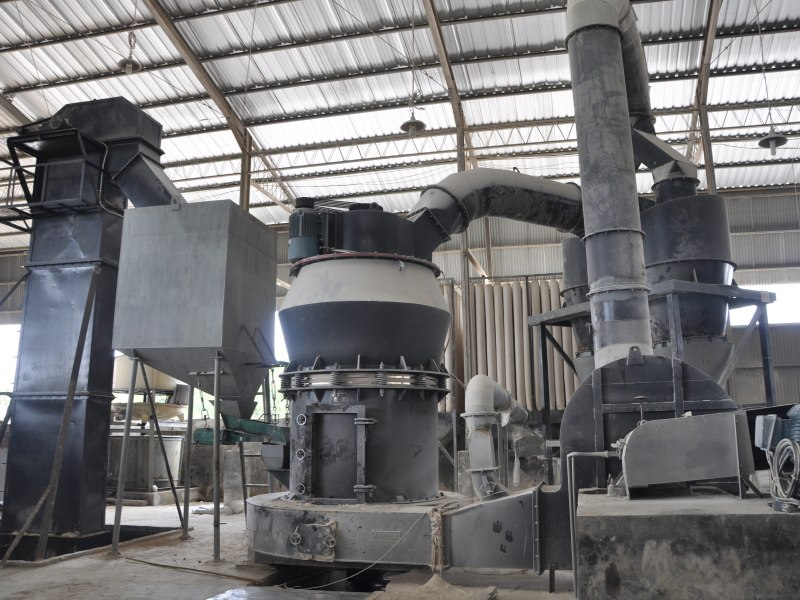
1. Choosing the Appropriate Grinding Mill
Different grinding mills are suited to varying production needs, and selecting the right one lays the foundation for efficient limestone processing.
- Ball Mill
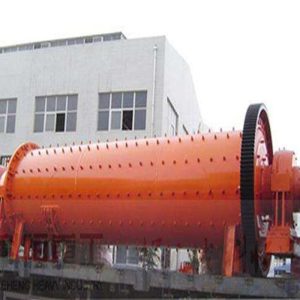
Ideal for large-scale production. It features a simple structure and high output capacity but comes with the drawback of higher energy consumption. - Raymond Mill
Perfect for medium-scale production. It boasts high efficiency and ease of maintenance, with the added advantage of lower energy usage compared to ball mills. - Rod Mill
Best suited for fine or ultrafine grinding tasks. It delivers uniformly sized particles, making it suitable for processing high-value products. - Micro Powder Mill
Designed for nanoscale grinding. Equipped with an advanced grinding mechanism, it can achieve extremely fine output with high precision.
2. Pre-Operation Preparations
Adequate preparation before starting the mill is crucial to avoid operational issues and ensure smooth processing.
- Equipment Inspection
- Check all mechanical components for wear or damage.
- Verify that the lubrication system is functioning properly and filled with the correct lubricants.
- Test the electrical system to ensure all connections and controls work as intended.
- Material Preparation
- Screen raw materials to remove impurities and meet specified standards.
- Manage moisture content to prevent clogging or uneven grinding.
- Prepare raw materials to the optimal feed size to improve grinding efficiency.
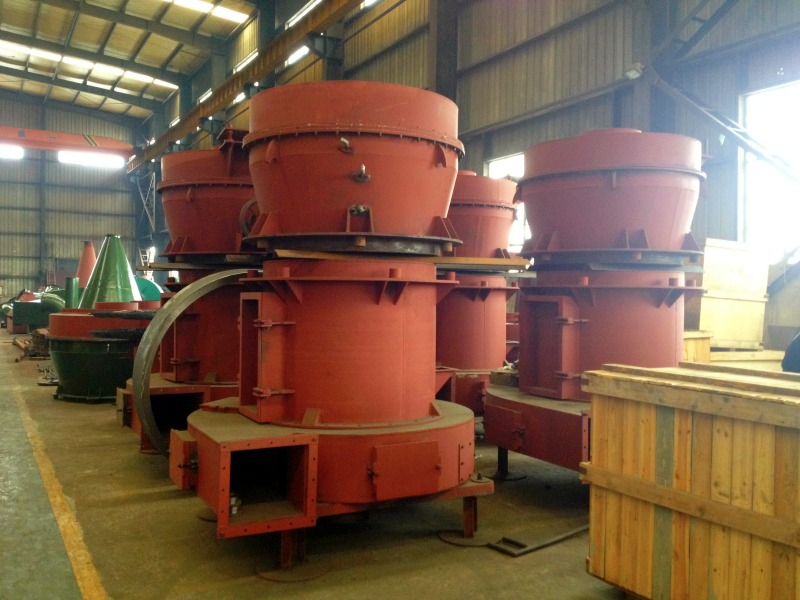
3. Standard Operating Steps
Following standardized procedures during operation helps maintain stability and product quality.
- Startup Sequence
- First, properly close the discharge port to prevent material leakage during startup.
- Activate the cooling system to ensure the mill operates within a safe temperature range.
- Follow the no-load startup protocol to avoid overloading the motor.
- Operation Monitoring
- Keep track of temperature control parameters to prevent overheating.
- Monitor motor current to ensure it stays within specified limits, indicating normal load.
- Regularly verify output quality, such as particle size and uniformity, to adjust operations if needed.
4. Maintenance Plan
Regular maintenance is key to extending the mill’s lifespan and ensuring consistent performance.
- Daily Maintenance
- Conduct cleaning procedures to remove residual materials and prevent buildup.
- Inspect all fasteners (such as bolts and screws) to ensure they are tight.
- Check wear components (like grinding media and liners) for signs of damage or excessive wear.
- Periodic Maintenance
- Service the lubrication system, including oil replacement and filter cleaning.
- Audit the electrical system to detect and repair potential faults.
- Evaluate the transmission system (e.g., gears, belts) for alignment and wear.
5. Troubleshooting Common Issues
| Symptom | Likely Cause | Recommended Solution |
|---|---|---|
| Overheating | Cooling system malfunction | Inspect cooling components (pipes, fans) for blockages or damage. |
| Low output | Worn grinding media | Replace worn grinding balls, rods, or blades. |
| Abnormal noise | Loose components | Tighten all connections and check for misaligned parts. |
Contact us ↓
Annie Lu
Huatao Group
Mobile: 0086 18032422676 ( Whatsapp/Wechat/Viber)
Web:www.tufflexscreen.com
www.huataoscreen.com
www.puscreenpanel.com
Our Hot-selling Products:
HUATAO Hot-Selling Polyurethane Product List as below:
| Polyweb Urethane Screen | Tufflex Screen |
| Polyurethane Dewatering Screen Mesh | WS 85 Modular Screen |
| Polyurethane Screen Panels | Rotex Replacement Screens |
| Rubber Screen Panel | Vibrating Screen Mesh |
| Self cleaning Wire Mesh | Shale Shaker Screen |
Tags:
admin
personal profile