How Often Should I Replace Hydrocyclone Liners?
Oct 20, 2026
 admin
admin Introduction
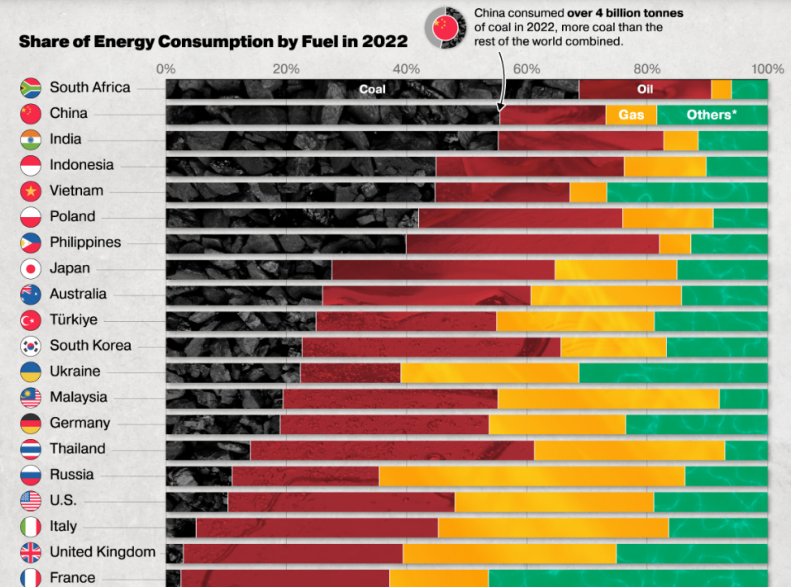
The global coal market is undergoing significant transformations, shaped by emerging economies, geopolitical shifts, and the transition towards renewable energy. This article delves into the core dynamics of the coal market, analyzing consumption trends, production landscapes, trade flows, and price forecasts for 2025.

Demand Dynamics: A Tale of Two Worlds
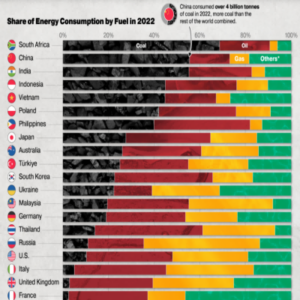
Global coal consumption reached 8.77 billion tons in 2024, marking a 1% year-on-year increase. However, the demand landscape is deeply differentiated between emerging markets and developed economies.
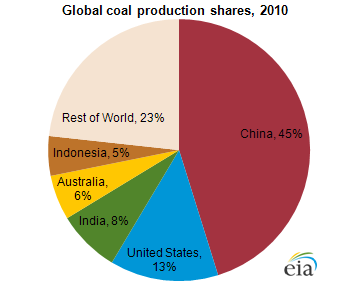
Production Landscape: Asia’s Dominance
Asia continues to dominate the global coal production scene. Key highlights include:
Trade Flows: Geopolitical Reshuffling
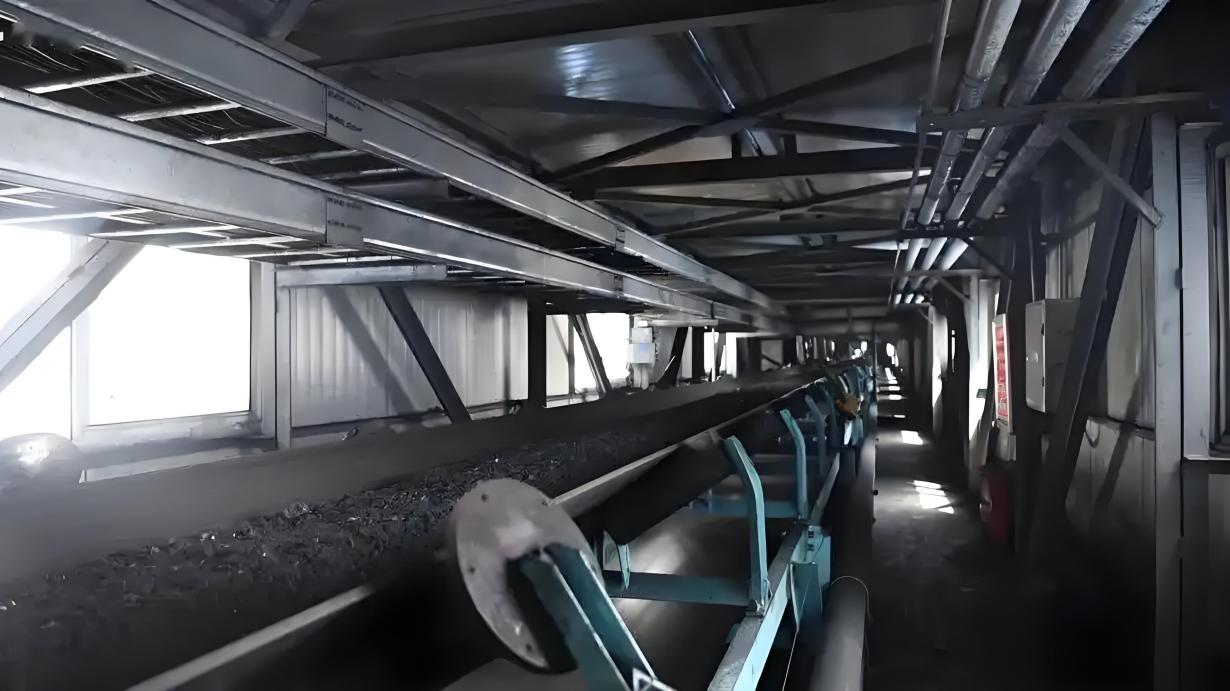
Global coal trade volume reached 1.546 billion tons in 2024, marking a 2.4% increase. Geopolitical disruptions, such as EU sanctions on Russian coal, have led to shifts in trade routes. Key trade dynamics include:
Price Volatility and 2025 Forecast
Coal prices have been highly volatile, with thermal coal reaching a peak of 407.5/toninJuly2022.The2025forecastindicatesadeclineforthermalcoalto407.5/toninJuly2022.The2025forecastindicatesadeclineforthermalcoalto130/ton, while coking coal is projected to slightly increase to $210/ton. Key drivers behind these price movements include:
Critical Risks to Watch
The coal market faces several upside and downside risks, including:
Conclusion
The global coal market is at a pivotal juncture, characterized by demand growth in emerging markets and declines in developed economies. Geopolitical disruptions and the transition towards renewable energy will continue to shape the market’s future. Monitoring China’s demand, renewables adoption, and mine capacity releases will be crucial in navigating these changes.
Contact us ↓
Annie Lu
Huatao Group
annie.lu@huataogroup.com
Mobile: 0086 18032422676 ( Whatsapp/Wechat/Viber)
https://wa.me/008618032422676
Web:www.tufflexscreen.com
www.huataoscreen.com
www.puscreenpanel.com
admin