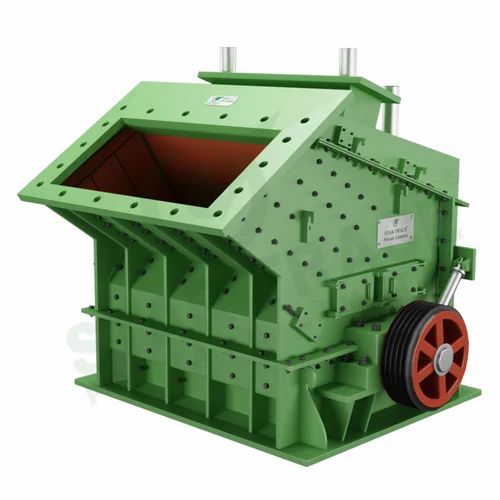
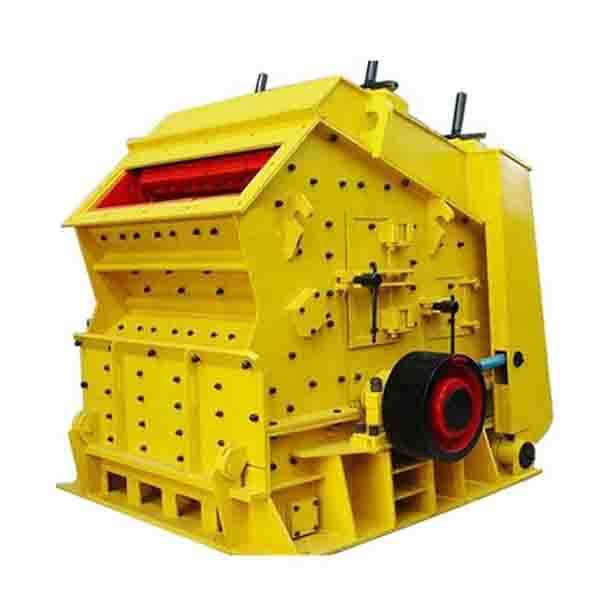
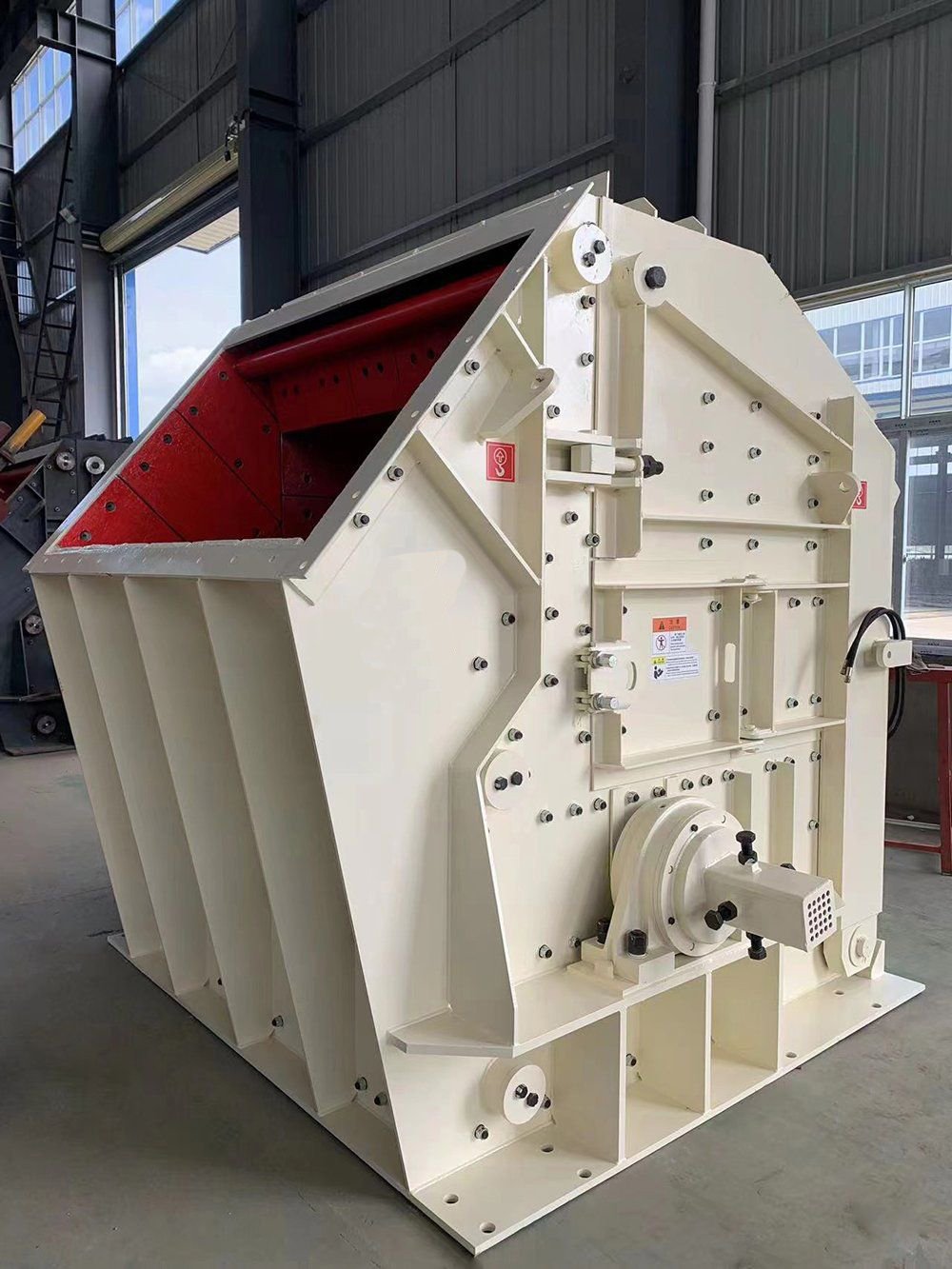
Impact Crusher
- 01 1. High Reduction Ratio The high-speed rotor and multi-stage impact chamber achieve substantial size reduction in a single crushing stage, helping simplify the overall crushing process.
- 02 2. Cubical Final Product Impact crushing produces uniformly shaped aggregates with fewer flaky and elongated particles, making the finished material suitable for concrete, asphalt and road construction.
- 03 3. Hydraulic Adjustment System The impact-apron gap can be adjusted hydraulically to control discharge size, product gradation and crushing performance while reducing manual adjustment time.
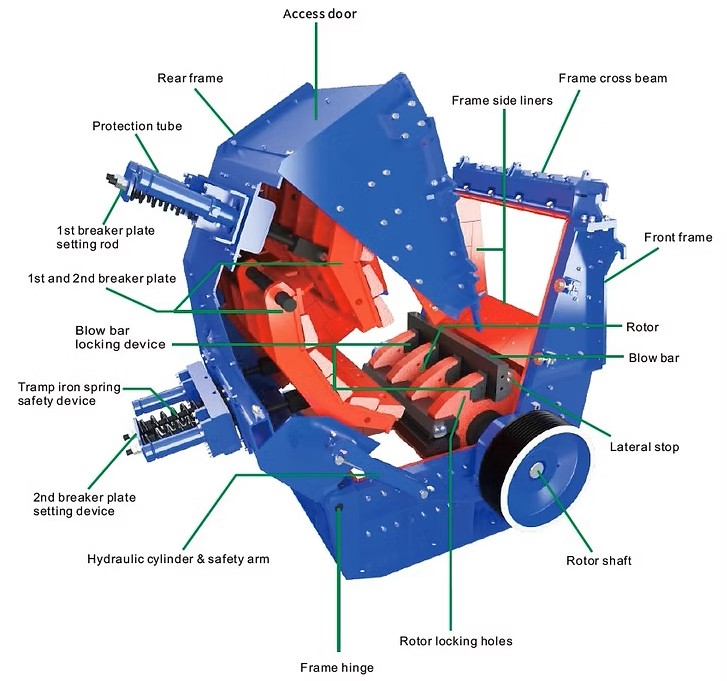
- 04 4. Easy Wear Parts Maintenance The hydraulically opened crusher housing provides convenient access to blow bars, impact plates, side liners and rotor components, helping reduce maintenance downtime.
- 05 5. Wide Application Range The HSI impact crusher can process limestone, dolomite, gypsum, coal, concrete, asphalt and construction waste in quarrying, aggregate production and recycling projects.
-
Parameters
Product Introduction
What Is an Impact Crusher?
An Impact Crusher is a crushing machine that uses high-speed impact force to reduce rock, minerals, concrete and other materials into smaller, more uniformly shaped particles.
In a horizontal shaft impactor, also known as an HSI Crusher, the feed material enters the crushing chamber and is struck by blow bars mounted on a rapidly rotating rotor. The material is accelerated toward the impact aprons and breaker plates, where repeated impact and particle-to-particle collision complete the crushing process.
Impact crushers are commonly used for:
- Primary crushing of selected soft and non-abrasive rock
- Secondary crushing in quarry plants
- Aggregate shaping
- Limestone processing
- Cement raw material preparation
- Concrete and demolition waste recycling
- Asphalt recycling
- Mobile contractor crushing
Sandvik describes stationary HSI crushers as suitable for primary or secondary crushing of materials such as limestone, recycled material and cement-industry feed, with high reduction ratios and hydraulic adjustment features.
Typical Applications
Quarry Aggregate Production
The impact crusher is particularly suitable for producing aggregates with a cubical shape and controlled gradation.
Typical finished products include:
- Concrete aggregate
- Asphalt aggregate
- Road base material
- Railway ballast feed
- Manufactured sand feed
- Commercial graded stone
Limestone Crushing
A limestone impact crusher can achieve a high reduction ratio and may reduce the number of crushing stages required in suitable applications.
It is widely used in:
- Limestone quarries
- Cement plants
- Lime production plants
- Aggregate processing facilities
Construction Waste Recycling
A mobile impact crusher can process:
- Demolished concrete
- Concrete blocks
- Bricks
- Asphalt pavement
- Mixed construction waste
- Reinforced concrete after suitable pre-processing
Mining and Industrial Minerals
Depending on feed hardness and abrasiveness, impact crushers can also process:
- Coal
- Gypsum
- Dolomite
- Phosphate rock
- Salt
- Clay
- Soft ore
- Industrial mineral feed
Suitable Materials
Recommended Materials
- Limestone
- Dolomite
- Gypsum
- Coal
- Concrete
- Asphalt
- Brick
- Construction Waste
- Soft Rock
- Medium-Hard Rock
- Selected Non-Abrasive Ore
Material Selection Notice
Impact crushers are generally more suitable for soft to medium-hard materials with low to moderate abrasiveness.
For highly abrasive hard rock such as quartz-rich granite, basalt or certain iron ores, the wear cost of blow bars and impact liners must be evaluated carefully. In many such applications, a cone crusher may provide lower wear cost, while the impact crusher may still be used where superior particle shape is the main priority.
Main Advantages
High Reduction Ratio
The high-speed rotor and multi-stage impact chamber allow significant size reduction in one crushing stage.
Cubical Product Shape
Impact crushing produces more cubical particles with fewer elongated and flaky pieces, making it suitable for concrete and asphalt aggregate production.
Large Feed Opening
A wide feed opening accepts relatively large material and supports stable continuous feeding.
Adjustable Final Product Size
The apron gap, rotor speed and crusher configuration can be adjusted to control product gradation and fines production.
Hydraulic Adjustment
Hydraulic systems simplify apron adjustment, chamber opening and routine maintenance.
Easy Wear Parts Replacement
The crusher housing can be opened to provide access to blow bars, impact plates and side liners.
Flexible Installation
Available configurations include:
- Stationary Impact Crusher
- Mobile Impact Crusher
- Tracked Impact Crusher
- Wheeled Impact Crusher
- Open-Circuit Crusher
- Closed-Circuit Crushing Plant
Suitable for Recycling
The high reduction ratio and strong impact action make the equipment effective for concrete, asphalt and demolition waste recycling.

Working Principle
The motor drives the rotor through a belt transmission system.
When the material enters the crushing chamber, the high-speed blow bars strike and accelerate it toward the impact aprons. The material is crushed by:
- Direct impact from the blow bars
- Collision with the impact aprons
- Particle-to-particle impact
- Repeated circulation inside the crushing chamber
Once the particles become smaller than the adjusted discharge gap, they leave the bottom of the crusher.
Main Components
The HSI impact crusher mainly consists of:
- Feed Hopper
- Crusher Housing
- Heavy-Duty Rotor
- Blow Bars
- Rotor Shaft
- Bearings
- First Impact Apron
- Second Impact Apron
- Breaker Plates
- Side Liners
- Hydraulic Cylinders
- Drive Pulley
- Electric Motor
- Belt Guard
- Lubrication System
- Safety Protection System

Technical Specifications
| Model | Rotor Diameter × Width | Feed Opening | Max. Feed Size | Capacity | Motor Power |
|---|---|---|---|---|---|
| PF-1007 | 1000 × 700 mm | 400 × 730 mm | 300 mm | 30–70 TPH | 45–55 kW |
| PF-1010 | 1000 × 1050 mm | 400 × 1080 mm | 350 mm | 50–90 TPH | 75–90 kW |
| PF-1210 | 1250 × 1050 mm | 400 × 1080 mm | 350 mm | 70–130 TPH | 110–132 kW |
| PF-1214 | 1250 × 1400 mm | 400 × 1430 mm | 350 mm | 100–180 TPH | 132–160 kW |
| PF-1315 | 1320 × 1500 mm | 860 × 1520 mm | 500 mm | 150–250 TPH | 200–250 kW |
| PF-1520 | 1500 × 2000 mm | Customized | 600 mm | 300–500 TPH | 315–400 kW |
The listed capacities are indicative only. Actual production depends on feed gradation, bulk density, moisture content, material abrasiveness, rotor speed, apron setting and required final product size.
Available Crusher Types
Stationary HSI Impact Crusher
For fixed quarry, mining, cement and aggregate processing plants.
Primary Impact Crusher
Designed with a large feed opening and heavy rotor for selected soft or non-abrasive rock.
Secondary Impact Crusher
Installed after a jaw crusher to produce smaller and better-shaped aggregate.
Mobile Impact Crusher
Mounted on a tracked or wheeled chassis for quarry contractors, recycling sites and short-term projects.
Reversible Impact Crusher
Uses reversible rotor operation in selected applications to improve wear utilization.
Closed-Circuit Impact Crusher
Combined with a vibrating screen and return conveyor to produce accurately sized finished products.
Crusher Wear Parts
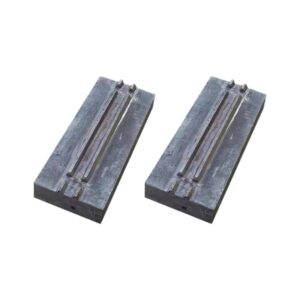
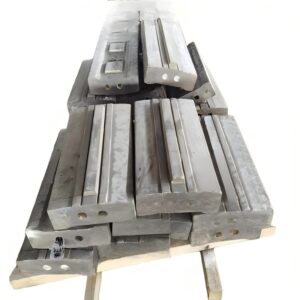
We supply complete impact crusher wear parts and replacement components.
Main Wear Parts
- Blow Bars
- Impact Plates
- Breaker Plates
- Impact Apron Liners
- Side Liners
- Rotor Protection Plates
- Wear Plates
- Feed Chute Liners
- Wedges
- Blow Bar Locking Devices
- Curtain Liners
Blow Bar Materials
High Chrome Blow Bars
Suitable for:
- Limestone
- Concrete without excessive steel
- Highly abrasive but lower-impact feed
- Fine crushing applications
Martensitic Steel Blow Bars
Suitable for:
- Recycling
- Medium-abrasive material
- Applications requiring a balance of toughness and wear resistance
Martensitic Steel with Ceramic Inserts
Suitable for:
- Longer wear-life applications
- Medium to high abrasiveness
- Controlled feed conditions
High Manganese Steel Blow Bars
Suitable for:
- Large feed
- High-impact conditions
- Lower-abrasiveness materials
- Applications requiring high toughness
Chrome Ceramic Blow Bars
Suitable for:
- High wear resistance
- Selected quarry applications
- Stable feed without excessive tramp metal
Blow-bar selection should be based on material hardness, silica content, feed size, impact load, tramp-metal risk and required product size—not simply on which alloy has the highest nominal hardness.
Aftermarket Replacement Parts
We can manufacture aftermarket crusher wear parts according to:
- Part Number
- Machine Model
- Original Drawing
- Customer Drawing
- Worn Sample
- 3D Scanning Data
- Chemical Composition Requirement
- Working Conditions
Available for selected models from major international crusher manufacturers.
Optional Configurations
- Hydraulic Apron Adjustment
- Hydraulic Housing Opening
- Variable-Speed Drive
- Vibration Monitoring
- Bearing Temperature Monitoring
- Automatic Lubrication System
- Electric Motor Drive
- Diesel-Hydraulic Drive
- Mobile Track Chassis
- Pre-Screening Feeder
- Magnetic Separator
- On-Board Vibrating Screen
- Return Conveyor
- Dust Suppression System
- Maintenance Crane
- Blow Bar Lifting Device
Recommended Plant Configurations
Limestone Aggregate Plant
Vibrating Feeder
↓
Primary Jaw Crusher
↓
Secondary Impact Crusher
↓
Vibrating Screen
↓
Finished Aggregates
Soft-Rock Two-Stage Plant
Vibrating Feeder
↓
Primary HSI Impact Crusher
↓
Vibrating Screen
↓
Finished Products
Construction Waste Recycling Plant
Feeding Hopper
↓
Pre-Screen
↓
Mobile Impact Crusher
↓
Magnetic Separator
↓
On-Board Screen
↓
Recycled Aggregate
Closed-Circuit Mobile Plant
Tracked Impact Crusher
↓
Double-Deck Screen
↓
Qualified Product
+
Oversize Return to Crusher
Installation Requirements
| Item | Recommendation |
|---|---|
| Feeding Equipment | Vibrating feeder with controlled feed rate |
| Feed Distribution | Uniform feed across the full rotor width |
| Foundation | Reinforced concrete or engineered steel structure |
| Discharge Equipment | Heavy-duty belt conveyor |
| Metal Protection | Magnetic separator and metal detector where required |
| Dust Control | Water spraying or dust extraction system |
| Maintenance Space | Sufficient access for chamber opening and blow-bar replacement |
| Monitoring | Bearing temperature and vibration monitoring recommended |
| Electrical System | Overload protection and interlocked feeding control |
Packaging and Shipping
Available packing methods:
- Export Steel Frame
- Protective Film
- Wooden Cases for Components
- Moisture-Proof Packing
- Container Loading
- Flat Rack Shipping
- Break-Bulk Shipping
Wear parts are normally packed separately in reinforced wooden cases or steel pallets.
FAQ
Q1. What is an HSI impact crusher?
An HSI crusher is a horizontal shaft impactor that uses a high-speed horizontal rotor and blow bars to crush material against impact aprons.
Q2. Is an impact crusher suitable for primary crushing?
Yes. Heavy-duty primary impact crushers can process selected soft and non-abrasive materials with large feed sizes. For hard or highly abrasive rock, a jaw crusher is often preferred for primary crushing.
Q3. What materials can an impact crusher process?
It is commonly used for limestone, dolomite, gypsum, coal, concrete, asphalt, construction waste and other soft to medium-hard materials.
Q4. What is the difference between an impact crusher and a cone crusher?
An impact crusher breaks material through high-speed impact and normally produces a more cubical shape. A cone crusher uses compression and is generally better suited to hard, abrasive rock with lower wear cost.
Q5. What controls the final product size?
The final gradation is influenced by:
- Rotor speed
- Blow-bar configuration
- Impact-apron gap
- Feed size distribution
- Material properties
- Closed-circuit screening
Q6. Can the crusher process reinforced concrete?
Yes, provided suitable feeding, pre-processing and metal-removal systems are used. A magnetic separator is recommended for removing exposed steel.
Q7. How do I select the correct blow-bar material?
Selection depends on feed hardness, abrasiveness, maximum lump size, impact load, tramp-metal risk and operating conditions.
Q8. Can you provide mobile impact crushers?
Yes. Tracked and wheeled mobile configurations can be supplied with feeders, pre-screens, magnetic separators, vibrating screens and return conveyors.
Q9. Do you provide crusher wear parts?
Yes. Blow bars, impact plates, side liners, breaker plates, rotor protection parts and other replacement components are available.
Q10. Can you design a complete crushing plant?
Yes. The crushing and screening system can be configured according to the raw material, capacity, feed size, final product specification and site conditions.
RFQ / Inquiry Information
Tell Us About Your Crushing Project
1. What material will be crushed?
2. What is the maximum feed size?
3. What final product sizes are required?
4. What capacity is required in TPH?
5. What is the approximate silica content or abrasiveness?
6. Is the material dry, wet or sticky?
7. Is the crusher for primary or secondary crushing?
8. Do you need a stationary, tracked or wheeled machine?
9. Is reinforced concrete or tramp metal present?
10. What voltage and frequency are available on site?
11. Which country will the equipment operate in?
12. Do you also require blow bars and other wear parts?
Products
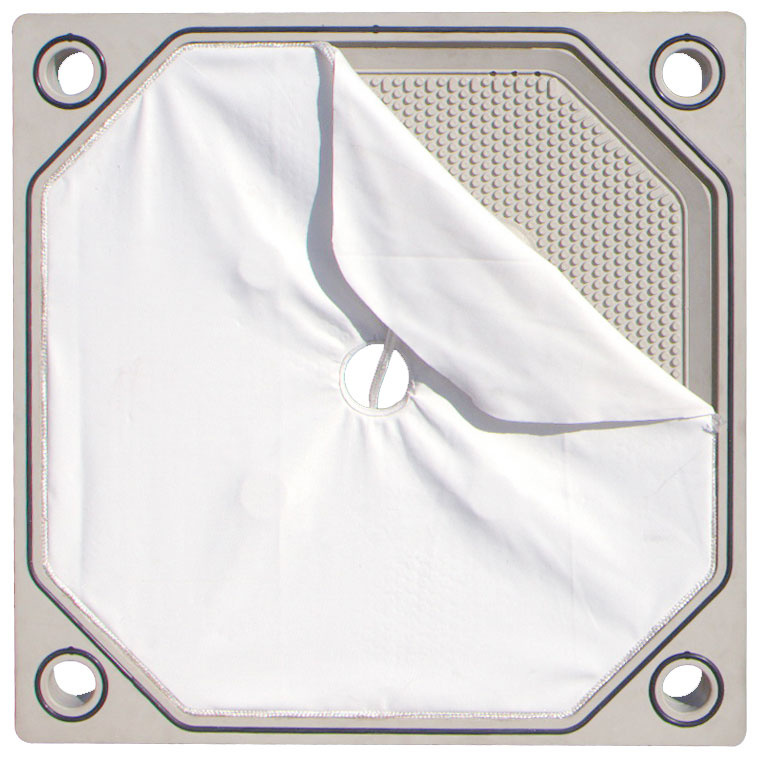
PP Filter Press Cloth
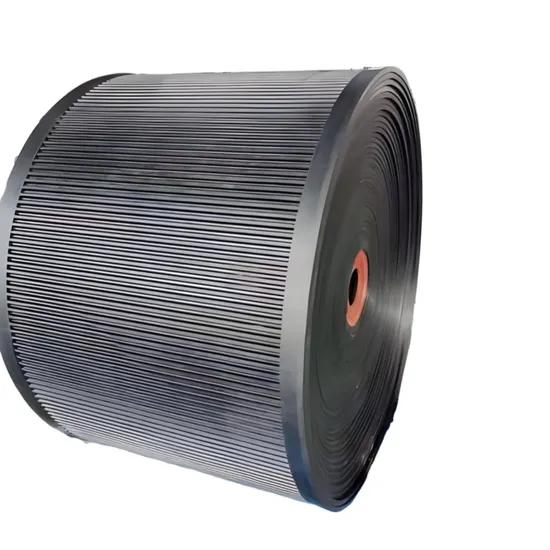
Rubber Filter Belt for Horizontal Vacuum Belt Filters

Ceramic Lagged Drive Pulley
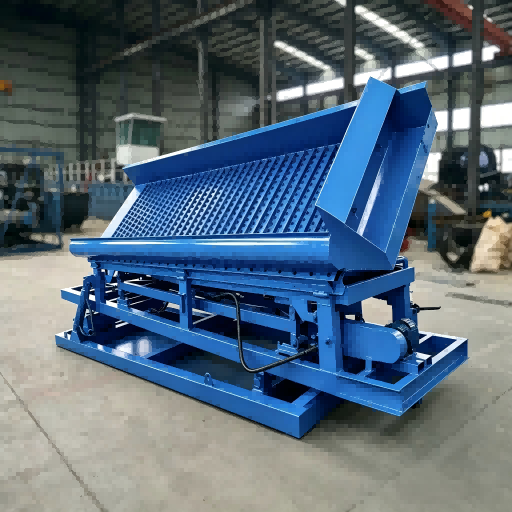
Vibrating Sluice Box
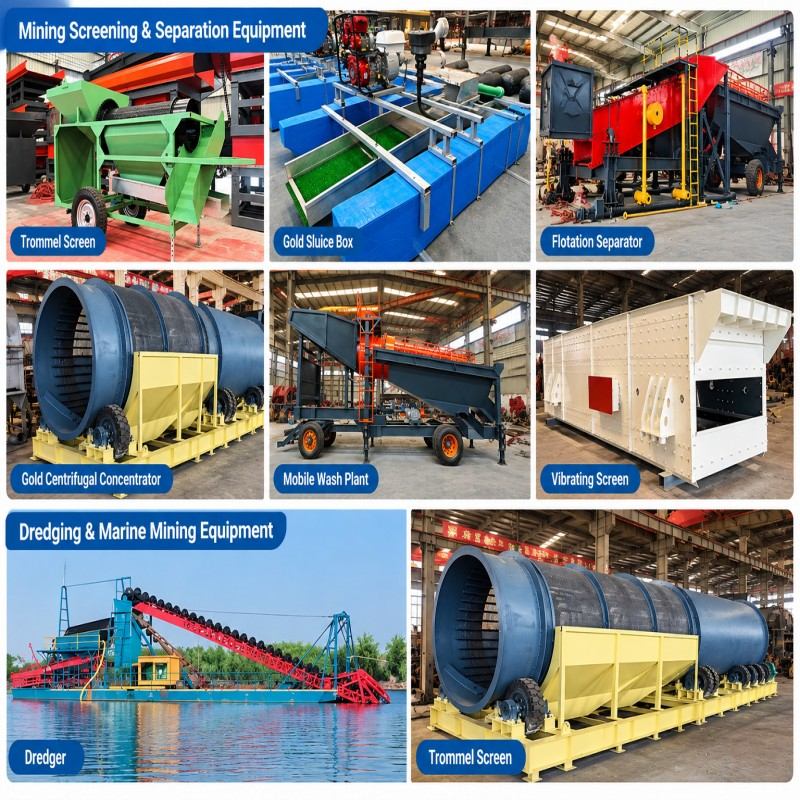
Compact Alluvial Gold Equipment
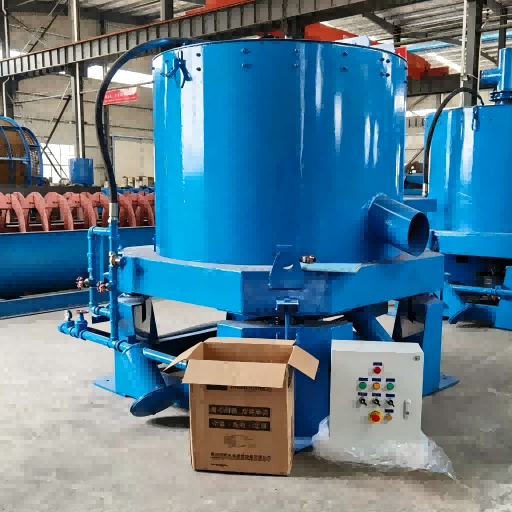
Centrifugal Gold Concentrator
Recent news
See Latest Service