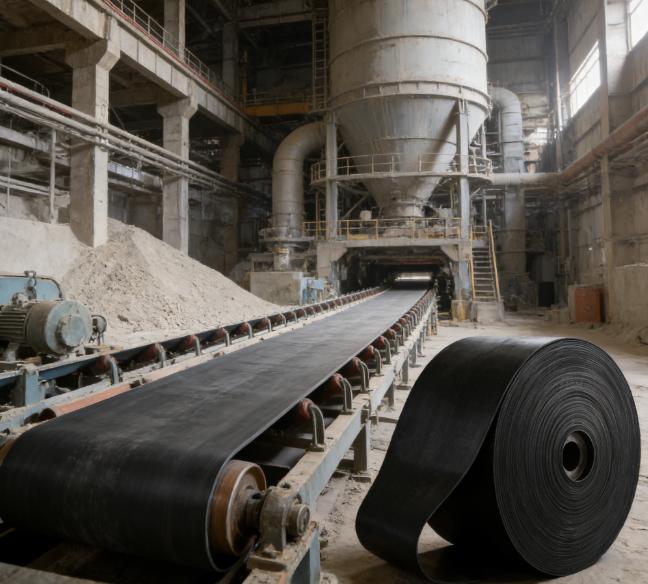
Mining Conveyor Belt for Ore & Aggregate Handling
- 01 1.Mining Grade Construction — Designed for continuous heavy bulk material handling.
- 02 2.High Abrasion Resistance — Suitable for hard ore, rock and crushed aggregates.
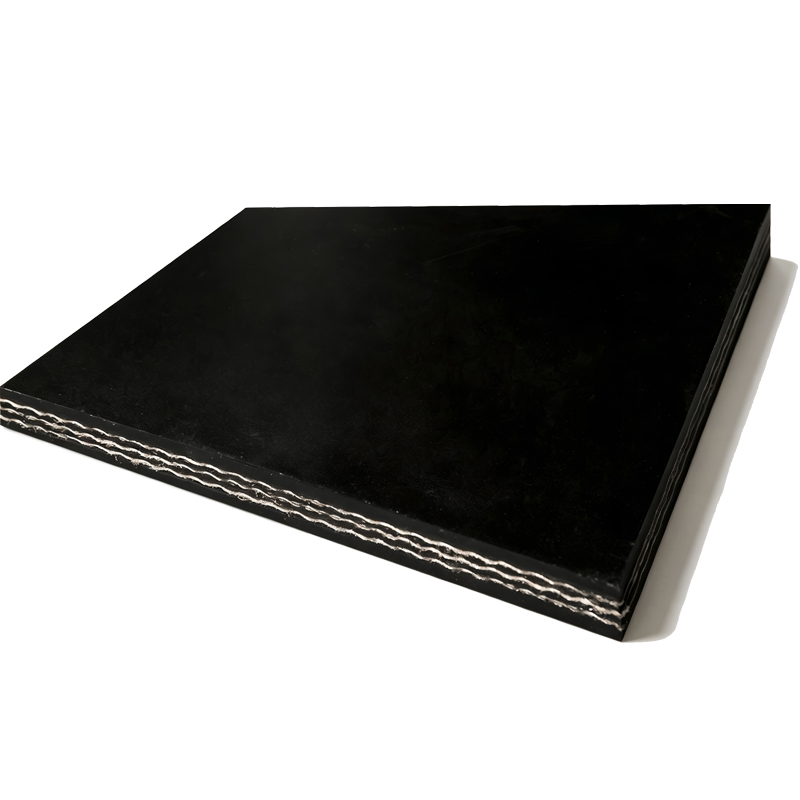
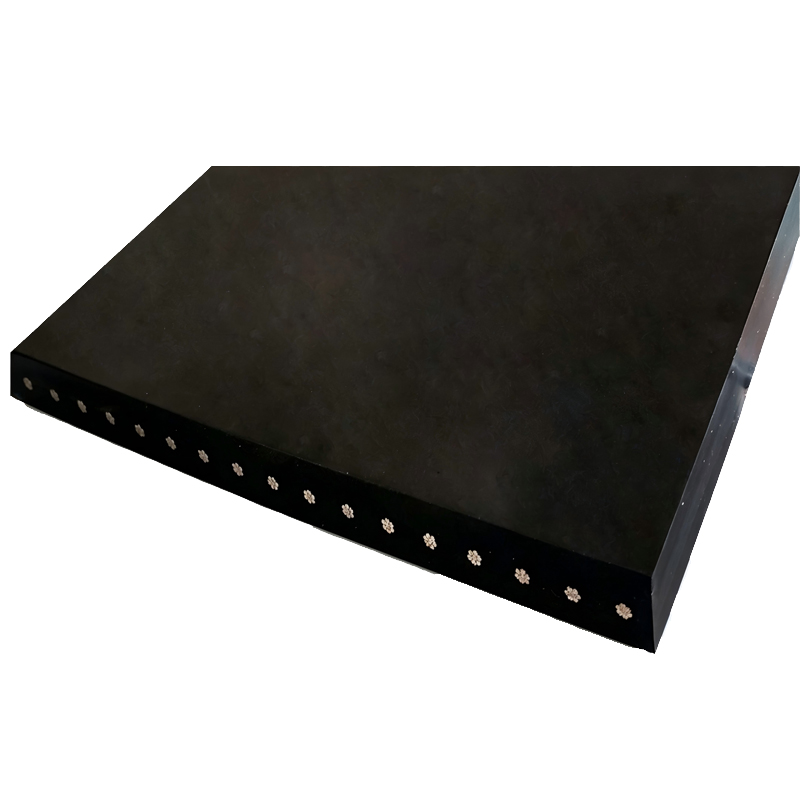
- 03 3.Strong Belt Carcass — EP fabric and steel cord reinforcement available.
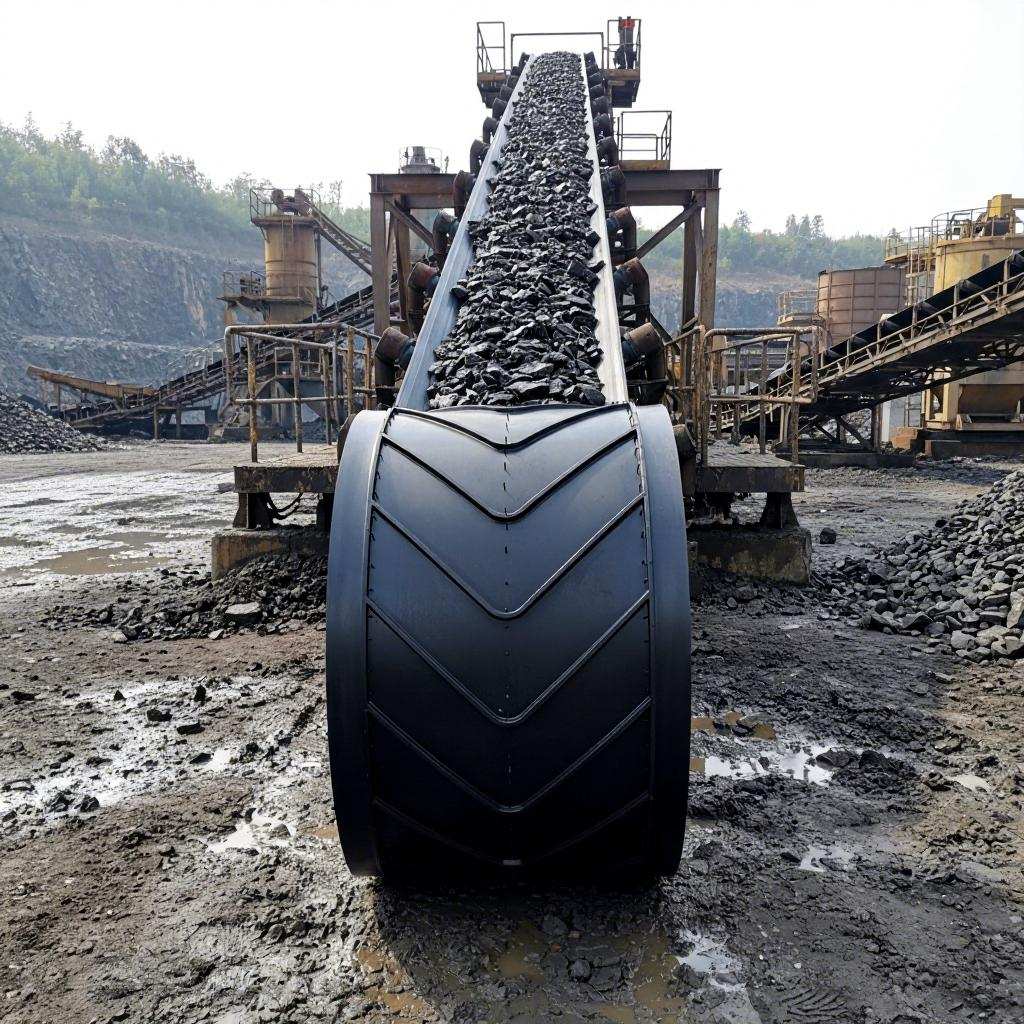
- 04 4.Multiple Belt Designs — Smooth, chevron, sidewall and pipe structures available.
- 05 5.Custom Specifications — Belt strength, width and rubber covers made to project needs.
-
Heavy Duty Mining Conveyor Belt for Ore & Aggregate Handling Description
Heavy Duty Mining Conveyor Belt for Ore & Aggregate Handling
Reliable Conveyor Belting for Mining and Quarry Operations
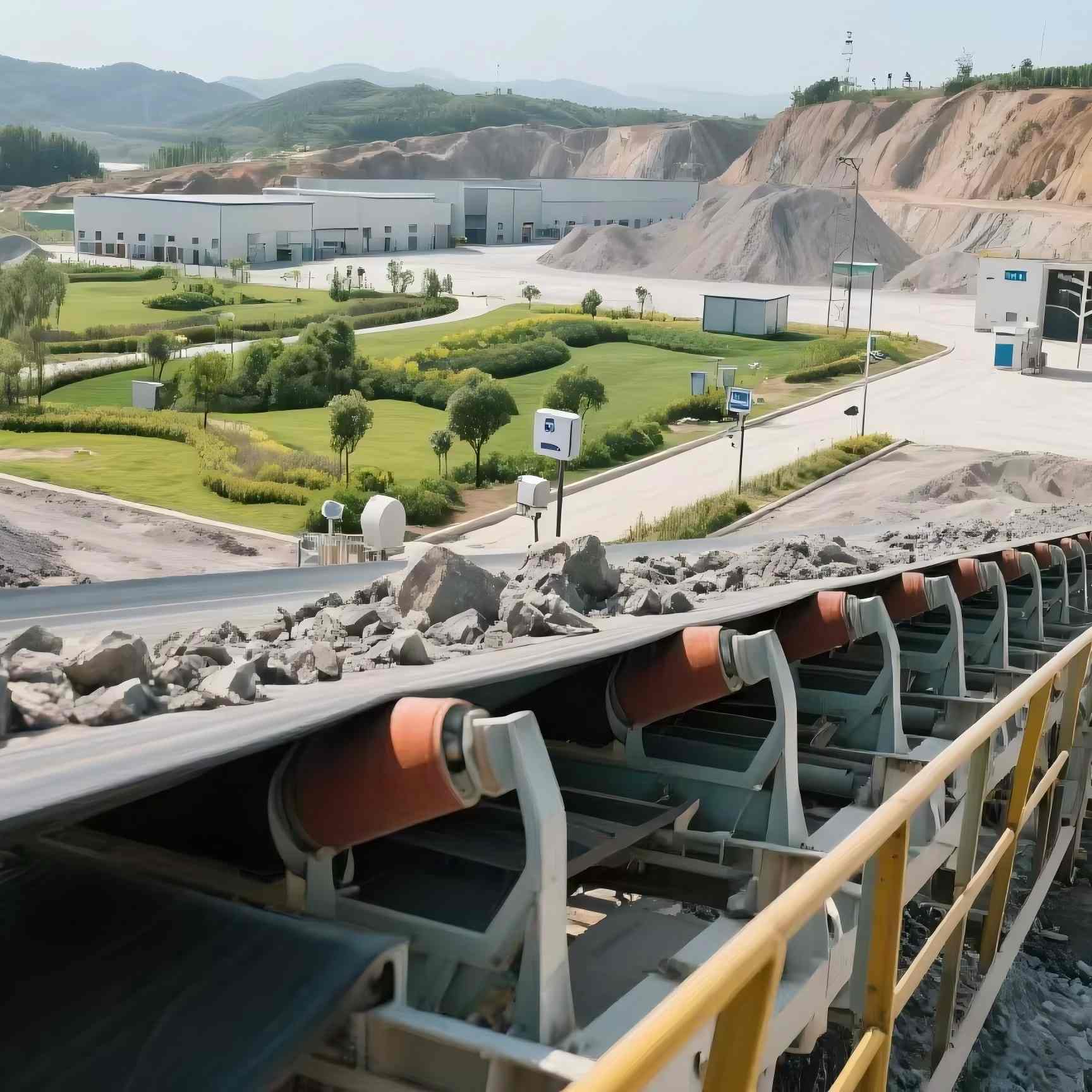
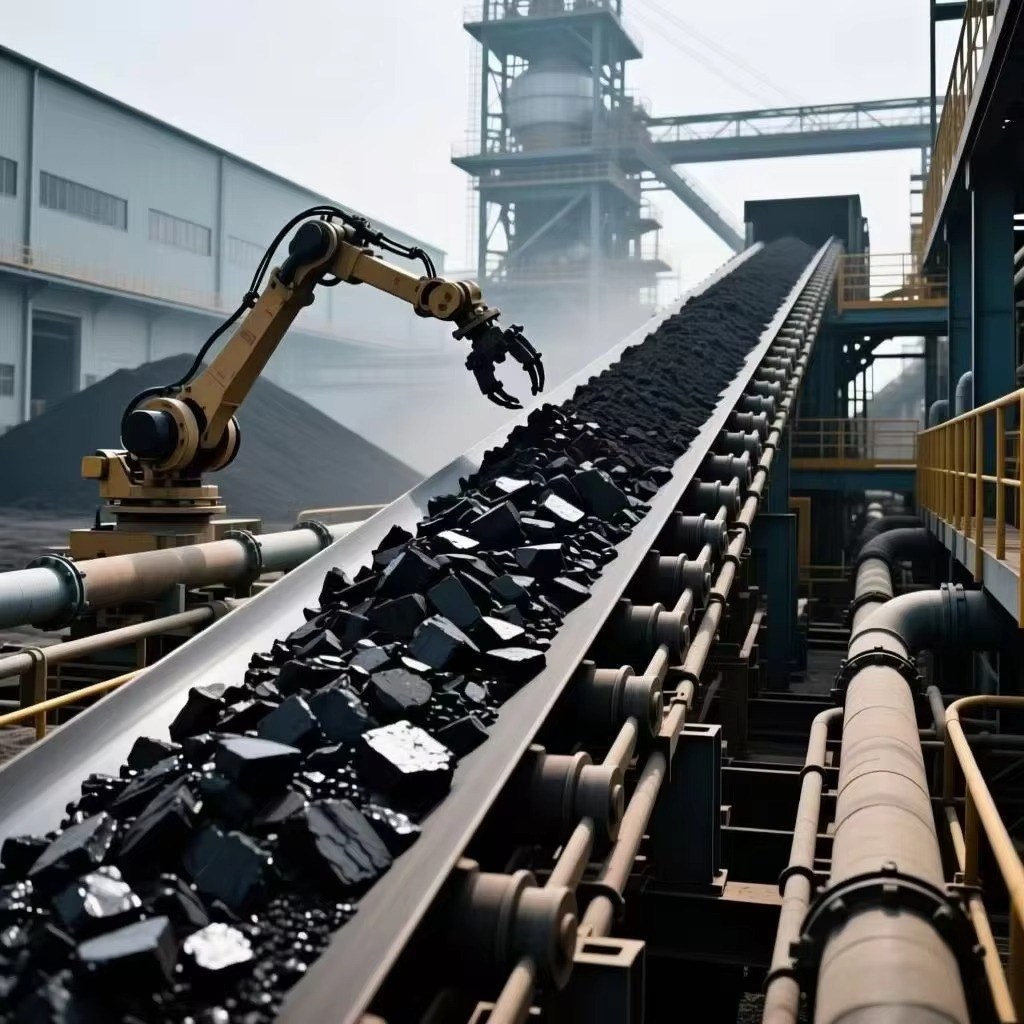
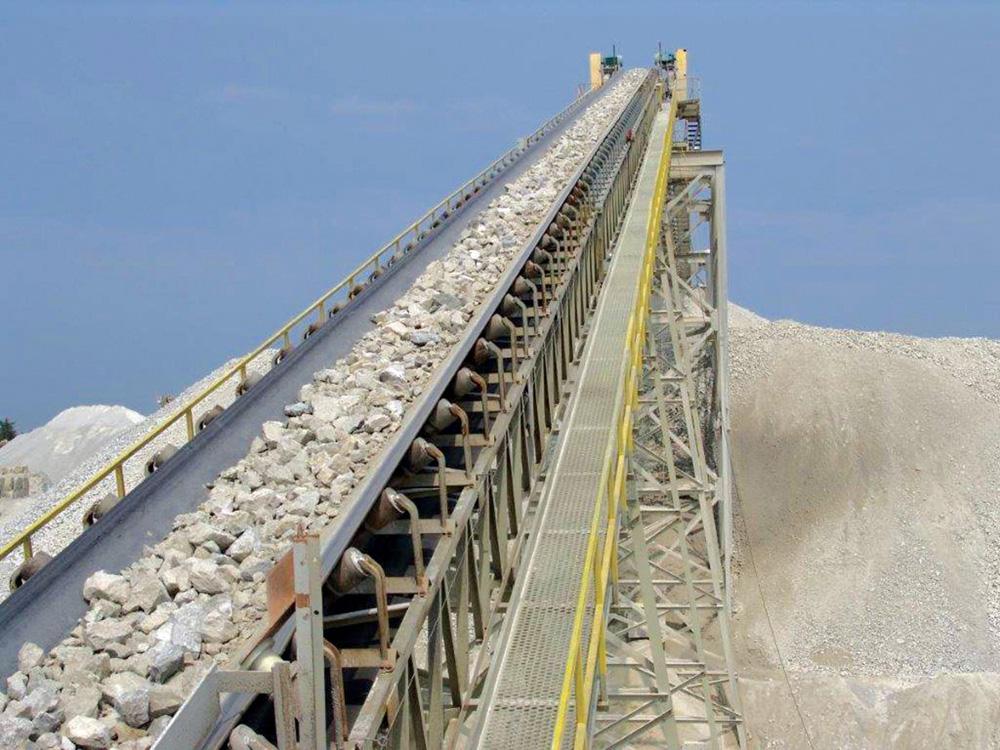
Our Mining Conveyor Belts are designed for continuous handling of ore, coal, aggregates, limestone, crushed rock and other heavy bulk materials. They are widely installed in open-pit mines, quarries, mineral processing plants, crushing and screening lines, cement plants and bulk handling terminals.
Mining conveyors operate under severe abrasion, impact loading, high belt tension and continuous production cycles. For these demanding conditions, we supply Heavy Duty Conveyor Belts with reinforced carcass structures and application-specific rubber cover compounds to provide reliable conveying performance and extended service life.
Available solutions include EP Fabric Conveyor Belt, Steel Cord Conveyor Belt, Abrasion Resistant Conveyor Belt, Rip-Stop Conveyor Belt, Flame Retardant Conveyor Belt, Heat Resistant Conveyor Belt, Chevron Conveyor Belt, Sidewall Conveyor Belt and Pipe Conveyor Belt.
Conveyor Belts for Different Mining Applications
EP Fabric Conveyor Belt
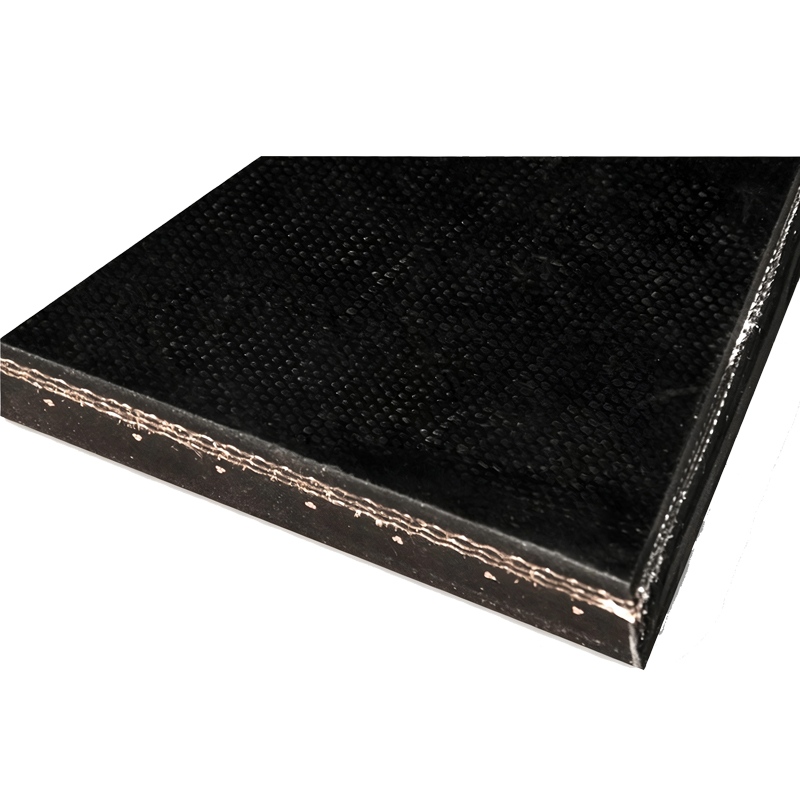
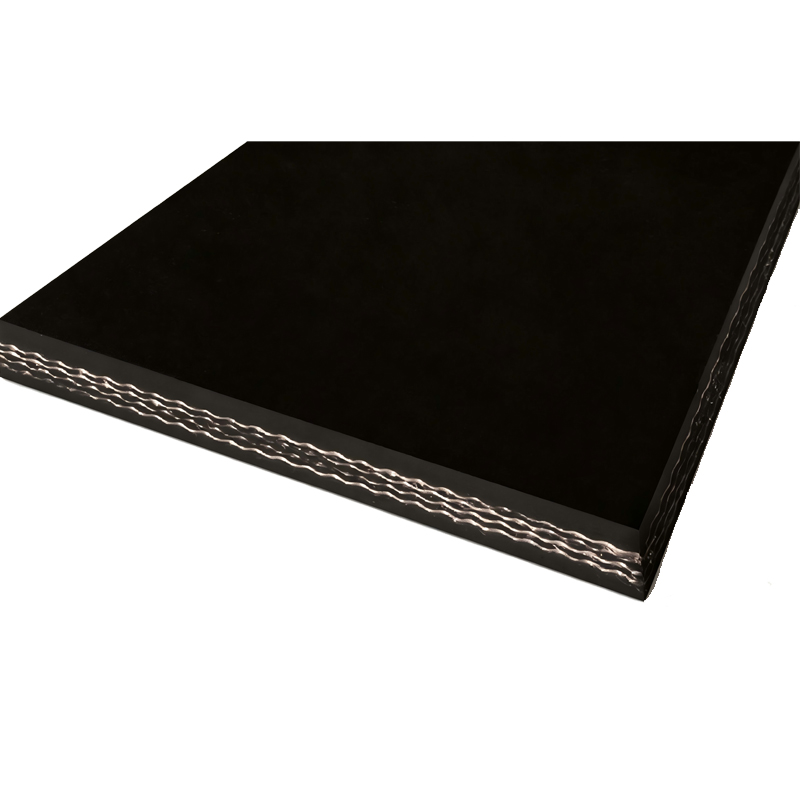
The EP Conveyor Belt is a widely used industrial rubber conveyor belt for mining, quarrying and aggregate processing.
Its polyester-polyamide fabric carcass combines strength, flexibility and dimensional stability. Multiple-ply structures can be selected according to belt tension, conveyor length, impact load and required capacity.
Typical applications include crushed stone conveyors, quarry transfer belts, coal handling systems, limestone conveying and crushing-screening circuits.
Common carcass ratings include EP100, EP125, EP150, EP200, EP250, EP300 and EP400.
Steel Cord Conveyor Belt
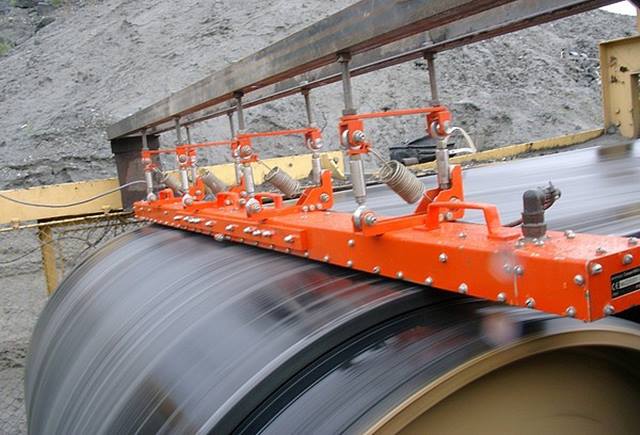
For long conveying distances and high-capacity mining systems, the Steel Cord Conveyor Belt provides high tensile strength with relatively low elongation.
Steel cords embedded inside the rubber carcass carry high working tension, making this belt suitable for overland conveyors, open-pit mining systems, large mineral processing plants and high-tonnage ore transportation.
Additional transverse reinforcement can be incorporated where sharp rocks or large lump materials create a higher risk of longitudinal tearing.
Abrasion Resistant Conveyor Belt
Iron ore, copper ore, granite, gravel and crushed rock can cause severe belt cover wear. Our Abrasion Resistant Conveyor Belts use specially selected rubber compounds to improve resistance to abrasion, cutting, gouging and impact.
Different cover grades can be supplied according to operating conditions and required standards, including project-specific DIN 22102 abrasion-resistant conveyor belting.
This makes the belt particularly suitable for crusher discharge conveyors, screening plant conveyors, stockpile systems and other high-wear transfer points.
Rip-Stop & Anti-Tear Conveyor Belt
Sharp ore, oversized rocks and foreign objects can penetrate the belt cover and cause longitudinal tearing.
Rip-Stop Conveyor Belts can incorporate transverse reinforcement to increase resistance against puncture and tearing. They are recommended for applications with large lump size, severe loading impact or sharp-edged bulk materials.
Flame Retardant Conveyor Belt
A Flame Retardant Conveyor Belt is available for coal handling and mining environments where fire safety and antistatic performance are required.
Rubber compounds and belt construction should be selected according to the required operating environment and applicable safety standards, particularly for underground applications.
Heat Resistant Conveyor Belt
For cement clinker, coke, slag, sintered material and other hot bulk solids, we offer Heat Resistant Conveyor Belts with rubber compounds formulated to withstand elevated material temperatures.
Selecting the correct grade according to continuous and peak temperature helps reduce premature rubber hardening, cracking and carcass separation.
Special Conveyor Belt Structures
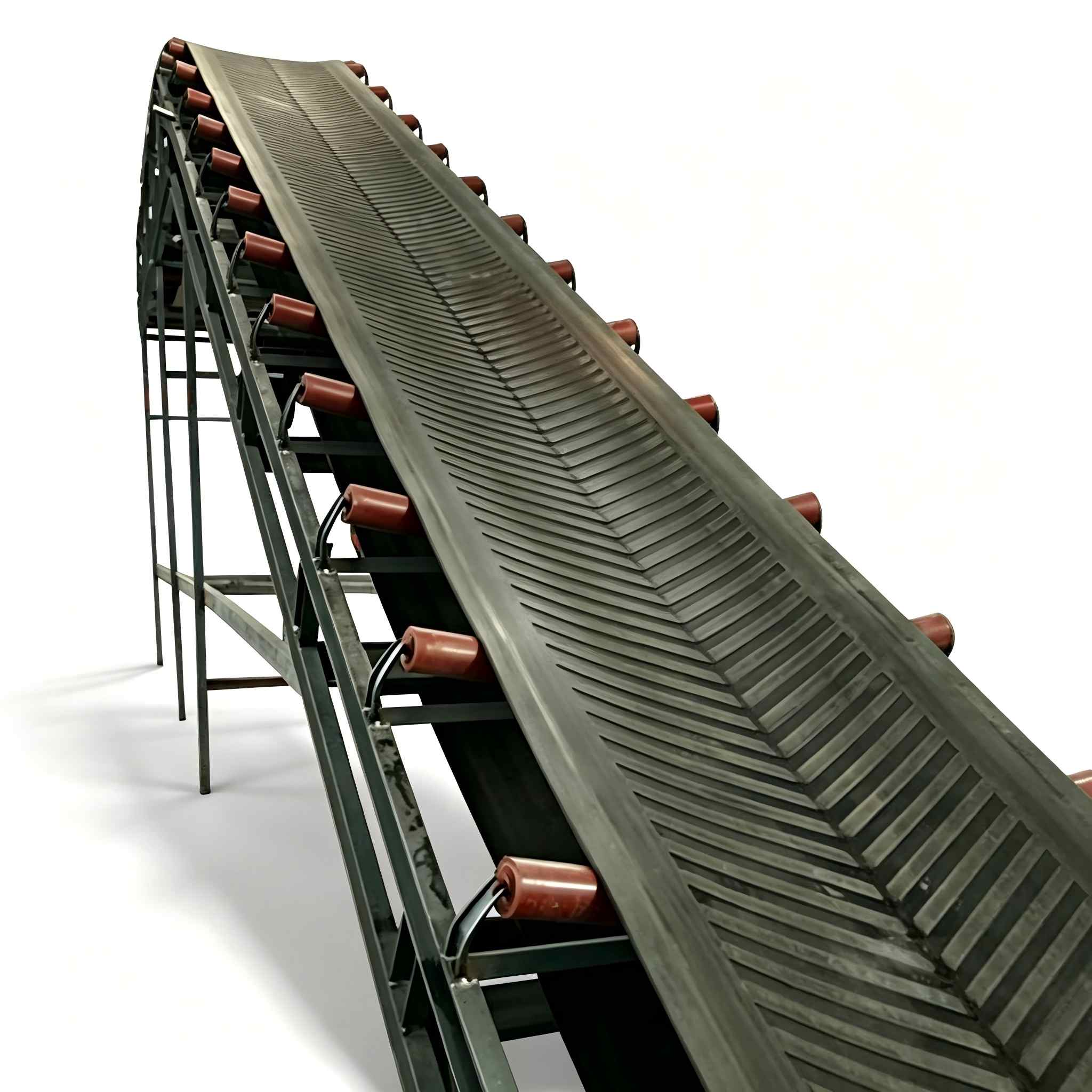
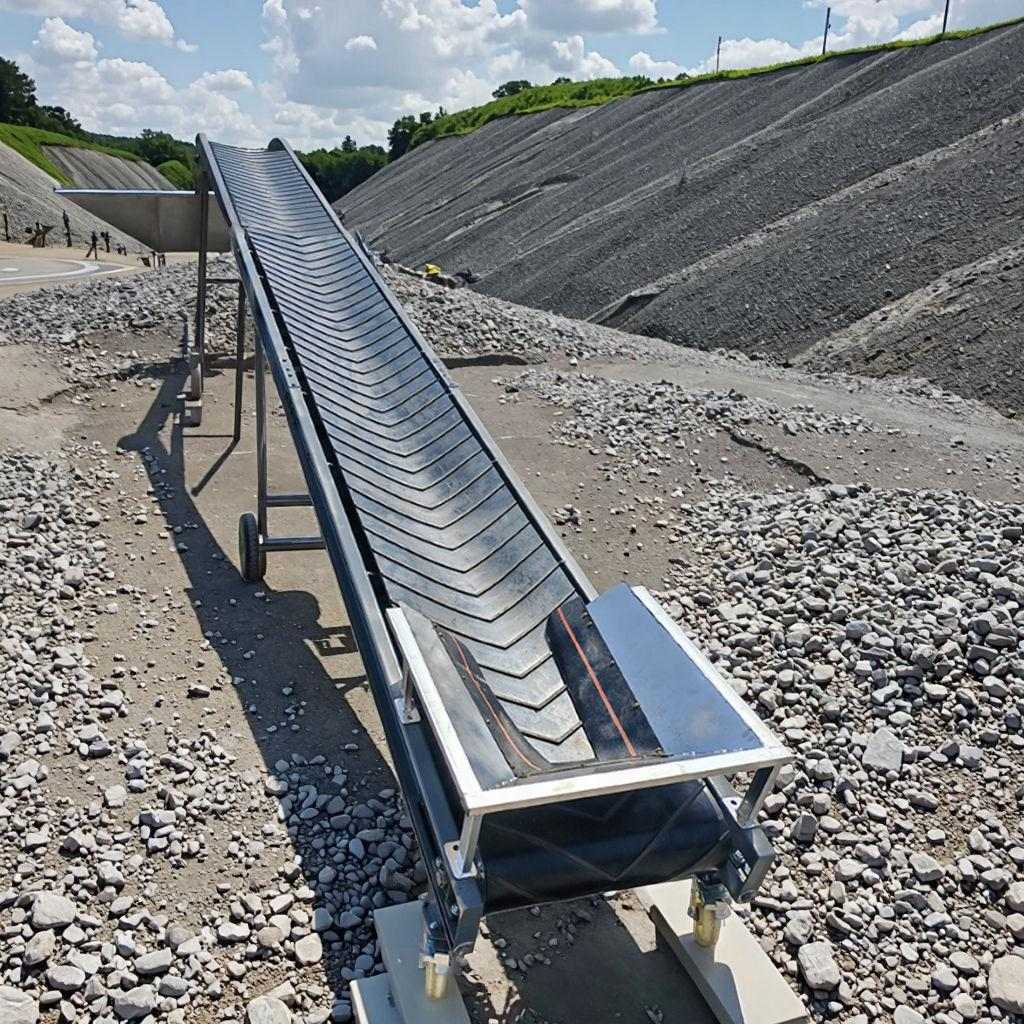
Chevron Conveyor Belt
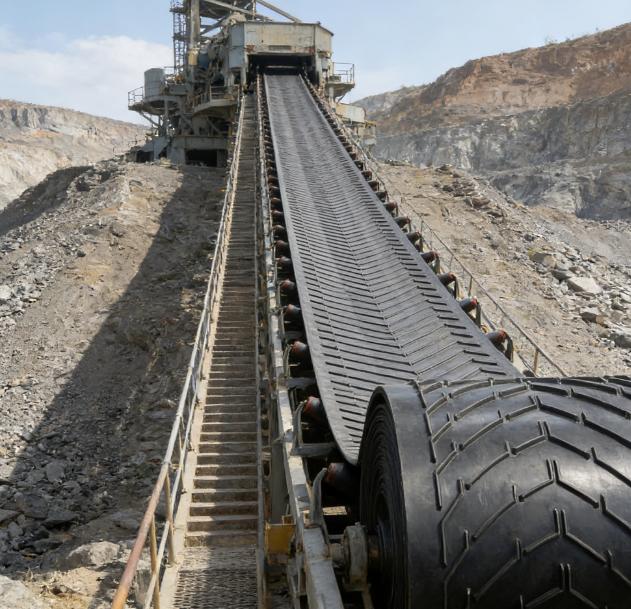
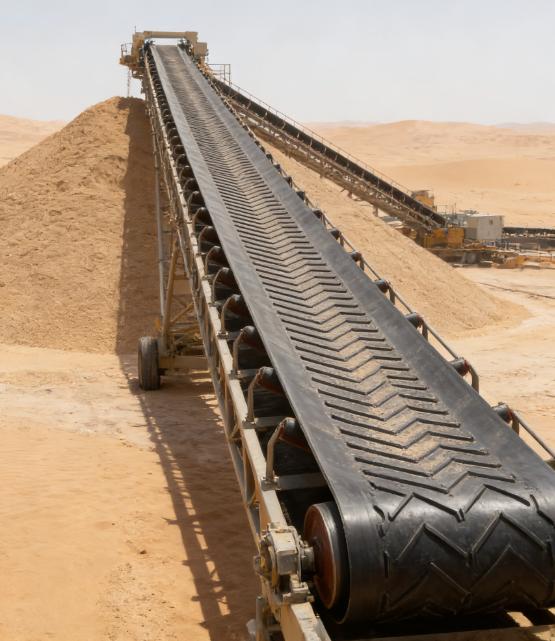
The molded profiles of a Chevron Conveyor Belt provide additional grip when bulk materials are transported on inclined conveyors.
It is widely used for sand, gravel, coal, crushed stone and aggregates where conventional smooth conveyor belts may allow material rollback.
Different profile patterns and heights are available according to particle size, conveying angle and required capacity.
Corrugated Sidewall Conveyor Belt
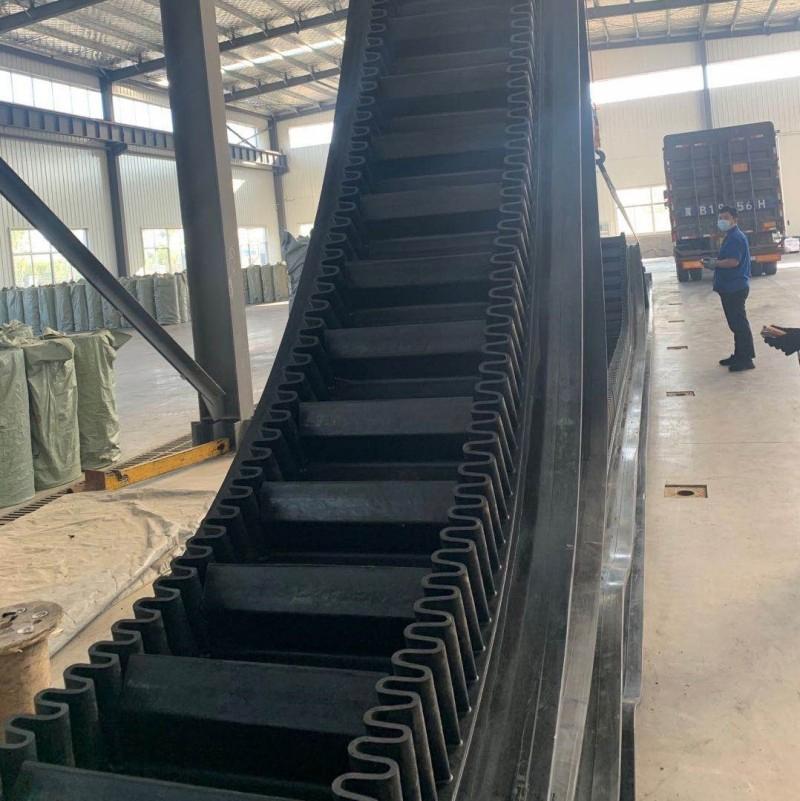
For steep-angle material lifting, the Sidewall Corrugated Conveyor Belt uses flexible corrugated sidewalls and transverse cleats to contain material on the belt.
This design can reduce the horizontal footprint of the conveying system and minimize the number of transfer points required in compact mining and industrial plants.
Pipe Conveyor Belt
The Pipe / Tubular Conveyor Belt changes from a flat loading surface into an enclosed tubular shape during conveying.
The enclosed structure helps control dust, reduce material spillage and protect conveyed materials from external environmental conditions. It is suitable for coal, concentrates, limestone, ash and other dusty bulk materials.
Typical Mining & Industrial Applications
Our conveyor belting can be used throughout the material handling process:
Mine Extraction → Primary Crushing → Secondary Crushing → Screening → Processing → Stockpiling → Loading
Typical industries include:
- Iron ore, copper, gold and other mining operations
- Coal mining and coal preparation plants
- Stone quarries and aggregate plants
- Sand and gravel processing
- Crushing and screening plants
- Cement and clinker production
- Steel and metallurgical plants
- Power stations
- Ports and bulk terminals
- Long-distance overland conveying
General Technical Specifications
| Item | Available Specification |
|---|---|
| Belt Construction | EP / NN / Steel Cord |
| Belt Width | Customized |
| EP Rating | EP100–EP400 or customized |
| Steel Cord Rating | ST-series according to duty |
| Fabric Plies | 2–6 plies or customized |
| Top Cover | Customized |
| Bottom Cover | Customized |
| Cover Compound | Abrasion / Heat / Flame / Special Duty |
| Surface | Smooth / Chevron / Cleated |
| Edge | Cut Edge / Molded Edge |
| Belt Structure | Flat / Sidewall / Pipe |
| Standards | DIN / ISO / AS / Project Standard |
Why Choose Our Mining Conveyor Belts?
Built for Abrasive Materials
Rubber compounds are available for continuous handling of hard ore, rock and aggregates.
High-Tensile Carcass Options
EP fabric and steel cord constructions meet different conveyor tension and distance requirements.
Impact & Tear Protection
Heavy-duty and reinforced belt structures are available for severe loading conditions.
Wide Application Range
Solutions cover horizontal, inclined, steep-angle and enclosed conveying systems.
Customized Production
Belt width, tensile rating, ply number, cover thickness and rubber grade can be customized.
RFQ – What Information Should You Send?
For accurate belt selection and quotation, please provide:
- Conveyed material
- Bulk density and maximum lump size
- Required conveying capacity in t/h
- Belt width
- Conveyor length
- Lift height and inclination angle
- Belt speed
- Existing EP or ST belt rating
- Number of plies
- Top and bottom cover thickness
- Material and ambient temperature
- Required abrasion, heat, flame or tear resistance
- Applicable DIN, ISO, AS or project standard
- Existing belt photos, drawings or markings
For replacement projects, sending a clear photo of the existing conveyor belt marking and cross-section can help us identify the original specification more efficiently.
Products
PP Filter Press Cloth
Rubber Filter Belt for Horizontal Vacuum Belt Filters

Ceramic Lagged Drive Pulley
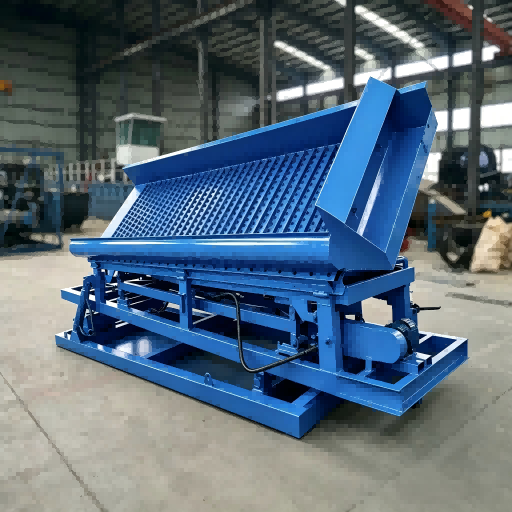
Vibrating Sluice Box
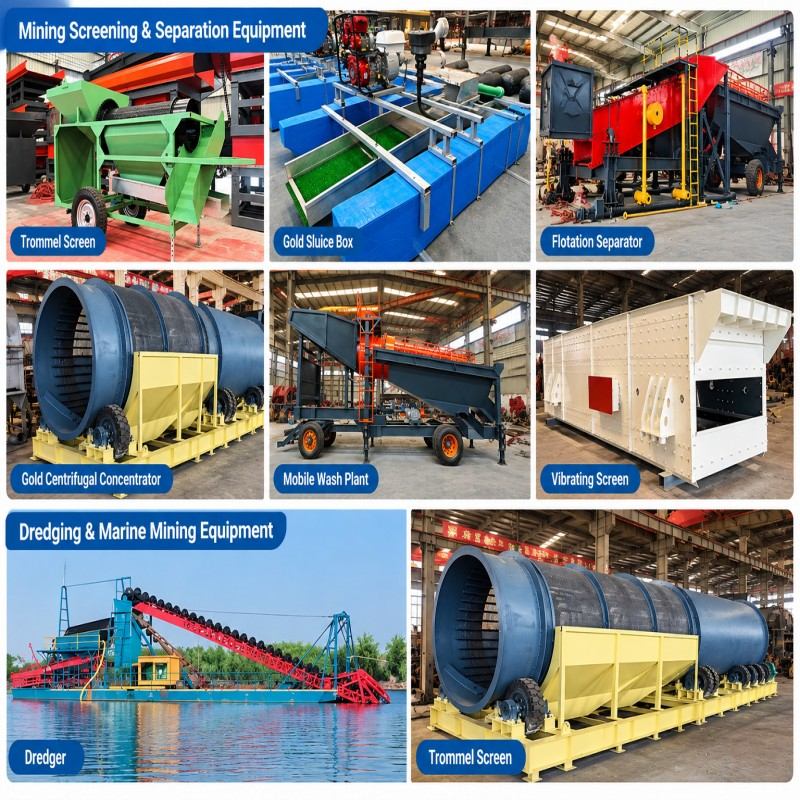
Compact Alluvial Gold Equipment
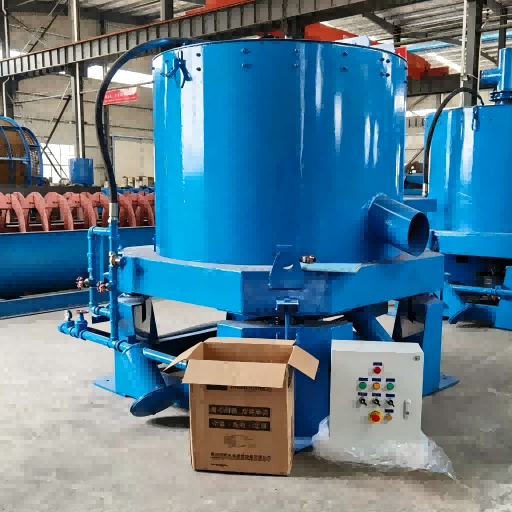
Centrifugal Gold Concentrator
Recent news
See Latest Service