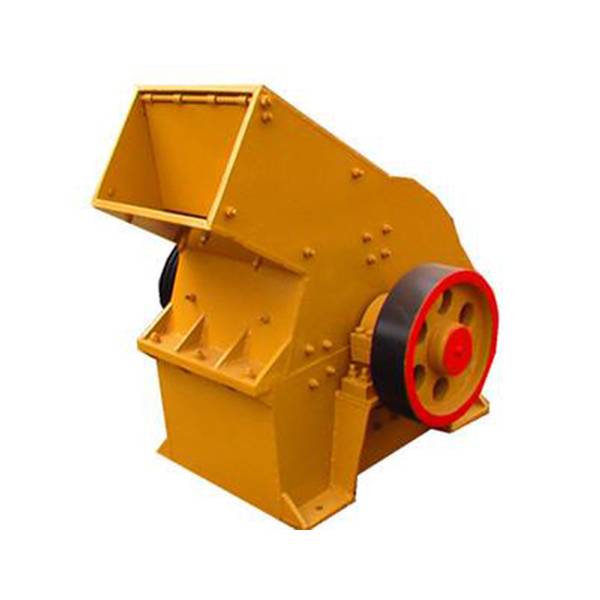
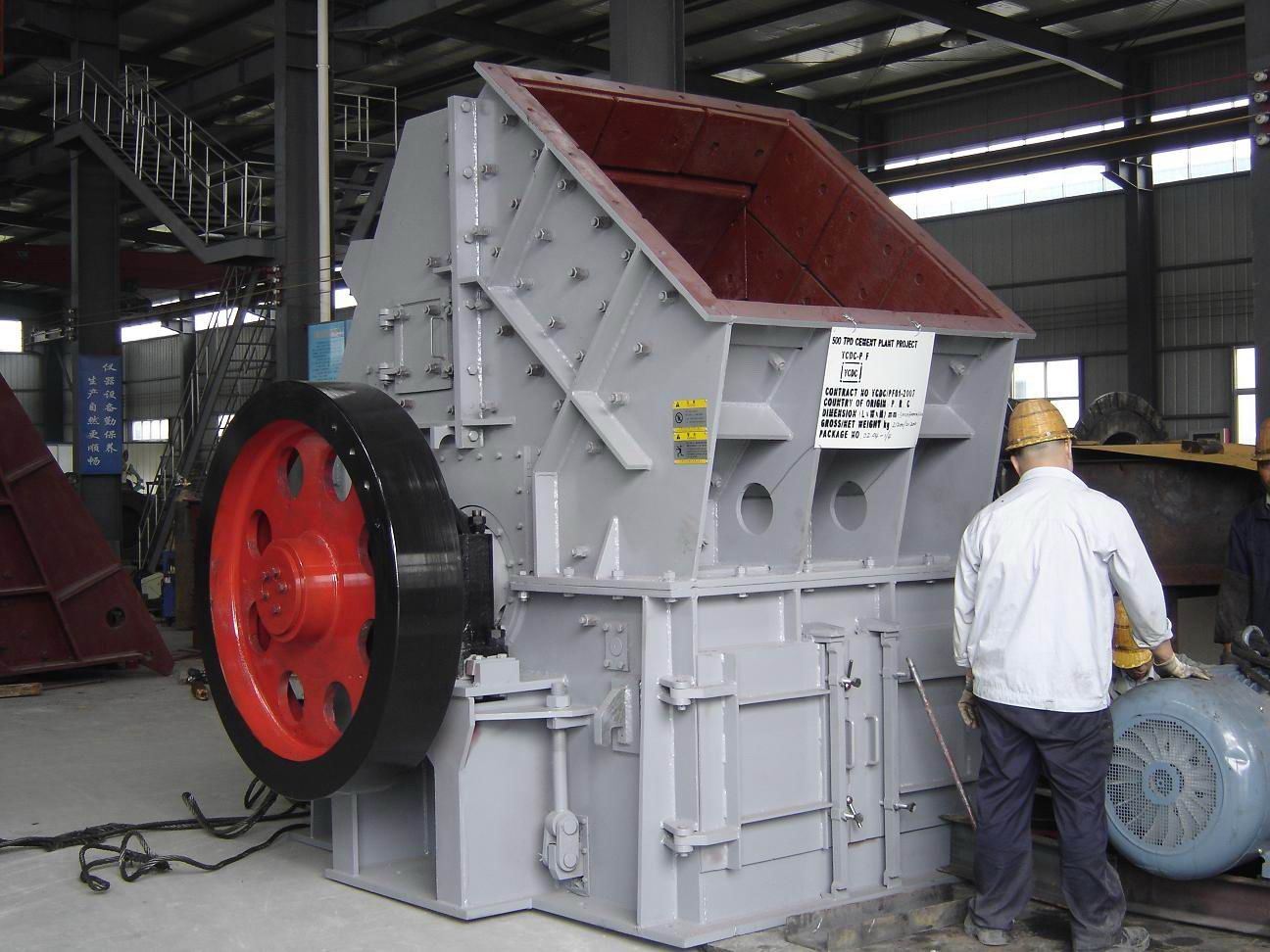
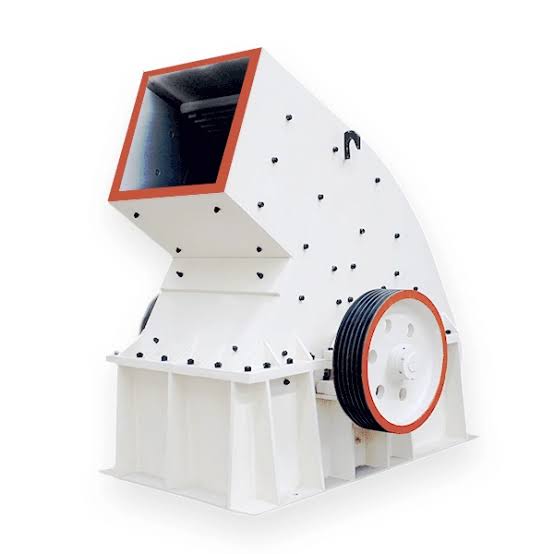
Hammer Crusher
- 01 1. High Reduction Ratio The hammer crusher achieves efficient single-stage crushing, significantly reducing material size while simplifying the overall crushing process.
- 02 2. Adjustable Output Size The final product size can be adjusted by changing the grate opening and rotor configuration to meet various processing requirements.
- 03 3. Heavy-Duty Rotor Design The reinforced rotor assembly provides stable operation and powerful crushing performance, even under continuous heavy-duty working conditions.
- 04 4. Wear-Resistant Hammer Heads Equipped with high-quality alloy, manganese steel or high-chrome hammer heads, the crusher offers excellent wear resistance and extended service life.
- 05 5. Wide Application Range Suitable for limestone, coal, gypsum, slag and other brittle materials, the hammer crusher is widely used in cement plants, mining operations, quarrying and industrial mineral processing.
-
Hammer Crusher Description
Product Introduction
What Is a Hammer Crusher?
A Hammer Crusher, also known as a Hammer Mill Crusher or Hammer Breaker, is an impact-type crushing machine designed to reduce soft to medium-hard and brittle materials into smaller, more uniform particles.
The material enters the crushing chamber and is repeatedly struck by high-speed rotating hammer heads. It is then further reduced through collision with the breaker plates, liner plates and other particles. Material that reaches the required size passes through the grate openings at the bottom of the crusher.
Hammer crushers are widely used for crushing limestone, coal, gypsum, shale, slag, coke, chalk, salt and other brittle materials in mining, quarrying, cement, power generation and building-material industries. Finished particle size can be influenced by grate opening, rotor speed, hammer configuration and operating conditions.
Typical Applications
Limestone Crushing
The limestone hammer crusher is commonly used in cement plants, lime production lines and aggregate-processing facilities.
It can reduce relatively large limestone feed into smaller particles in one crushing stage, helping simplify the crushing circuit.
Typical applications include:
- Cement raw-material preparation
- Limestone aggregate production
- Lime production
- Construction-material processing
- Quarry crushing plants
Coal Crushing
A coal hammer crusher can process raw coal, coal gangue, coke and other brittle carbon-based materials.
It is suitable for:
- Coal preparation plants
- Thermal power stations
- Coking plants
- Boiler fuel preparation
- Coal conveying systems
Cement Plant Applications
Hammer crushers are widely applied in cement production for processing:
- Limestone
- Gypsum
- Marl
- Shale
- Clay
- Coal
- Alternative fuels
Heavy-duty hammer crushers are especially useful where a high reduction ratio and simplified single-stage crushing process are required. HAZEMAG describes hammer crushers as suitable for soft to medium-hard rock, including wet or tough feed, with high crushing ratios in cement and construction applications.
Industrial Mineral Processing
Hammer mill crushers can also be used to process:
- Gypsum
- Salt
- Chalk
- Dolomite
- Phosphate rock
- Slag
- Glass
- Fertilizer raw materials
Construction and Recycling
Depending on the rotor and grate configuration, hammer crushers can process selected construction materials such as:
- Brick
- Tile
- Lightweight concrete
- Glass
- Brittle construction waste
- Selected industrial waste

Suitable Materials
Recommended Materials
- Limestone
- Coal
- Coal Gangue
- Coke
- Gypsum
- Shale
- Chalk
- Salt
- Slag
- Clay
- Dolomite
- Phosphate Rock
- Glass
- Brick
- Brittle Industrial Minerals
Material Selection Notice
Hammer crushers are generally best suited to soft, medium-hard and brittle materials with low to moderate abrasiveness.
For hard and highly abrasive materials such as quartz-rich granite, basalt or certain iron ores, hammer-head and liner wear may increase significantly. A jaw crusher or cone crusher may provide a more economical solution for these materials.
Feed moisture should also be evaluated carefully. Sticky or highly cohesive material may block the grate openings and reduce production capacity. Reversible or open-bottom configurations may be more suitable for selected moist-material applications.
Key Advantages
1. High Reduction Ratio
The high-speed rotor and repeated impact action can achieve substantial size reduction in a single crushing stage.
This may reduce the need for additional secondary-crushing equipment in suitable limestone, coal and cement applications.
2. Adjustable Final Product Size
The discharge size can be controlled through:
- Grate opening
- Rotor speed
- Hammer quantity
- Hammer arrangement
- Breaker-plate clearance
The grate structure helps regulate the maximum discharge size and improve finished-product consistency.
3. Heavy-Duty Rotor Design
The rotor assembly is designed to store and transmit sufficient impact energy for continuous crushing.
A properly balanced rotor helps maintain stable operation and reduces excessive vibration under normal working conditions.
4. Replaceable Wear Parts
Hammer heads, grate bars, breaker plates and liner plates can be replaced individually after wear.
Different wear-resistant materials can be selected according to feed hardness, abrasiveness and impact conditions.
5. Simple Structure and Easy Maintenance
The compact machine structure provides convenient access to the crushing chamber and internal wear parts.
Hydraulic-opening systems and maintenance doors can be provided on selected models to simplify hammer and liner replacement.
6. Uniform Product Size
Material is retained inside the crushing chamber until it is small enough to pass through the grate openings.
This helps control the top size of the discharged product and produces a relatively uniform output for downstream processing.
7. Flexible Configurations
Available configurations include:
- Standard Hammer Crusher
- Heavy-Duty Hammer Crusher
- Reversible Hammer Crusher
- Ring Hammer Crusher
- Single-Stage Hammer Crusher
- Fine Hammer Crusher
- Coal Hammer Crusher
- Limestone Hammer Crusher
- Mobile Hammer Crusher
Working Principle
The electric motor drives the rotor through a belt or direct-drive system.
As the rotor rotates at high speed, the mounted hammer heads strike the incoming material and accelerate it toward the breaker plates and liner surfaces.
The material is reduced through four main actions:
- Direct impact from the hammer heads
- Collision with breaker plates and liners
- Particle-to-particle collision
- Grinding and shearing near the grate bars
Once the material becomes smaller than the grate opening, it passes through the bottom of the crushing chamber and is discharged onto a conveyor.
Main Components
The hammer crusher mainly consists of:
- Feed Inlet
- Crusher Housing
- Heavy-Duty Rotor
- Main Shaft
- Hammer Discs
- Hammer Pins
- Hammer Heads
- Breaker Plates
- Liner Plates
- Grate Bars
- Bearings
- Flywheel or Pulley
- Electric Motor
- Belt-Drive System
- Access Doors
- Hydraulic Opening System
- Lubrication System
- Safety Protection System

Core Structure Highlights
Heavy-Duty Rotor
The rotor is the main working component of the hammer crusher.
It normally consists of:
- Main shaft
- Rotor discs
- Hammer pins
- Hammer heads
- Locking components
The rotor should be dynamically balanced to support stable high-speed operation.
Wear-Resistant Hammer Heads
Hammer heads directly contact and crush the feed material.
Available materials may include:
- High Manganese Steel
- High Chrome Cast Iron
- Alloy Steel
- Bimetal Composite
- High Chrome Ceramic Composite
Material selection should be based on feed hardness, silica content, lump size, impact load and required service life.
Replaceable Grate Bars
The grate bars control the maximum discharge size and prevent oversized particles from leaving the crushing chamber.
Different grate gaps can be supplied according to the required finished-product specification.
Reinforced Crusher Housing
The crusher body is manufactured from heavy steel plate with internal replaceable liners to protect the housing from impact and abrasive wear.
Breaker Plate System
Breaker plates provide additional impact surfaces and help increase the reduction ratio.
Adjustable breaker plates can be supplied on selected models to control the crushing chamber and product gradation.
Technical Specifications
The following table is a general reference range for website presentation. Final values should be replaced with your factory’s confirmed model data before publication or quotation.
| Model | Rotor Diameter × Width | Max. Feed Size | Discharge Size | Capacity | Motor Power |
|---|---|---|---|---|---|
| PC400×300 | 400 × 300 mm | ≤200 mm | ≤10–25 mm | 5–10 TPH | 11 kW |
| PC600×400 | 600 × 400 mm | ≤250 mm | ≤10–25 mm | 10–25 TPH | 22 kW |
| PC800×600 | 800 × 600 mm | ≤350 mm | ≤10–35 mm | 20–50 TPH | 55 kW |
| PC800×800 | 800 × 800 mm | ≤350 mm | ≤10–35 mm | 35–65 TPH | 75 kW |
| PC1000×800 | 1000 × 800 mm | ≤400 mm | ≤15–40 mm | 50–100 TPH | 110 kW |
| PC1000×1000 | 1000 × 1000 mm | ≤400 mm | ≤15–40 mm | 80–150 TPH | 132 kW |
| PC1200×1200 | 1200 × 1200 mm | ≤500 mm | ≤20–50 mm | 100–200 TPH | 200 kW |
| PC1400×1400 | 1400 × 1400 mm | ≤600 mm | ≤20–50 mm | 150–300 TPH | 280–315 kW |
Available Crusher Types
Standard Hammer Crusher
Suitable for general crushing of limestone, coal, gypsum and other brittle materials.
Heavy-Duty Hammer Crusher
Designed with a reinforced rotor, larger feed opening and stronger crusher housing for high-capacity industrial applications.
Reversible Hammer Crusher
The rotor can operate in both directions, allowing both sides of the hammer heads and crushing path to be used.
This can improve wear utilization and extend the operating time between maintenance intervals. Reversible hammer crushers are commonly applied in secondary or fine crushing of limestone, coal and other brittle materials.
Single-Stage Hammer Crusher
Designed to reduce relatively large feed into the required product size in one crushing stage.
It is commonly used in cement and limestone-processing plants.
Ring Hammer Crusher
Uses ring-shaped hammers and is commonly applied in coal, coke and power-generation industries.
Fine Hammer Crusher
Designed with a smaller grate opening and optimized chamber for producing finer discharge material.
Mobile Hammer Crusher
Mounted on a wheeled or tracked chassis for small quarries, recycling sites and temporary crushing projects.
Hammer Crusher Wear Parts
We supply complete hammer-crusher wear parts and replacement components.
Main Wear Parts
- Hammer Heads
- Hammer Pins
- Rotor Discs
- Grate Bars
- Breaker Plates
- Liner Plates
- Side Liners
- Wear Plates
- Main Shaft
- Bearing Housing
- Rotor Protection Plates
- Bolts and Fasteners
Hammer Head Materials
High Manganese Steel Hammer Heads
Suitable for:
- High-impact conditions
- Larger feed sizes
- Lower-abrasiveness materials
- Applications requiring good toughness
High Chrome Hammer Heads
Suitable for:
- Limestone
- Coal
- Gypsum
- Smaller and more stable feed
- Applications requiring high wear resistance
Alloy Steel Hammer Heads
Suitable for applications requiring a balance between impact toughness and abrasive-wear resistance.
Bimetal Composite Hammer Heads
A hard, wear-resistant working surface is combined with a tougher supporting section to improve both wear life and impact resistance.
Ceramic Composite Hammer Heads
Ceramic inserts can be added to selected high-wear areas to increase service life under controlled operating conditions.
Aftermarket Replacement Parts
Replacement parts can be manufactured according to:
- Machine Model
- Part Number
- Original Drawing
- Customer Drawing
- Worn Sample
- Material Specification
- Chemical Composition
- Working Conditions
- 3D Scanning Data
Optional Configurations
- Hydraulic Housing Opening
- Reversible Rotor
- Adjustable Breaker Plates
- Replaceable Grate Bars
- Automatic Lubrication System
- Bearing Temperature Monitoring
- Vibration Monitoring
- Variable-Frequency Drive
- Electric Motor Drive
- Diesel Engine Drive
- Dust-Suppression System
- Metal Detector
- Magnetic Separator
- Mobile Chassis
- Maintenance Platform
- Hammer-Lifting Device
Recommended Crushing Plant
Limestone Crushing Plant
Raw Limestone
↓
Vibrating Feeder
↓
Heavy-Duty Hammer Crusher
↓
Vibrating Screen
↓
Finished Limestone Products
Coal Crushing System
Raw Coal
↓
Feeding Conveyor
↓
Metal Detector
↓
Coal Hammer Crusher
↓
Vibrating Screen
↓
Boiler or Coal-Preparation System
Cement Raw-Material Plant
Limestone / Gypsum / Shale
↓
Apron Feeder
↓
Single-Stage Hammer Crusher
↓
Storage and Blending System
↓
Raw Mill
Fine Crushing Circuit
Primary Jaw Crusher
↓
Reversible Hammer Crusher
↓
Vibrating Screen
↓
Qualified Fine Product
Installation Requirements
| Item | Recommendation |
| Feeding Equipment | Vibrating feeder or apron feeder |
| Feed Control | Continuous and uniform feeding |
| Metal Protection | Magnetic separator and metal detector recommended |
| Foundation | Reinforced concrete or engineered steel structure |
| Discharge Equipment | Belt conveyor |
| Dust Control | Water spray or dust-extraction system |
| Maintenance Space | Sufficient room for hammer and grate replacement |
| Monitoring | Bearing-temperature and vibration monitoring |
| Electrical Protection | Overload and interlocked feed control |
| Moisture Evaluation | Confirm material moisture and stickiness before selection |
Packaging and Shipping
Available packing methods include:
- Export Steel Frame
- Protective Film
- Wooden Cases for Spare Parts
- Steel Pallets
- Moisture-Proof Packing
- Container Loading
- Flat-Rack Shipping
- Break-Bulk Shipping
Hammer heads, grate bars, bearings and other wear parts are normally packed separately for safe transportation.
FAQ
Q1. What materials can a hammer crusher process?
A hammer crusher is commonly used for limestone, coal, gypsum, shale, coke, slag, salt, glass and other soft to medium-hard brittle materials.
Q2. Is a hammer crusher suitable for hard rock?
It is not normally recommended for highly abrasive hard rock such as quartz-rich granite or basalt because hammer and liner wear may be high.
Q3. What is the difference between a hammer crusher and an impact crusher?
Both machines use impact force.
A hammer crusher normally uses multiple swinging hammer heads and a grate system to control the final size. An HSI impact crusher normally uses several larger blow bars mounted on a rotor and adjustable impact aprons.
Q4. Can a hammer crusher be used for primary crushing?
Yes. Heavy-duty and single-stage hammer crushers can be used for primary crushing of selected soft or medium-hard materials such as limestone.
Q5. How is the output size controlled?
The finished-product size is mainly controlled by the grate-bar opening, rotor speed, hammer arrangement and breaker-plate clearance.
Q6. Can the crusher handle wet material?
It can process material with moderate moisture, but highly wet and sticky feed may block the grate openings. The moisture content and clay percentage should be confirmed before model selection.
Q7. What is a reversible hammer crusher?
A reversible hammer crusher can rotate in both directions, allowing wear to be distributed across both sides of the hammer heads and crushing chamber.
Q8. How do I select the correct hammer-head material?
The selection depends on:
- Material hardness
- Silica content
- Feed size
- Impact load
- Moisture
- Tramp-metal risk
- Required service life
Q9. Do you supply hammer-crusher spare parts?
Yes. Hammer heads, grate bars, liners, rotor discs, hammer pins, main shafts and other replacement parts can be supplied.
Q10. Can you design a complete crushing system?
Yes. The crusher, feeder, conveyor, screen, dust-control system and metal-protection equipment can be configured according to the project requirements.
RFQ Information
Tell Us About Your Crushing Project
- What material will be crushed?
- What is the maximum feed size?
- What final output size is required?
- What capacity is required in TPH?
- What is the material hardness?
- What is the approximate moisture content?
- Is the material sticky or clay-contaminated?
- Is the crusher for primary, secondary or fine crushing?
- Is a standard or reversible hammer crusher required?
- What voltage and frequency are available?
- Which country will the crusher operate in?
- Do you also require hammer heads, grate bars and liner plates?
Send us your material information, feed size and required capacity. Our engineers will recommend the appropriate hammer crusher model, rotor configuration, grate opening and hammer-head material for your project.
Products
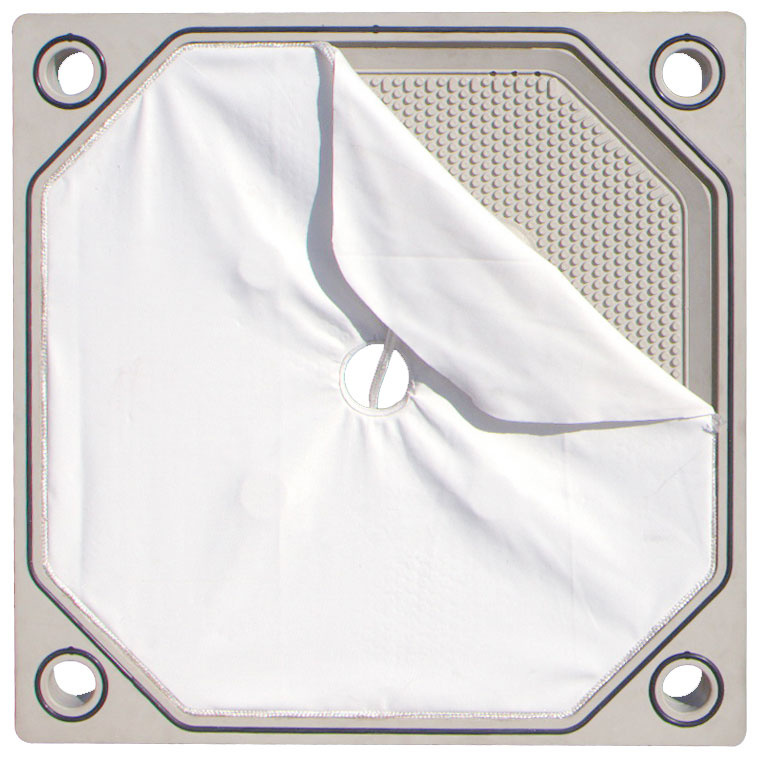
PP Filter Press Cloth
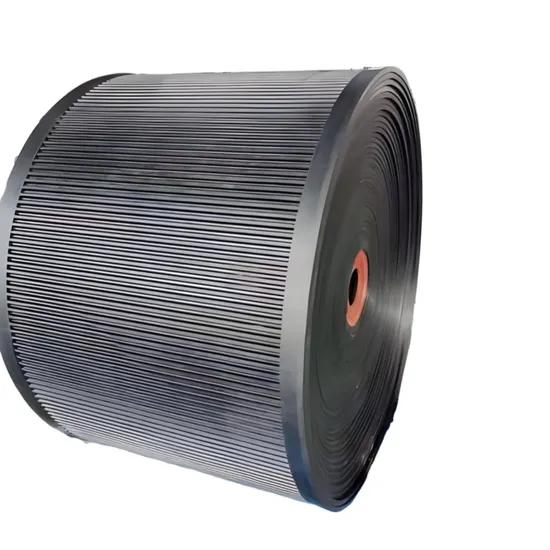
Rubber Filter Belt for Horizontal Vacuum Belt Filters

Ceramic Lagged Drive Pulley
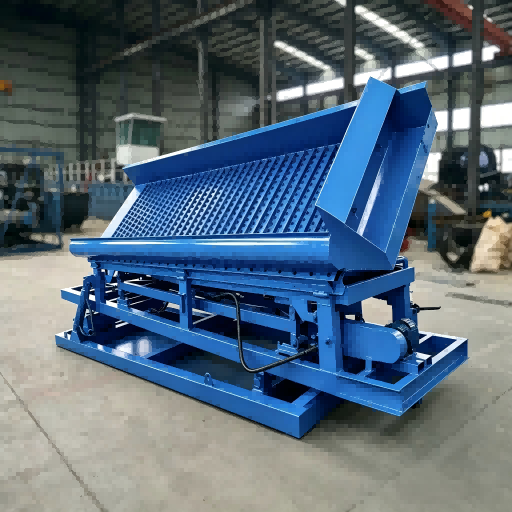
Vibrating Sluice Box
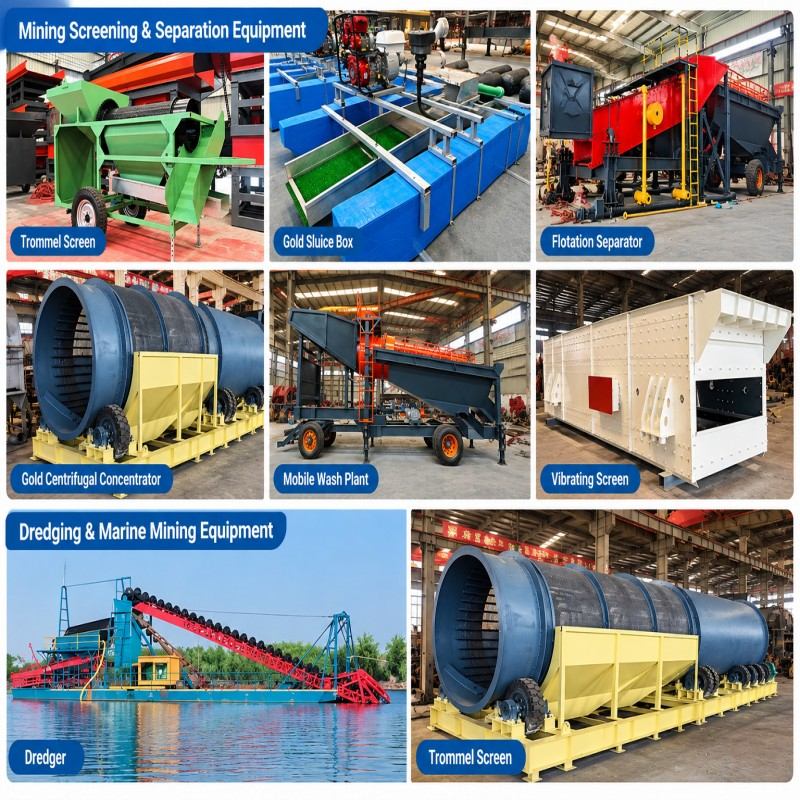
Compact Alluvial Gold Equipment
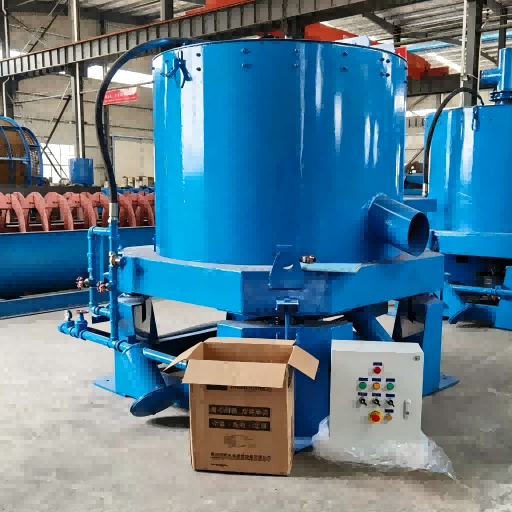
Centrifugal Gold Concentrator
Recent news
See Latest Service