Metal vs Polyurethane Hydrocyclones: Assign the Right Material to the Right Wear Zone
-
 admin
- 12 Nov, 2026
Quick Answer: Metal and polyurethane hydrocyclones differ most in how they fail, and modern construction lets a plant use both. Polyurethane deforms under impact and recovers, holding geometry in elastic zones; steel carries structure and hosts ceramic, rubber or polyurethane liners where abrasion concentrates. The apex decides classification, so measure it on a schedule. Decide the purchase on cost per tonne processed between maintenance events, and the debate becomes arithmetic.
What Is Hydrocyclone Material Selection?
Hydrocyclones classify slurry by centrifugal force, and abrasive ores grind every internal surface the slurry touches. Material selection is the discipline of keeping the internal geometry alive: the apex diameter, the vortex finder position, the cone profile. Those dimensions are the product. When wear enlarges an apex, the underflow changes and the cut size drifts, quietly, between shutdowns.
The historical debate framed the choice as metal versus polymer. The engineering framing assigns materials by wear zone, because a single cyclone can legitimately contain steel, polyurethane, rubber and ceramic, each doing the job it does best.
Key Takeaways
✔ Shell and wear surface are separate decisions; hybrid construction keeps them separate.
✔ Elastic liners spread impact damage; hard ceramics resist sliding abrasion; neither does both.
✔ Apex wear is process drift before it is a maintenance event.
✔ Weep holes convert shell failures into liner replacements.
✔ Cost per tonne processed between events beats purchase price in every comparison.
Summary Table
| Item | Description |
| Function | Maintain classification geometry under abrasive slurry |
| Constructions | Unlined metal, polyurethane, lined steel, hybrid |
| Critical dimension | Apex / spigot opening diameter |
| Key metric | Cost per tonne processed between replacements |
| Outcome | Stable cut size and planned maintenance |
Definition
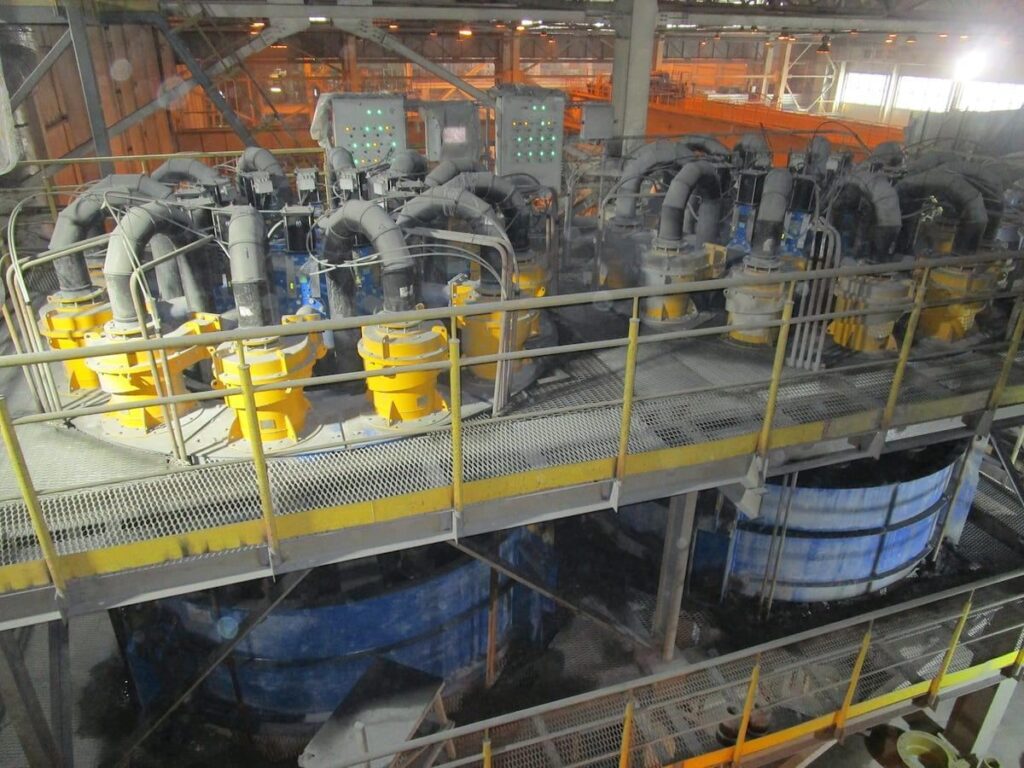
The shell carries the structure; the liner meets the slurry; the apex keeps the score.
Hydrocyclone material selection is the assignment of structural and wear-protection materials to the zones of a cyclone according to the local slurry conditions: velocity, particle size, impact angle and concentration. It treats the cyclone as a set of wear zones wearing a common shell, and it recognises that the geometry those zones maintain is the classification itself.
Working Principle
Each material resists wear by a different mechanism, and each has a duty where its mechanism wins.
Unlined metal resists through hardness. High-chromium alloys slow sliding abrasion, but hard angular particles still cut, and the surface loses geometry progressively. Alloy choice sets the pace; nothing sets the destination.
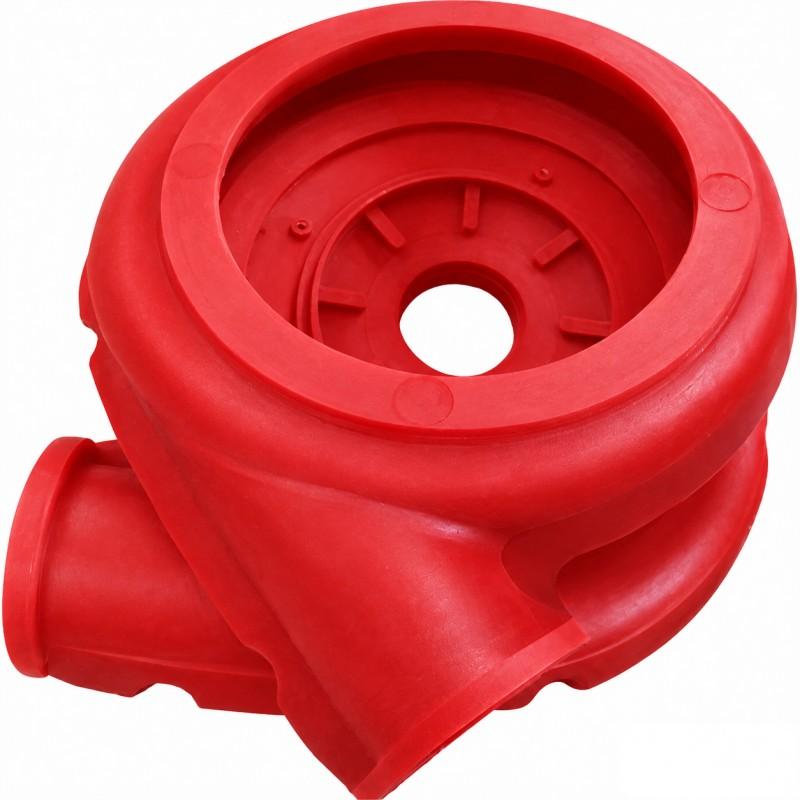
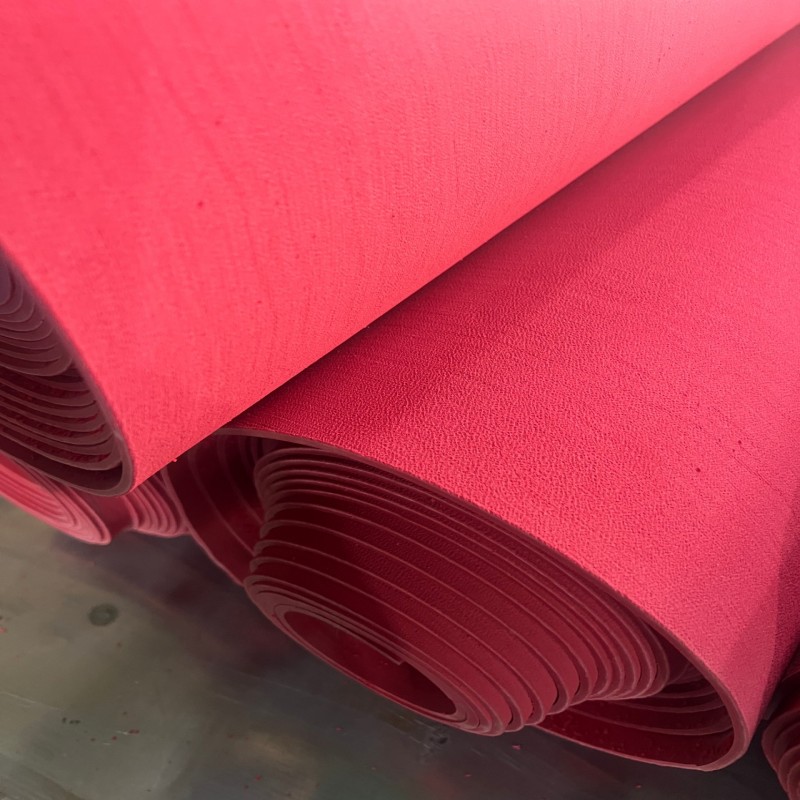
Polyurethane resists through elasticity. The surface deforms under particle impact and recovers, spreading damage across a volume instead of concentrating it on a line. Cast and moulded components suit smaller cyclones and replaceable parts, with low weight simplifying every shutdown. The limits are formulation limits: hardness, tear resistance, temperature rating and chemical exposure, all of which must match the measured slurry.
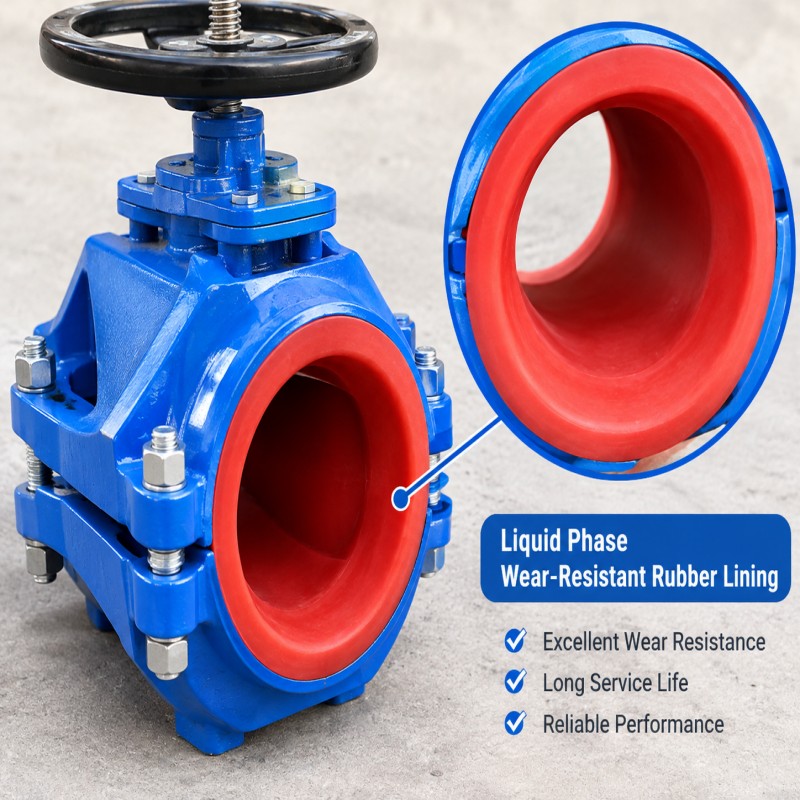
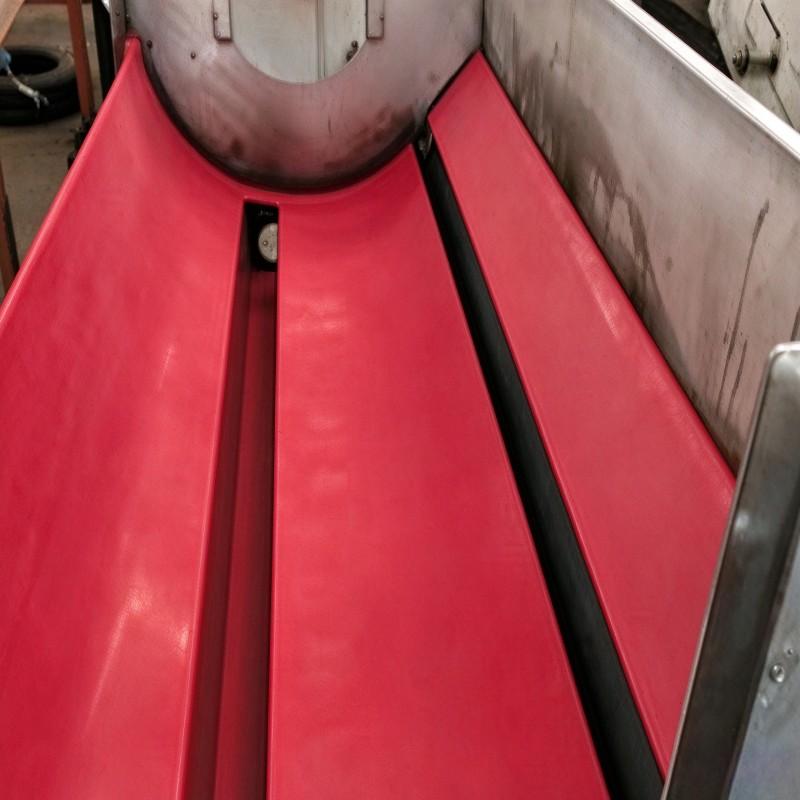
Lined steel assigns each job to its best material. A rigid shell carries the structure; internal liners face the slurry. Ceramic tiles take the worst sliding abrasion in the cone; elastic liners take impact at the entry; a polyurethane vortex finder holds the overflow geometry. Weep holes announce liner failure before the shell learns of it.
The wear map organises the assignment. The feed inlet takes the highest-velocity entry and punishes turbulence. The cone carries concentrated coarse particles and hosts the worst sliding abrasion. The apex is the scoreboard: its opening diameter is a critical operating dimension, and its wear is both maintenance and process control. The vortex finder sets the overflow path, and wear there sends coarse particles the wrong way. Spigot and apex components are manufactured to the required opening for exactly this reason.
Benefits
- Classification geometry holds longer, keeping the cut size stable.
- Replaceable liners avoid whole-cyclone replacement on liner failure.
- Lower component weight shortens shutdowns and simplifies handling.
- Early-warning weep holes prevent shell damage.
- Lifecycle cost falls as each maintenance event ships more tonnes.
Applications
The construction decision concentrates where abrasion is worst: iron ore beneficiation, copper grinding circuits, silica sand classification and fine desliming. The same material logic extends to spiral classifiers and their polyurethane shoes, and to large cone angle designs for coarse duty. Detailed wear-zone analysis is in the hydrocyclone wear guide.
The apex deserves its own paragraph, because it is the component that converts wear into process error. As abrasive slurry exits through the underflow opening, it grinds the apex larger. The enlarged opening passes more solids and coarser ones, the underflow density changes, and the cut size drifts while every instrument on the feed side reads normal. Plants that measure the apex opening on every shutdown catch the drift before the process does; plants that wait for a density excursion inherit a mystery. The measurement takes minutes, costs nothing, and is the single highest-value habit in cyclone maintenance. Pair it with a replacement trigger set on measured wear, and the apex stops being a source of surprises.
Material Comparison
| Feature | Unlined metal | Polyurethane | Metal with wear liners |
| Structure | Rigid | Elastic | Rigid outer shell |
| Abrasion resistance | Alloy-dependent | Formulation-dependent | Liner-dependent |
| Impact response | Alloy-dependent | Elastic energy absorption | Depends on liner |
| Component weight | Generally heavier | Generally lighter | Generally heavier |
| Maintenance | Repair or replacement | Component replacement | Liner replacement |
| Temperature capability | Alloy-dependent | Polymer-limited | Liner-dependent |
Application Comparison
| Situation | Wrong response | Right response |
| Apex wears open every month | Buy a thicker apex | Track opening, schedule replacement |
| Cone grooves rapidly | Re-line everything | Ceramic tiles in the worst zone |
| Liner fails behind the shell | Wait for the leak | Weep holes at purchase |
| Whole cyclone replaced for liner wear | Repeat the cycle | Independently replaceable liners |
| Cut size drifts after maintenance | Blame the pump | Measure apex and vortex finder |
Industry Application Matrix
| Industry | Slurry | Recommended first construction |
| Iron ore | Coarse abrasive hematite | Lined steel, zoned liners |
| Copper | Grinding circuit discharge | Polyurethane or lined steel |
| Silica sand | Fine sharp quartz | Polyurethane, ceramic hot zones |
| Coal | Moderate fines | Polyurethane components |
| Industrial minerals | Variable | Trial with wear records |
Selection Guide
- Characterise the slurry: hardness, angularity, size distribution, density, pH.
- Map the wear: photographs and measurements of every failed component.
- Assign materials by zone: elastic where impact dominates, ceramic where abrasion does.
- Choose a construction allowing independent liner replacement.
- Verify pressure and temperature limits for the exact formulation.
- Set the routine: apex opening and vortex finder measured every shutdown.
Procurement Guide
Buy against wear data. The enquiry carries ore type and abrasiveness, particle size distribution, slurry density and pH, normal and maximum pressure and temperature, required cut size and cyclone diameter, existing drawings, component dimensions and photographs of worn parts with service history. Test each supplier on three questions: which material for which wear zone, and why; what dimensional tolerance the replacement guarantees; will you support a trial with wear measurements at defined intervals. Suppliers who quote from drawings are engineering; suppliers who quote from a material name are guessing. The lifecycle arithmetic is simple to apply once the data exists: replacement cost plus labour plus downtime, divided by tonnes processed per cycle.
Failure Analysis
| Problem | Possible Cause | Recommended Solution |
| Cut size drifts between shutdowns | Apex wearing open | Measure and schedule apex replacement |
| Slurry leak at the shell | Liner penetration | Weep holes; replace liner early |
| Erosion grooves in the cone | Concentrated coarse abrasion | Ceramic protection in the zone |
| Cracked ceramic tiles | Impact beyond design | Elastic liner upstream of the ceramic |
| Rapid polyurethane wear | Formulation or duty mismatch | Match compound to measured slurry |
| Inlet thinning | Turbulent entry geometry | Review inlet design with the supplier |
Maintenance Guide
Every shutdown, measure the apex opening and vortex finder dimensions against specification, and photograph all internal wear surfaces. Track material loss by zone and component against tonnage processed. Replace liners before geometry drift becomes process drift. Record everything: the wear file is the raw material of every future purchasing decision and warranty discussion.
Case Study
Customer Type: Iron ore beneficiation plant, grinding circuit classification.
Slurry: Coarse abrasive hematite, high solids density.
Operating Conditions: 500 mm cyclone cluster, unlined metal cones replaced every eight weeks.
Problem: Cone grooving and apex enlargement drifting the cut size between replacements.
Solution: Lined steel construction with ceramic cone protection, polyurethane apex components, and a measurement routine on every shutdown.
Result: Replacement interval extended, cut size held within specification between events, and cost per tonne processed fell accordingly, per the site’s own wear records.
FAQ
- Are polyurethane hydrocyclones suitable for iron ore?
Where the formulation matches particle size, density and pressure, yes. Duties vary widely, so trials and existing wear records should set expectations.
- Can polyurethane liners replace metal components?
Where the design permits substitution and structural support, hydraulic geometry and mounting are preserved. A liner never substitutes for a load-bearing shell.
- Are ceramic-lined cyclones worth the cost?
In severe sliding abrasion, yes. Ceramics are hard but crack-sensitive, so impact intensity and installation conditions belong in the evaluation.
- How often should apex and vortex finders be replaced?
On measured wear against approved limits, with intervals set from the site’s own historical data rather than a calendar.
- What data does a supplier need?
Manufacturer and model, drawings or samples, dimensions, material preference, operating conditions, and photographs of worn components with service history.
- What are weep holes for?
They signal slurry penetration behind a liner before the outer shell is damaged, converting a shell failure into a liner replacement.
- Does material choice affect classification efficiency?
Indirectly, through geometry stability. A maintained lined cyclone and a maintained polyurethane cyclone can both hold the intended duty.
- Can different materials be mixed in one cyclone?
Yes, and frequently should be: elastic liners where impact dominates, ceramics where abrasion does, verified for dimensional and chemical compatibility.
- Why does the cut size drift between shutdowns?
Usually the apex wearing open. Measure the opening against specification before adjusting anything upstream.
Conclusion
The metal-versus-polyurethane debate dissolves under inspection: shells are structure, liners are process, and the slurry chooses the liner. Map the wear, assign materials by zone, measure the apex on every shutdown, and decide on cost per tonne processed between maintenance events. Plants that buy this way stop debating materials and start shipping classified tonnage on schedule.
Related Articles
Related Products
Related Technical Guides
- Hydrocyclone Wear: Root Causes, High-Wear Zones & Material Solutions
- Hydrocyclone Underflow Too Wet? 6 Causes & Fixes
- Flotation Cell Rotor and Stator Wear Parts
- Improve Fine Screening Efficiency with Polyurethane Screen Panels
- Rotor & Stator in Mechanical Flotation Cells
Related Buyer Guides
Related Comparison Articles
Contact
Annie Lu
Email: annie.lu@huataogroup.com
WhatsApp/WeChat: +86 18032422676
Website: www.tufflexscreen.com
Tags:
 admin
personal profile