Is a Mobile Gold Wash Plant Worth the Investment? Complete Guide for Alluvial and Placer Gold Projects
-
 admin
- 10 Nov, 2026
Definition: What Is a Mobile Gold Wash Plant?
A mobile gold wash plant is an integrated processing unit that washes, screens and recovers gold from alluvial or placer deposits, mounted on a trailer, skid or modular frame so it can be relocated between mining sites. It combines feeding, washing, screening and gravity separation into a transportable configuration, reducing the need for permanent foundations, structural supports and fixed infrastructure.
This distinguishes it from a stationary gold wash plant, which is built for a single long-term site and typically configured for higher, continuous throughput with multiple washing and recovery stages.
Working Principle
Raw gold-bearing gravel is loaded into a feeding hopper. A feeder — commonly a vibrating feeder on larger mobile plants — maintains a consistent feed rate and prevents uneven material distribution. The material then enters either a trommel scrubber or a gold trommel screen.
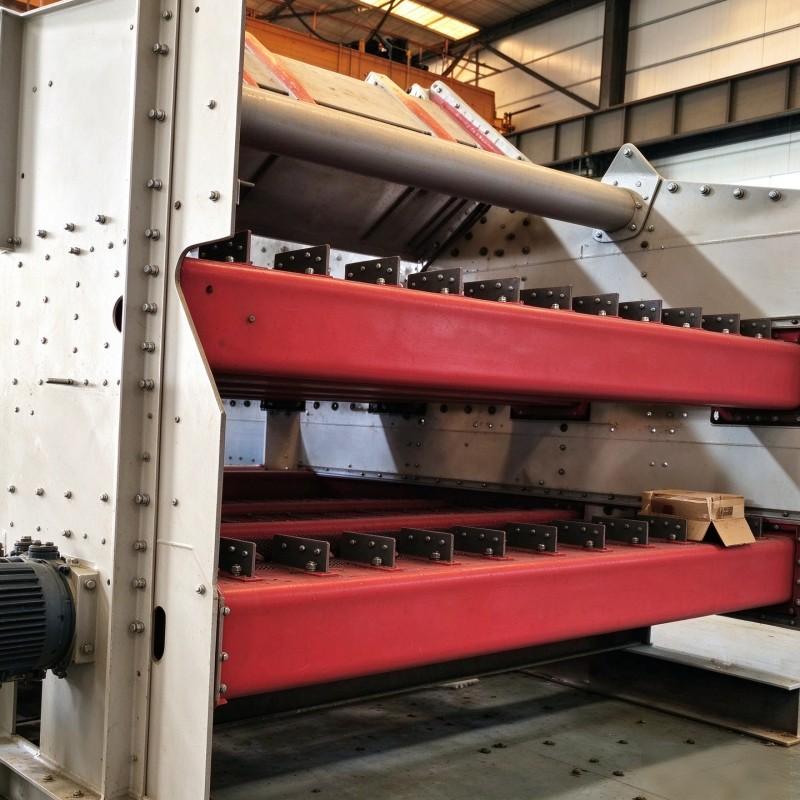
A trommel scrubber is designed to wash and break down clay agglomerates, making it particularly useful for sticky or compacted alluvial material. A gold trommel screen primarily separates material by particle size, removing oversized rocks while allowing smaller gold-bearing material to pass through the screen openings. For deposits containing significant sticky clay, a standard screening trommel may not provide sufficient washing action — this is one of the most common equipment selection errors in alluvial mining.
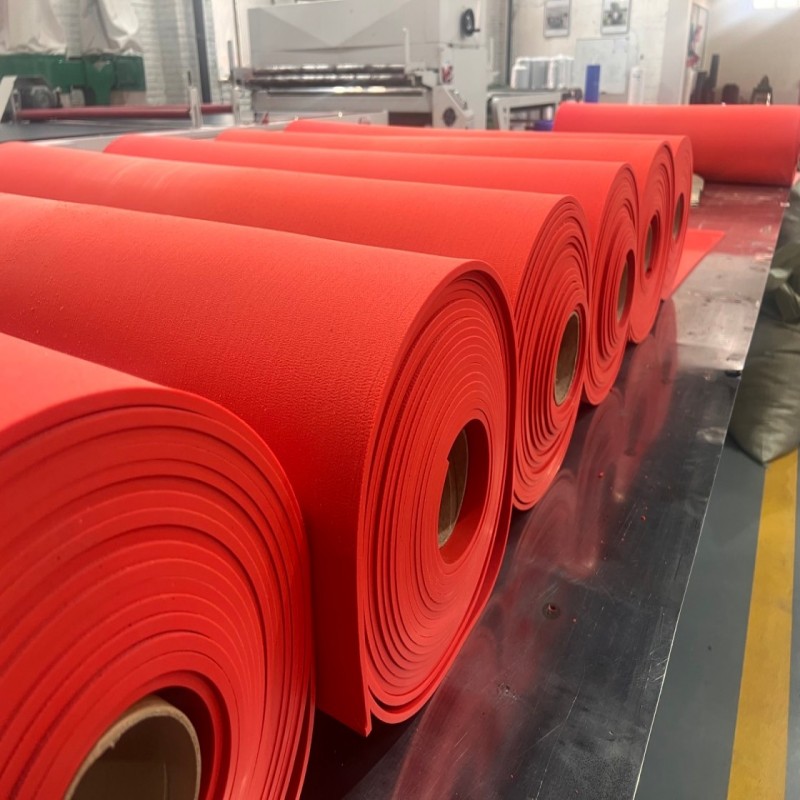
The screened undersize reports to a sluice box, where flowing water and riffles or specialized recovery matting capture heavy gold particles. Sluice design, water flow, feed rate and matting all influence recovery performance. Where testing indicates conventional gravity equipment is losing fine gold to the tailings, a centrifugal gold concentrator can be added to the mobile processing circuit. Gravity concentrate is subsequently cleaned and upgraded on a shaking table, which separates gold-rich material from lighter minerals through deck movement and flowing water. Depending on plant design, the shaking table may be installed as a separate finishing stage rather than directly on the mobile unit.
Water management completes the circuit. A complete system may include water pumps, pipelines, spray nozzles, settling ponds and recycling equipment. At remote mining locations, a suitable water recycling arrangement can reduce freshwater demand and improve operating efficiency.
Benefits of a Mobile Gold Wash Plant
Easy transportation between mining sites. Alluvial gold deposits are often distributed across large areas, and mining conditions change as operations progress. A mobile plant can be transported to a new location when the current deposit becomes less productive or when another area becomes available. This flexibility is particularly valuable for contractors and mining companies working on multiple projects — instead of investing in separate processing facilities for every location, operators may use the same plant across different mining areas, provided transportation and site conditions are suitable.
Reduced installation requirements. Traditional stationary gold wash plants may require substantial site preparation, foundations, structural supports and permanent infrastructure. Many mobile plants use integrated or modular equipment arrangements that reduce on-site assembly requirements. Depending on design, equipment may be mounted on a trailer, skid or modular frame. This can help reduce installation work and make it easier to start production at remote mining sites. However, mobile equipment still requires suitable ground conditions, access roads, water supply, power and safe working space.
Faster project setup. For mining projects with limited operating seasons or short production schedules, project preparation time has a direct impact on profitability. A pre-integrated mobile plant may reduce the time needed for equipment assembly and commissioning. Actual setup time depends on plant capacity, transportation arrangements, site preparation and the complexity of the processing system. Mining companies should request a complete installation plan rather than assuming that every mobile plant is ready for immediate operation.
Flexible investment for small and medium-scale mining. Mobile gold wash plants are often suitable for small and medium-scale alluvial mining operations. They allow operators to select a processing capacity that matches the available raw material and gradually expand equipment configuration as production requirements increase. For new mining projects, starting with a suitable mobile system may help control initial infrastructure investment.
Applications
Alluvial and placer gold deposits distributed across large areas where mining conditions change as operations progress.
Remote mining locations where permanent infrastructure would be expensive or impractical to construct.
Short-license or limited operating periods where a stationary facility cannot be justified economically.
Multi-deposit contracts where a contractor processes several sites sequentially over time.
Small and medium-scale mining operations seeking to match capacity to available raw material and expand gradually.
Pilot and bulk sampling programs where representative material testing is required before committing to a fixed plant.
Material Comparison: Feed Conditions and Equipment Response
| Feed Condition | Recommended Equipment | Engineering Reason |
|---|---|---|
| Low clay, free-flowing gravel | Standard gold trommel screen | Size separation alone is sufficient |
| Significant sticky or compacted clay | Trommel scrubber | Scrubbing action breaks down clay agglomerates that blind standard screens |
| Coarse gold dominant | Sluice box with matched riffles and matting | Coarse heavy particles are captured effectively by gravity |
| Fine liberated gold losses confirmed by testing | Add centrifugal gold concentrator | Enhanced gravity recovers fine particles conventional gravity equipment misses |
| Mixed coarse and fine gold | Sluice box + centrifugal concentrator + shaking table | Staged recovery followed by concentrate upgrading |
| Abrasive gravel with high wear duty | Polyurethane or rubber screen panels | Extended wear life versus wire mesh in abrasive duty |
Application Comparison: Mobile vs Stationary Gold Wash Plant
| Criterion | Mobile Plant | Stationary Plant |
|---|---|---|
| Transportation | Designed for easier relocation | Usually requires more dismantling and transportation work |
| Installation | Often reduced on-site assembly | May require foundations and more infrastructure |
| Site flexibility | Suitable for changing mining locations | Better for stable, long-term sites |
| Initial investment | Can be lower for some project configurations | May require higher infrastructure investment |
| Processing capacity | Available in different capacities depending on design | Can be configured for larger capacities and continuous operations |
| Expansion | Often easier to integrate into a larger fixed processing facility | May require additional modules or equipment |
| Relocation | Still requires transport and setup expenses | Relocation can be more complicated and expensive |
| Best fit | Remote, temporary, multi-site, limited license | Long-term, high-volume, multi-stage, existing infrastructure |
A mobile plant may provide better economics when mining locations change frequently, the project operates in remote areas, the mining license or operating period is limited, several deposits need to be processed over time, permanent infrastructure would be expensive or unnecessary, and the required processing capacity is compatible with a mobile configuration.
A stationary plant may be more suitable when the mining area has a long-term production plan, large and consistent feed volumes are available, high processing capacity is required, permanent water and power infrastructure is already available, the project requires multiple washing and recovery stages, and future expansion is expected. For these operations, the additional flexibility of a mobile plant may not justify its transportation and design costs.
The most cost-effective solution should be evaluated over the entire project life, not simply by comparing initial purchase prices.
Industry Application Matrix
| Mining Scenario | Mobile Plant Suitability | Engineering Notes |
|---|---|---|
| Alluvial gold, single long-term site, high TPH | Low | Stationary plant more economical at scale |
| Alluvial gold, contractor with several sites | High | One unit serves multiple deposits |
| Remote deposit, no grid power or permanent water | High | Reduced infrastructure requirement |
| Short mining license, one to three seasons | High | Faster setup, lower sunk capital |
| Placer gold with sticky clay content | High (with trommel scrubber) | Scrubbing action essential |
| Large-scale continuous operation, multi-stage recovery | Low | Stationary configuration preferred |
| Pilot bulk sampling program | High | Relocatable, staged investment |
| Deposit with confirmed fine gold losses | Conditional | Verify by testing before adding concentrator |
Selection Guide
Confirm project duration and site stability. Temporary or multi-site projects favor a mobile plant; long-term single sites favor stationary.
Establish required processing capacity in tonnes per hour. Match capacity to available raw material, not theoretical maximum output.
Characterize the feed material. Clay content determines trommel scrubber versus trommel screen selection. Gold particle size distribution determines recovery equipment selection.
Verify gold recovery by representative testing. Advertised equipment capacity or theoretical recovery figures should not be treated as guaranteed production results. Mining companies should monitor feed grade, concentrate grade, tailings grade and total recovered gold.
Map water and power availability. Remote sites require water recycling arrangements and independent power supply planning.
Calculate total project life cost. Include purchase, transportation, installation, relocation, operating costs and residual value.
Request a complete installation plan. Setup time depends on plant capacity, transportation arrangements, site preparation and system complexity.
Procurement Guide
Required Information:
-
Gold deposit type: alluvial or hard-rock
-
Required processing capacity (TPH)
-
Raw material characteristics and clay content
-
Approximate gold particle size, if known
-
Available water and power supply
-
Whether a mobile or stationary configuration is required
Drawings and Documentation Needed:
-
Plant layout and transport dimensions
-
Equipment arrangement drawing
-
Water balance and recycling schematic
-
Electrical load list
Material Selection Considerations:
-
Screen media type relative to abrasive wear duty
-
Sluice matting specification relative to gold particle size
-
Wear component availability and lead time at your location
Commercial Terms to Confirm:
-
MOQ (typically one unit for integrated plants)
-
Lead time from order to shipment
-
Packaging and shipping method
-
Inspection standards and factory acceptance testing
-
Initial spare parts recommendation
Supplier Evaluation Checklist:
-
Can the supplier manufacture according to drawings and site constraints?
-
Can the supplier provide material reports for wear components?
-
Can the supplier support OEM replacement of screen media and matting?
-
Does the supplier have export experience to your region?
-
Can the supplier provide wear-life recommendations based on your feed material?
-
Can the supplier provide a complete installation and commissioning plan?
Failure Analysis
| Problem | Possible Cause | Recommended Solution |
|---|---|---|
| Premature screen wear | Abrasive ore, incorrect screen media selection | Upgrade to polyurethane or rubber screen panels matched to wear duty |
| Trommel blinding | Sticky clay, insufficient scrubbing action | Replace trommel screen with trommel scrubber |
| Low gold recovery | Incorrect sluice matting, excessive feed rate, insufficient water flow | Review sluice design, water flow and feed rate; test matting options |
| Fine gold lost to tailings | Conventional gravity equipment limitations | Add centrifugal concentrator after verification testing |
| Excessive downtime | Poor maintenance access, missing spare parts | Improve platform access; establish spare parts inventory |
| Poor fitment of wear parts | Non-OEM or incorrectly specified components | Source parts against OEM drawings and part numbers |
| Structural cracking during relocation | Inadequate transport bracing | Request transport bracing design from the supplier |
| Inconsistent feed rate | Undersized or incorrectly set feeder | Review hopper and feeder design against target capacity |
Maintenance Guide
Daily inspection: Check screen media condition, sluice matting position, water flow rate, feeder operation and visible wear on high-wear zones.
Weekly inspection: Inspect trommel shell and lifters, check pump performance, review water recycling system for blockages, and verify fasteners on vibrating components.
Monthly inspection: Measure wear on screen panels and replace at recommended thickness limits; inspect structural welds; review concentrate and tailings grades against baseline.
Wear pattern monitoring: Record wear rates by zone to predict replacement timing and prevent unplanned downtime.
Replacement timing: Screen media and sluice matting are consumables; establish replacement intervals based on measured wear rather than calendar time.
Spare parts inventory: Maintain minimum stock of screen panels, matting, pump wear parts and fasteners — particularly critical at remote sites where resupply lead times are long.
Preventive maintenance: Schedule inspections before seasonal startup and after each relocation; verify bracing and alignment after transport.
Case Study
Customer Type: Alluvial gold contractor operating multiple small deposits
Ore Type: Alluvial gravel with moderate sticky clay content
Operating Conditions: Remote sites, seasonal operation, no permanent grid power, deposits worked sequentially
Problem: Building a separate stationary facility at each deposit was uneconomical, and setup time consumed a significant share of each short operating season
Solution: One mobile gold wash plant with trommel scrubber, sluice box and water recycling system, relocated between deposits as each was worked out
Result: Avoided duplicate stationary facility construction across sites; reduced per-site setup work through pre-integrated design; improved utilization of the single processing unit across the operating season. Actual recovery and payback figures depend on feed grade, gold price and site-specific conditions, and should be established by representative testing and project-specific financial modeling.
FAQ
Q1: How much does a mobile gold wash plant cost?
A: There is no single price — cost depends on capacity (TPH), clay handling requirements, recovery equipment configuration and mounting type. A basic trommel-and-sluice unit costs far less than a fully integrated plant with centrifugal concentrator and shaking table. Request a configuration-specific quotation and compare total project life cost, not purchase price alone.
Q2: What is the difference between a trommel scrubber and a gold trommel screen?
A: A trommel scrubber is designed to wash and break down clay agglomerates, making it suitable for sticky or compacted alluvial material. A gold trommel screen primarily separates material by particle size, removing oversize rocks while allowing smaller gold-bearing material through. For deposits with significant sticky clay, a standard screening trommel may not provide sufficient washing action.
Q3: How long does it take to set up a mobile gold wash plant?
A: Setup time depends on plant capacity, transportation arrangements, site preparation and the complexity of the processing system. Pre-integrated designs may reduce assembly and commissioning time, but mobile equipment still requires suitable ground conditions, access roads, water supply, power and safe working space. Request a complete installation plan rather than assuming immediate operation.
Q4: How often should screen media and sluice matting be replaced?
A: Replacement intervals should be based on measured wear, not calendar time. Abrasive feed material accelerates screen wear; sticky clay can blind screens prematurely. Record wear rates by zone during monthly inspections to predict replacement timing and maintain adequate spare parts inventory, especially at remote sites.
Q5: Can a centrifugal concentrator be added to a mobile plant?
A: Yes, it can be added to a mobile processing circuit when testing indicates that conventional gravity equipment is losing fine gold to the tailings. Its inclusion should be based on actual feed characteristics and recovery requirements rather than simply adding more equipment. Verify the need through representative testing before committing.
Q6: Is a mobile plant suitable for a large-scale operation?
A: Generally, no. For large-scale operations with stable production and long-term mining plans, a stationary processing plant may offer better overall economics. Mobile plants are typically better suited to small and medium-scale alluvial mining, remote sites, limited license periods and multi-deposit contracts.
Q7: How do I calculate the payback period?
A: Annual Net Operating Profit = Annual Revenue from Recovered Gold − Annual Operating Costs. Simple Payback Period = Initial Investment ÷ Annual Net Operating Profit. A complete assessment should also consider taxes, financing costs, equipment depreciation, project duration and residual value. Recovery performance must be established through representative testing, not advertised figures.
Q8: Can the supplier manufacture according to my site requirements?
A: Reputable suppliers can discuss equipment selection according to mining location, deposit characteristics, clay content, processing capacity and recovery objectives. Confirm that the supplier can provide material reports, support OEM replacement of wear components, provide wear-life recommendations, and supply a complete installation and commissioning plan before ordering.
Q9: What water and power arrangements are needed at a remote site?
A: Mobile equipment requires suitable ground conditions, access roads, water supply, power and safe working space. At remote locations, a suitable water recycling arrangement — including pumps, pipelines, spray nozzles, settling ponds and recycling equipment — can reduce freshwater demand and improve operating efficiency. Power supply must be planned independently where grid connection is unavailable.
Q10: How do I reduce operating costs on a mobile gold wash plant?
A: Match capacity to actual feed availability, select wear components appropriate to the abrasive duty, monitor wear patterns to avoid unplanned downtime, maintain a minimum spare parts inventory, and review water recycling to reduce freshwater demand. Avoid selecting a plant on purchase price alone if it requires frequent maintenance or cannot handle actual feed conditions.
Conclusion
A mobile gold wash plant can be a valuable investment for mining companies that need flexibility, relatively simple installation, and the ability to move equipment between different deposits. It is particularly attractive for alluvial and placer gold mining projects where mining locations may change over time.
However, mobility alone does not guarantee good production results. The plant must still provide sufficient washing capacity, appropriate screening performance, and effective gravity separation for the actual material.
Answering these questions will help determine whether a mobile or stationary gold wash plant is the better investment: Is your mining project temporary or long-term? Will the equipment need to move between different mining locations? What is the required processing capacity in tonnes per hour? Does the raw material contain sticky clay? What is the approximate gold particle size? Is the gold mainly coarse, fine, or very fine? What water and power resources are available? What are the expected transportation and operating costs?
HUATAO Group supplies mining screening products, wear parts, and mineral processing equipment for different mining applications, including gold trommel screens, trommel scrubbers, vibrating screens, sluice boxes, centrifugal gold concentrators, shaking tables, and related gold processing equipment options.
Related Articles
Related Products
Related Technical Guides
-
<u>IMPROVE FINE SCREENING EFFICIENCY WITH POLYURETHANE SCREEN PANELS</u>
-
<u>HYDROCYCLONE WEAR: ROOT CAUSES, HIGH-WEAR ZONES & MATERIAL SOLUTIONS</u>
-
<u>ROTOR & STATOR IN MECHANICAL FLOTATION CELLS: THE HEART OF EFFICIENT MINERAL FLOTATION</u>
Related Buyer Guides
-
<u>HOW DO I CHOOSE THE RIGHT RUBBER BELT FOR A VACUUM BELT FILTER?</u>
-
<u>WHICH MANUFACTURER OFFERS HIGH-QUALITY POLYURETHANE TUFFLEX WIRE SCREENS FOR MINING?</u>
Related Comparison Articles
-
<u>POLYURETHANE SCREEN VS RUBBER SCREEN VS WIRE MESH: A COMPLETE COMPARISON GUIDE</u>
-
<u>SELF-CLEANING SCREEN VS TRADITIONAL WOVEN WIRE MESH: WHICH ONE SHOULD YOU CHOOSE?</u>
Contact
Annie Lu
Email: annie.lu@huataogroup.com
Mobile: +86 18032422676 (WhatsApp / WeChat)
#GoldMining #MobileGoldWashPlant #AlluvialGold #MineralProcessing #GoldRecovery #MiningEquipment #PlacerGold #GravitySeparation #MiningInvestment #GoldTrommel #TrommelScrubber #SluiceBox #CentrifugalConcentrator #ShakingTable #MiningROI #GoldWashingPlant #HUATAO #TufflexScreen #MiningScreening #GoldProcessing
Tags:
 admin
personal profile
No prev page
Previous Post