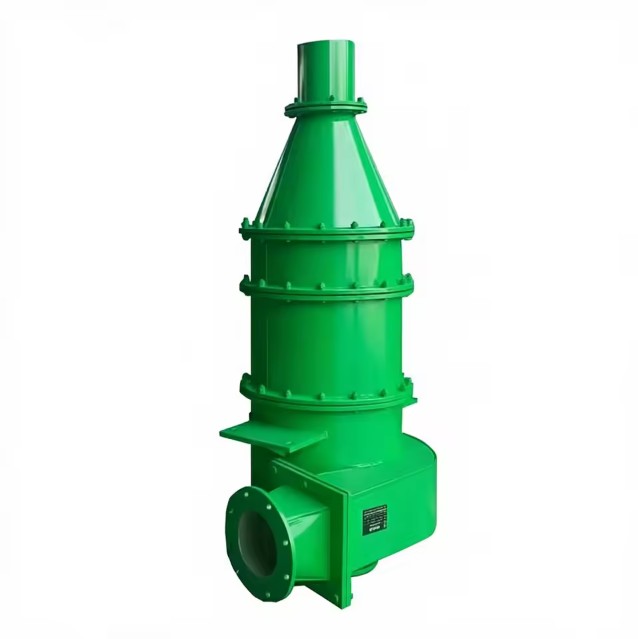
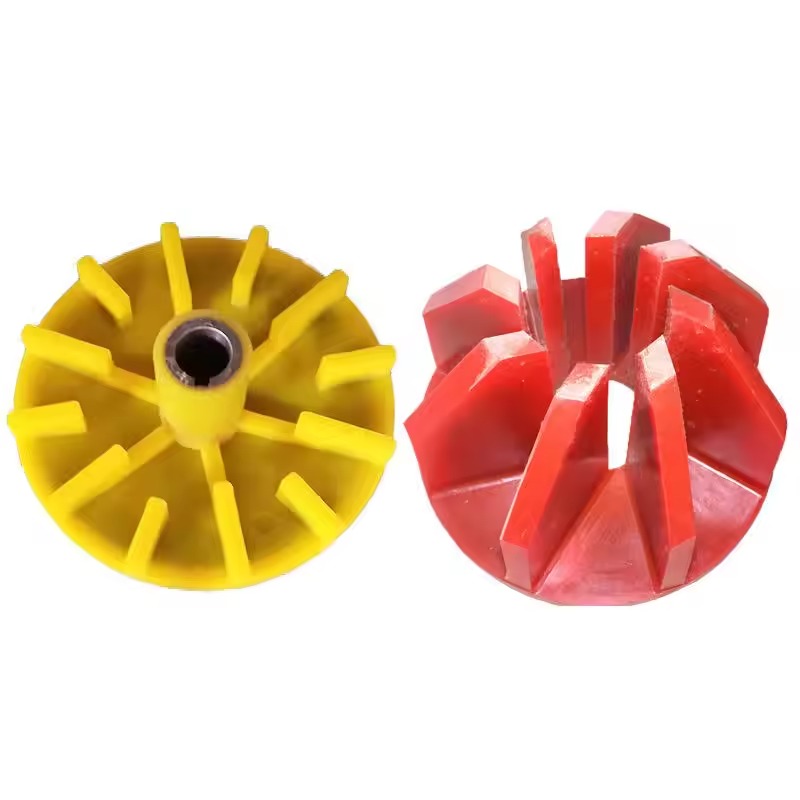
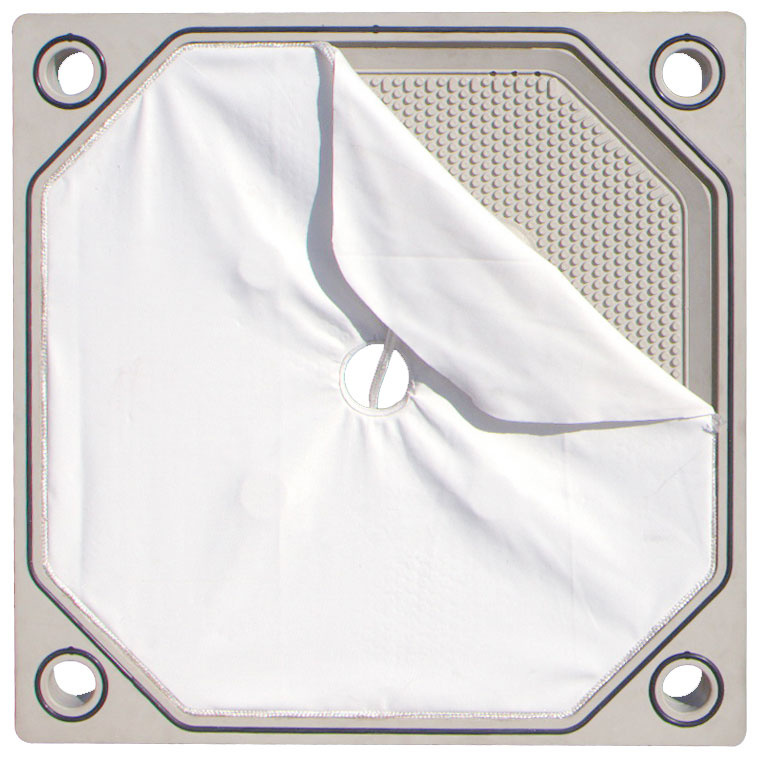
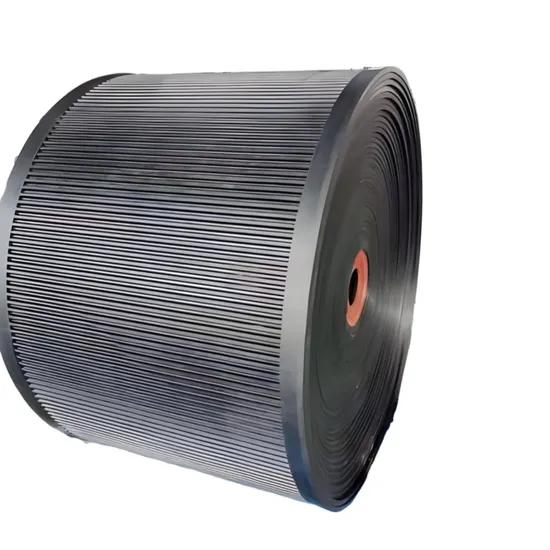
Hydrocyclone Wear: Root Causes, High-Wear Zones & Material Solutions
-
 admin
admin - 09 Sep, 2026
Your Hydrocyclone Is Likely Wearing Out Too Quickly — Here’s Why
Quick Answer
Your hydrocyclone wears out too quickly due to three main factors: roping (a dense, high-velocity underflow stream that acts like sandpaper), high-wear zones (apex, lower cone, and feed box are naturally more vulnerable), and inadequate material selection (standard liners may not withstand your specific abrasive conditions). The solution involves diagnosing roping, upgrading to engineered ceramics in high-wear areas, and implementing a regular inspection schedule to establish wear baselines.
Key Takeaways
✔ Roping — dense underflow stream that causes rapid erosion of apex and cone
✔ Apex (Spigot) — consistently the fastest-wearing hydrocyclone component
✔ Ceramic liners (SiC/Alumina) offer the best wear resistance for high-abrasion zones
✔ Hybrid approach — ceramic in high-wear zones, rubber elsewhere — is most effective
✔ Regular inspection within first month establishes critical wear baseline
✔ Feed pressure control and oversized material screening prevent mechanical failure
Summary Table
| Wear Cause | Affected Area | Solution |
|---|---|---|
| Roping | Apex, Lower Cone | Reduce feed density; increase apex size |
| Abrasive Feed | All internal surfaces | Upgrade to ceramic or rubber liners |
| High Turbulence | Feed Box / Inlet | Ceramic tiles or cast liners |
| Excessive Pressure | Feed inlet, shell | Control feed pressure; check pump |
| Blockages | Feed inlet | Install screening ahead of cyclone |
Definition
What Is Hydrocyclone Wear?
Hydrocyclone wear is the progressive erosion of internal surfaces caused by the abrasive action of solid particles in the slurry. It is an inevitable consequence of hydrocyclone operation but can be minimized through proper material selection, operational control, and regular maintenance.
What Is Roping?
Roping is a hydrocyclone operating condition where the underflow discharges as a thick, dense, rope-like stream instead of the optimal umbrella or spray pattern. It indicates excessive solids loading and causes extremely rapid wear of the apex and lower cone.
Working Principle
How a Hydrocyclone Separates Solids
-
Feed Introduction: Slurry enters the feed box tangentially, creating a high-velocity vortex.
-
Centrifugal Separation: Centrifugal force throws coarser, denser particles outward to the cyclone wall.
-
Spiral Flow: Particles spiral downward in a descending vortex toward the apex.
-
Underflow Discharge: Coarse particles exit through the apex (spigot).
-
Overflow Discharge: Fine particles exit upward through the vortex finder.
Why Wear Occurs
-
Abrasion: Hard, angular particles impact and erode internal surfaces
-
Velocity: High slurry velocity accelerates particle impingement
-
Concentration: High solids concentration increases particle-to-surface contact
-
Turbulence: Turbulent flow in the feed box and cone causes localized wear
Benefits
Benefits of Upgrading Hydrocyclone Wear Parts
-
Extended service life — 2–4× longer with rubber liners, even longer with ceramic
-
Improved separation efficiency — maintains critical internal geometry
-
Reduced downtime — fewer replacements means less production loss
-
Lower total cost of ownership — fewer parts purchased and installed
-
Consistent product quality — stable underflow density and overflow clarity
-
Predictable maintenance — wear patterns become repeatable with proper monitoring
Applications
Hydrocyclone Applications Requiring Durable Wear Parts
-
Mineral processing — classification and dewatering in grinding circuits
-
Gold ore processing — desliming and classification
-
Copper ore processing — grinding circuit classification
-
Iron ore processing — desliming and dewatering
-
Coal processing — dense medium recovery, fines dewatering
-
Aggregates — washing and classification
-
Tailings management — dewatering and classification
Material Comparison
Hydrocyclone Liner Material Comparison
| Material | Wear Resistance | Impact Resistance | Cost | Best Application |
|---|---|---|---|---|
| Silicon Carbide (SiC) | ★★★★★ | ★★★ | High | Extreme abrasion, apex, cone |
| Alumina Ceramic | ★★★★ | ★★★ | Moderate | High-abrasion zones |
| Wear-Resistant Rubber | ★★★ | ★★★★★ | Low-Moderate | General liners, impact areas |
| Polyurethane | ★★★ | ★★★★ | Moderate | Chemical resistance, flexibility |
| Standard Steel/Cast Iron | ★ | ★★★★ | Low | Baseline, not recommended for abrasion |
Recommended Hybrid Approach
| Zone | Recommended Material | Why |
|---|---|---|
| Apex (Spigot) | Silicon Carbide or Alumina | Highest wear, maintains underflow control |
| Lower Cone | Silicon Carbide or Alumina | High velocity, high solids concentration |
| Mid-Cone | Rubber or Polyurethane | Moderate wear, impact absorption |
| Feed Box / Inlet | Ceramic tiles or cast | High turbulence, impact from feed |
| Upper Cylinder | Rubber or Polyurethane | Lower wear, easier installation |
Application Comparison
Wear Causes vs Solutions
| Wear Problem | Root Cause | Solution |
|---|---|---|
| Rapid apex wear | Roping, excessive feed density | Increase apex size; reduce feed density |
| Uneven cone wear | Abrasive particles, high velocity | Upgrade to ceramic liner |
| Feed inlet erosion | High turbulence, coarse feed | Ceramic tiles; install screen ahead |
| Shell wear | General abrasion | Rubber or polyurethane liners |
| Vortex finder wear | High velocity, fine abrasives | Ceramic or hard-faced vortex finder |
Industry Application Matrix
| Industry | Primary Wear Challenge | Recommended Liner |
|---|---|---|
| Gold Ore | Abrasive quartz, moderate hardness | Rubber with ceramic apex |
| Copper Ore | High abrasion, coarse particles | Silicon Carbide in cone |
| Iron Ore | Very abrasive, high density | Alumina ceramic full lining |
| Coal | Moderate abrasion, lower density | Rubber or polyurethane |
| Silica Sand | Extremely abrasive | Silicon Carbide full lining |
| Tailings | Fine abrasives, chemical attack | Rubber or polyurethane |
Selection Guide
Step-by-Step Hydrocyclone Liner Selection
Step 1: Identify High-Wear Zones
-
Inspect current cyclone after 1–3 months of operation
-
Measure wear rates in apex, cone, feed box, and shell
-
Document the fastest-wearing areas
Step 2: Analyze Feed Characteristics
-
Particle size distribution (d80)
-
Solids concentration (% solids by weight)
-
Ore hardness (Bond Work Index, Mohs hardness)
-
Particle shape (angular vs rounded)
-
Chemical composition (pH, corrosive elements)
Step 3: Select Liner Materials by Zone
-
Apex: Ceramic (SiC or Alumina) — critical for underflow control
-
Cone: Ceramic for high-wear; rubber for moderate wear
-
Feed Box: Ceramic tiles or cast liners
-
Shell: Rubber or polyurethane
Step 4: Evaluate Cost vs Life
-
Calculate total cost of ownership (TCO)
-
Compare higher upfront cost vs lower replacement frequency
-
Consider downtime cost in the equation
Step 5: Plan for Maintenance
-
Stock spare liners for high-wear zones
-
Schedule regular inspections
-
Document wear patterns for predictive maintenance
Procurement Guide
Key Considerations When Procuring Hydrocyclone Wear Parts
Required Information:
-
Hydrocyclone model and size
-
OEM part numbers (if available)
-
Operating conditions (feed rate, density, particle size)
-
Ore type and hardness data
-
Current wear rates and replacement frequency
-
Material preference (ceramic, rubber, polyurethane)
Supplier Evaluation Checklist:
-
□ Does the supplier offer multiple liner material options?
-
□ Can they provide wear-life guarantees or field references?
-
□ Do they offer segmented, replaceable liners for easy maintenance?
-
□ What is the typical lead time for custom liners?
-
□ Can they provide drawings for exact fitment?
-
□ Do they offer material test reports and certifications?
Buyer Questions to Ask:
-
“What liner material do you recommend for my specific ore type?”
-
“Can you provide a wear-life comparison for ceramic vs rubber in my application?”
-
“Do you offer a hybrid solution with ceramic in high-wear zones?”
-
“What is your recommended inspection and replacement schedule?”
-
“Can you provide references from similar operations?”
Failure Analysis
| Problem | Possible Cause | Recommended Solution |
|---|---|---|
| Apex worn within weeks | Roping condition; feed density too high | Reduce feed density; increase apex size; upgrade to ceramic |
| Uneven cone wear | Abrasive feed; incorrect material | Switch to silicon carbide liner |
| Feed box erosion | High turbulence; coarse feed | Install ceramic tiles; screen ahead |
| Cyclone structural failure | Excessive feed pressure | Reduce pressure; check pump sizing |
| Underflow too dilute | Worn apex | Replace apex; monitor wear regularly |
| Overflow contains coarse particles | Worn vortex finder or apex | Replace worn components; inspect geometry |
| Premature liner replacement | Incorrect material selection | Conduct abrasion test; upgrade material |
Maintenance Guide
Recommended Hydrocyclone Maintenance Schedule
| Frequency | Task |
|---|---|
| Daily | Observe underflow discharge pattern (spray vs roping); check feed pressure |
| Weekly | Inspect apex visually for wear; check for blockages in feed inlet |
| Monthly | Measure apex and vortex finder dimensions; document wear rates |
| Quarterly | Full internal inspection; measure liner thickness; plan replacement |
| Annually | Complete cyclone overhaul; replace all worn liners; recalibrate instruments |
Preventive Maintenance Tips
-
Establish wear baseline: Record apex dimensions within first month of operation
-
Monitor discharge pattern: A change from spray to roping is the earliest warning sign
-
Keep spare parts inventory: Stock apex, vortex finder, and cone liners
-
Document wear patterns: Track wear rates to predict replacement timing
-
Inspect after feed changes: Changes in ore type or grind size affect wear rates
Case Study
Case Study: Extending Hydrocyclone Life with Ceramic Liners
Customer Type: Large copper mining operation
Ore Type: High-abrasion copper ore, quartz-rich
Operating Conditions: 200 tph feed, 40% solids, d80=150 microns
Problem:
The mine was replacing hydrocyclone apex and cone liners every 2–3 weeks due to severe abrasion. Standard rubber liners were wearing through rapidly, causing:
-
Underflow dilution and product contamination
-
Unplanned shutdowns every 3 weeks
-
High maintenance costs and lost production
Solution:
The mine upgraded to silicon carbide liners in the apex and lower cone sections, with rubber liners retained in the upper shell. Segmented ceramic tiles were installed in the feed box.
Result:
-
Apex life extended from 2 weeks to 12 weeks (6× longer)
-
Cone life extended from 4 weeks to 16 weeks (4× longer)
-
Unplanned shutdowns reduced by 75%
-
Annual maintenance cost reduced by $280,000
-
Underflow density stabilized, improving flotation recovery by 2.5%
-
Investment payback period: 3 months
FAQ
Question 1: What is roping and why is it a problem?
Answer: Roping occurs when hydrocyclone underflow discharges as a thick, dense stream instead of an optimal spray pattern. This dense, high-velocity stream causes extremely rapid erosion of the apex and lower cone — acting like sandpaper on the internal surfaces. It’s typically caused by excessive feed density, solids overload, or an apex that’s too small for the solids load. Addressing roping immediately is critical to extending hydrocyclone life.
Question 2: Which part of a hydrocyclone wears out fastest?
Answer: The apex (spigot) is consistently the fastest-wearing component. It is at the bottom where the highest concentration of coarse, abrasive solids exits. The lower cone section is the second most susceptible area, followed by the feed box / inlet where high turbulence and impact occur. The upper cylindrical section typically experiences the least wear.
Question 3: What is the best material for hydrocyclone liners?
Answer: The best material depends on the application. Silicon carbide (SiC) offers the highest wear resistance and is recommended for extreme abrasion zones like the apex and cone. Alumina ceramic is also excellent for high-abrasion zones. Wear-resistant rubber provides good wear life (2–4× conventional materials) and absorbs impact, making it suitable for the shell and lower-wear areas. A hybrid approach — ceramic in high-wear zones and rubber elsewhere — is often most cost-effective.
Question 4: How can I tell if my hydrocyclone is roping?
Answer: In optimal operation, the underflow discharges in an “umbrella” or spray pattern with a hollow cone. Roping occurs when this discharge turns into a thick, dense stream that looks and acts like a rope. It may pulse or maintain a steady stream. Other indicators include a drop in feed pressure, a change in overflow clarity, and unusually rapid wear of the apex and cone.
Question 5: How often should I inspect my hydrocyclone?
Answer: The apex should be inspected daily for visual signs of wear and discharge pattern changes. Monthly inspections should include measuring apex and vortex finder dimensions to document wear rates. Quarterly full internal inspections should measure liner thickness and plan replacements. Within the first month of operation, establish a wear baseline for all critical components.
Question 6: Does feed pressure affect hydrocyclone wear?
Answer: Yes, feed pressure significantly affects wear. Excessively high feed pressure increases slurry velocity, accelerating particle impingement on internal surfaces. It can also cause structural failures if the cyclone body is not designed for the pressure. Operating within the manufacturer’s recommended pressure range is essential for maximizing wear life. A feed pressure drop can also indicate roping or blockages.
Question 7: Can polyurethane be used for hydrocyclone liners?
Answer: Yes, polyurethane can be used for hydrocyclone liners. It offers good abrasion resistance and flexibility, making it an alternative to rubber in some applications. However, it is generally not as wear-resistant as ceramic or as impact-resistant as rubber. Polyurethane is best suited where chemical compatibility or specific application requirements (e.g., oily slurries) make rubber unsuitable.
Question 8: What is the best way to extend hydrocyclone liner life?
Answer: The most effective ways to extend hydrocyclone liner life are: (1) Diagnose and address roping immediately by adjusting feed density or apex size; (2) Upgrade to engineered ceramics in high-wear zones like the apex and cone; (3) Establish regular inspection schedules to monitor wear and predict replacements; (4) Control feed pressure within recommended limits; and (5) Screen feed to remove oversized material that can cause blockages and mechanical damage.
Conclusion
Hydrocyclone wear is inevitable — but premature wear is preventable. Understanding the root causes of rapid wear, identifying high-wear zones, and selecting the right materials are the keys to extending service life and reducing maintenance costs.
Key Takeaways:
-
Roping is the #1 cause of rapid wear — diagnose and address immediately
-
Apex, lower cone, and feed box are the highest-wear zones — focus upgrades here
-
Ceramic liners (SiC/Alumina) offer the best wear resistance for high-abrasion applications
-
Hybrid solutions — ceramic in high-wear zones, rubber elsewhere — are cost-effective
-
Regular inspection and wear baseline documentation enable predictive maintenance
With the right material selection and operational control, you can extend hydrocyclone liner life by 2–6× and significantly reduce total cost of ownership.
Related Articles
Related Products:
Related Technical Guides:
Related Buyer Guides:
Contact Us
We warmly welcome customers from around the world to contact us and establish mutually beneficial partnerships.
Contact: Annie Lu
Email: annie.lu@huataogroup.com
Phone / WhatsApp: +86 180 3242 2676
Website: http://www.tufflexscreen.com
Hydrocyclone, Wear Parts, Roping, Ceramic Liners, Silicon Carbide, Alumina, Rubber Liners, Polyurethane, Mineral Processing, Mining Maintenance, Hydrocyclone Apex, Process Optimization, Wear Resistance
Tags:
admin
personal profile