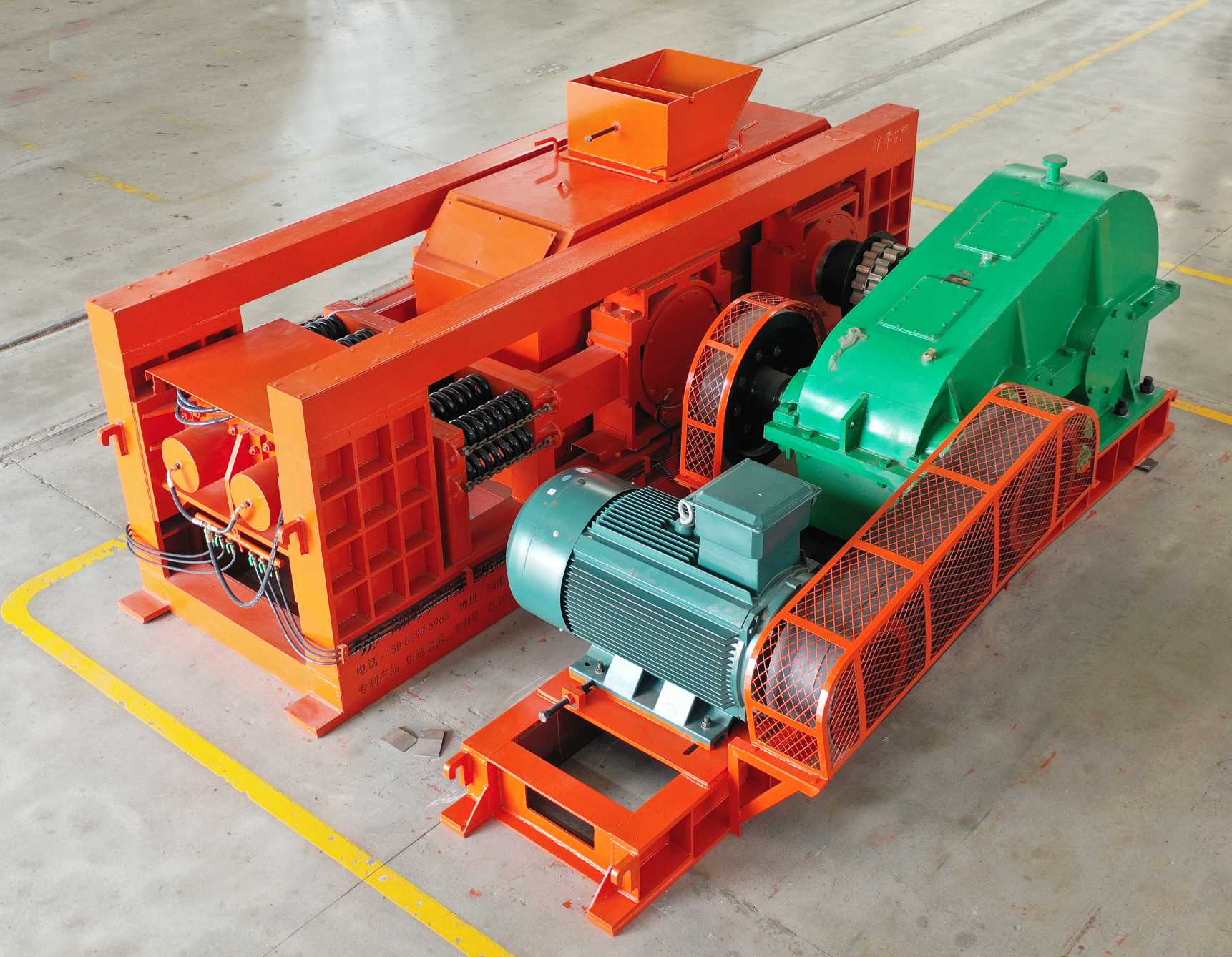
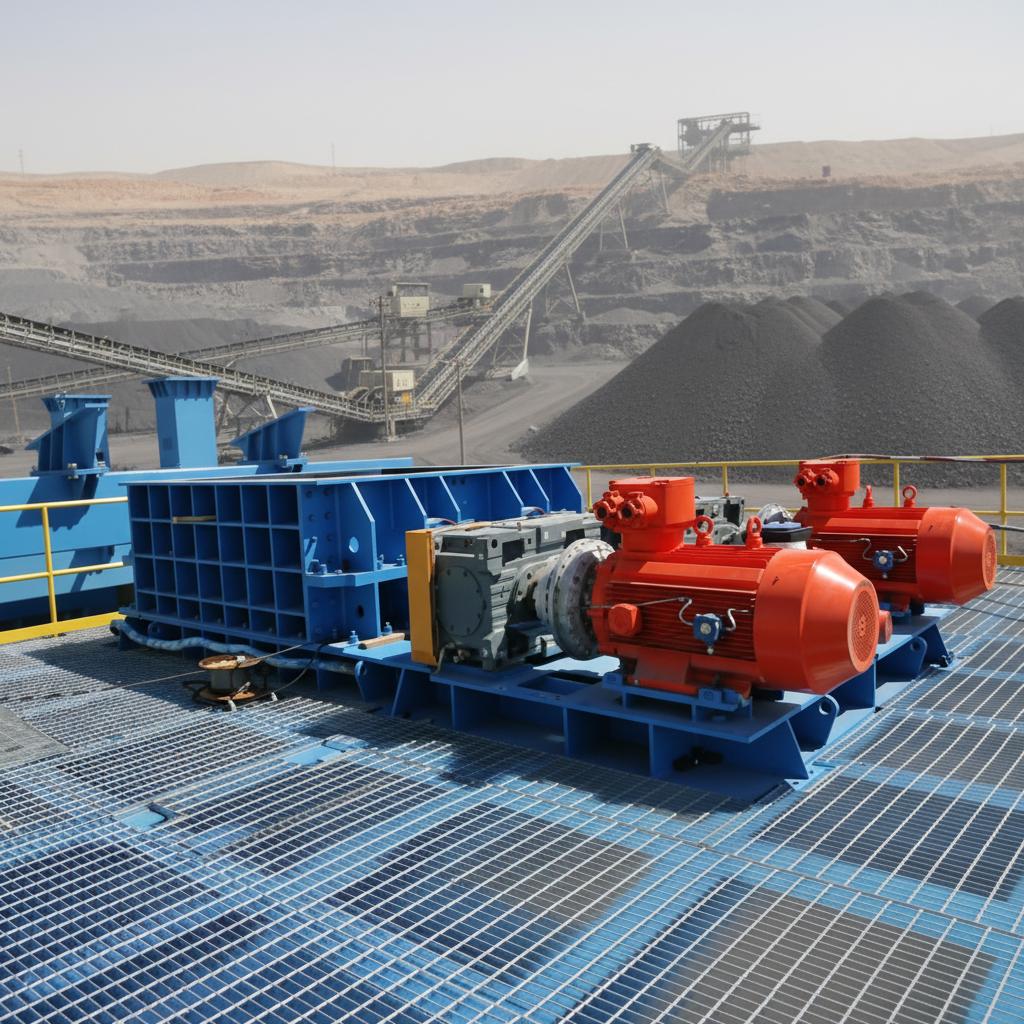
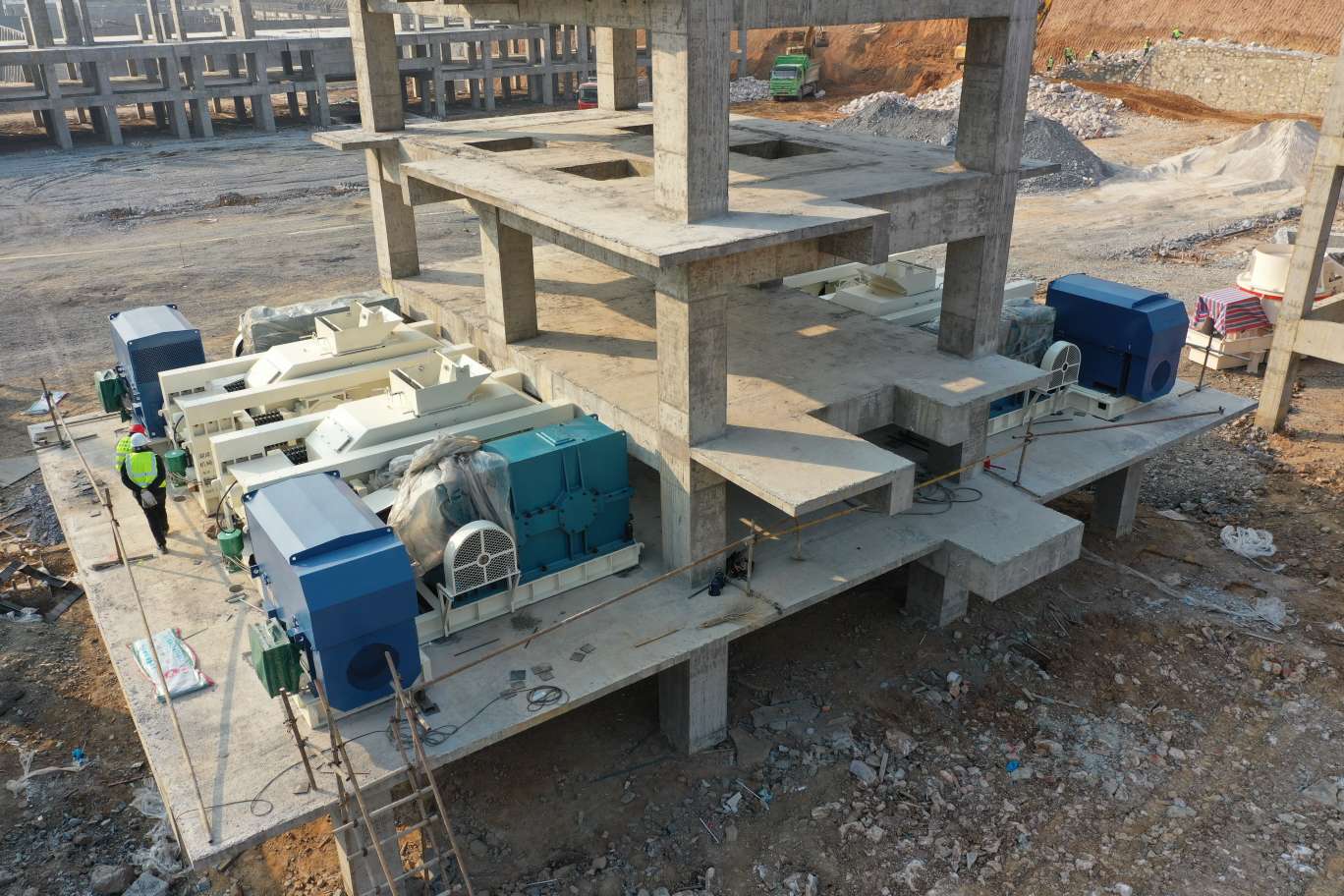
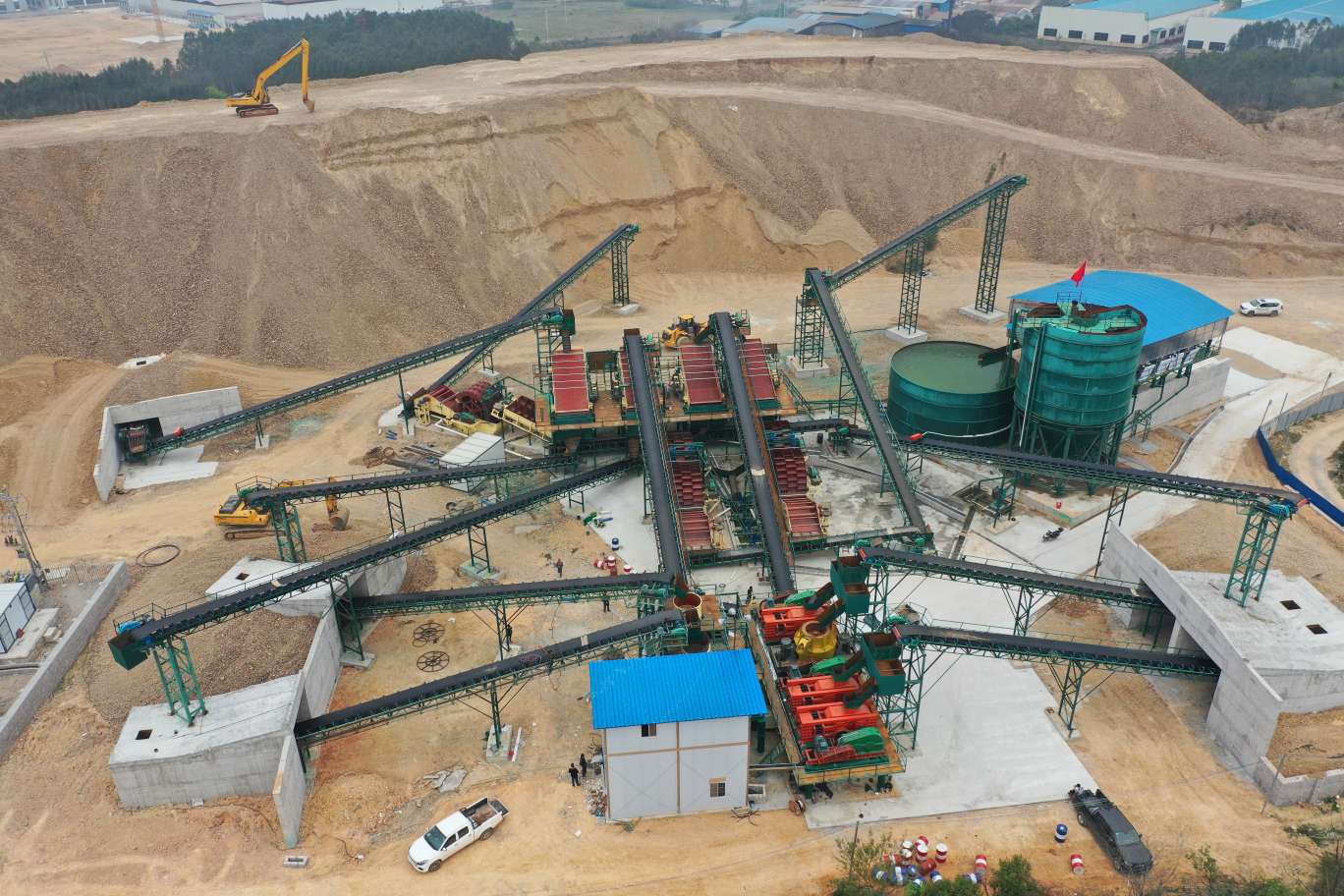
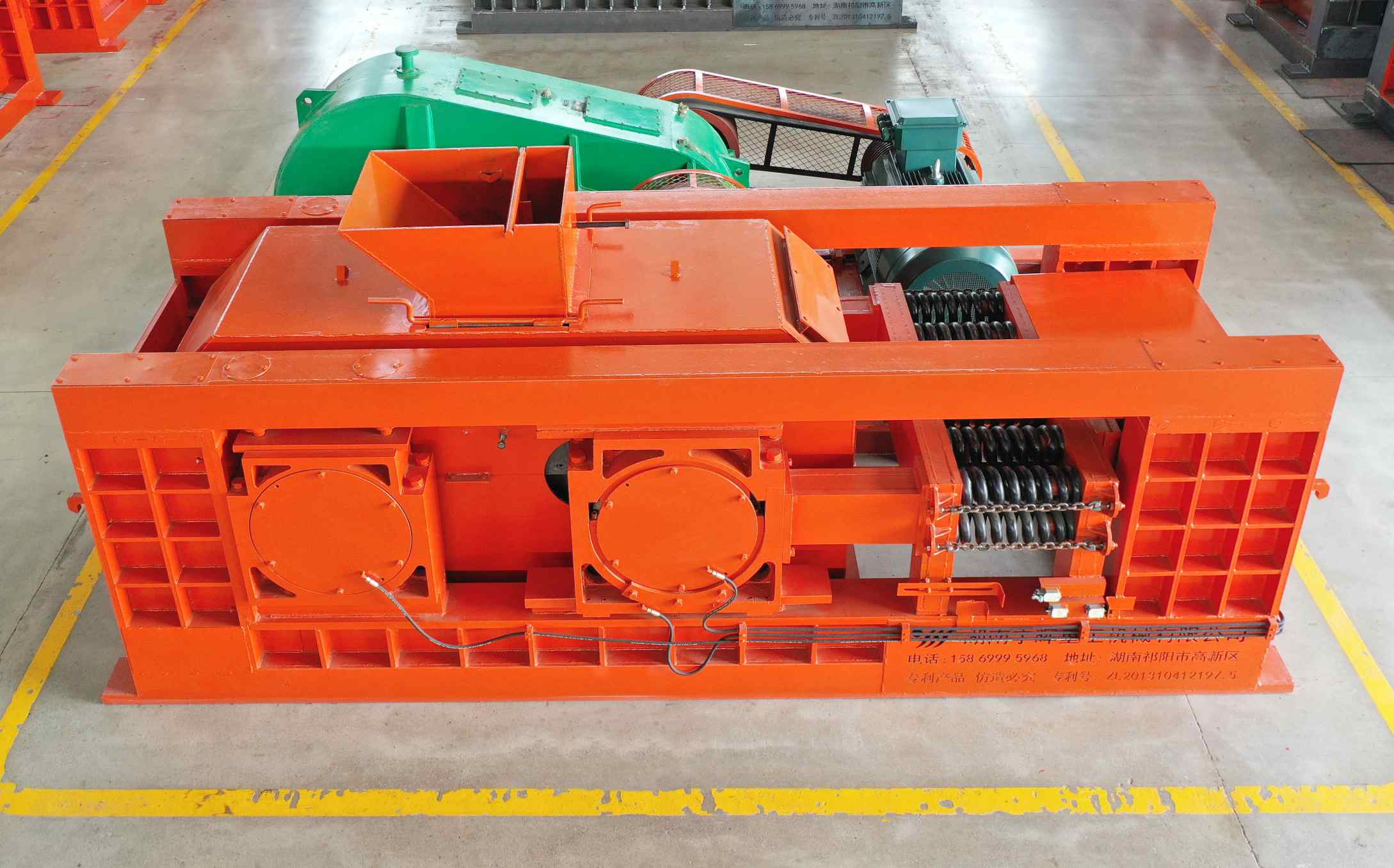
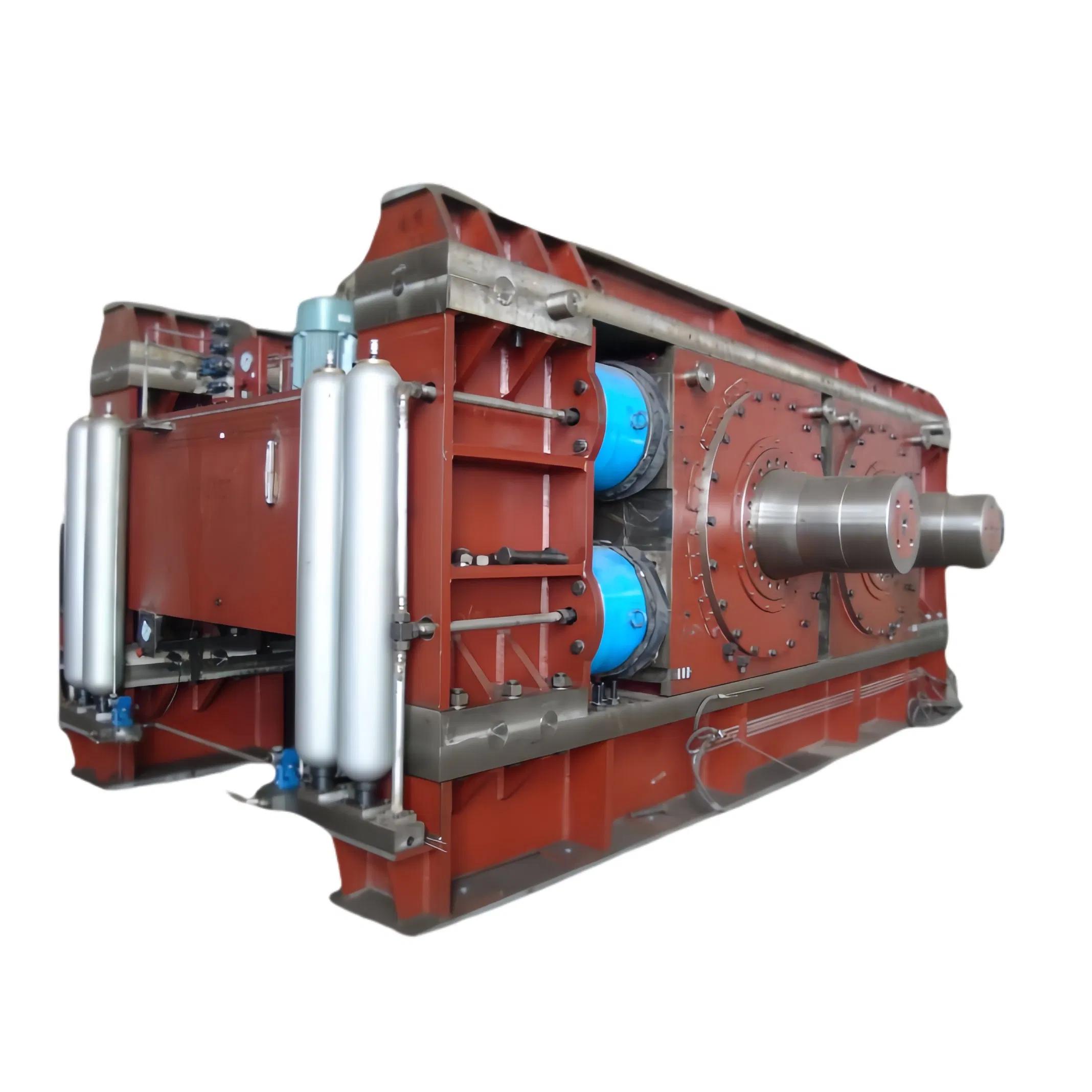
Hydraulic Double Roll Crusher for Sand Making
- 01 1. 40–1,000 t/h capacity for medium to large-scale sand production.
- 02 2.Less than 5 mm output for manufactured sand and fine crushing.
- 03 3.Hydraulic pressure control maintains stable crushing performance.
- 04 4.Wear-resistant rolls reduce maintenance and operating costs.
- 05 5.Intelligent models provide monitoring, alarms and automatic adjustment.
-
Hydraulic Double Roll Crusher for Sand Making Description
Hydraulic Double Roll Crusher for Sand Making
High-Efficiency Roller Crushing for Manufactured Sand & Fine Aggregates
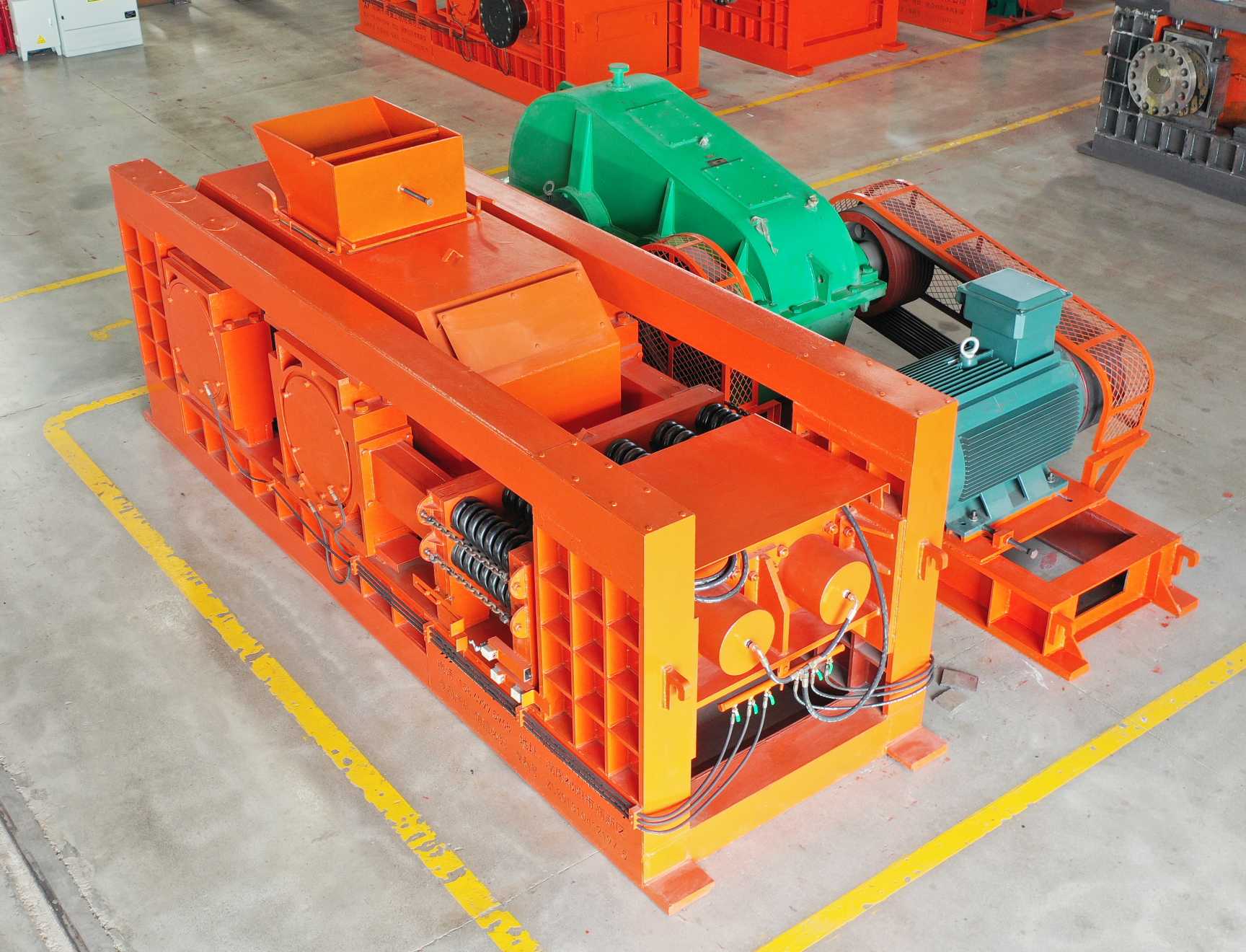
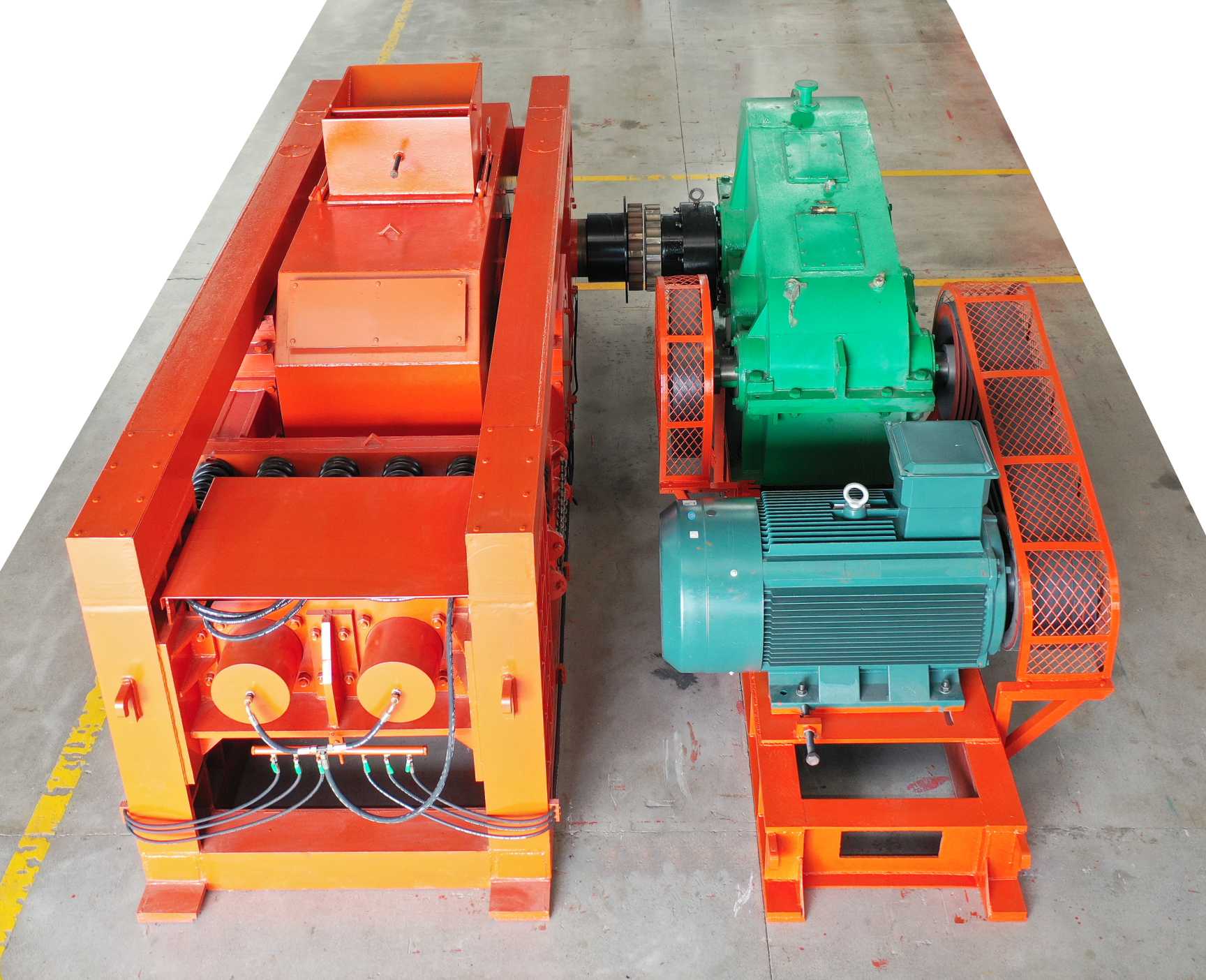
The Hydraulic Double Roll Crusher, also known as a Double Roll Crusher, Twin Roll Crusher, Fine Roll Crusher or Roll Crusher for Sand Making, is designed for efficient fine crushing and manufactured sand production in mining, quarrying, aggregates, building materials, metallurgy and ceramic raw material processing.
Unlike high-speed impact sand making equipment, the machine reduces material mainly through compression and lamination between two counter-rotating rolls. Material entering the crushing chamber is continuously compressed between the roll surfaces and discharged through the controlled roll gap. This crushing mechanism provides stable fine-product production while reducing high-speed impact, vibration and unnecessary wear.
Our PGY series combines medium-pressure lamination crushing with hydraulic pressure control. Depending on the model, it can process feed sizes below 30–50 mm and produce material below 5 mm, with capacities ranging from 40 t/h to 1,000 t/h. It is particularly suitable as a tertiary or fine crushing stage where the objective is to increase manufactured sand output, reduce operating cost and prepare material for subsequent grinding.
Applications
Manufactured Sand & Aggregate Production
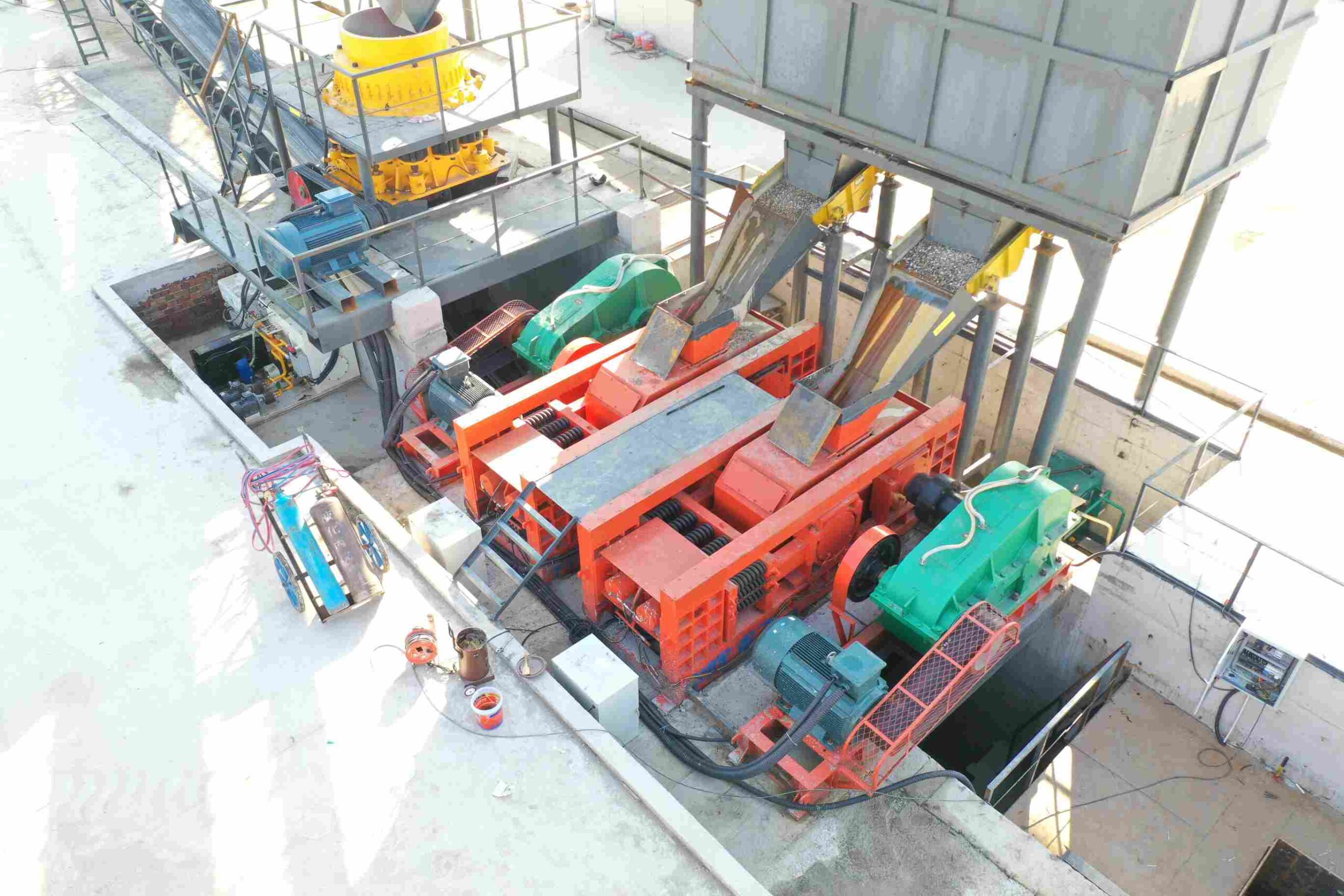
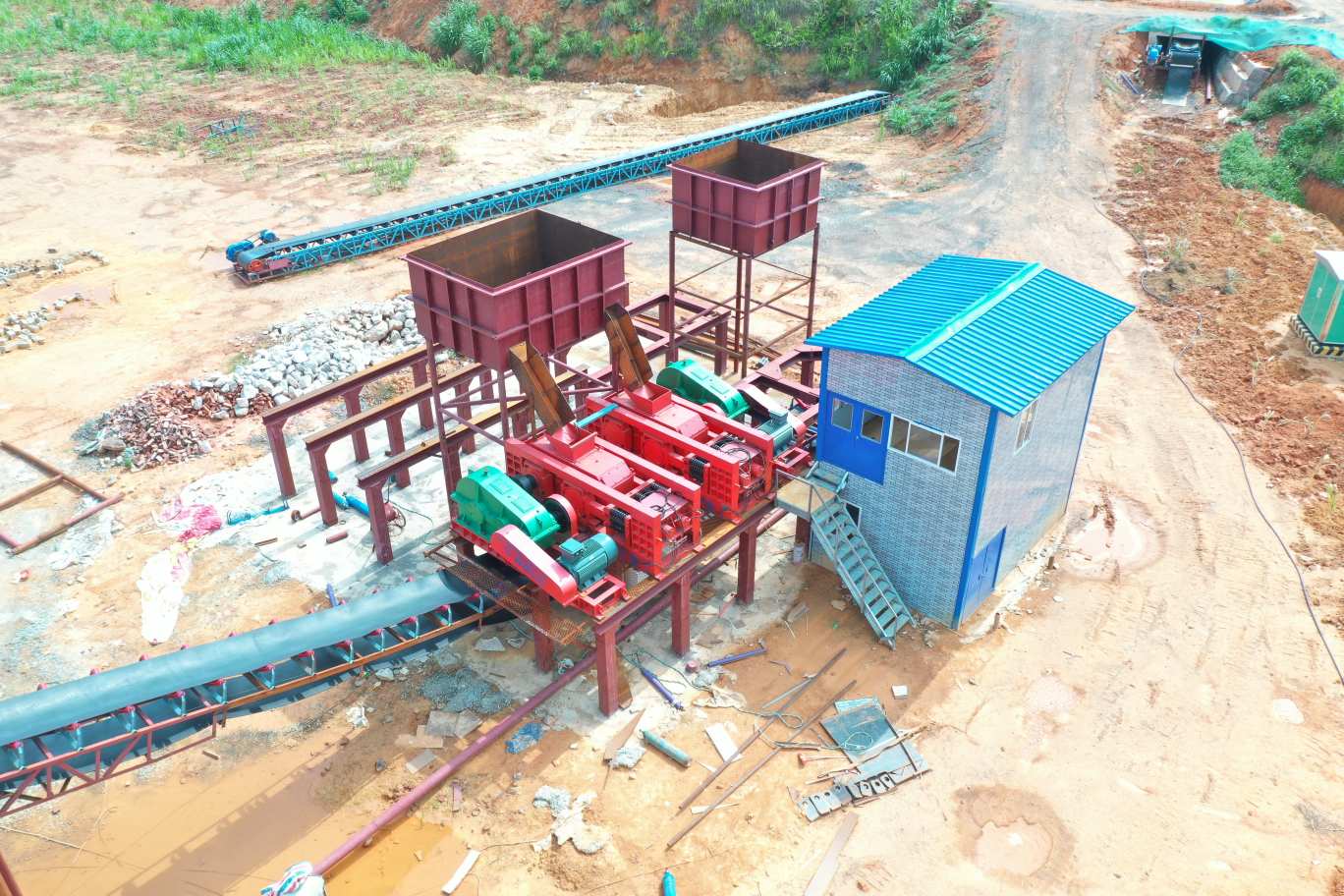
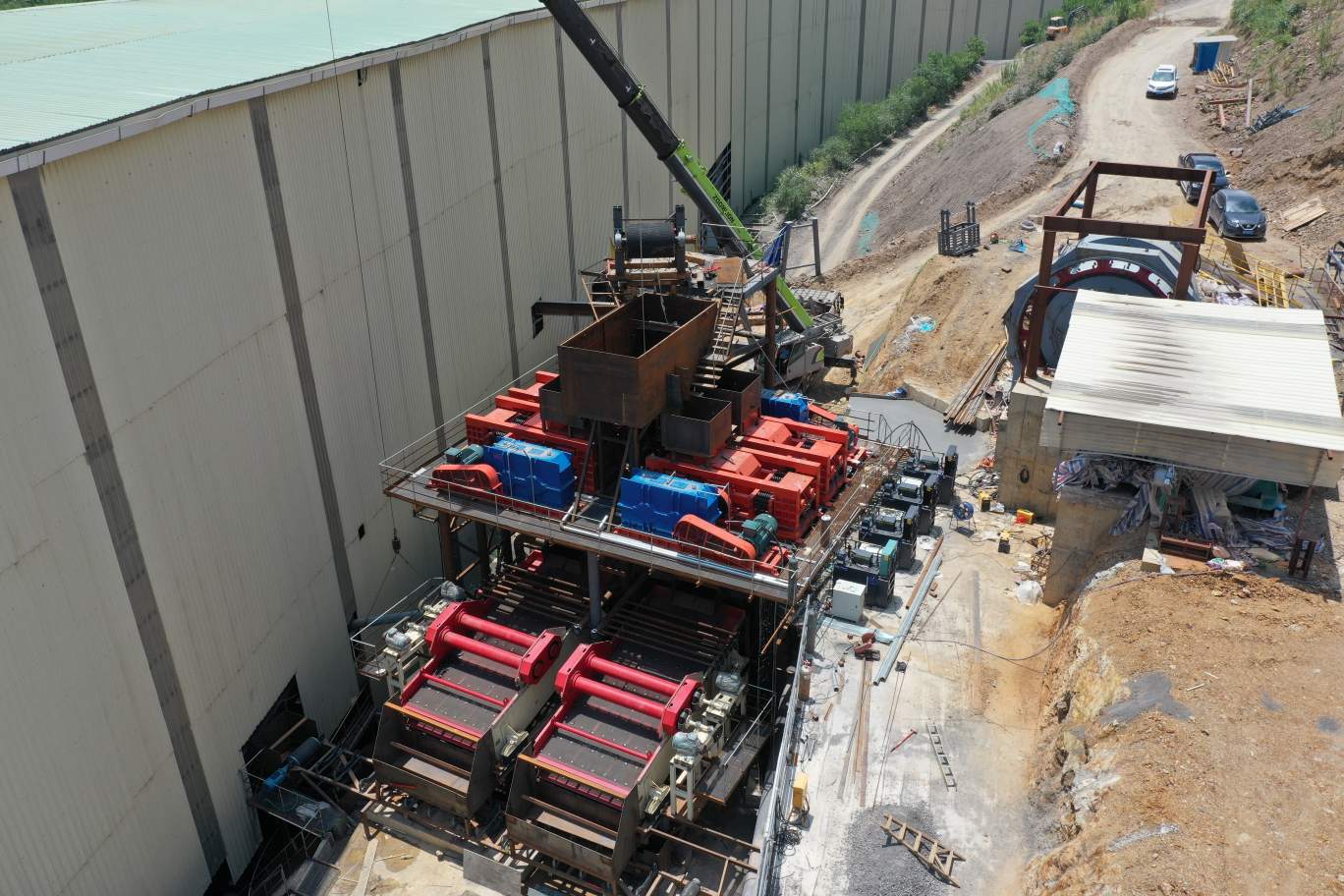
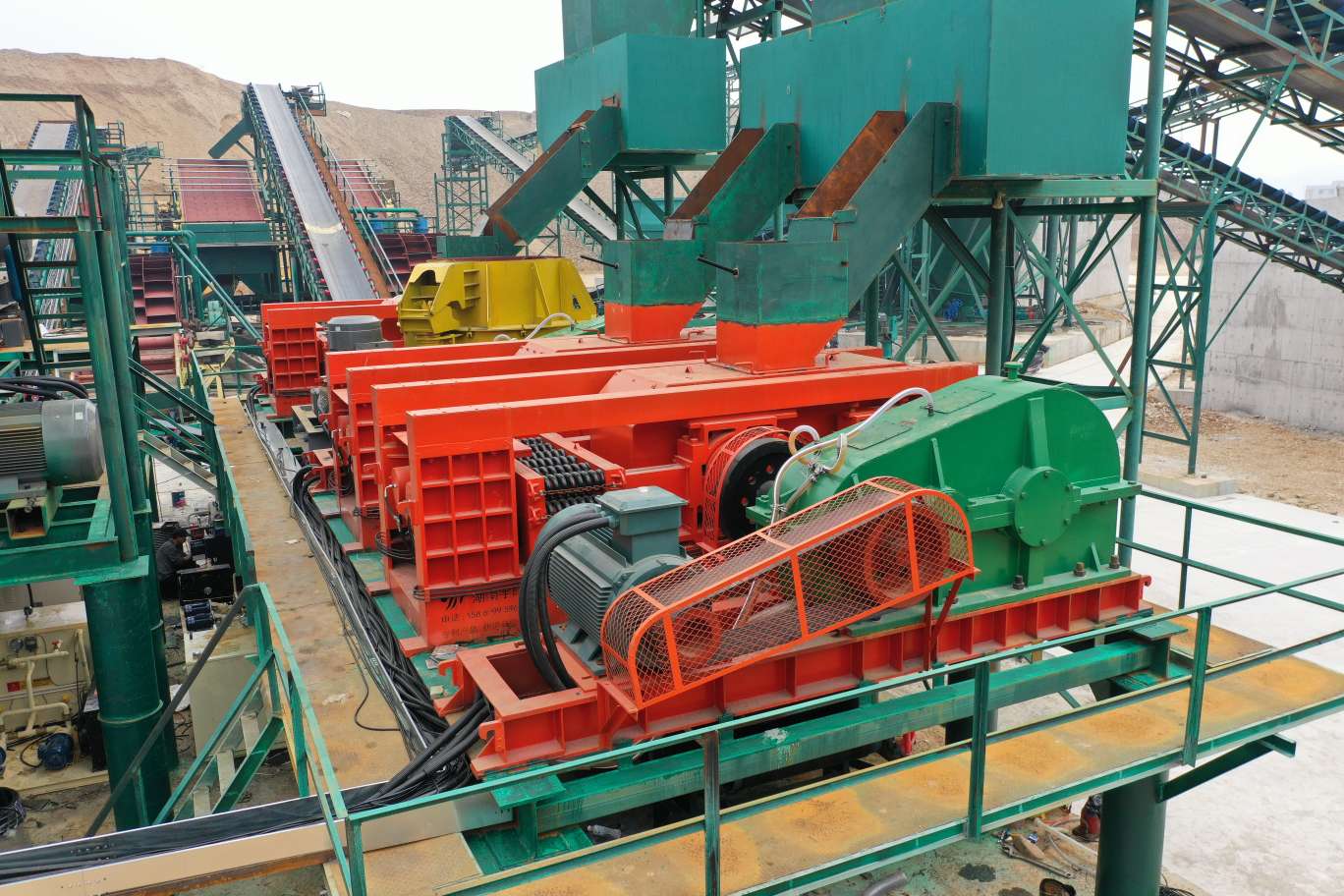
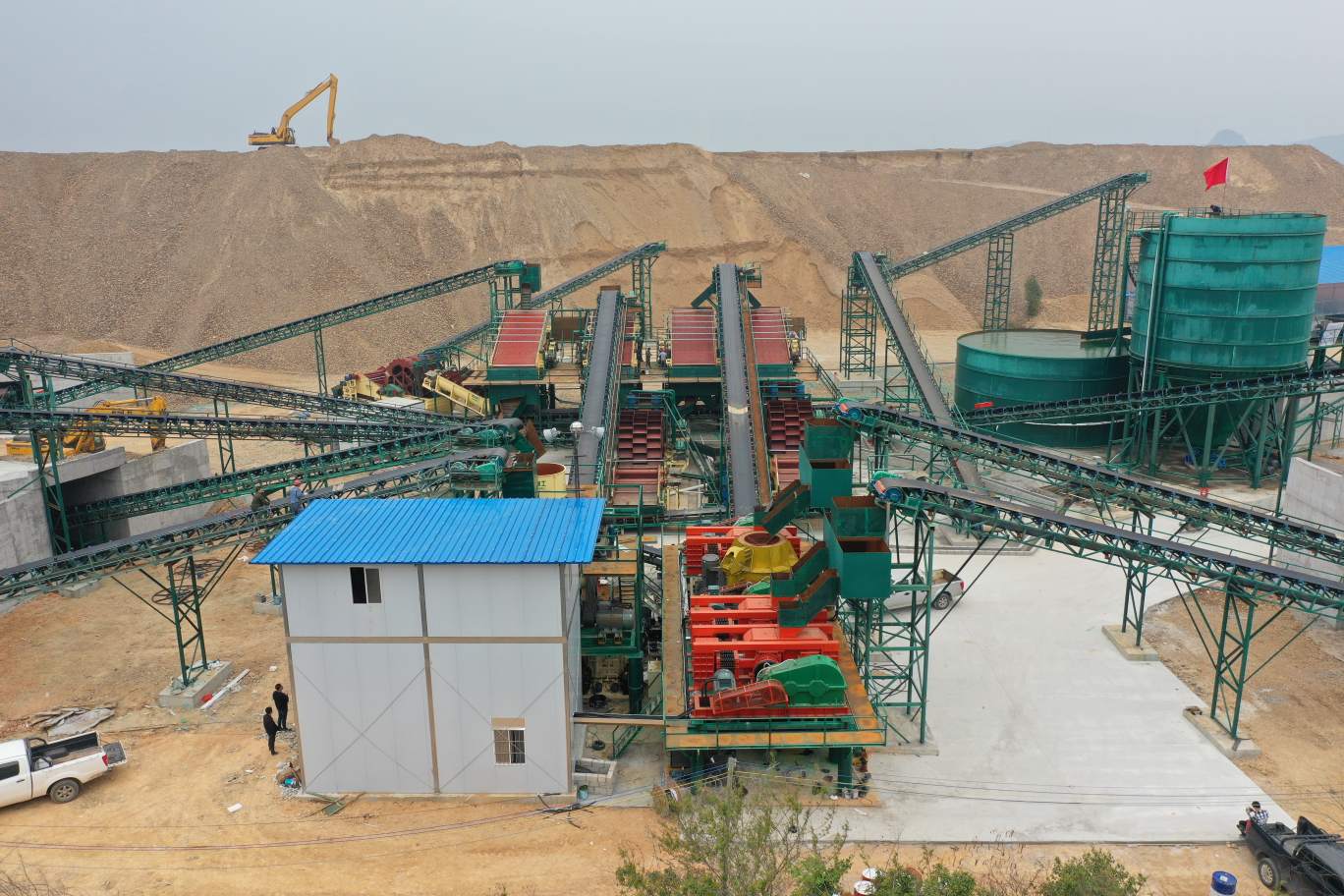
For limestone, granite, basalt, river pebble and other aggregate materials, the double roll crusher for sand making can be installed after primary and secondary crushing. The controlled roll pressure and discharge gap help produce fine aggregates and manufactured sand with consistent grading.
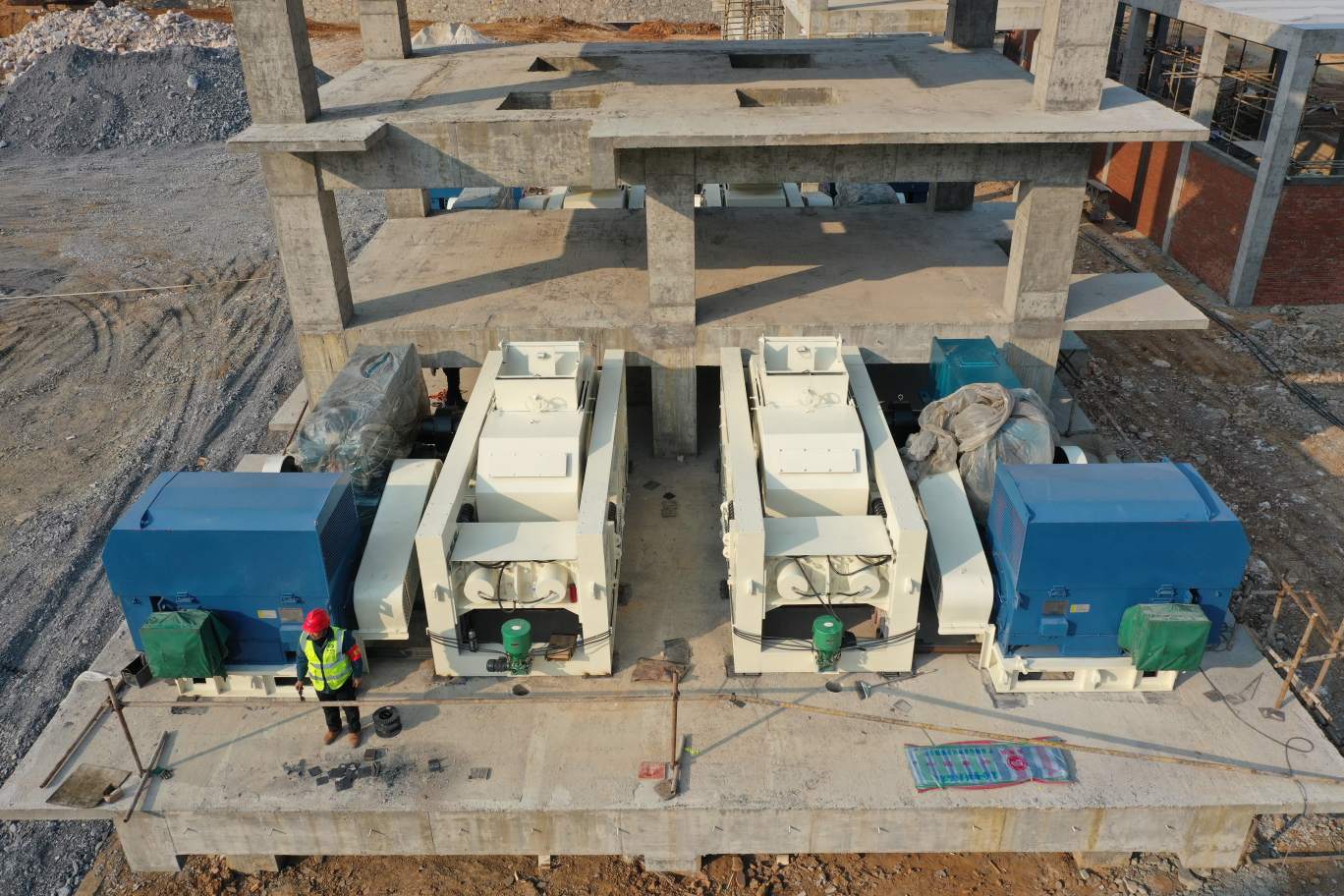
It is especially suitable for quarry and aggregate plants looking for an alternative fine-crushing solution with lower vibration, compact installation and reduced wear-part consumption.
Mining & Mineral Processing
In mineral processing plants, a hydraulic roll crusher can be used for fine crushing before grinding and beneficiation. Compression crushing generates fine material while creating micro-cracks inside larger particles, which can improve their grindability during subsequent milling.
Typical applications include iron ore, copper ore, gold ore and other mineral-processing circuits where controlled fine crushing is required before ball milling or other grinding stages.
Ceramic Raw Material Pre-Crushing
Roller compression is particularly effective for ceramic raw materials. The machine produces fine particles while generating internal micro-cracks in coarser particles. When followed by screening and closed-circuit re-crushing, additional fines can be generated before the material enters the grinding mill.
This pre-crushing process can improve downstream grinding efficiency, reduce energy demand and lower grinding-media consumption. The compact machine footprint also makes the Fine Roll Crusher suitable for upgrading existing ceramic raw-material preparation lines.
Building Materials & Industrial Minerals
The equipment can also be configured for limestone, quartz, calcite and other industrial minerals used in cement, construction materials and mineral powder production. Final machine selection should always be based on feed size, material hardness, moisture, abrasiveness and required capacity.
Key Advantages
High Throughput by Lamination Crushing
The medium-pressure lamination crushing concept allows a dense material bed to be compressed between the rolls. Compared with conventional single-particle crushing described in our standard PGY design, this configuration can significantly increase processing capacity under suitable operating conditions.
Energy-Efficient Single-Drive Design
Selected PGY medium-pressure models use a single-power transmission system, requiring only one main motor. The simplified drive configuration reduces installed power requirements and can lower overall energy consumption compared with conventional configurations.
Adjustable Hydraulic Pressure
The hydraulic pressure-regulating system maintains stable crushing pressure and allows the machine to adapt to operating conditions. On intelligent models, pressure can be automatically adjusted during production, helping maintain stable crushing performance and protecting the equipment.
High Sand Yield & Controlled Product Size
The pressure-regulated roll system maintains controlled crushing conditions between the rollers. With a standard discharge target of less than 5 mm, the machine is well suited to fine aggregate and manufactured sand production.
Reduced Wear & Maintenance
Roll surfaces are manufactured from wear-resistant materials for extended operating life. Compression crushing also avoids the extremely high rotor-tip speeds found in many impact-type sand makers, helping reduce wear-part consumption in abrasive applications.
Cleaner & Quieter Operation
The crushing chamber can be completely enclosed to help control dust emissions. The machine can also operate with water under suitable process conditions. Low vibration and relatively low operating noise make it suitable for modern aggregate and mineral-processing plants with stricter environmental requirements.
Intelligent Hydraulic Series
For high-capacity applications, the intelligent hydraulic series adds several automation and equipment-protection functions:
- Automatic hydraulic pressure regulation for more stable operating pressure.
- Intelligent integrated control cabinet with one-button startup and operating-data monitoring.
- Bearing temperature sensors with high-temperature alarm protection.
- Auxiliary grease lubrication system to reduce routine maintenance workload.
- Automatic fault alarms to help protect major components and improve operating reliability.
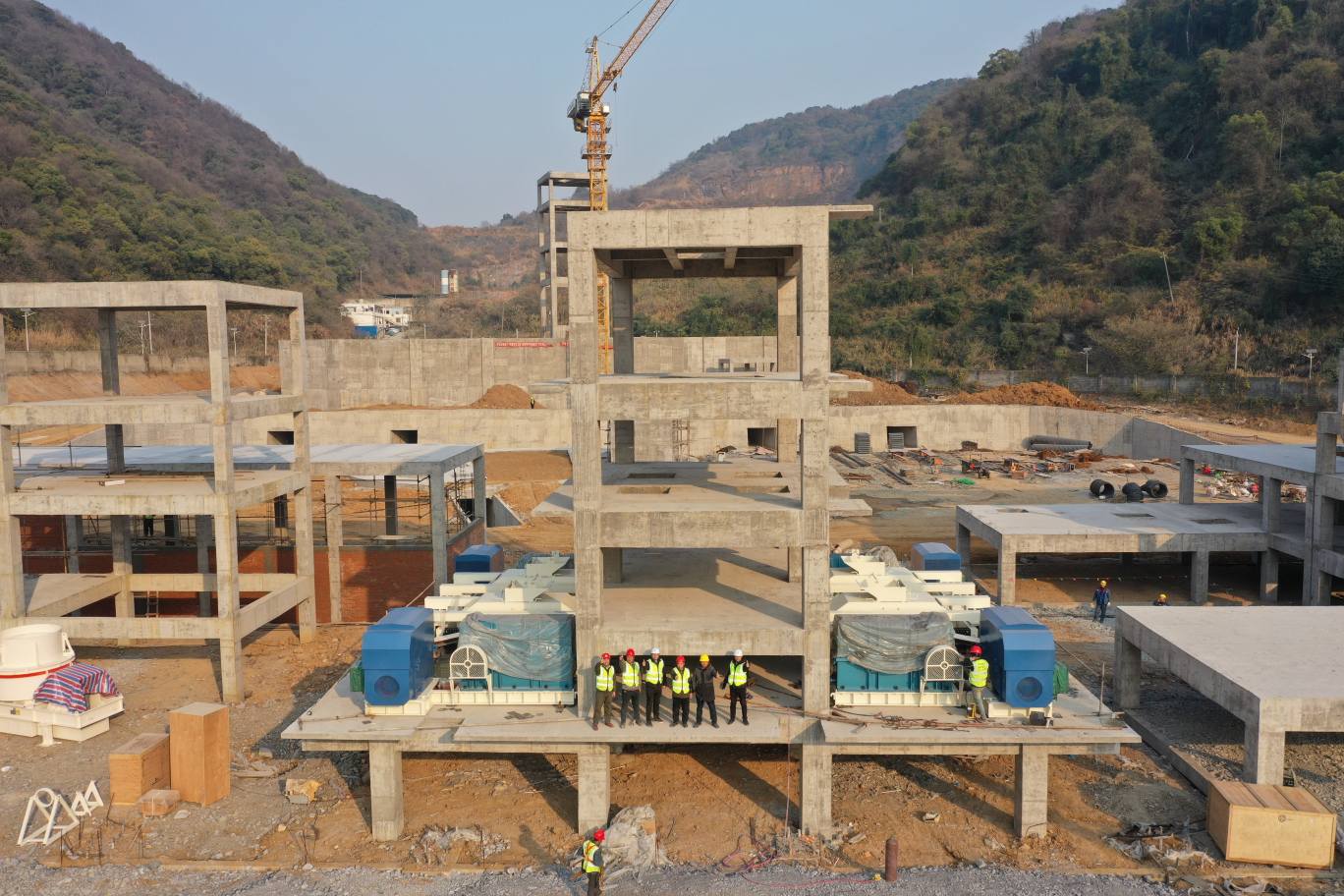
These functions make the intelligent Hydraulic Double Roll Crusher particularly suitable for large-scale continuous production lines requiring high throughput and centralized operation.
Technical Specifications
| Series / Model | Roll Size | Feed Size | Output Size | Capacity | Power |
|---|---|---|---|---|---|
| PGY750×400 | Ø750×400 mm | <30 mm | <5 mm | 40–70 t/h | 55 kW |
| PGY850×600 | Ø850×600 mm | <40 mm | <5 mm | 70–120 t/h | 90 kW |
| PGY1000×600 | Ø1000×600 mm | <40 mm | <5 mm | 140–160 t/h | 160 kW |
| PGY1000×800 | Ø1000×800 mm | <40 mm | <5 mm | 150–180 t/h | 200 kW |
| PGY1200×500 | Ø1200×500 mm | <50 mm | <5 mm | 180–220 t/h | 250 kW |
| PGY1300×700 | Ø1300×700 mm | <50 mm | <5 mm | 260–300 t/h | 315 kW |
| PGY1300×1000 | Ø1300×1000 mm | <50 mm | <5 mm | 280–400 t/h | 315–400 kW |
| PGY1600×1000 | Ø1600×1000 mm | <50 mm | <5 mm | 380–600 t/h | 560–630 kW |
| PGY1800×1000 | Ø1800×1000 mm | <50 mm | <5 mm | 550–800 t/h | 630–800 kW |
| PGY2000×1200 | Ø2000×1200 mm | <50 mm | <5 mm | 780–1,000 t/h | 800–1,000 kW |
Actual capacity and product gradation depend on material hardness, moisture, feed gradation, roll pressure and required discharge size.
RFQ – Information Required for Crusher Selection
To recommend the correct Double Roll Crusher / Hydraulic Roller Crusher, please provide:
- Material to be crushed and its approximate hardness.
- Maximum feed size and feed-size distribution.
- Required final particle size or sand specification.
- Required production capacity in t/h.
- Material moisture content.
- Bulk density and abrasiveness, if available.
- Dry or wet crushing process.
- Existing upstream and downstream equipment.
- Local power supply: voltage, frequency and phase.
- Installation restrictions or required plant layout.
Based on these details, we can recommend the appropriate roll diameter, roll width, hydraulic pressure configuration, motor power and production-line arrangement for your application.
Products
PP Filter Press Cloth
Rubber Filter Belt for Horizontal Vacuum Belt Filters

Ceramic Lagged Drive Pulley
Vibrating Sluice Box
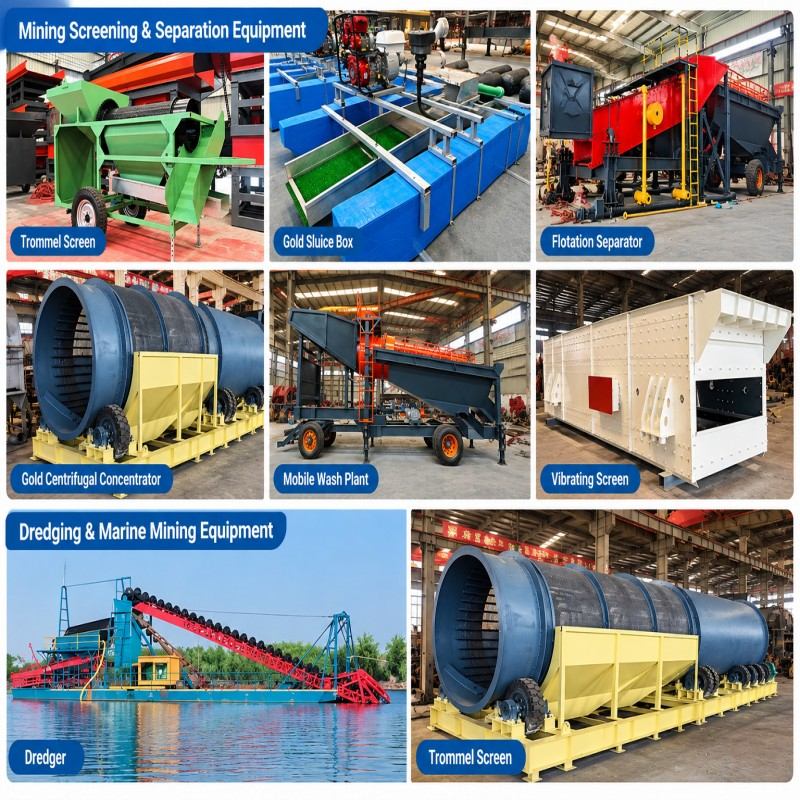
Compact Alluvial Gold Equipment
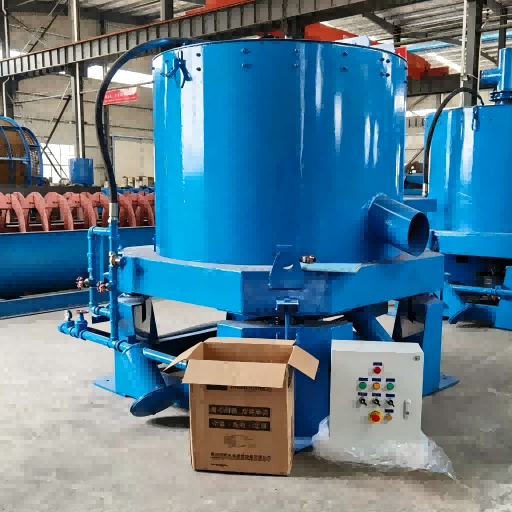
Centrifugal Gold Concentrator
Recent news
See Latest Service