Polyurethane vs. Rubber Screen Panels: A Complete Guide for Mining & Aggregate Operations
admin
12 Aug, 2026
In the mining, aggregates, and mineral processing sectors, selecting the right screening media is far from a one-size-fits-all decision. The choice between polyurethane and rubber screen panels plays a pivotal role in optimizing operational efficiency, cutting down unplanned downtime, and controlling costs. Each material boasts unique strengths and is tailored to specific application scenarios. This in-depth comparison breaks down their performance traits to help you pick the perfect screen for your unique needs.
Polyurethane Screen Panels: The Efficiency-Focused Option
Polyurethane screen panels stand out as a top choice for operations prioritizing high throughput and long-term reliability. Their design and material properties address key pain points in screening, though they come with certain trade-offs.
Advantages
Exceptional Screening Efficiency: Featuring square or rectangular apertures, polyurethane panels offer an open area of 70% to 85%—far higher than rubber alternatives. This wide open area enables smooth material flow, drastically reducing blinding (clogging) issues. As a result, they excel at separating fine-grained materials, significantly boosting overall throughput and operational efficiency.
Superior Abrasion Resistance: The unique blend of surface hardness and elastic recovery in polyurethane allows it to absorb impact and friction from abrasive substances. When processing highly abrasive materials like quartz sand or iron ore, polyurethane screens last 1.5 to 3 times longer than rubber ones, minimizing the need for frequent replacements.
Lightweight & Easy to Install: With a density of around 1.2 g/cm³—roughly one-third the weight of rubber—polyurethane panels put less dynamic load on screening equipment. This translates to lower energy consumption. Their light weight also simplifies handling, transportation, and installation, cutting down on labor time and costs.
Strong Chemical Resistance: Polyurethane resists corrosion from a range of chemicals, including acids, alkalis, and salts. This stability ensures consistent performance and prevents premature aging, making it ideal for harsh environments like chemical processing plants or specific mining sites.
Low-Noise Operation: Thanks to inherent sound-dampening and vibration-absorbing properties, polyurethane reduces operational noise by 10 to 15 decibels compared to rubber. This creates a safer, more comfortable workplace, aligning with occupational health and safety standards.
Disadvantages
Limited High-Temperature Tolerance: Polyurethane performs reliably only within a temperature range of -40°C to 80°C. Exposing it to temperatures above 80°C causes softening, deformation, and structural failure, ruling it out for applications involving hot materials (e.g., slag screening).
Lower Tear Strength: While highly abrasion-resistant, polyurethane is more prone to cutting and tearing when hit by large, sharp-edged rocks. This may require more frequent partial replacements, adding to maintenance hassle.
Higher Upfront Cost: The advanced raw materials and complex manufacturing process make polyurethane screens 30% to 50% more expensive initially than rubber ones. This higher upfront investment can be a barrier for operations with tight initial budgets.
Rubber Screen Panels: The Cost-Effective, Durable Workhorse
Rubber screen panels are a reliable, budget-friendly option for operations with specific needs, such as handling large, coarse materials or high-temperature applications. They balance performance and affordability, though they lag in certain efficiency metrics.
Advantages
Excellent High-Temperature Resistance: Standard rubber screens operate effectively between -30°C and 120°C. Special high-temperature formulations can even withstand temperatures over 150°C, making them the go-to choice for screening hot materials like metallurgical slag.
Strong Tear & Impact Resistance: The elasticity of natural rubber gives it exceptional toughness, allowing it to handle the impact of large, coarse, and high-hardness materials without tearing. This reliability makes it ideal for primary crushing stages, where heavy-duty performance is critical.
Low Initial Cost: Rubber panels benefit from readily available raw materials and mature production techniques, resulting in a much lower purchase price. For operations with less demanding screening needs or mildy abrasive materials, rubber offers a cost-effective way to minimize upfront equipment investment.
High Versatility: Rubber can be molded into various sizes, shapes, and configurations to fit a wide range of screening equipment. Its compatibility and easy installation make it a popular choice in industries like coal and construction aggregates for primary screening tasks.
Disadvantages
Lower Screening Efficiency: Rubber panels have a smaller open area (typically 40% to 60%) compared to polyurethane. Additionally, their flexible apertures tend to deform under load, leading to more frequent blinding—especially with damp or fine materials. This reduces efficiency and increases maintenance needs.
Inferior Abrasion Resistance: When exposed to highly abrasive materials, rubber wears out much faster than polyurethane. Its service life is often only 1/2 to 2/3 that of polyurethane screens, leading to more frequent full replacements, increased downtime, and higher long-term maintenance costs.
Heavier Weight & Higher Energy Use: Rubber’s higher density makes panels significantly heavier. This added weight puts more strain on the vibratory motors of screening equipment, increasing energy consumption over time.
Louder Operation: Rubber’s vibration-damping capabilities are less effective than polyurethane’s. Material impact on the screen surface generates more noise, creating a louder work environment that may fall short of occupational health compliance standards.
Conclusion: Choosing the Right Panel for Your Needs
The decision between polyurethane and rubber screen panels isn’t about finding a “better” material—it’s about selecting the right tool for your specific job.
Opt for polyurethane if:
You prioritize high-efficiency screening of fine, highly abrasive materials.
Maximizing wear life and minimizing long-term downtime is critical.
Your budget can accommodate a higher initial investment.
It’s ideal for final sizing and critical material separation tasks.
Opt for rubber if:
You’re screening large, coarse, or high-temperature materials (e.g., hot slag).
High impact resistance is a key requirement.
Minimizing upfront capital expenditure is a priority.
It’s perfectly suited for heavy-duty primary screening and scalping applications.
Always base your choice on a thorough analysis of your material characteristics, operating environment, efficiency needs, and total cost of ownership to ensure optimal performance.
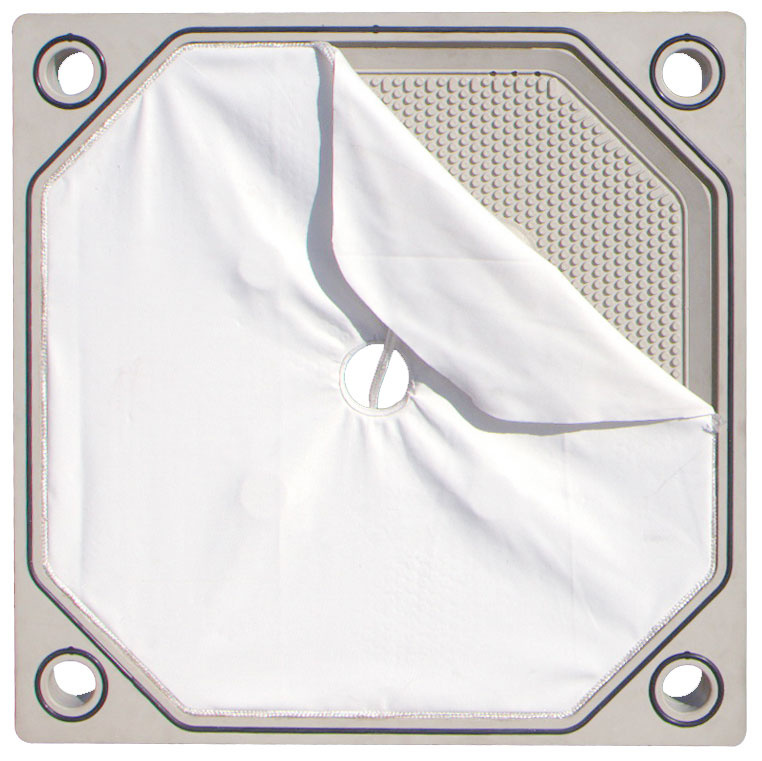
HUATAO PP Filter Press Cloth is engineered for efficient solid-liquid separation in mining, tailings, chemical processing and sludge dewatering. Available in monofilament, multifilament and customized woven structures, it provides reliable particle retention, chemical resistance, easy cake release and long-term filtration performance. Custom dimensions, feed holes, necks, edge sealing and fixing systems are available for chamber and membrane filter presses.
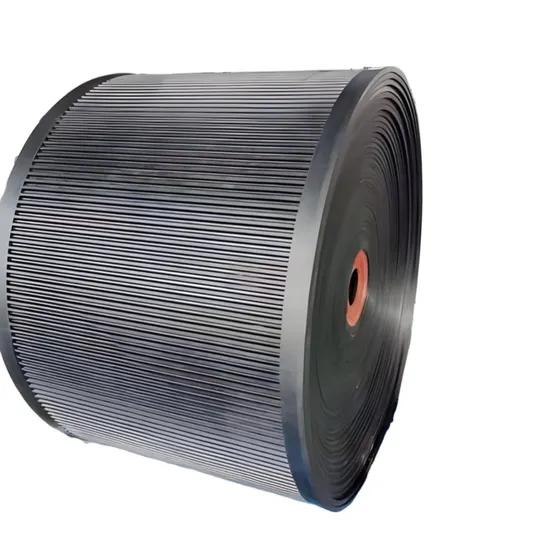
HUATAO Rubber Filter Belts are engineered for horizontal vacuum belt filters used in mining, metallurgy, chemical processing and FGD applications. Customized drainage grooves, holes, reinforced carcass and rubber compounds provide efficient filtrate drainage, reliable vacuum sealing and long-term operation under abrasive and corrosive slurry conditions.
Ceramic Pulley Lagging combines high-hardness alumina ceramic with resilient rubber to provide superior traction, abrasion resistance and reliable conveyor performance in demanding mining and bulk material handling applications.
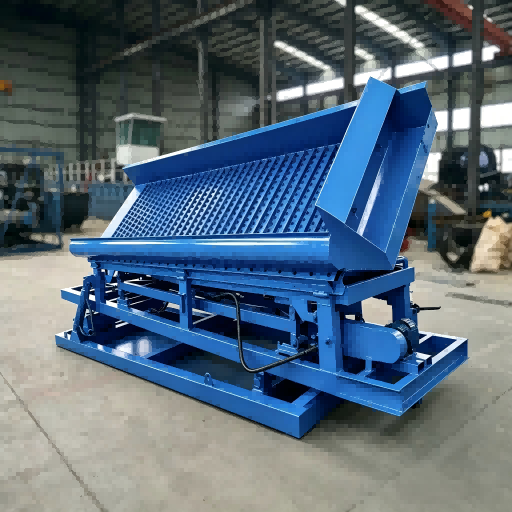
HUATAO Vibrating Sluice Box is a gravity separation solution designed for placer gold mining, alluvial gold recovery and fine gold concentration. It combines the basic recovery principle of a conventional gold sluice with controlled mechanical vibration or pulsating movement to keep the material bed active during processing.
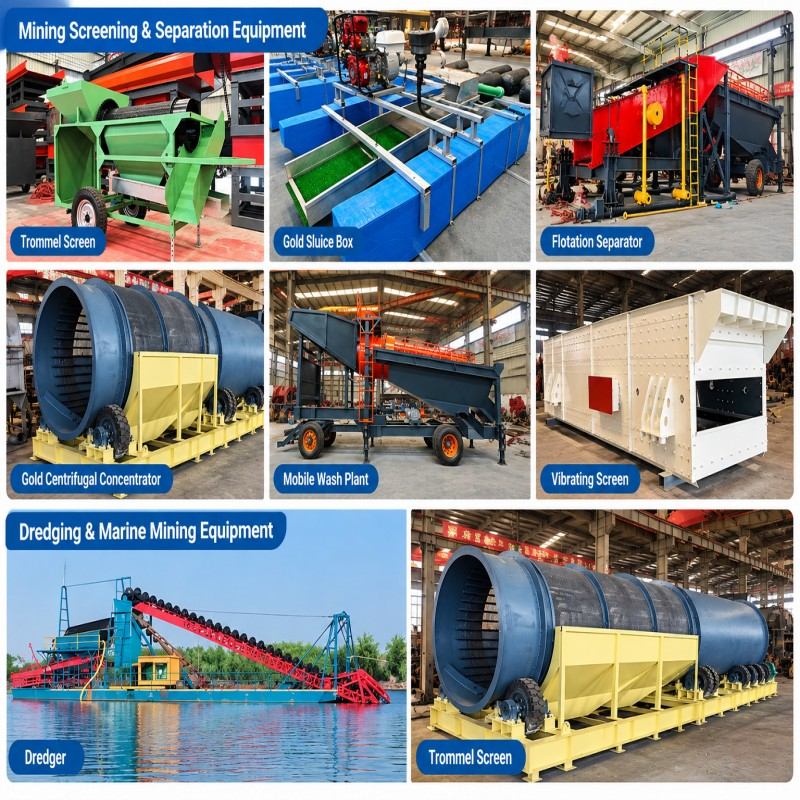
Our Small Gold Wash Plant is designed for small-scale gold miners, prospectors and contractors processing alluvial and placer gold deposits. The compact system integrates material feeding, washing, screening and gold recovery into a practical processing solution.
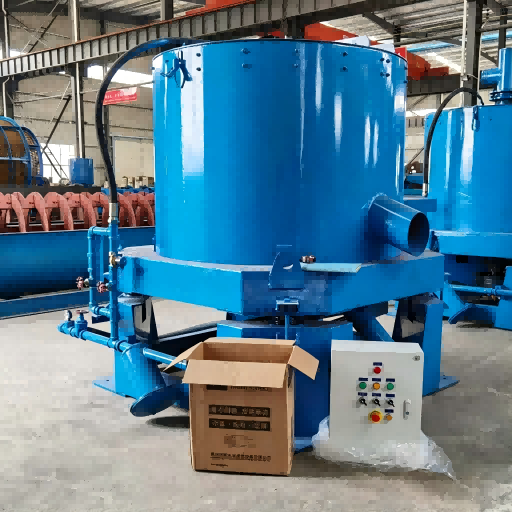
Our Centrifugal Gold Concentrator is a high-efficiency gravity separation machine designed to recover free gold and other high-density valuable minerals from mineral slurries. By combining a high-speed rotating bowl with centrifugal force and controlled fluidization water, the machine significantly strengthens the density-based separation process compared with conventional gravity equipment.
 admin