Successful Application of Polyurethane High-Frequency Screens at Mongolian Mining Corporation’s Coal Washery
-
 admin
admin - 29 Jul, 2026
Boosting Coal Washing Efficiency and Economic Returns: Real-World Performance of Polyurethane High-Frequency Screens
I. Background and Needs of the Coal Washery
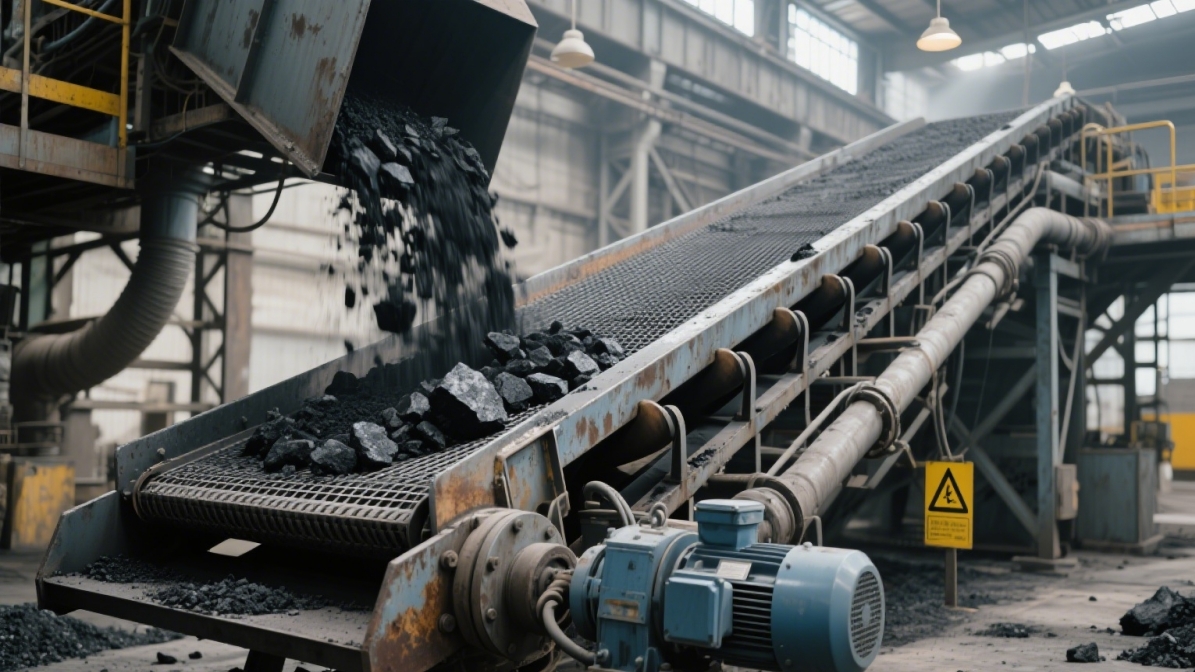
Mongolian Mining Corporation operates as a medium-sized coal washing enterprise, with an annual raw coal processing capacity of 15 million tons. Its production process combines heavy medium cyclones and flotation technology. However, the plant faced significant challenges in two key stages—final coal dehydration and coal slime classification—due to its original stainless steel screens:
- High-humidity coal slime frequently clogged the screen holes, forcing monthly shutdowns of up to 30 hours for cleaning.
- Incomplete screening caused large fluctuations in the ash content of clean coal, harming product quality and market competitiveness while increasing the cost of subsequent processing.
To address these issues, the coal washery urgently sought screening equipment that would be efficient, anti-clogging, and durable.
II. Introduction to Polyurethane High-Frequency Screens
After conducting in-depth research and technical comparisons, the coal washery selected polyurethane high-frequency screens as the solution. This equipment offers several key advantages tailored to its needs:
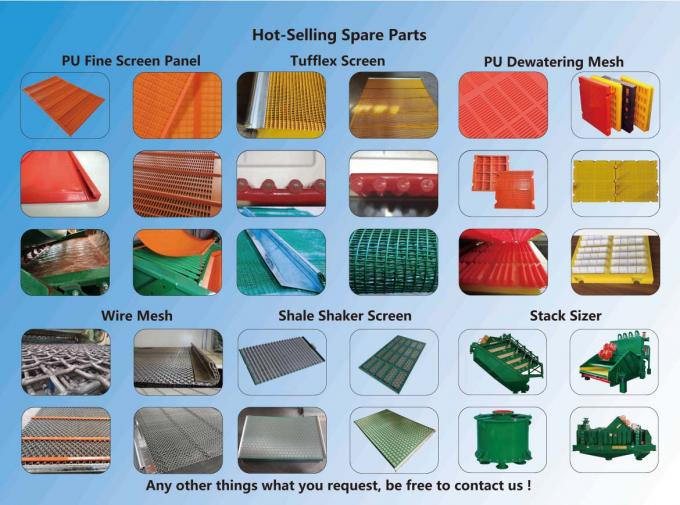
- Durable Material: The screen mesh is made of polyurethane, providing strong wear and corrosion resistance, with an opening rate exceeding 98%.
- Anti-Clogging Design: Equipped with a 50Hz high-frequency vibration motor, it effectively prevents screen hole blockages and significantly improves screening efficiency.
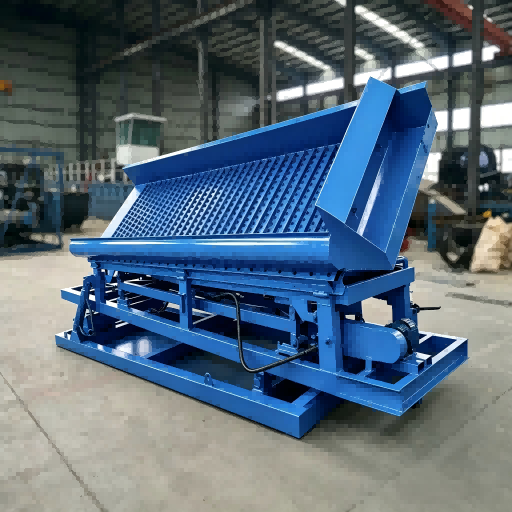
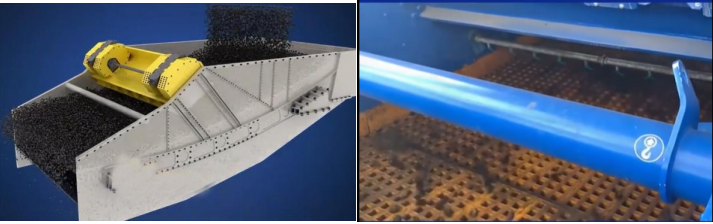
- Customized Configuration: A Derrick screen machine was chosen to match the plant’s actual processing requirements, featuring a hourly capacity of 76 tons, a screen surface area of 1.85 square meters, and a customized screen hole size of 0.18 mm—perfectly suited for coal slime classification and final coal dehydration.
III. Installation and Commissioning Process
The installation and commissioning of the polyurethane high-frequency screens followed a systematic three-step process:
1. Preparation for Installation
The on-site area was thoroughly cleaned, the foundation structure was inspected to ensure integrity, all necessary tools and installation materials were prepared, and equipment components were checked for completeness.
2. Installation Procedure
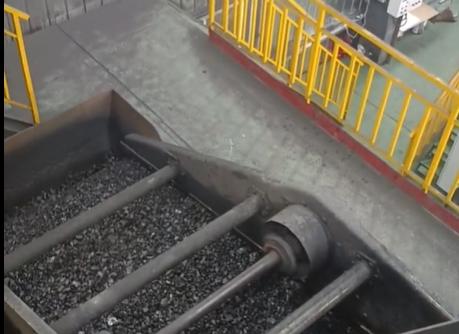
The main body of the screen machine was hoisted and securely fixed. The tension of the polyurethane screen mesh was adjusted to the optimal level, and the pipeline and electrical systems were connected reliably to ensure stable operation.
3. Commissioning Phase
First, a no-load test run was conducted to verify basic functionality. Then, materials were gradually fed into the system, and parameters such as excitation force and screen surface inclination were adjusted. Through continuous particle size detection, operating parameters were fine-tuned until the plant achieved up-to-standard production.
IV. Actual Application Results
The polyurethane high-frequency screens delivered remarkable improvements across production efficiency, operational stability, economics, and environmental performance:
1. Dramatic Increase in Screening Efficiency
- Final coal dehydration efficiency rose from 75% to over 88%.
- Coal slime classification efficiency increased from 62% to approximately 85%.
- When processing coking coal, the content of fine particles in clean coal dropped to less than 8%, and ash content was stably controlled within 10.5%—ensuring consistent product quality.
2. Significantly Enhanced Operational Stability
- Screen hole blockages were greatly reduced, cutting monthly shutdown time for cleaning to less than 4 hours (down from 30 hours).
- Equipment failure rates decreased sharply, reducing maintenance frequency, lowering maintenance costs, and easing labor intensity for staff.
3. Outstanding Economic Benefits
- Monthly clean coal output increased by an additional 1,200 tons, generating 380,000 yuan in extra monthly revenue.
- Annual maintenance costs were reduced by 150,000 yuan.
- Improved product quality boosted market competitiveness, leading to steady growth in order volume.
4. Positive Environmental Impacts
- Dust emissions were reduced, improving the on-site working environment.
- The content of fine particles in coal slime water decreased, alleviating the load on the subsequent water treatment system and reducing the risk of environmental pollution.
V. Summary and Outlook
The successful application of polyurethane high-frequency screens has fully resolved the bottlenecks in the screening process at Mongolian Mining Corporation’s coal washery, delivering substantial production and economic benefits. As the industry’s demand for efficient, eco-friendly equipment continues to grow, polyurethane high-frequency screens will have even broader application prospects. The coal washery also noted that it will continue to advance process optimization and equipment upgrades, contributing to the green and sustainable development of the coal industry.
Contact Us
Annie Lu | Huatao Group
- Email: Annie.Lu@slipsetgroup.com
- Mobile: 0086 18032422676
- Website: www.tufflexscreen.com
Our Products: Polyurethane Fine Screens, Tufflex Screens, Shale Shaker Screens, Crusher Machinery
Tags:
admin
personal profile