Self-Cleaning Wire Mesh: A Comprehensive Guide to Types, Features, and Industrial Applications
-
 admin
admin - 29 Jul, 2026
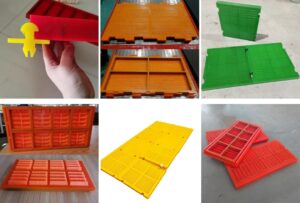
Self-cleaning wire mesh stands as a specialized high-efficiency screening medium, engineered to tackle the pervasive clogging issue that plagues material screening processes. What sets it apart is its unique self-cleaning capability, rooted in a smart core structure: independent manganese steel wires are horizontally secured by highly elastic polyurethane strips. During operation, these steel wires produce high-frequency vibrations—and thanks to the polyurethane strips’ exceptional elasticity, each wire vibrates at a distinct frequency. This design ensures even materials prone to causing blockages fail to clog the mesh, guaranteeing top-tier screening cleanliness and efficiency.
Today, the most widely used anti-clog self-cleaning screens are categorized by their aperture shapes: diamond, triangular, corrugated (wave), and harp. Each type boasts unique structural designs, anti-clog mechanisms, and ideal application scenarios, as detailed below.
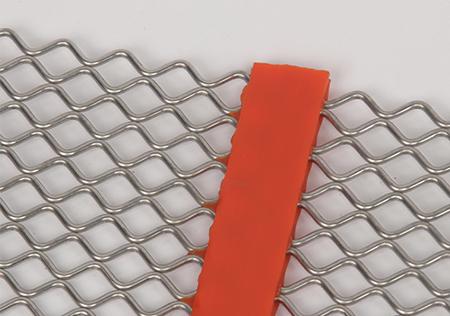
1. Diamond-Aperture Self-Cleaning Screen
Crafted from adjacent identical bars that generate micro-vibrations, this screen achieves outstanding anti-clog performance through the coordinated vibration of its bars. It is the go-to choice for screening tasks that demand strict aggregate gradation control—especially when dealing with high proportions of flaky materials. For example, in the screening of aggregates used in highway asphalt pavements, it not only meets rigorous screening accuracy standards but also eliminates clogging risks.
Compared to traditional square-aperture screens, diamond-aperture models offer a larger open area, higher material throughput, more precise material stratification, and cleaner screened end products—making them a superior upgrade for efficiency-focused operations.
2. Wave (Corrugated)-Aperture Self-Cleaning Screen
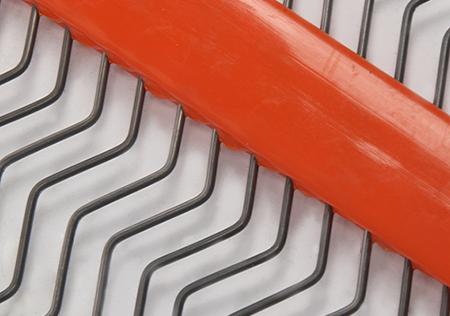
The anti-clog magic of this screen lies in the differential vibration between its two sets of screen bars. When aggregate particles get stuck between the bars, the bars vibrate with offset vertical displacements. This vibrational difference pushes the trapped particles through the mesh apertures, effectively preventing clogging.
Ideal for applications with a high risk of blockage, wave-aperture screens leverage their large open area to precisely control material particle sizes. They excel at removing ultra-fine materials, making them a key tool for boosting screening efficiency in challenging environments.
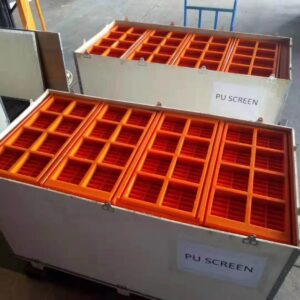
3. Triangular-Aperture Self-Cleaning Screen
The hallmark of this screen is its pair of adjacent bars: one stationary, the other vibrating. Its core working principle transforms traditional flat, two-dimensional fixed apertures into dynamic three-dimensional variable openings. Through random oscillations between the adjacent bars, secondary vibrations are generated, creating the necessary vibrational difference to enable self-cleaning and anti-clog functionality.
Typically, the stationary bar is thicker than the vibrating one—this design not only enhances the screen’s wear resistance but also boosts its screening efficiency. Additionally, the bar structure minimizes contact points between materials and the screen apertures, further lowering the chances of clogging.
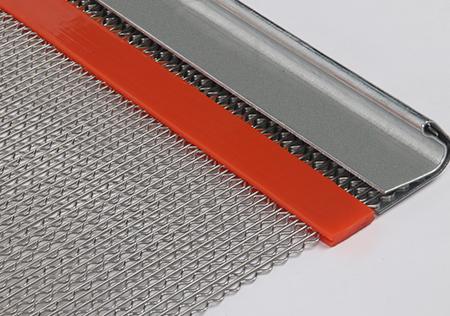
4. Harp-Aperture Self-Cleaning Screen
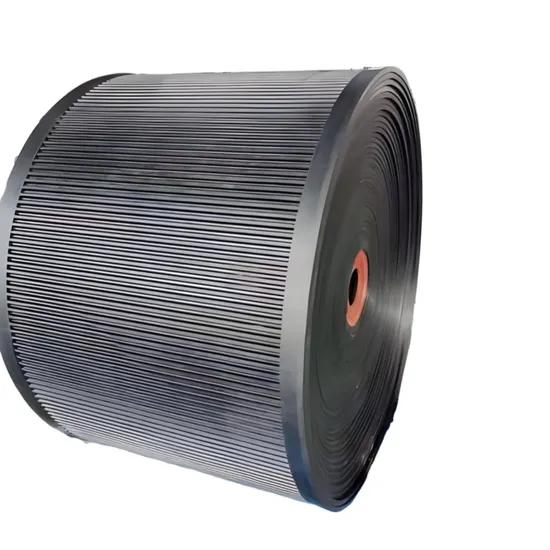
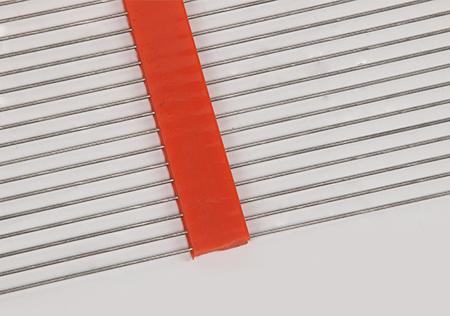
Designed to maximize open area, the harp screen is highly effective for screening sand, gravel, topsoil, fine particles, and similar materials. Its structure features parallel screen bars arranged in a harp-like pattern—hence its name. This screen type shines when processing wet, sticky, or easily clogging materials, and is widely adopted in the construction, mining, and material recycling industries.
By understanding the distinct types, features, and applicable scenarios of these anti-clog self-cleaning screens, users can make more informed decisions in practical applications. This not only improves screening efficiency but also extends the service life of screening equipment—delivering long-term value for operations across industries.
Contact Information
Annie Lu | Huatao Group
- Email: annie.lu@huataogroup.com
- Mobile: 0086 18032422676 (Whatsapp/Wechat/Viber)
- Links: https://wa.me/008618032422676 | http://www.tufflexscreen.com
Tags:
admin
personal profile