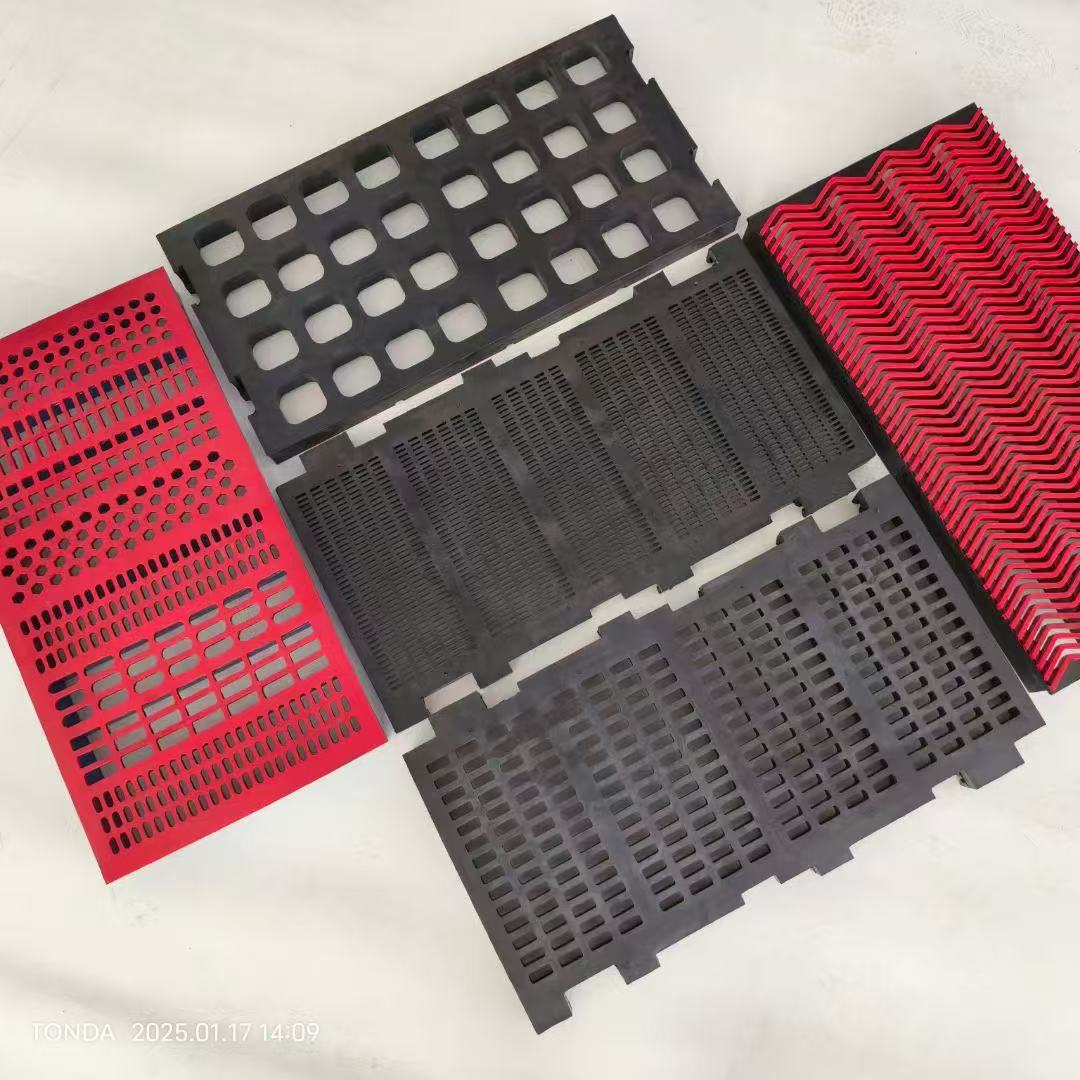
In abrasive mining conditions, high-quality natural rubber screening media with optimized hardness (typically 60 Shore A) and proper panel thickness lasts longest. Service life depends on rubber formulation, hardness, elasticity, tear resistance, panel thickness, aperture design, and operating conditions. For applications combining abrasion with impact, rubber outperforms polyurethane due to its superior elasticity and impact absorption. The longest-lasting rubber screening media balances hardness, flexibility, and tear resistance rather than maximizing any single property.
Crusher wear parts are the sacrificial components in crushing equipment designed to protect the crusher's main structure while maintaining the optimal crushing chamber geometry.
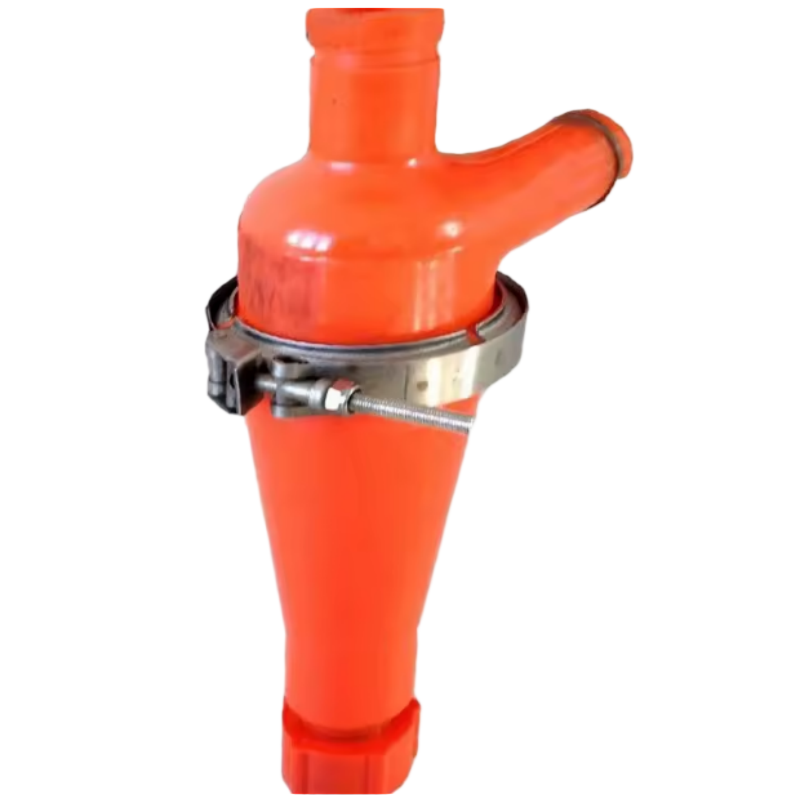
The optimal number of hydrocyclones in a cluster is found by dividing the total feed flow rate by the capacity of a single cyclone at your target pressure. However, a practical design should always include 20-30% more positions than this minimum to allow for maintenance and redundancy.
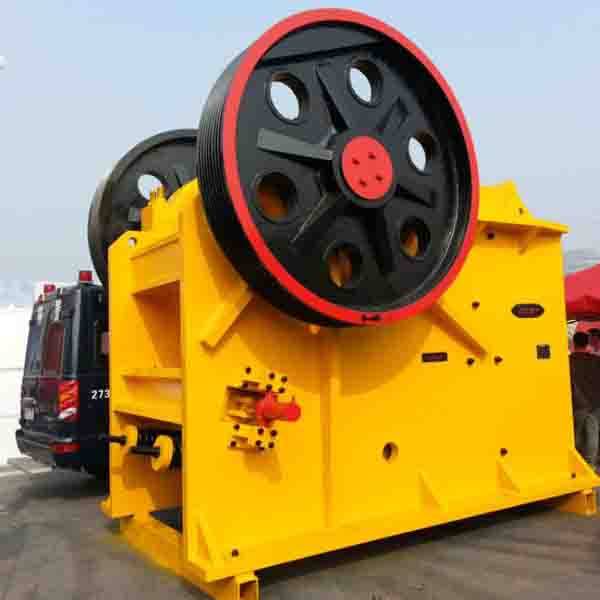
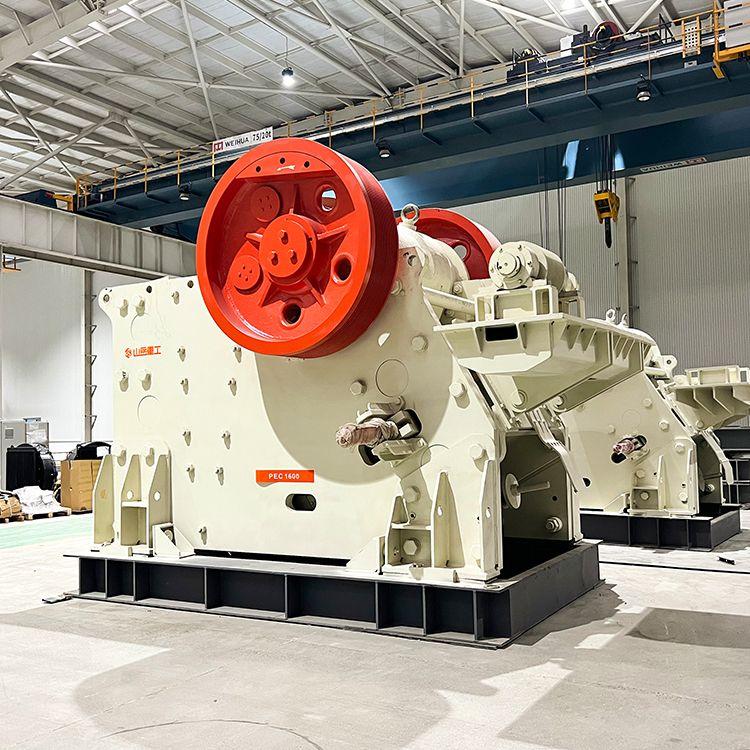
A jaw plate is the primary working component of a jaw crusher, consisting of a fixed jaw plate mounted on the crusher frame and a moving jaw plate attached to the swing jaw.
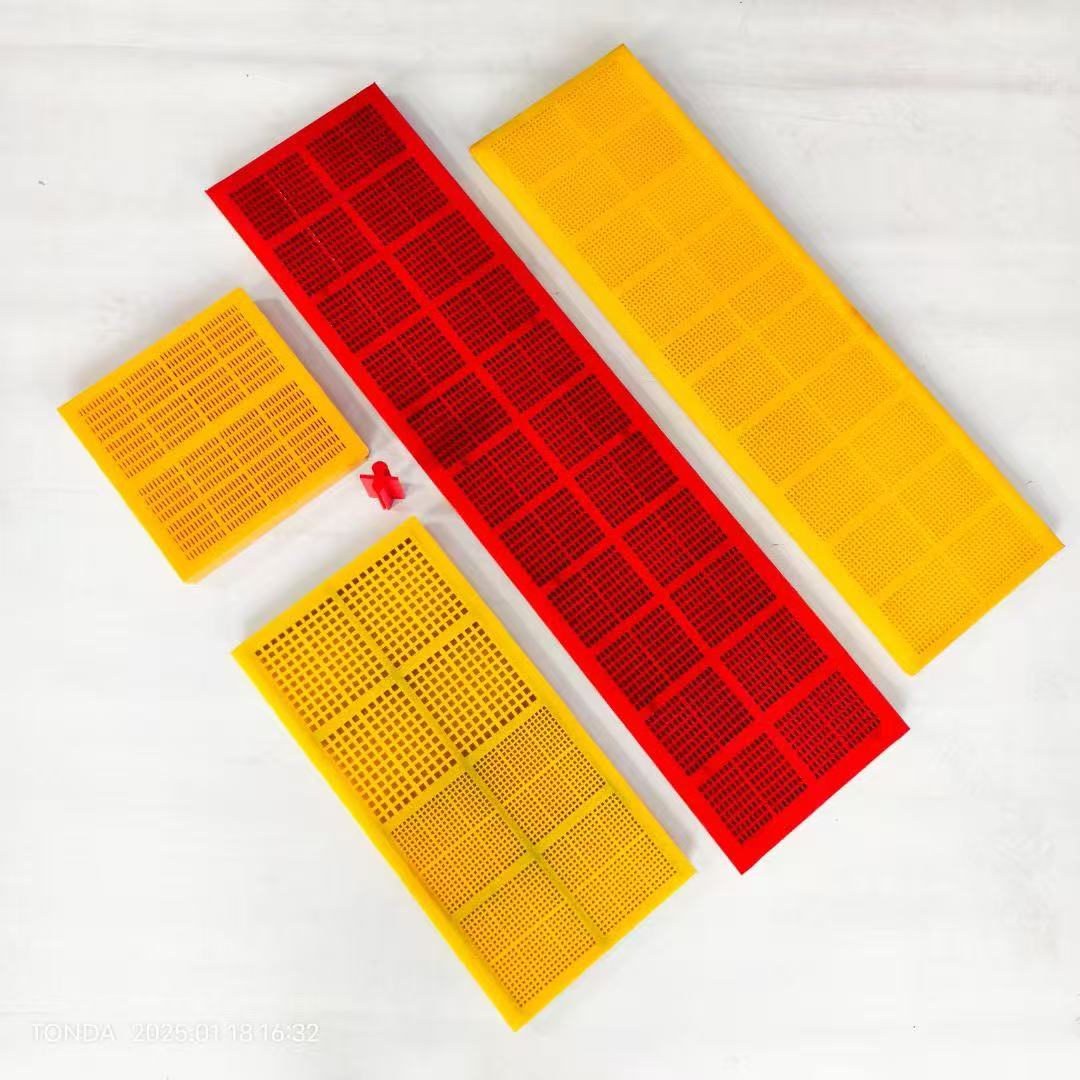
Polyurethane (PU) screen panels are modular screening media used on vibrating screens, banana screens, and dewatering screens to separate materials by particle size.
The best rubber screen panels for quarry operations are heavy-duty, high-hardness rubber panels with large apertures, suitable reinforcement, and modular fixing systems. Rubber hardness typically ranges from 40–65 Shore A, with higher hardness preferred for abrasive materials. The optimal configuration depends on feed size, material abrasiveness, impact intensity, moisture content, screening stage, and required separation size. Cast-molded rubber panels with proper engineering provide excellent wear resistance and impact absorption for demanding quarry applications.
The best approach involves a rigorous supplier evaluation that assesses material certifications, manufacturing capabilities, OEM experience, and technical support. Prioritize suppliers who can provide material reports, a proven export track record, and a clear understanding of your application to ensure maximum wear life and crushing efficiency.