Hydrocyclone
Choosing between a hydrocyclone and spiral classifier depends on your target cut size, throughput requirements, and space constraints. Hydrocyclones excel at fine classification (20-250μm) with high efficiency (60-85%) and compact footprint (1/30 the space). 
READ MORE
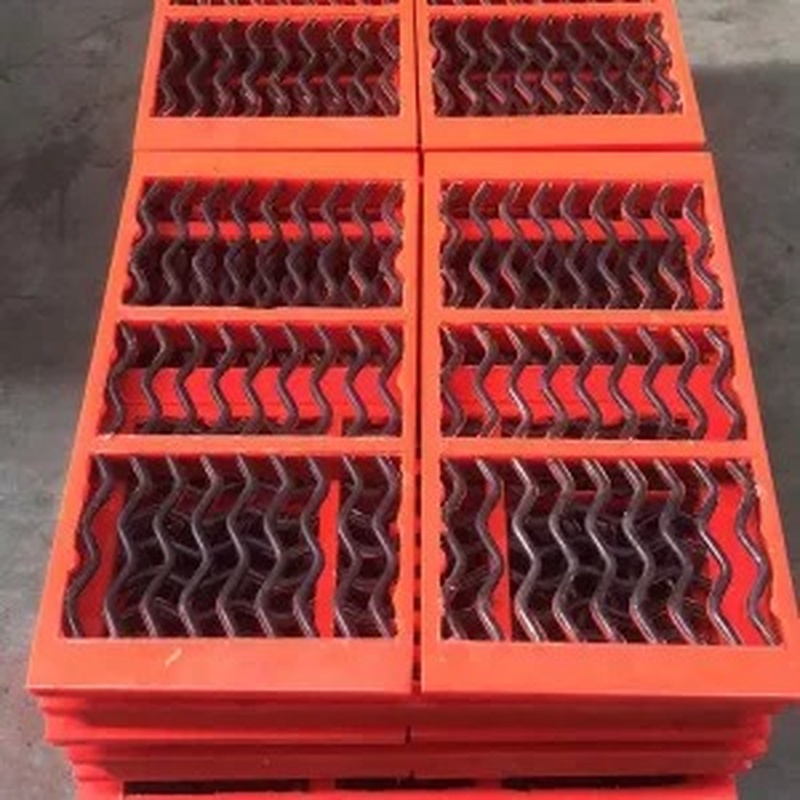
Custom self-cleaning screen mesh for aggregate and asphalt plants
Self-cleaning wire mesh stands as a specialized high-efficiency screening medium, engineered to tackle the pervasive clogging issue that plagues material screening processes.
READ MORE
Huatao Mining Product Show
Wet screening and dry screening face completely different challenges. 
READ MORE
Screen Panels
In the mining, aggregates, and mineral processing sectors, selecting the right screening media is far from a one-size-fits-all decision.
READ MORE
Mining PU Screen Media
Screening fine particles (typically below 3 mm) is one of the most challenging tasks in mineral processing.
READ MORE
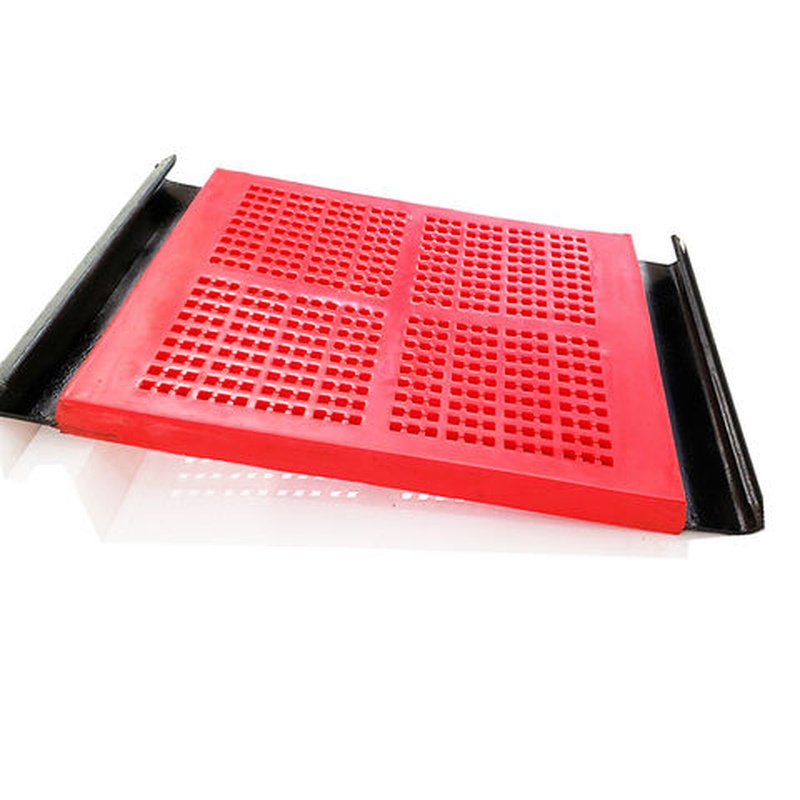
Modular Polyurethane Screen Panels Heavy Duty Mining Aggregate
In the mining and aggregate sector, picking the right screen panel is a make-or-break decision for optimizing operational efficiency, cutting downtime, and controlling costs.
READ MORE
What Are OEM-Quality Flotation Impellers? OEM-quality flotation impellers are precision-engineered replacement components manufactured to match or exceed the dimensional tolerances, material standards, and performance specifications of original equipment. They are critical for maintaining optimal slurry circulation, air dispersion, and mineral recovery in flotation circuits while significantly reducing maintenance costs and downtime. Key Takeaways ✔ Precision manufacturing ensures perfect fit and reliable installation ✔ Advanced polyurethane and rubber materials provide superior wear and corrosion resistance ✔ Dynamic balancing reduces vibration and extends component service life ✔ Customized designs optimize performance based on ore characteristics ✔ Proper supplier selection reduces total cost of ownership by 30-50% Summary Table Item Description Function Generates slurry circulation, disperses air, creates hydrodynamic conditions for flotation Materials Polyurethane, Rubber, Ceramic Composites, Nylon, Wear-Resistant Alloys Applications Copper, Gold, Iron Ore, Lead-Zinc, Phosphate, Coal Service Life 6-24 months depending on material and operating conditions Benefits Reduced downtime, lower maintenance costs, improved recovery rates Cost Savings 30-50% reduction in total cost of ownership Introduction In the demanding world of mineral processing, the flotation impeller stands as one of the most critical components within a flotation machine. Working in concert with the rotor and stator, the impeller is responsible for generating the mechanical energy needed to circulate slurry, disperse air into fine bubbles, and create the hydrodynamic conditions that allow hydrophobic mineral particles to attach to air bubbles and rise to the surface for collection. This continuous operation occurs in some of the harshest environments imaginable. Flotation impellers are constantly exposed to highly abrasive ore slurries and corrosive chemical reagents. The relentless assault of these conditions means that impeller quality directly determines not just wear life, but also flotation efficiency, maintenance frequency, and ultimately, the plant’s bottom line. For this reason, a growing number of mining companies are seeking OEM-quality flotation impellers that can match—or even exceed—the performance of the original equipment, but with greater flexibility and value. FLOTATION WEAR PARTS are essential for maintaining optimal flotation circuit performance. What Defines an OEM-Quality Flotation Impeller? An OEM-quality flotation impeller is manufactured to meet or surpass the exact performance, dimensional, and installation specifications of the original equipment. This goes beyond a simple visual copy; it requires a deep commitment to strict standards for material quality and manufacturing precision. Key Characteristics 1. Accurate Dimensional Tolerances A high-quality impeller must match the original dimensions precisely to ensure easy installation and proper clearance with the stator and other components. Even minor dimensional deviations can cause poor performance, excessive wear, or installation problems. 2. Superior Material Quality The material formulation must be optimized for the specific operating conditions. Leading manufacturers use high-performance polyurethane, rubber, and ceramic composites that provide excellent wear and corrosion resistance. 3. Stable Dynamic Balance Dynamic balancing is a critical step in impeller manufacturing. A properly balanced impeller reduces vibration, protects bearings and seals, and ensures smooth, stable operation throughout its service life. 4. Efficient Design Geometry The impeller’s design directly affects slurry circulation patterns and air dispersion efficiency. Top manufacturers don’t just replicate OEM designs; they optimize them based on years of engineering experience and field data. 5. Rigorous Quality Control Quality assurance throughout the manufacturing process is essential. This includes dimensional inspections, material testing, hardness measurements, and final performance verification. Working Principle The flotation impeller works on a simple yet effective principle: 1. Slurry Circulation The rotating impeller draws slurry from the bottom of the flotation cell and propels it outward toward the cell walls, creating a continuous circulation pattern that keeps solids suspended and ensures contact between mineral particles and reagents. 2. Air Dispersion As the impeller rotates, it creates a low-pressure zone that draws air down the standpipe. The impeller’s design then shears this air into fine bubbles, maximizing the surface area available for particle attachment. 3. Bubble-Particle Contact The turbulence created by the impeller promotes collisions between mineral particles and air bubbles. When hydrophobic particles contact bubbles, they attach and rise to the surface. 4. Froth Formation The upward flow of bubbles creates a froth layer on the cell surface. This froth, carrying valuable minerals, is skimmed off for further processing. MINERAL EQUIPMENT PARTS work together to ensure the entire flotation circuit operates efficiently. Material Selection: A Comprehensive Comparison The choice of material is one of the most critical decisions in selecting a flotation impeller. The right material can double or triple service life, while the wrong choice can lead to premature failure and costly downtime. Polyurethane Impellers Polyurethane is a versatile polymer that offers exceptional wear resistance combined with good chemical resistance. It is the preferred material for many abrasive applications. Advantages: Excellent abrasion resistance (2-4 times better than rubber) Good chemical resistance to most flotation reagents High tensile strength and tear resistance Can be formulated with different hardness levels Low friction coefficient reduces energy consumption Limitations: May degrade at high temperatures (above 80°C) Some formulations are sensitive to certain chemicals Higher cost than rubber Best Applications: Copper, gold, and iron ore flotation High-abrasion applications Medium to large flotation cells POLYURETHANE SCREEN PANELS share similar wear-resistant properties, making polyurethane the material of choice for many mining wear parts. Rubber Impellers Natural and synthetic rubber offer excellent chemical resistance and good abrasion resistance. They are a cost-effective option for many applications. Advantages: Excellent chemical resistance to acids and alkalis Good abrasion resistance Lower cost than polyurethane Good impact resistance Effective damping of vibration Limitations: Lower abrasion resistance than polyurethane Limited temperature range (typically below 70°C) May swell in certain solvents Best Applications: Acidic or highly corrosive slurries Low-temperature operations Cost-sensitive operations Ceramic Composite Impellers Ceramic composites combine the wear resistance of ceramics with the toughness of polymers or metals. These advanced materials offer the ultimate in wear protection. Advantages: Exceptional wear resistance (5-10 times better than rubber) Excellent chemical resistance Can withstand high temperatures Very long service life Limitations: High cost Brittle; susceptible to impact damage Limited to specialized applications Best Applications: Extreme abrasion applications High-temperature operations Long-life, low-maintenance installations Material Selection Matrix Operating Condition Recommended Material Alternative High Abrasion, Mild Chemical Polyurethane Rubber High Abrasion, High Chemical Ceramic Composite Polyurethane Low Abrasion, High Chemical Rubber Polyurethane High Temperature, Low Abrasion Alloy Ceramic Composite High Impact, Low Abrasion Alloy Rubber OEM vs OEM-Compatible: A Detailed Comparison Factor OEM Impellers OEM-Compatible Impellers Fit and Accuracy Guaranteed to OEM specifications High-quality ensures accuracy Material Options Often limited Wider range available Customization Limited; requires MOQ Flexible Lead Time Often longer (6-12 weeks) Typically shorter (4-8 weeks) Cost Premium pricing (30-50% higher) Competitive (20-30% lower) Technical Support OEM-specific Often more responsive Reverse Engineering Not available Available Material Innovation Slow to adopt new materials At forefront of innovation How to Evaluate a Flotation Impeller Supplier Selecting the right supplier involves more than comparing prices. The following factors should be carefully evaluated. Manufacturing Capability Reliable manufacturers typically operate their own: Polyurethane molding and casting facilities Rubber molding and vulcanization equipment Tooling and mold manufacturing CNC machining and finishing equipment Dynamic balancing and quality inspection facilities Engineering Expertise Experienced engineering teams can: Optimize impeller design according to ore characteristics Recommend suitable materials based on slurry properties Analyze wear patterns and recommend improvements Customize impeller geometry for specific flotation cell models Provide technical support throughout the product lifecycle Dynamic Balancing Proper dynamic balancing is essential for: Reducing vibration during operation Improving flotation stability Extending service life of the impeller and associated equipment Preventing damage to bearings and seals Reducing energy consumption Quality Assurance Professional manufacturers perform: Dimensional inspections using precision measurement equipment Material testing and certification Hardness and tensile testing of finished parts Documentation of quality control results Mining Experience Suppliers with successful projects in copper, gold, iron ore, lead-zinc, phosphate, and other mineral processing industries generally have a better understanding of real operating conditions. BEST FLOTATION EQUIPMENT SPARE PARTS SUPPLIERS should be evaluated using a structured checklist. Procurement Guide Required Information for Supplier Flotation cell make and model Original OEM part number (if available) Dimensional drawings or worn sample Operating conditions (slurry density, pH, temperature) Target wear life and performance expectations Quantity and delivery requirements Key Buyer Questions to Ask Can you manufacture according to my drawings or OEM part numbers? Can you provide material test reports and certificates? Do you perform dynamic balancing before shipment? What is your typical lead time and MOQ? Can you support reverse engineering for obsolete parts? Do you have experience with my specific ore type? Supplier Evaluation Checklist Criteria Weight Rating Manufacturing capability 25% /10 Engineering expertise 20% /10 Quality control and testing 20% /10 Material quality and certification 15% /10 Lead time and delivery reliability 10% /10 Technical support 10% /10 OEM FLOTATION WEAR PARTS GUIDE: ROTORS, STATORS & SUPPLIER SELECTION (2026) provides additional insights into selecting the right supplier. Failure Analysis Problem Possible Cause Recommended Solution Premature Wear Incorrect material selection Review conditions; select more wear-resistant material Cracking Impact damage or improper installation Inspect for foreign objects; ensure proper torque Vibration Lack of dynamic balancing Request dynamic balancing; inspect and replace Low Recovery Worn impeller geometry Replace with optimized design Poor Fitment Inaccurate dimensions Provide OEM drawings; verify dimensions Degradation Chemical attack Select chemically resistant material Uneven Wear Improper installation Review installation procedures Maintenance Guide Daily Inspection: Check for unusual vibration or noise Monitor flotation cell performance indicators Review motor current draw for signs of wear Weekly Inspection: Visually inspect impeller through access ports Check for signs of wear or damage Review process data for trends Monthly Inspection: Measure and record wear levels Compare performance against benchmarks Inspect stator and other components Replacement Timing: Replace when wear reaches 50-60% of original thickness Monitor recovery rates for decline Schedule during planned maintenance outages HOW TO MAINTAIN THE FLOTATION MACHINE provides additional guidance on maintaining the entire flotation mechanism. HUATAO OEM-Compatible Flotation Impellers HUATAO specializes in manufacturing high-performance mining wear parts and OEM-compatible flotation machine spare parts for mineral processing plants worldwide. Product Portfolio Polyurethane Flotation Impellers Polyurethane Rotors and Stators Rubber Rotors and Stators Dispersers Flotation Wear Liners Hydrocyclone Wear Parts Customized OEM Replacement Parts Engineering Approach Our engineering team works closely with customers to evaluate: Flotation machine models and specifications Ore characteristics and mineralogy Slurry conditions (density, pH, temperature) Wear patterns and failure modes Production capacity and targets Maintenance objectives and constraints Based on these conditions, we recommend optimized materials and customized impeller designs to maximize wear life and improve flotation performance. Manufacturing Excellence HUATAO’s manufacturing capabilities include: Advanced molding technology for precision dimensions CNC machining for critical tolerances Dynamic balancing for smooth operation Rigorous quality control throughout production Material testing and certification WHO ARE THE LEADING FLOTATION ROTOR AND STATOR MANUFACTURERS IN CHINA can help you identify reputable suppliers. Case Study: Copper Mine Achieves 40% Cost Reduction Customer Type: Major Copper Mine in South America Ore Type: Primary and secondary copper sulfides with high silica content Operating Conditions: Slurry density 35-40%, pH 10-11, highly abrasive ore Problem: OEM impellers wearing out in 8-10 months; frequent downtime Solution: HUATAO optimized polyurethane impeller with modified geometry Result: Impeller life extended from 8-10 months to 20+ months Flotation recovery improved by 2.5% Total cost of ownership reduced by 40% Unplanned shutdowns eliminated FAQ Q1: What is the difference between OEM and OEM-compatible flotation impellers? A: OEM impellers are supplied directly by the original equipment manufacturer. OEM-compatible impellers are manufactured by aftermarket suppliers to meet or exceed OEM specifications. They offer comparable quality with greater flexibility in materials, pricing, and lead times. Q2: How long should a flotation impeller last? A: Service life varies widely depending on ore abrasiveness, operating conditions, and material selection. Typical wear life ranges from 6 to 24 months. Polyurethane impellers generally offer the longest service life in abrasive applications. Q3: What materials are best for flotation impellers? A: Polyurethane is excellent for abrasive slurries. Rubber is preferred for highly corrosive environments. Ceramic composites offer the ultimate wear protection. The best material depends on your specific operating conditions. Q4: How do I know when to replace my flotation impeller? A: Signs include declining flotation recovery, increased motor current draw, unusual vibration or noise, and visible wear measuring 50-60% of original thickness. Regular inspection is essential. Q5: Can I use OEM-compatible impellers in my existing flotation cells? A: Yes, provided they are manufactured to correct dimensions and specifications. High-quality aftermarket suppliers can produce impellers that fit perfectly and perform as well as or better than OEM parts. Q6: What information does a supplier need to make a replacement impeller? A: The flotation cell make and model, original OEM part number (if available), dimensional drawings or a worn sample, and details about your operating conditions (density, pH, temperature). Q7: How important is dynamic balancing for flotation impellers? A: Dynamic balancing is critical. It reduces vibration, prevents damage to bearings and seals, ensures smooth operation, and extends service life. Always confirm that your supplier performs dynamic balancing. Q8: What are the cost benefits of using OEM-compatible flotation impellers? A: They typically offer competitive pricing compared to OEM parts. Combined with extended wear life and reduced downtime, the total cost of ownership can be 30-50% lower. Q9: How can I extend the service life of my flotation impeller? A: Select the right material for your operating conditions, ensure proper installation, maintain consistent operating parameters, and conduct regular inspections to detect wear early. Q10: Does HUATAO manufacture flotation impellers for all major flotation cell brands? A: Yes, HUATAO produces OEM-compatible flotation impellers for equipment from Metso Outotec, FLSmidth, WEMCO, Denver, XCF, KYF, TankCell®, FloatForce®, and other flotation systems. Conclusion OEM-quality flotation impellers play a vital role in maintaining flotation efficiency, minimizing equipment downtime, and controlling maintenance costs. Whether sourced directly from the OEM or from a trusted aftermarket supplier, the best impellers combine precision manufacturing, advanced materials, and engineering expertise. When evaluating suppliers, mining companies should prioritize manufacturing capability, dynamic balancing, quality control, customization, and proven mining experience rather than focusing solely on price. A well-designed flotation impeller can significantly improve plant performance while reducing the total cost of ownership. HUATAO offers high-performance, OEM-compatible flotation impellers, rotors, stators, and other mining wear parts. Our engineering team can recommend optimized materials and customized designs to maximize wear life and improve flotation performance for your specific operation. Related Articles Related Products FLOTATION WEAR PARTS MINERAL EQUIPMENT PARTS CRUSHER WEAR PARTS POLYURETHANE SCREEN PANELS BALL MILL LINER VIBRATING SCREEN PANELS Related Technical Guides HOW TO MAINTAIN THE FLOTATION MACHINE MINERAL TECHNICAL NEWS WHY MORE MINING PLANTS ARE SWITCHING TO POLYURETHANE FLOTATION ROTOR AND STATOR WEAR PARTS HYDROCYCLONE SELECTION FOR MINERAL PROCESSING FULL ENGINEERING GUIDE OEM COMPATIBLE CRUSHER WEAR PARTS TECHNICAL SELECTION FAILURE PREVENTION AND SOURCING STRATEGY Related Buyer Guides BEST FLOTATION EQUIPMENT SPARE PARTS SUPPLIERS HOW TO CHOOSE FOR LONGER WEAR LIFE HIGHER RECOVERY OEM FLOTATION WEAR PARTS GUIDE: ROTORS, STATORS & SUPPLIER SELECTION (2026) WHERE CAN I FIND RELIABLE MINING WEAR PARTS SUPPLIERS IN CHINA Related Comparison Articles WHICH FLOTATION ROTOR AND STATOR LAST THE LONGEST A COMPLETE GUIDE FOR MINING BUYERS BEST ALTERNATIVE TO METSO CRUSHER WEAR PARTS COMPLETE ENGINEERING AND PROCUREMENT GUIDE WHICH CRUSHER WEAR PARTS SUPPLIER EXPORTS TO AUSTRALIA AND CANADA COMPLETE BUYERS GUIDE Contact Information Annie Lu Email: annie.lu@huataogroup.com Phone / WhatsApp: +86 180 3242 2676 Website: http://www.tufflexscreen.com We warmly welcome customers from around the world to contact us and establish mutually beneficial partnerships. If you are looking for OEM-compatible flotation impellers, polyurethane rotors and stators, dispersers, or other customized mining wear parts, HUATAO is ready to provide professional engineering support and high-performance solutions tailored to your mineral processing operation. Tags: flotation impellers, OEM-quality impellers, mining wear parts, polyurethane impellers, rubber impellers, flotation rotors, flotation stators, mineral processing, copper ore, gold ore, iron ore, flotation cell, HUATAO
READ MORE
vibrating feeder (2)
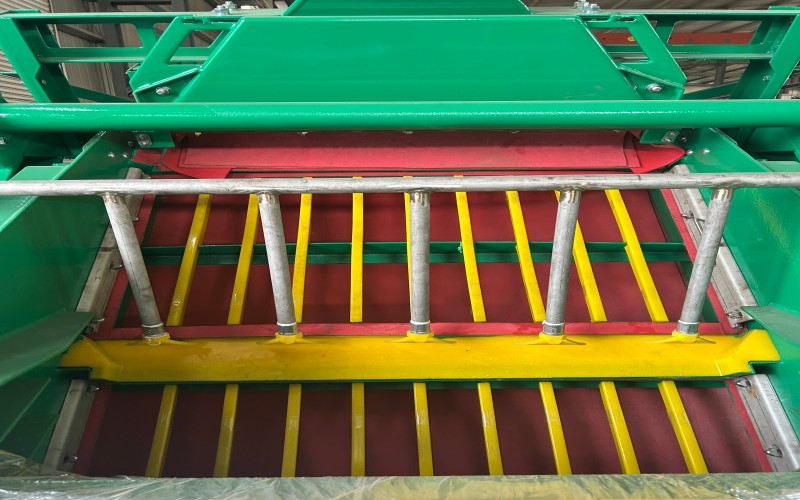
Vibrating screens are vital equipment in industrial operations like mining.
READ MORE
Polyurethane fine screen mat with micron-sized apertures
How to Select the Right Screen Panel for Wet Screening vs. Dry Screening
READ MORE
Products
Contacts
WhatsApp
Email