How to Remove Clay from Gold-Bearing Gravel: A Complete Screening and Washing Guide
-
 admin
- 24 Nov, 2026
Definition
Clay removal in gold processing is the preparation stage that breaks down clay aggregates and separates clay from gold-bearing gravel using water, mechanical agitation and size classification. It sits downstream of crushing where crushing is used, and upstream of gravity separation. It depends on screening and classification, and its rejects feed tailings management.
Working Principle
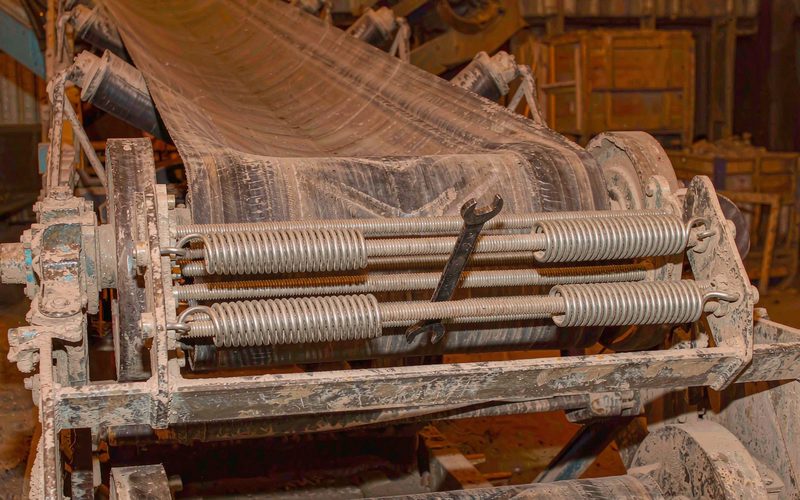
Water softens and disperses clay. Mechanical tumbling inside a trommel scrubber or log washer breaks the adhesive bonds between clay and gravel. Screening then separates washed gravel by size, and classification routes fines and slurry to settling or water treatment. Each step must be sized from representative feed data. In practice, the scrubbing stage determines how much clay reaches the screen, and the screen determines whether the liberated fines are removed before the gravity circuit.
Benefits
Effective clay removal raises gold liberation, keeps screen open area stable, reduces wear on pumps and sluice surfaces, and cuts unplanned downtime. It also makes tailings assaying meaningful, because gold loss can be attributed to a specific stage rather than to the whole plant.
Applications
Typical applications include alluvial gold deposits with high clay content, sticky gravel and weathered gold-bearing material, and feed containing clay-bound gold particles. Adjacent stages such as dewatering and filtration matter when slurry from the washing stage must be thickened or filtered before water recycling.
Material Comparison
| Material | Wear Life | Cost | Maintenance | Best Application |
|---|---|---|---|---|
| Polyurethane | High in wet abrasive duty | Medium | Low blinding, easy module change | Wet sticky screening |
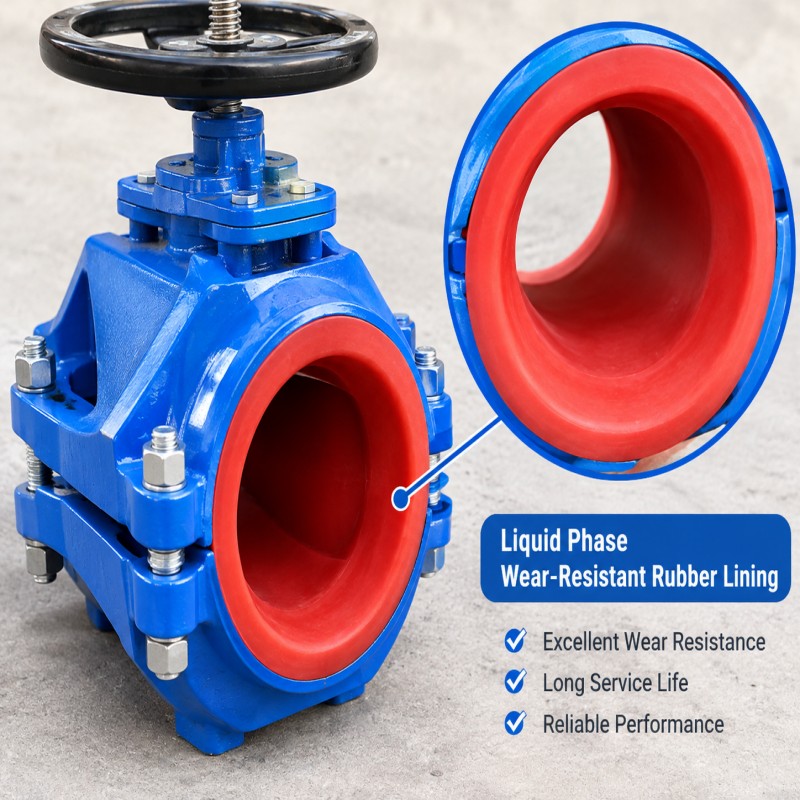
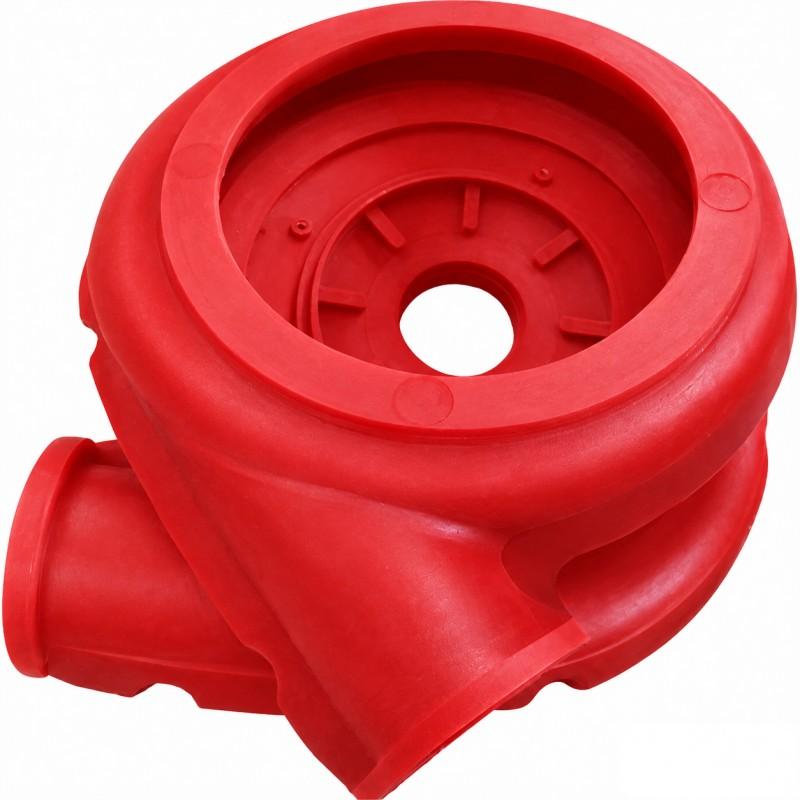
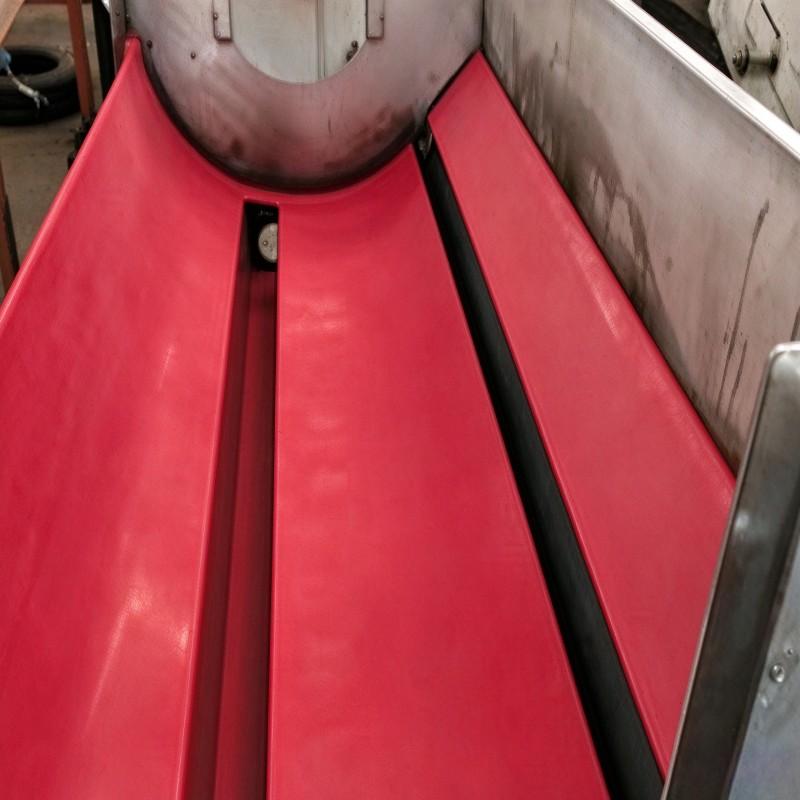
| Rubber | High under impact | Medium | Moderate | Chutes, hoppers, liners |
| Manganese steel | High impact resistance | Medium–high | Welding or replacement | Crusher wear parts |
| Woven wire | Low–medium | Low | Frequent replacement | Dry, light-duty sizing |
Polyurethane screen media is preferred in gold washing because its flexibility allows apertures to flex slightly under load, which reduces blinding when clay is still present in the feed. Rubber performs better where impact dominates, such as in chutes and hoppers. Manganese steel remains the standard for crusher wear parts. Woven wire is economical for dry sizing but struggles with wet sticky material.
Application Comparison
| Method | Best For | Limitation |
|---|---|---|
| Water spraying | Loose clay and surface soil | Weak on plastic, adhesive clay |
| Trommel scrubber | Sticky clay, continuous feed | Higher water demand |
| Log washer | Highly adhesive clay | Lower throughput per unit |
| Screening and classification | Size separation after washing | Blinding risk if clay remains |
Industry Application Matrix
| Industry | Typical Feed | Key Equipment |
|---|---|---|
| Alluvial gold | Clay-rich gravel | Trommel scrubber + trommel screen |
| Aggregates | Wet sticky material | Vibrating screen + PU panels |
| Silica sand | Fine clay fraction | Scrubbing + classification |
| Tailings reprocessing | Dilute slurry | Thickener + filter press |
Selection Guide
Start from clay content and plasticity, feed size distribution, required throughput, water availability and gold particle size. Loose clay can be handled with spraying; plastic clay requires mechanical scrubbing with adequate retention time. For wet sticky screening, polyurethane screen panels are usually preferred for abrasion resistance, flexibility and blinding resistance. Screen aperture should be selected from the target cut size, not from a catalogue default. Wear-part choice should follow a structured selection process rather than unit price alone, because a premature failure stops the entire washing line.
Procurement Guide
Prepare feed gradation, clay type, throughput, water flow, equipment drawings and OEM part numbers before requesting quotations. Confirm material reports, MOQ, lead time, packaging, shipping method and inspection standards. Buyer questions worth asking: Can the supplier manufacture according to drawings? Can it provide material reports? Can it support OEM replacement? Does it have export experience? Can it recommend wear life for your duty? A supplier who cannot answer these questions introduces procurement risk that will appear later as downtime.
Failure Analysis
| Problem | Possible Cause | Recommended Solution |
|---|---|---|
| Premature wear | Material mismatch with duty | Re-select compound hardness and thickness |
| Screen blinding | Sticky clay, wrong aperture | Adjust aperture, switch to PU media |
| Pegging | Near-size particles | Review aperture and deck motion |
| Low recovery | Insufficient liberation | Increase scrubbing intensity and retention time |
| Gold loss in slurry | Excessive water flow | Reduce flow, review discharge design |
| Poor fitment | Non-OEM dimensions | Supply drawings and verify tolerances |
Maintenance Guide
Inspect screen panels and liners daily for blinding and wear. Check spray nozzles and water pressure weekly. Review wear patterns monthly and record replacement intervals. Keep critical screen modules and liner sections in stock to shorten downtime, and schedule preventive replacement before failure rather than after. Wear pattern records are also the best evidence for selecting the next set of screen media.
Case Study
Customer Type: Alluvial gold washing plant, small-to-medium capacity
Ore Type: Clay-rich gold-bearing gravel with plastic clay
Operating Conditions: Wet feed, continuous operation, limited water recycling
Problem: Frequent screen blinding, unstable throughput, gold suspected in slurry
Solution: Added mechanical scrubbing ahead of screening, switched to polyurethane screen media, adjusted spray pressure, began slurry and tailings assaying
Result: More stable screening and a measurable reduction in unplanned downtime. Gold loss in slurry became visible and controllable, a realistic improvement rather than an exaggerated claim.
FAQ
Q1: How much does a clay removal system cost?
Answer: Cost depends on throughput, clay type, water availability and equipment configuration. A small washing line with a trommel scrubber and screen costs far less than a full plant with water recycling. Request quotations against your feed data rather than comparing headline prices.
Q2: Which screen material works best for sticky clay?
Answer: Polyurethane screen media generally performs best in wet, sticky duty because its flexibility reduces blinding. Rubber suits high-impact locations, and woven wire is better for dry light-duty sizing. Match material to duty, not to habit.
Q3: Can clay be removed without a scrubber?
Answer: Only for loose clay. High-pressure spraying can handle weak clay aggregates, but plastic and strongly bonded clay needs mechanical scrubbing to break adhesive bonds. Skipping scrubbing usually shifts the problem downstream to the screen.
Q4: How do I know if I am losing gold in the slurry?
Answer: Assay the discharged slurry and final tailings regularly. If gold appears in the slurry, review water flow, discharge design and scrubbing intensity. Without assaying, you cannot distinguish liberation from loss.
Q5: Can suppliers manufacture screen panels to my drawings?
Answer: Yes, provided you supply accurate drawings, dimensions, equipment model and OEM part numbers. Confirm tolerances and material reports before ordering, and request a sample where feasible.
Q6: What is the typical lead time for replacement wear parts?
Answer: Lead time varies by material, customization and order quantity. Standard items are usually shorter; custom panels made to drawings take longer. Confirm lead time and packaging in writing before purchase.
Q7: How often should screen panels be replaced?
Answer: Replacement depends on wear rate and duty. Monitor wear patterns monthly and replace before open area drops enough to affect screening. Keep spares for critical decks to avoid extended downtime.
Q8: Is OEM replacement better than aftermarket?
Answer: OEM replacement guarantees fitment but may cost more. A qualified aftermarket supplier working from drawings can match performance at lower cost, provided material reports and dimensional checks are verified.
Q9: How does clay affect downstream gravity separation?
Answer: Clay that is not removed coats gold and blinds screens, so gravity equipment receives poorly liberated feed. Fixing clay removal often improves gravity recovery more than changing the gravity equipment itself.
Q10: What information should I prepare before requesting a quote?
Answer: Feed gradation, clay type and plasticity, throughput, water flow, equipment drawings, OEM part numbers and target recovery. Complete data shortens quotation time and reduces selection risk.
Conclusion
Removing clay from gold-bearing gravel is a preparation stage with direct consequences for recovery. Water spraying, mechanical scrubbing, log washing and screening each have a role, and the right combination depends on clay plasticity, feed size, throughput, water availability and target recovery. Equally important is screening media selection: polyurethane screen panels keep the washing line stable in wet sticky duty, while durable liners protect the surrounding equipment. Use the procurement checklist above, verify material reports, and measure gold in the slurry, not only in the concentrate.
Contact
Annie Lu
Email: annie.lu@huataogroup.com
Mobile: +86 18032422676 (WhatsApp / WeChat)
#GoldMining #ClayRemoval #AlluvialGold #MineralProcessing #GoldRecovery #Screening #WearParts #TrommelScrubber #GravitySeparation #MiningEquipment #PolyurethaneScreenPanels #RubberLiners #Procurement #B2B #MiningWearParts #SlurryHandling #Tailings #EquipmentMaintenance #GoldWashingPlant #SupplierSelection
Tags:
 admin
personal profile