
Can a Self-Cleaning Magnetic Separator Replace the Existing Head Pulley on My Conveyor Without Modification?
-
 admin
- 09 Nov, 2026
Key Takeaways
- ✔ A magnetic head pulley turns the conveyor itself into a continuous, self-cleaning tramp iron separator with zero power draw for the magnet.
- ✔ Drop-in retrofit is realistic when diameter, face width, shaft diameter, keyway and bearing centers are specified from your old pulley’s drawings or measurements.
- ✔ The discharge trajectory changes with pulley diameter and lagging thickness — the splitter plate always needs on-site adjustment.
- ✔ A secondary belt cleaner riding on a magnetic pulley will scrape captured iron back into the product stream and must be removed or repositioned.
- ✔ Capture performance depends on burden depth, belt speed and magnet type — deep burdens and fast belts favor an overband magnet instead.
- ✔ Non-magnetic tramp metal (austenitic manganese steel, most stainless) will pass straight through any pulley magnet.

What Is a Magnetic Head Pulley?
A magnetic head pulley (also called a magnetic pulley or separator roller) is a conveyor head pulley with a stationary permanent-magnet assembly built into its core and a rotating stainless steel shell around it. Installed at the discharge end, it replaces the standard pulley entirely — no separate housing, no extra footprint, no electrical supply. It is the head-end version of a magnetic roller and magnetic pulley system and one of the core products in the magnetic separators range and works continuously: every revolution of the belt is a cleaning cycle.
Working Principle
The magnet assembly is fixed; only the shell rotates with the belt. As material travels over the pulley face:
- Non-magnetic ore follows its normal throw trajectory and drops into the main product chute.
- Ferrous tramp metal is attracted through the belt and held against the shell, so it stays on the belt past the normal discharge point.
- As the belt carries the iron around the underside and out of the magnetic field, the metal drops into a separate collection chute behind an adjustable splitter plate.
The splitter plate position is the single most commissioning-critical detail: set it too far back and iron falls into product; too far forward and ore contaminates the metal chute. Because capture depends on material staying in contact with the belt across the pulley arc, this is inherently a magnetic drums and rollers style of separation — contact separation — rather than a lift-and-throw method.
-
Procurement Guide
Information the supplier needs from you:
- Conveyor belt width, belt speed (m/s), and trough angle
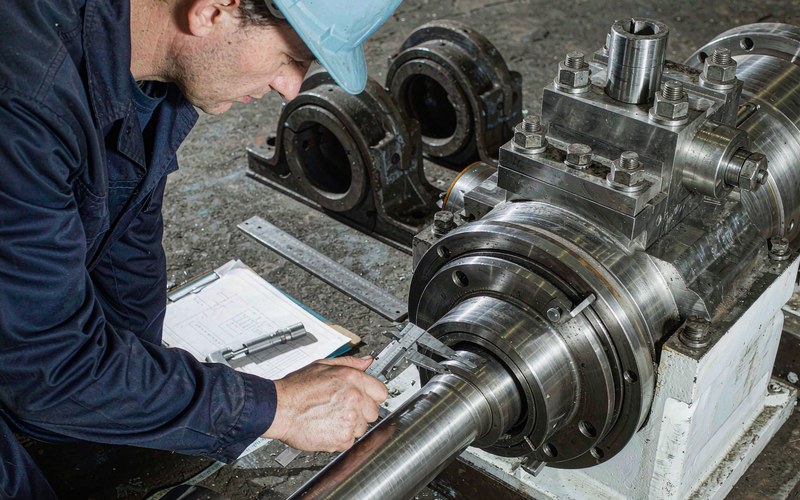
- Existing pulley OD, face width, shaft diameter, keyway, bearing centers and hub type
- Material type, lump size, burden depth on the belt
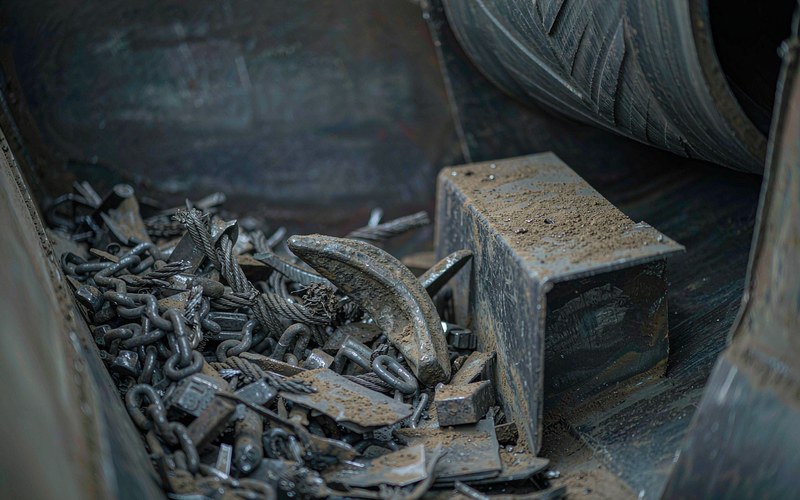
- Expected tramp metal types, sizes and estimated frequency
- Environment: temperature, moisture, dust
- Drive details: motor power, gearbox coupling type
What a serious manufacturer provides in return: a gauss map certificate measured on the finished shell, dynamic balancing report, material certificates for shell and shafts, and lagging hardness data. Ask directly whether they machine shafts to match your existing pillow blocks, whether OEM part-number equivalents are available, what the MOQ and lead time are for custom diameters, and whether they supply magnetic separation spares such as replacement shells and lagging for future refurbishment. HUATAO manufactures magnetic rollers and pulleys in custom diameters with ferrite and rare-earth circuits, machined shafts, and both rubber and ceramic lagging options for mining conveyors.
FAQ
Q: Will a magnetic head pulley really fit my existing conveyor without changing the frame?
A: Usually yes. Suppliers build to your old pulley’s diameter, face width, shaft diameter, keyway and bearing centers, so the swap uses the same pillow blocks and drive. The realistic exceptions are structure clearance for the under-pulley collection chute and splitter plate adjustment — both minor. Send drawings or measurements before ordering and ask the supplier to confirm fit in writing.
Q: How much does a self-cleaning magnetic pulley cost compared with an overband separator?
A: A pulley magnet typically costs less upfront than a comparable self-cleaning overband and has no magnet power cost at all, since the field is permanent. Exact pricing depends on diameter, width, circuit type (ferrite vs rare earth) and lagging. When comparing quotes, include the avoided costs of cleaner relocation and commissioning time, not just the equipment price.
Q: Does the pulley need electricity or controls?
A: No. Permanent magnets generate the field, so there is no wiring, no control panel, no coil burnout risk, and separation continues even during a plant power outage. The only electricity involved is the drive motor that was already turning your conveyor. This is a genuine advantage in remote or dusty installations where every additional powered device adds maintenance.
Q: What belt speed is too fast for a magnetic head pulley?
A: Above roughly 3–3.5 m/s, capture efficiency drops because material spends less time in the field and iron can carry past the capture arc. Below that speed, most pulley designs capture large tramp iron reliably from a single-layer burden. If your belt runs faster, discuss a larger diameter pulley — it lengthens the magnetic arc — or an overband solution with your supplier.
Q: Can it remove stainless steel or manganese steel fragments?
A: No. Austenitic stainless steel and Hadfield manganese steel (common in worn crusher jaw plates) are effectively non-magnetic and will pass straight through. The same applies to aluminum and most non-ferrous metals. If those materials are a real contamination risk, you need metal detectors or eddy-current equipment, not a magnetic pulley.
Q: Ferrite or rare earth — which circuit should I choose?
A: Choose ferrite for large, strongly magnetic tramp metal — bolts, teeth, rebar — in mining and aggregate duty; it is cheaper and has a deeper field throw. Choose rare earth (NdFeB) when the target is fine or weakly magnetic particles, such as magnetic fines in glass sand or mineral sands duty. Rare earth costs more but captures what ferrite physically cannot.
Q: How long does a magnetic pulley last?
A: The permanent magnet circuit typically retains more than 98% of its field strength over decades if kept below its temperature rating (about 80 °C for standard grades). The wearing items are the shell, lagging and bearings — the same components that wear on any conveyor pulley. Expect lagging refurbishment on abrasive ore every few years, in line with your other pulleys.
Q: How long does installation take?
A: For a like-for-like diameter swap on an accessible head station, crews typically complete removal, fitting, tracking and splitter adjustment within one shift. Add time if the structure needs a collection chute bracket or if belt length must change. Plan a painted-test-piece commissioning run: mark test iron, feed it, and verify it lands behind the splitter before releasing product.
Q: Do I still need a suspended magnet if I install a magnetic head pulley?
A: If your burden is thin at the discharge and your tramp load is modest, the pulley alone is often sufficient. On deep-burden, high-tonnage lines, the pulley only protects what reaches it in the top layer; an overband ahead of the head removes bulk metal earlier. Many plants run both — overband for bulk recovery, pulley for final polish — especially where crusher protection is critical.
Q: Can HUATAO manufacture to my drawings and support OEM replacement?
A: Yes. HUATAO produces magnetic rollers and pulleys in custom diameters from small quarry units up to large mining conveyors, with ferrite or rare-earth circuits, machined shafts matched to your bearings, and rubber or ceramic lagging. Provide belt width, speed, shaft details and material data for a sizing recommendation, material reports, and OEM part-number compatibility for replacement programs.
Conclusion
So — can a self-cleaning magnetic separator replace your existing head pulley without modification? Mechanically, in most cases yes, provided diameter, face width, shaft geometry and bearing centers are specified from real measurements. Functionally, plan for splitter plate adjustment, cleaner relocation and a commissioning test run — small, predictable tasks, not a rebuild. Match the magnet circuit to your particle size, respect the burden depth and belt speed limits, and the conveyor itself becomes your last line of defense for everything downstream: liners, belts, screens and crushers. In a market where a destroyed mantle costs more than the magnet ever will, that is straightforward insurance.
Related Articles & Products
Related Products
- Magnetic Drum for Continuous Iron Separation
- Iron Magnet for Mining Conveyor Protection
- Conveyor Belt Tracker for Belt Alignment
- Conveyor Guide Trough
- Polyurethane Conveyor Belt Cleaner Blades
Related Guides
- Which Manufacturer Offers High-Quality Polyurethane Tufflex Wire Screens for Mining?
- Hydrocyclone Wear: Root Causes, High-Wear Zones & Material Solutions
Contact Us
Contact: Annie Lu
Email: annie.lu@huataogroup.com
Phone / WhatsApp: +86 180 3242 2676
Website: http://www.tufflexscreen.com
We warmly welcome customers from around the world to contact us and establish mutually beneficial partnerships.
admin
personal profile
No prev page
Previous Post