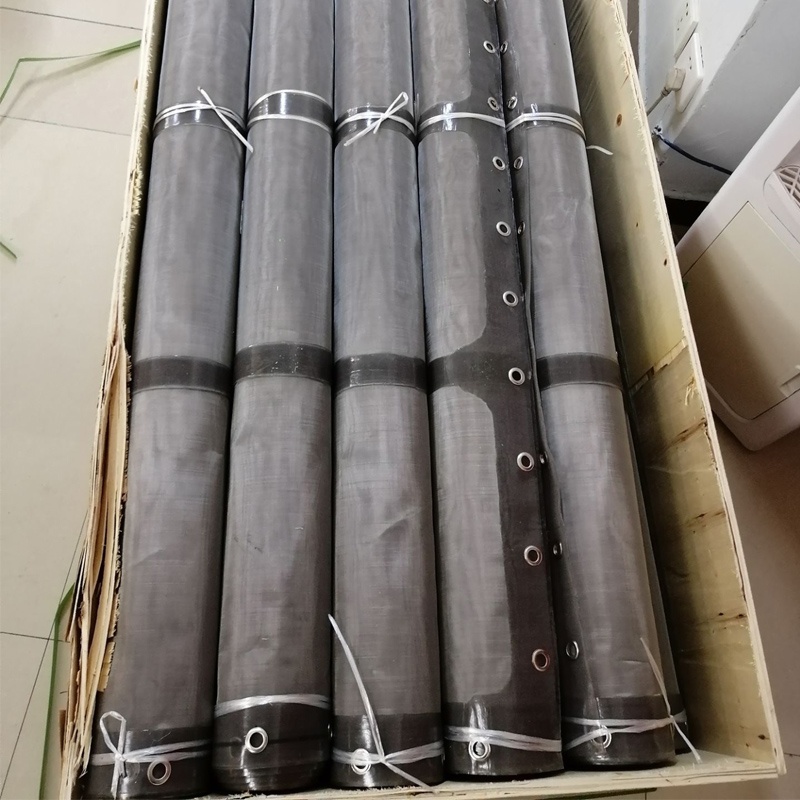
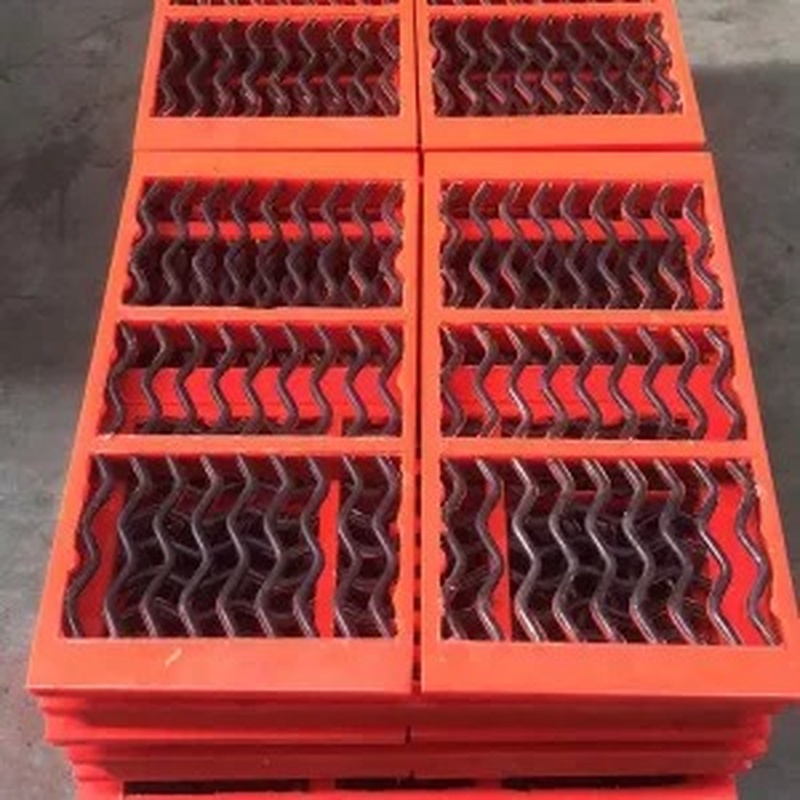
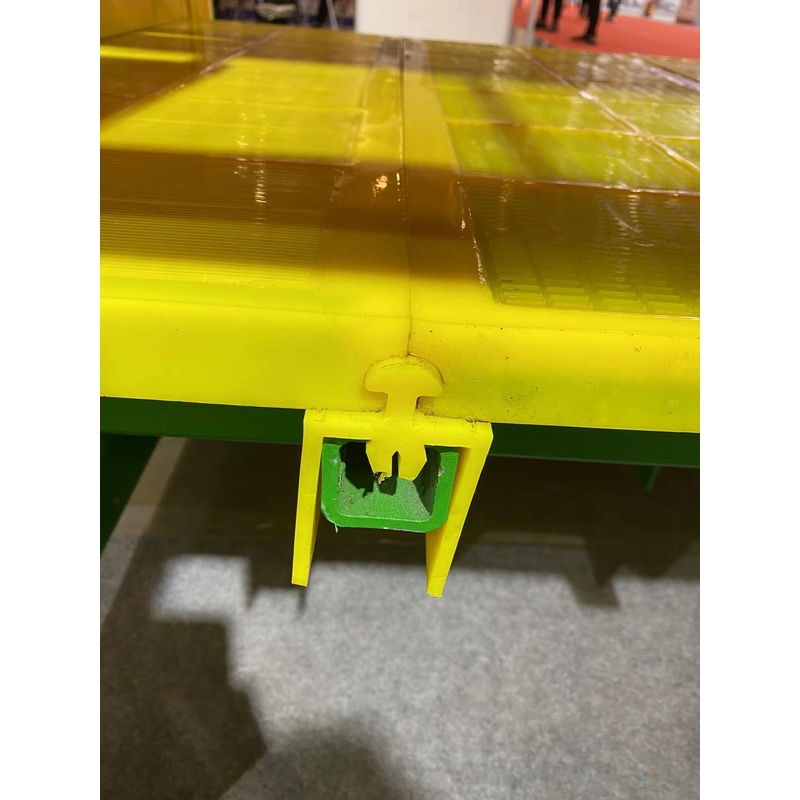
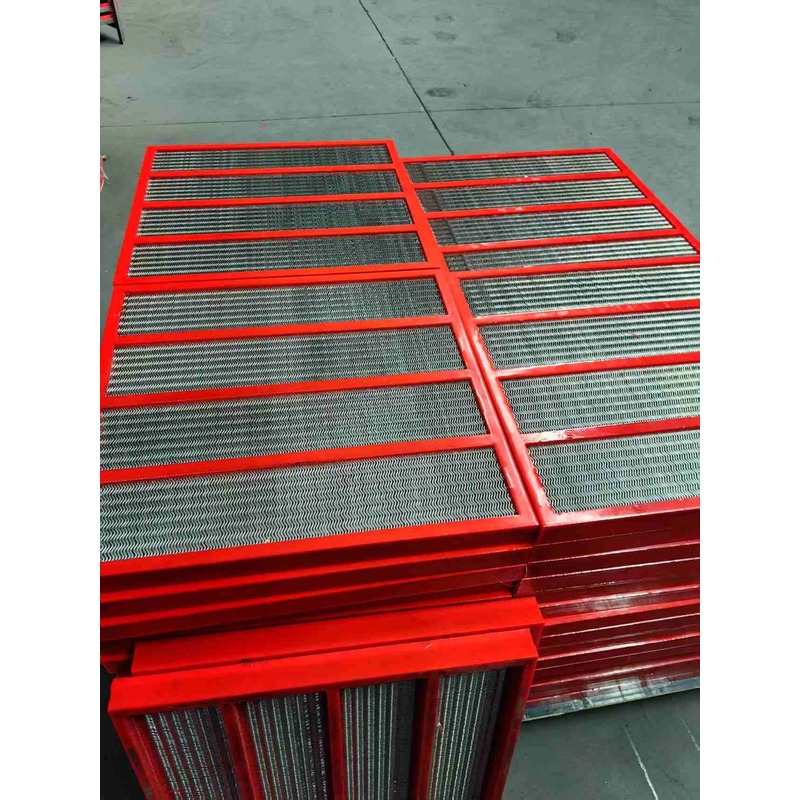
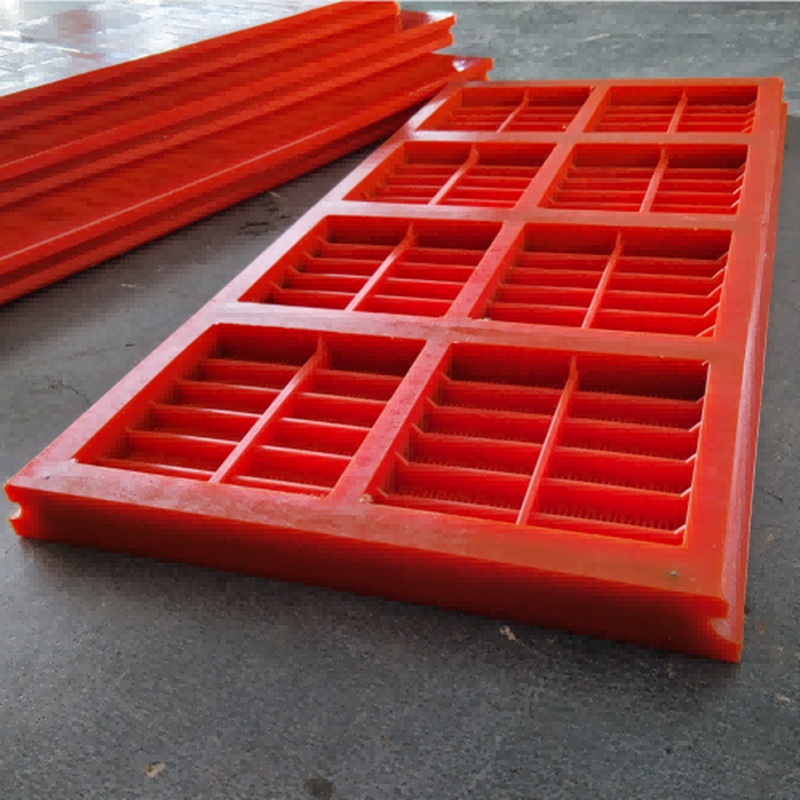
Silica sand mining operations are constantly challenged by the severe abrasiveness of quartz sand, which has a Mohs hardness of 7. This results in frequent screen replacements—often every two weeks with traditional rubber screens. Such frequent changes not only incur high material costs but also lead to significant production downtime.
In mineral processing operations, internal equipment wear significantly impacts production stability and maintenance costs. Mining rubber liners are increasingly adopted as an effective solution to protect mills and material handling systems operating under abrasive and high-impact conditions.
In the mineral processing and aggregate sectors, the initial screening phase stands as the “frontline defense” of the entire operation. This is where unprocessed run-of-mine material—complete with large, uncrushed rocks and ore—first enters the processing loop.
In mining and aggregate processing, procurement teams often fixate on one number: the initial price of screen panels. But this short-sighted focus is a silent profit killer—it ignores the biggest cost drain in your operation: the never-ending cycle of replacing worn-out screens.
Vibrators serve as the fundamental power source for vibrating screens, generating precise excitation forces that drive material movement for efficient screening, grading, and conveying. Understanding their operation and maintenance is crucial for maximizing performance and equipment longevity.