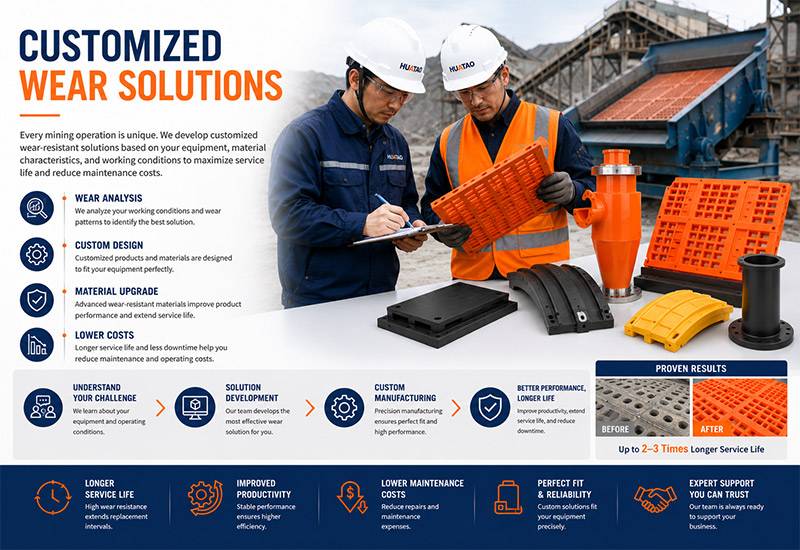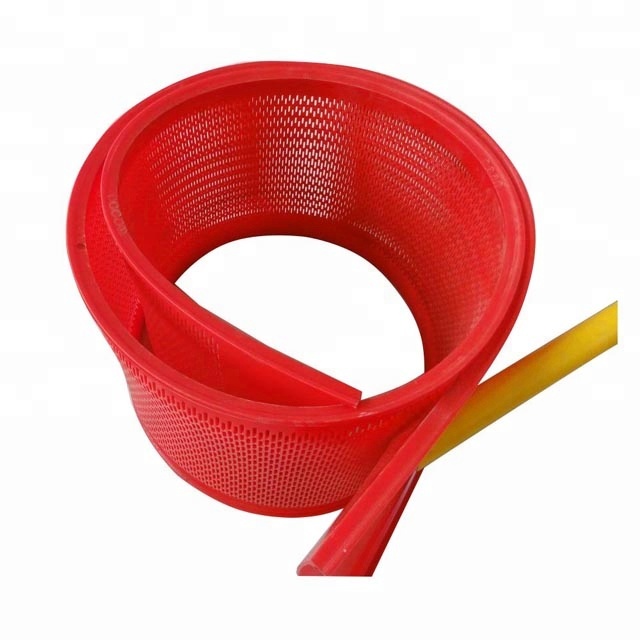
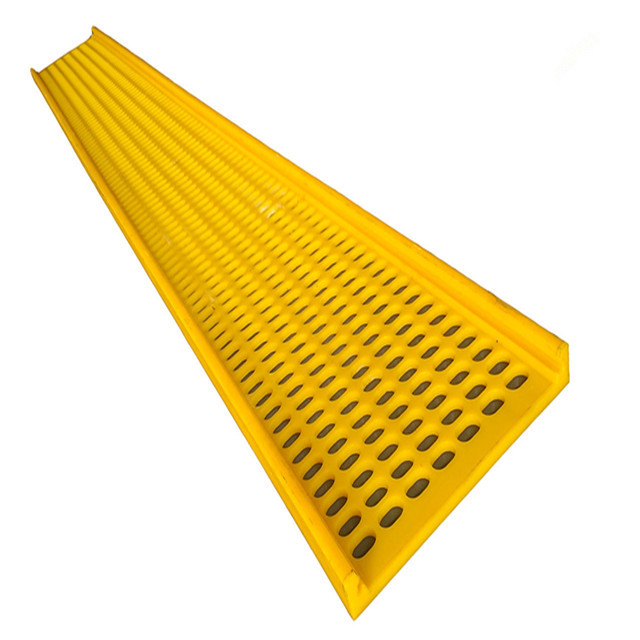
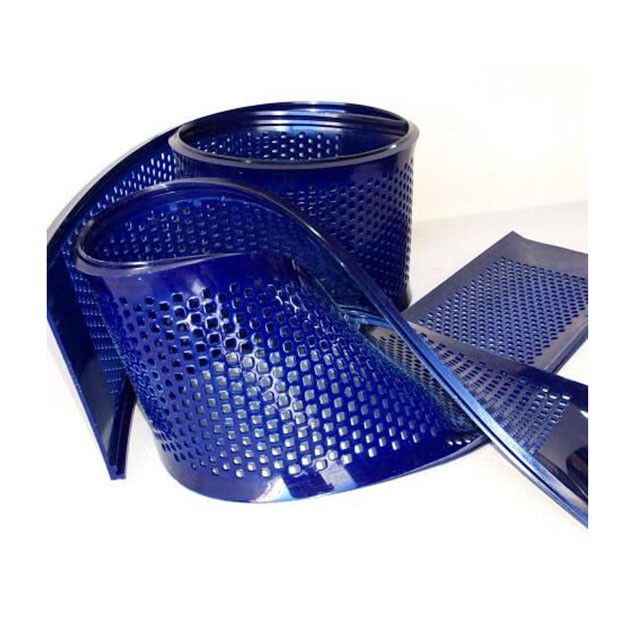
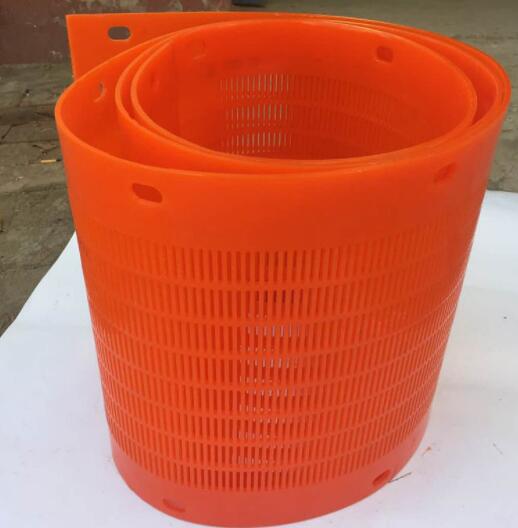
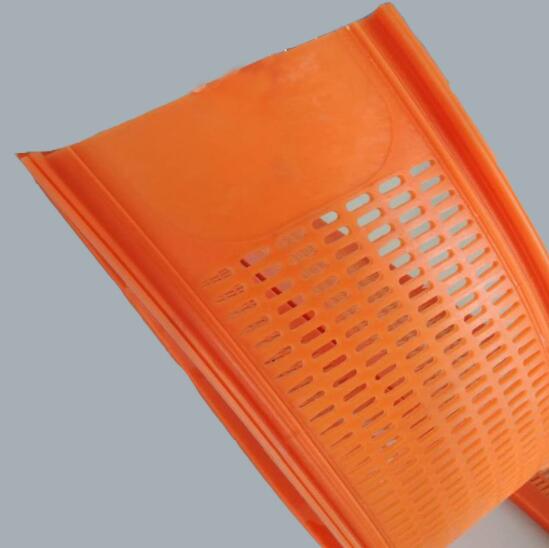
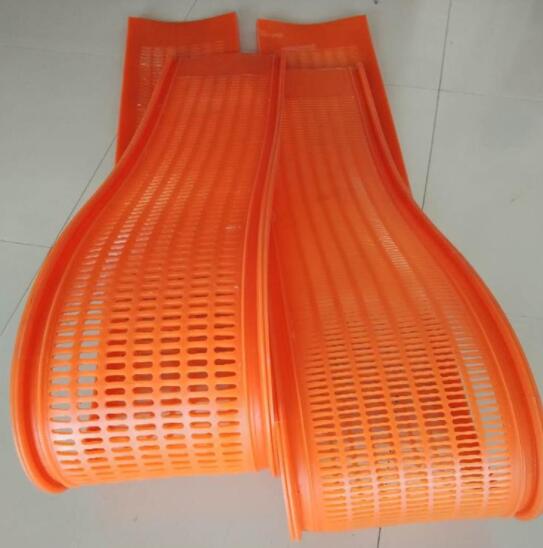
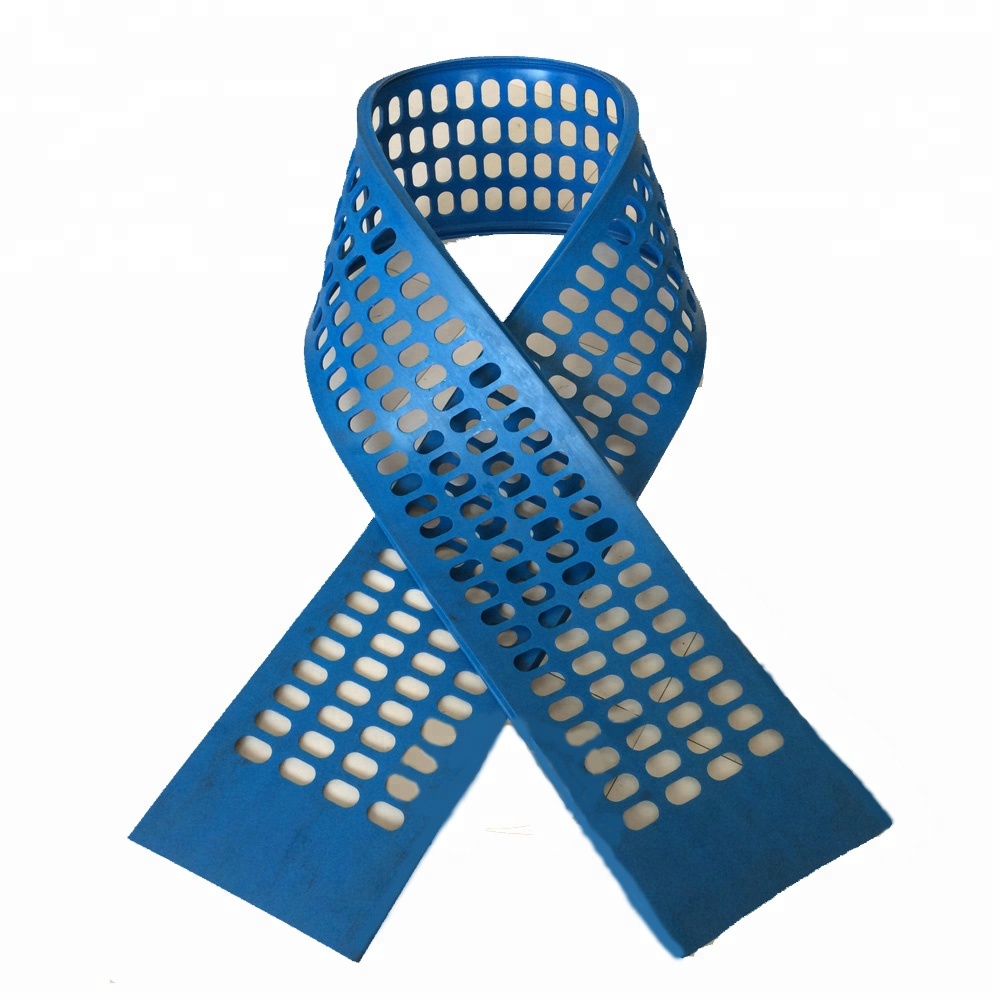
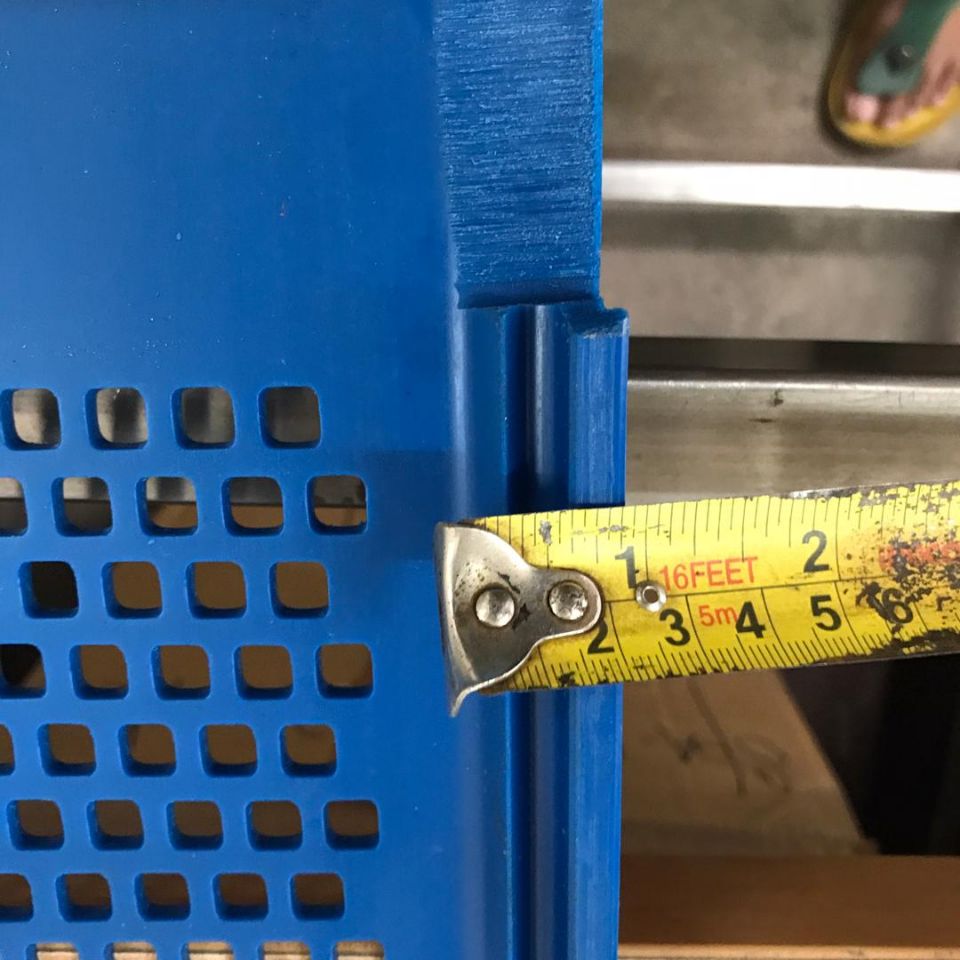
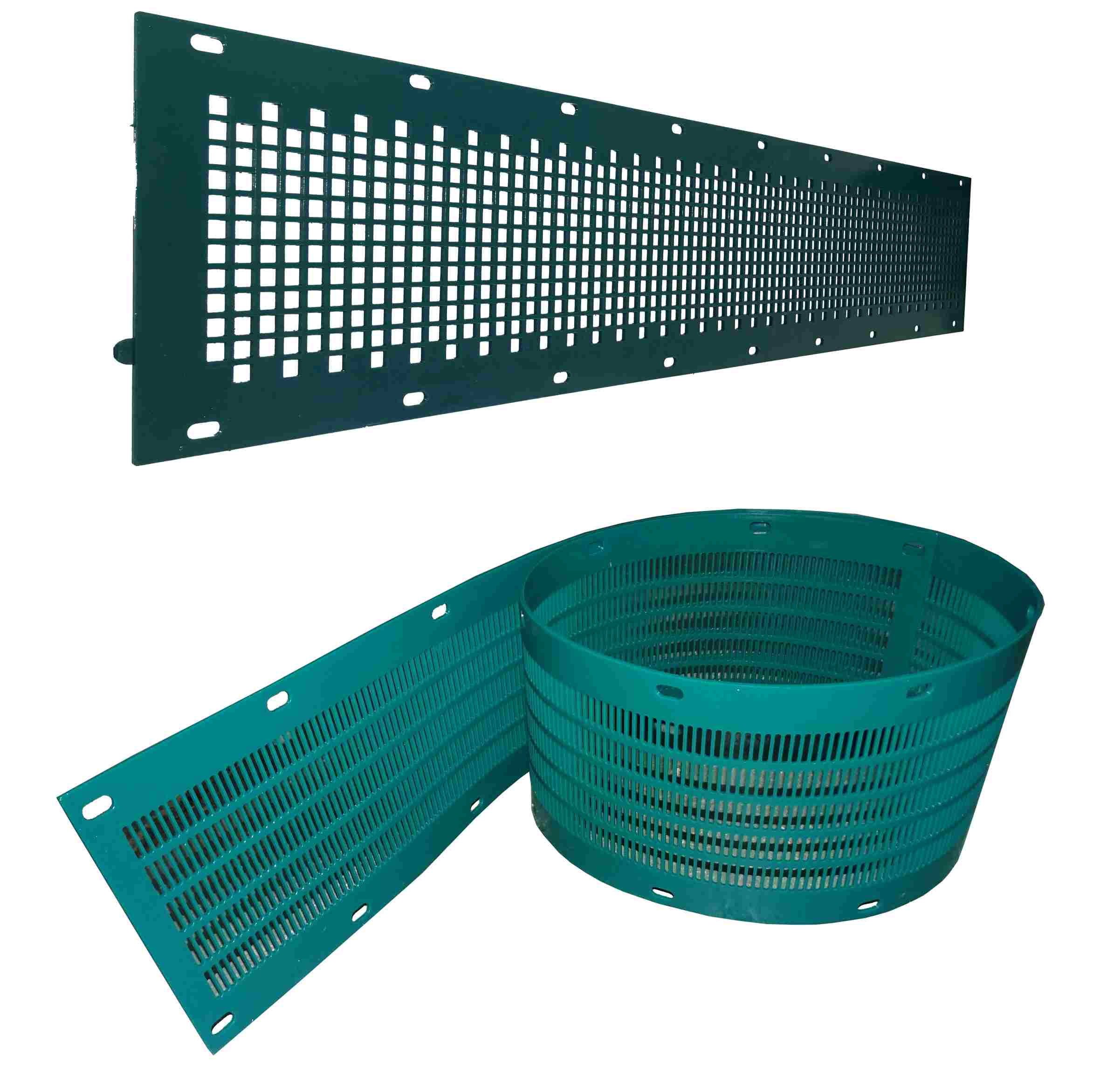
Polyurethane Flip-Flow Screen Mats for Waste & Recycling
- 01 1.Anti-blinding screening for wet, sticky and fibrous recycling materials.
- 02 2.Ideal for MSW, C&D waste, RDF, compost and biomass processing.
- 03 3.Dynamic PU mats help maintain open area and stable throughput.
- 04 4.Custom replacement mats for major Flip-Flow screening systems.
- 05 5.High wear, tear and flex-fatigue resistance for continuous operation.
-
Polyurethane Flip-Flow Screen Mats for Waste & Recycling Description
Polyurethane Flip-Flow Screen Mats for Waste & Recycling
Anti-Blinding Flexible PU Screening Media for MSW, C&D Waste, Compost & RDF
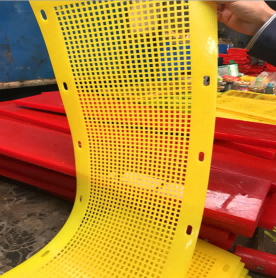
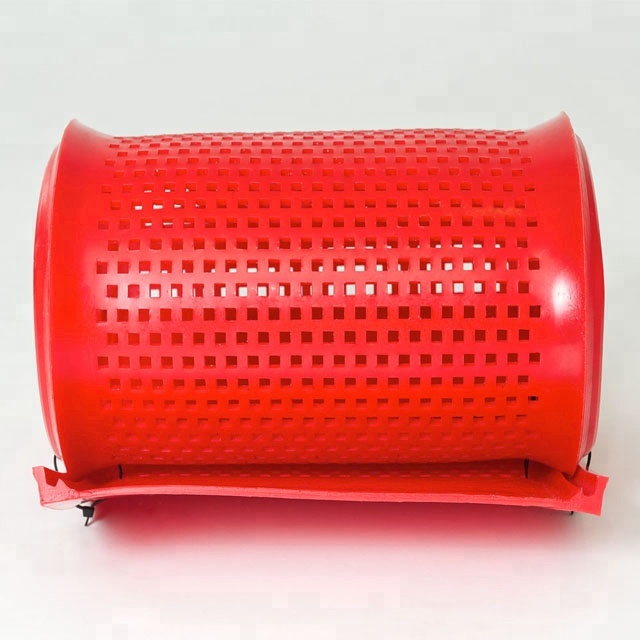
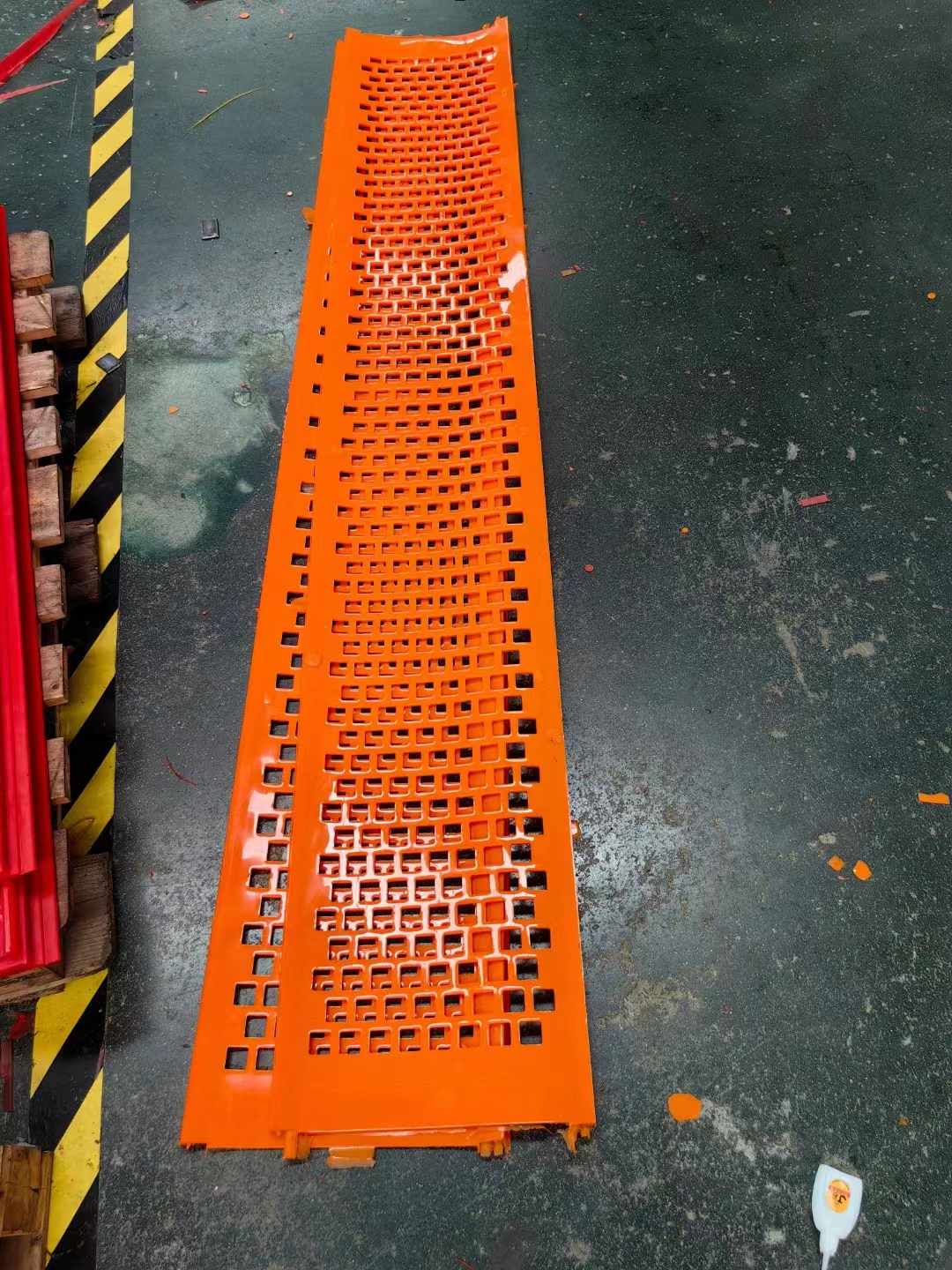
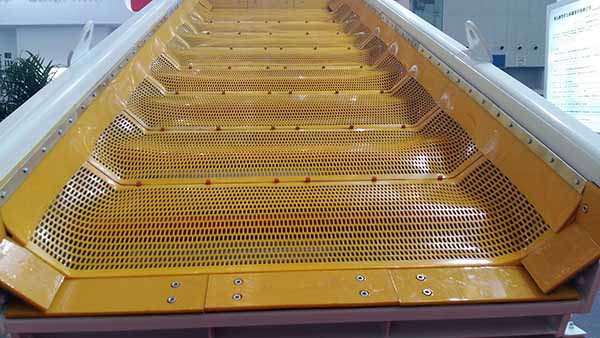
Polyurethane Flip-Flow Screen Mats, also known as Flip-Flop Screen Panels, are high-flexibility screening media developed for difficult waste and recycling materials that frequently cause blinding, pegging and material build-up on conventional vibrating screens.
Recycling feed is rarely uniform. Municipal solid waste, shredded plastics, compost, biomass, demolition waste and RDF can contain a difficult mixture of wet fines, sticky organic matter, lightweight films, fibers, soil, wood, glass, metals and irregular particles. When these materials accumulate around conventional apertures, the effective open area decreases rapidly, resulting in lower throughput, inaccurate separation and frequent manual cleaning.
Our flexible polyurethane Flip-Flow screen mats for recycling plants use repeated stretching and relaxation of the screening surface to create a highly dynamic screening action. This continuous flexing helps release particles from the apertures, keeps the screening surface active and provides reliable size separation even when processing moist, sticky or difficult-to-screen waste.
They are suitable for new recycling screening systems as well as customized aftermarket replacement applications.

Designed for Difficult Waste Screening
Waste recycling presents very different screening challenges from conventional stone or mineral classification.
Feed composition can change continuously according to season, moisture level and upstream shredding conditions. Fine soil and organic matter may stick together, while plastic film, textile fibers and elongated particles can interfere with the screening surface.
Flexible Flip-Flow screening media are particularly suitable for these variable conditions because the screen mat itself participates in the screening movement.
Instead of relying only on the vibration of the machine, the polyurethane mat repeatedly stretches, relaxes and rebounds during operation. This dynamic movement produces an effective self-cleaning action that helps minimize aperture blockage and maintains screening capacity.
Typical Recycling Applications
Municipal Solid Waste – MSW
Flip-Flow Screen Mats for Municipal Solid Waste can be used for size classification before subsequent sorting, recovery or disposal processes.
Typical materials include:
- Mixed household waste
- Organic-rich municipal waste
- Plastic and packaging waste
- Fine soil and dirt fractions
- Shredded mixed waste
The anti-blinding screening action is particularly useful when the feed contains both moisture and lightweight flexible materials.
Construction & Demolition Waste – C&D Waste
C&D recycling streams often contain concrete fines, soil, brick, wood, plastics and other irregular materials.
Our C&D Waste Flip-Flop Screen Panels provide a flexible screening surface for separating fines and controlling particle size before downstream crushing, air separation or sensor sorting.
High-wear polyurethane construction also provides excellent abrasion resistance when processing mixed construction debris.
RDF & SRF Processing
Accurate particle size control is important in Refuse Derived Fuel (RDF) and Solid Recovered Fuel (SRF) production.
Flip-Flow screen mats can help remove unwanted fines and classify shredded waste into controlled fractions before further separation or fuel preparation.
The dynamic screening surface is especially suitable for mixtures containing plastic film, paper, textiles, fibers and moist organic material.
Compost & Organic Waste
Compost, green waste and organic material can become extremely difficult to screen when moisture content increases.
Flexible Flip-Flow screen mats for compost screening help reduce blinding caused by wet organic fines and fibrous particles.
Applications include:
- Compost screening
- Green waste processing
- Organic waste recycling
- Biomass classification
- Wood chip screening
Waste Incineration & Bottom Ash
Polyurethane Flip-Flow screening media can also be customized for size classification of incineration residues and bottom ash, supporting downstream recovery of valuable ferrous and non-ferrous materials.
Plastic, Glass & Metal Recycling
Other applications include:
- Shredded plastic recycling
- Glass cullet screening
- Metal scrap processing
- Shredder residue classification
- Electronic waste processing
- Mixed recyclable material separation
Why Flip-Flow Screening Works Better for Sticky Waste
Conventional rigid screening media can lose effective open area when moist fines and sticky particles lodge inside or cover the apertures.
A Flip-Flow screen uses a highly elastic polyurethane mat that is continuously tensioned and relaxed during machine operation.
This trampoline-like action creates strong material acceleration and repeated deformation around each aperture.
As a result, the screening surface continuously works against:
Blinding – sticky fines covering the apertures.
Pegging – near-size particles becoming trapped inside openings.
Material Build-Up – wet or fibrous waste accumulating on the screening surface.
The result is a cleaner screening deck, more stable throughput and less manual intervention under difficult recycling conditions.
Key Advantages for Recycling Plants
Excellent Anti-Blinding Performance
Dynamic flexing helps keep apertures open when processing wet, sticky and fibrous waste.
Higher Effective Screening Area
Reduced blockage allows more of the designed open area to remain available during operation.
Stable Throughput
Helps recycling plants maintain more consistent production when feed moisture and composition fluctuate.
High Elasticity & Fatigue Resistance
Special polyurethane compounds are selected to withstand continuous stretching, bending and impact.
Excellent Wear Resistance
Suitable for abrasive recycling streams containing glass, stone, concrete, metal fragments and other hard particles.
Reduced Cleaning Downtime
Self-cleaning screening action can reduce the frequency of manual deck cleaning and screen maintenance.
Customized Replacement Design
Screen mats can be manufactured according to existing dimensions, drawings, samples and installation systems.
OEM & Aftermarket Replacement Screen Mats
We manufacture customized replacement Flip-Flow screen mats for different types of recycling screening machines.
Replacement designs can be developed for machines using systems similar to:
- Binder+Co BIVITEC type screens
- IFE Flip-Flop screening systems
- Spaleck Flip-Flow screens
- Hein Lehmann / Liwell type screens
- Joest screening systems
- Other Flip-Flow / Flip-Flop recycling screens
Dimensions, aperture arrangement, thickness, hardness and fixing details can be reproduced according to the customer’s existing screen mat or technical drawing.
Fixing & Installation Options
Different recycling screens use different screen mat attachment systems. Available configurations include:
- Bolted Flip-Flow Screen Mats
- Screw-Fixing PU Screen Mats
- Pin-Clamping Screen Mats
- Wedge-Clamping Screen Mats
- Hooked / Hook-Strip Screen Mats
- Cross-Tensioned Flexible Mats
- Customized OEM Fixing Profiles
For replacement projects, customers are recommended to provide photographs of both the top and underside of the existing mat, especially the fixing edges.
Technical Specifications
| Item | Available Specification |
|---|---|
| Product | Flip-Flow / Flip-Flop Screen Mat |
| Material | High-Resilience Polyurethane |
| Application | Waste & Recycling Screening |
| Hardness | Approx. 80–95 Shore A |
| Mat Thickness | Approx. 4–12 mm or Customized |
| Aperture | Customized to Separation Requirement |
| Hole Shape | Square / Round / Slot / Special Shape |
| Open Area | Customized |
| Fixing | Bolted / Clamped / Hooked / Customized |
| Screening | Dry / Moist / Difficult Material |
| Dimensions | Made to Drawing or Existing Sample |
| Color | Yellow / Red / Customized |
| OEM Replacement | Available |
Final specifications should be selected according to material composition, moisture, feed size, cut size, machine design and operating parameters.
Aperture Selection for Recycling Applications
Aperture design should not be selected based only on the required cut size.
For waste recycling applications, our engineers consider:
Square Apertures – suitable when accurate particle-size classification is the priority.
Long Slot Apertures – provide increased open area and can improve throughput in selected fine-screening applications.
Round Apertures – useful for certain controlled classification requirements.
Special Apertures – customized opening geometries can be developed according to difficult waste characteristics and existing OEM screen designs.
Correct aperture geometry, polyurethane thickness and mat flexibility should be considered together to achieve the best balance between screening efficiency, open area and service life.
Information Required for RFQ
For an accurate quotation and replacement recommendation, please provide:
- Screening machine manufacturer and model.
- Existing Flip-Flow mat dimensions: L × W × thickness.
- Required aperture size and shape.
- Existing fixing / clamping system.
- Waste material being processed.
- Feed particle size.
- Required separation / cut size.
- Approximate moisture content.
- Processing capacity in t/h.
- Quantity of screen mats required.
For replacement screen mats, please also send photos, technical drawings, OEM part numbers or one existing sample whenever available.
With detailed operating information, we can optimize the polyurethane compound, mat thickness, aperture layout and fixing structure for your specific recycling application.
Customized Flip-Flow Screen Mats for Your Recycling Plant
Whether you are screening municipal solid waste, C&D waste, RDF/SRF, compost, biomass, shredded plastics, glass, metal scrap or incineration residues, the correct screening media can have a major influence on plant availability and separation efficiency.
Our polyurethane Flip-Flow screen mats are engineered for demanding recycling environments where conventional screen media struggle with moisture, sticky fines and difficult particle shapes.
From individual replacement mats to complete screen-deck requirements, customized solutions can be manufactured according to your machine and operating conditions.
Products
PP Filter Press Cloth
Rubber Filter Belt for Horizontal Vacuum Belt Filters

Ceramic Lagged Drive Pulley
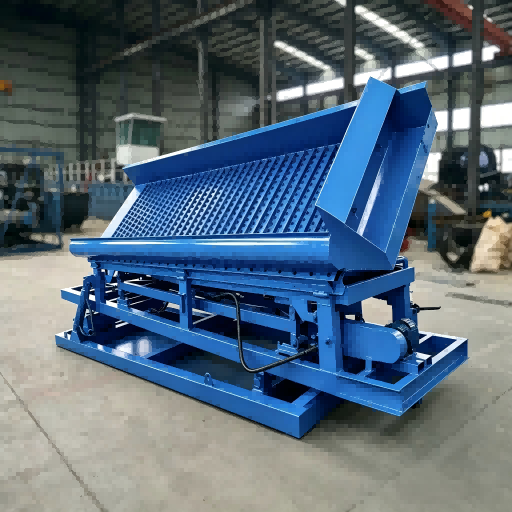
Vibrating Sluice Box
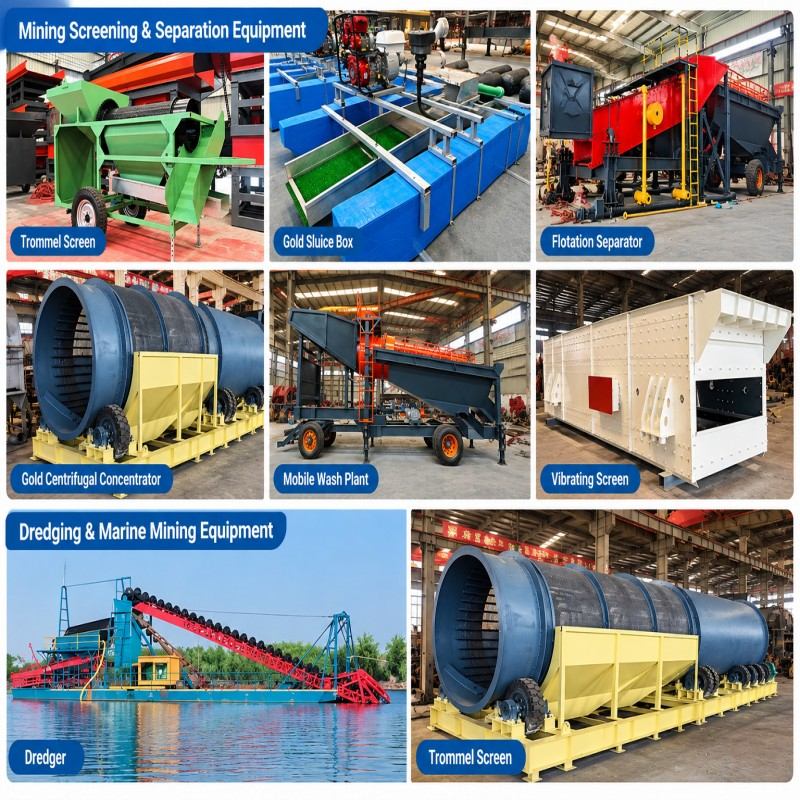
Compact Alluvial Gold Equipment
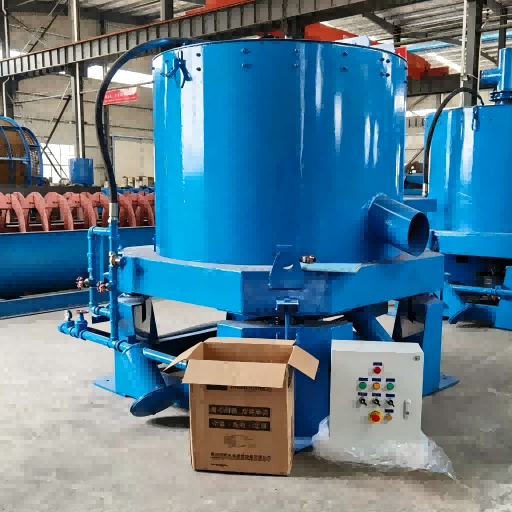
Centrifugal Gold Concentrator
Recent news
See Latest Service