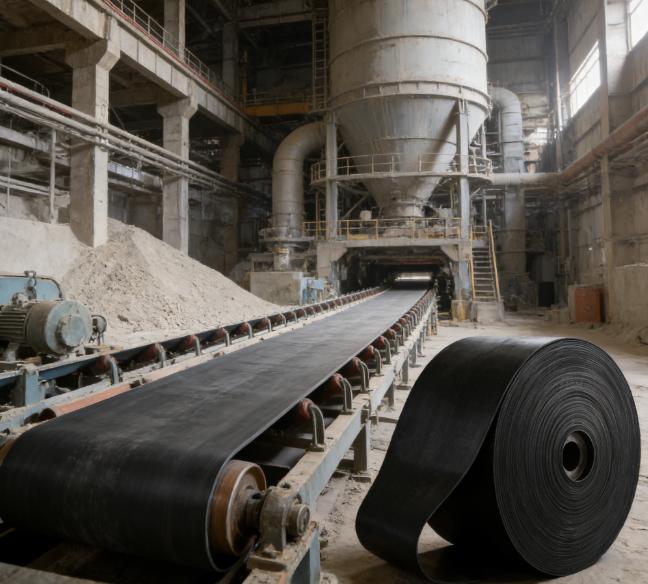
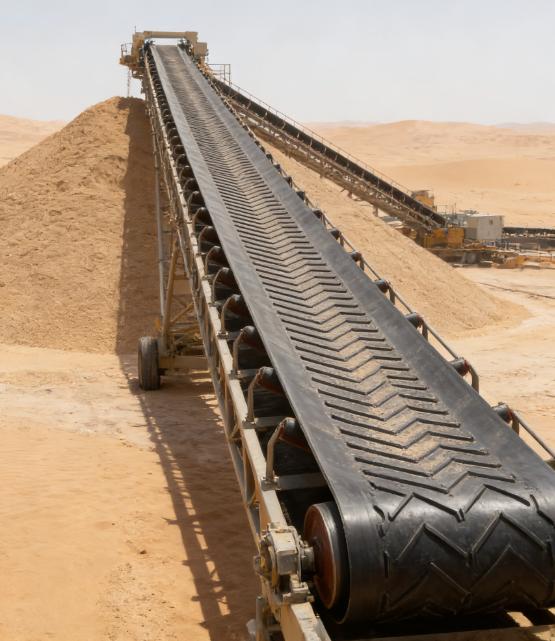
Industrial Mining Conveyor Belt
- 01 1.Application-Based Selection — Belt specifications matched to actual operating conditions.
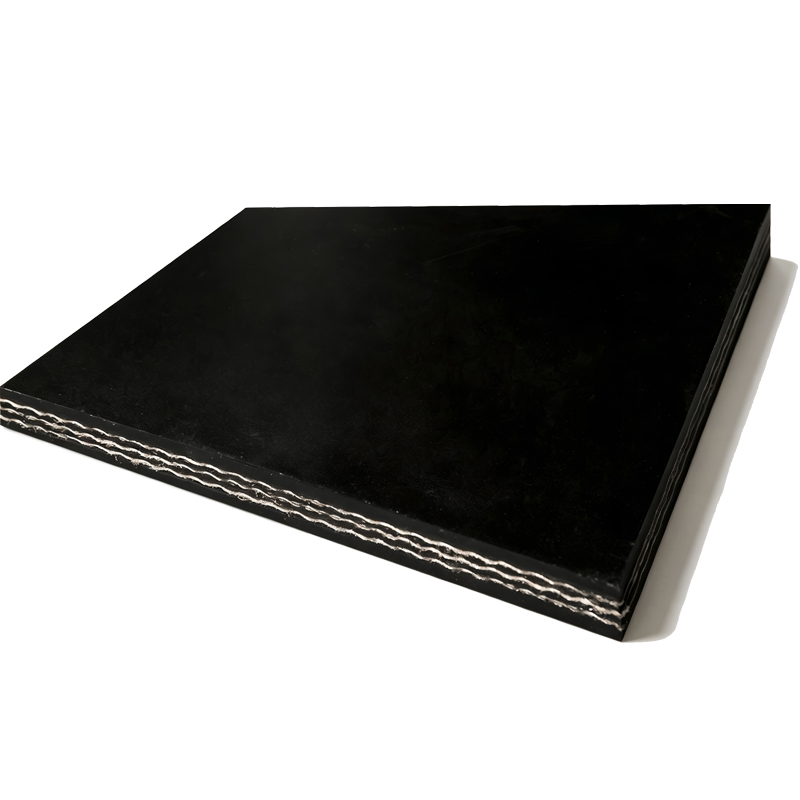
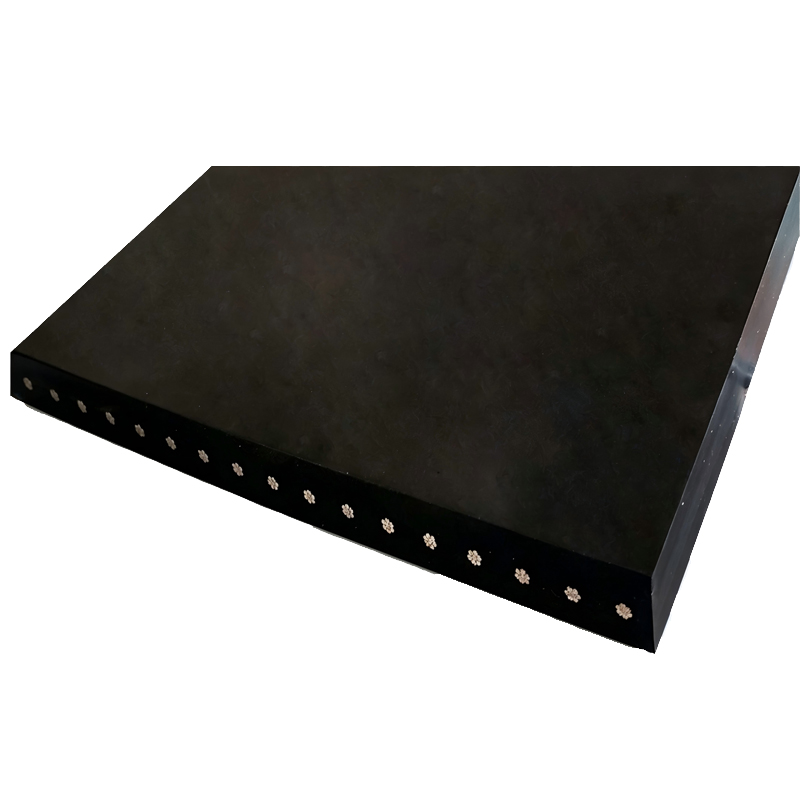
- 02 2.EP & Steel Cord Carcass — Multiple reinforcement structures for different loads.
- 03 3.Special Rubber Compounds — Options for abrasion, heat, fire and severe impact.
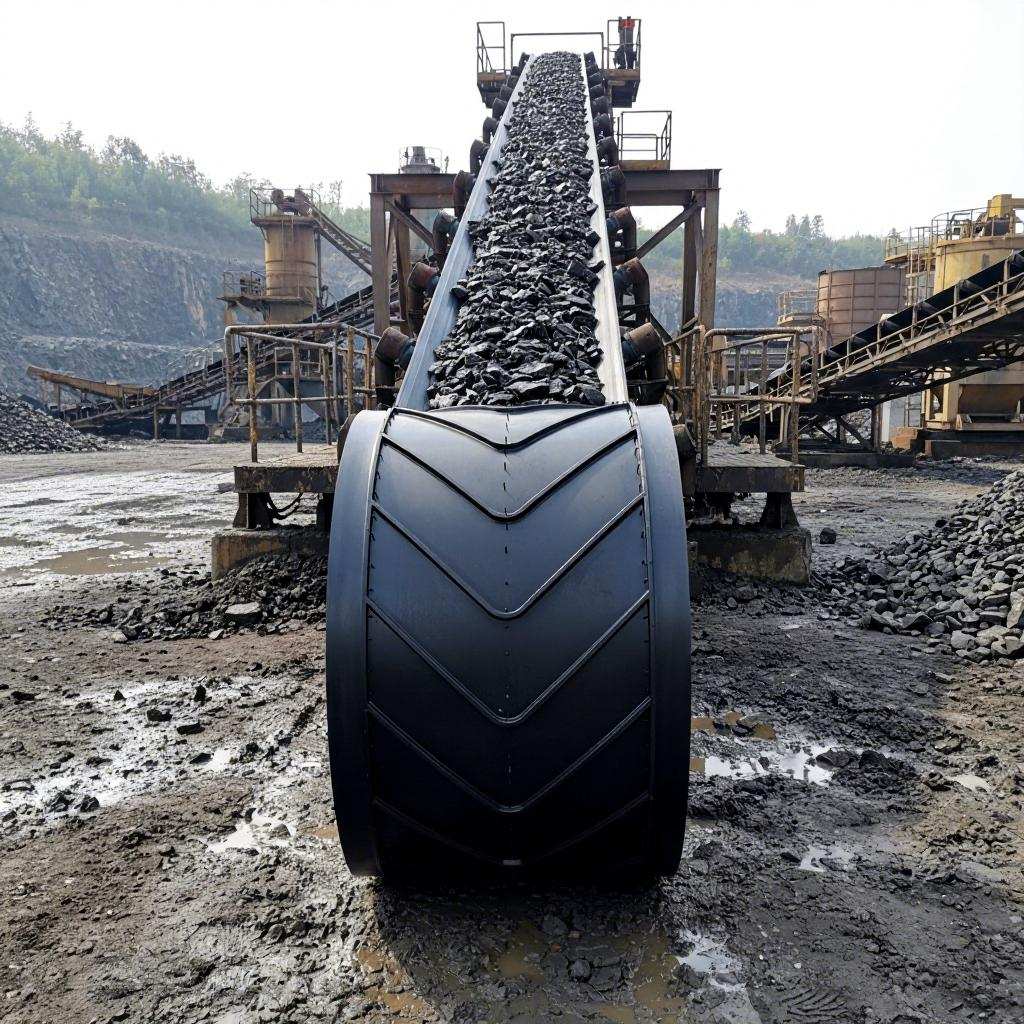
- 04 4.Special Belt Structures — Chevron, sidewall, pipe and rip-stop designs available.
- 05 5. Replacement Support — Existing belt markings and drawings can be used for selection.
-
Industrial Mining Conveyor Belt Description
Industrial Mining Conveyor Belting for Customized Material Handling
Select the Right Conveyor Belt for Your Operating Conditions
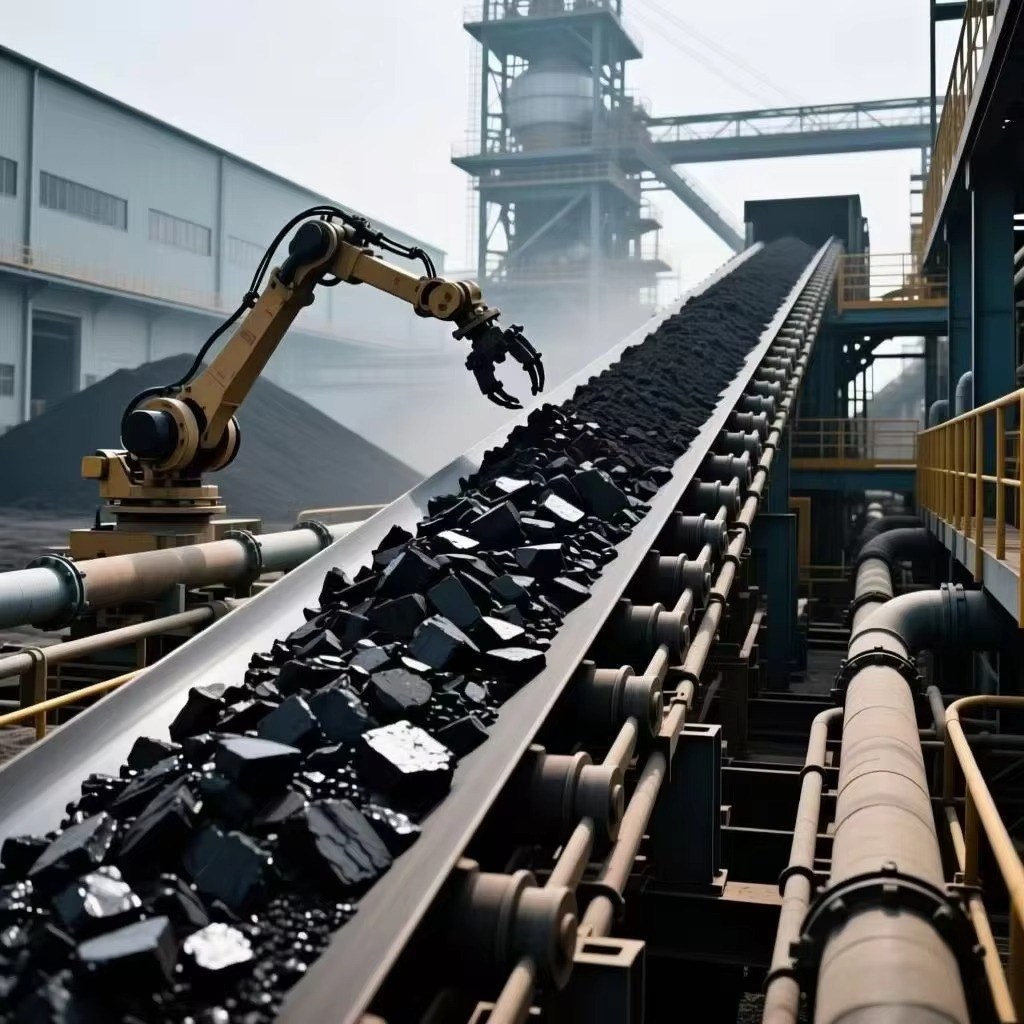
A conveyor belt is not selected by width alone. Material abrasiveness, lump size, conveyor length, capacity, belt tension, inclination, impact load, temperature and safety requirements all influence belt performance and service life.
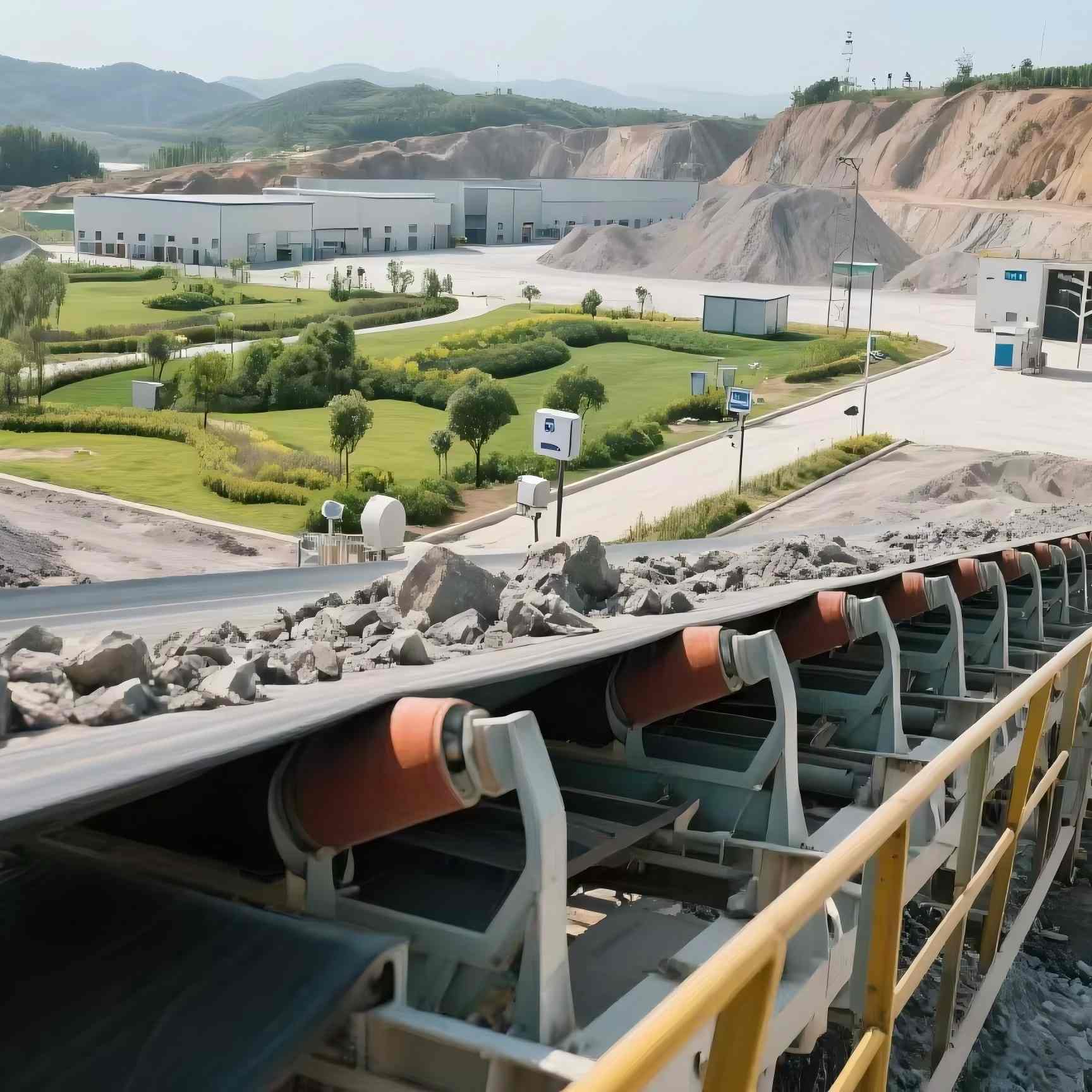
We supply customized Mining Conveyor Belts and Industrial Rubber Conveyor Belting for mines, quarries, cement plants, aggregate facilities and bulk material handling systems.
Our product range covers EP Fabric Conveyor Belts, NN Conveyor Belts, Steel Cord Conveyor Belts, Abrasion Resistant Conveyor Belts, Heat Resistant Belts, Flame Retardant Belts, Anti-Tear / Rip-Stop Belts, Chevron Belts, Corrugated Sidewall Belts and Pipe Conveyor Belts.
Whether replacing an existing belt or specifying belting for a new conveyor system, we can configure the carcass construction, tensile rating, rubber compound and cover thickness around the actual application.
Choose Conveyor Belting by Carcass Construction
EP Fabric Conveyor Belting
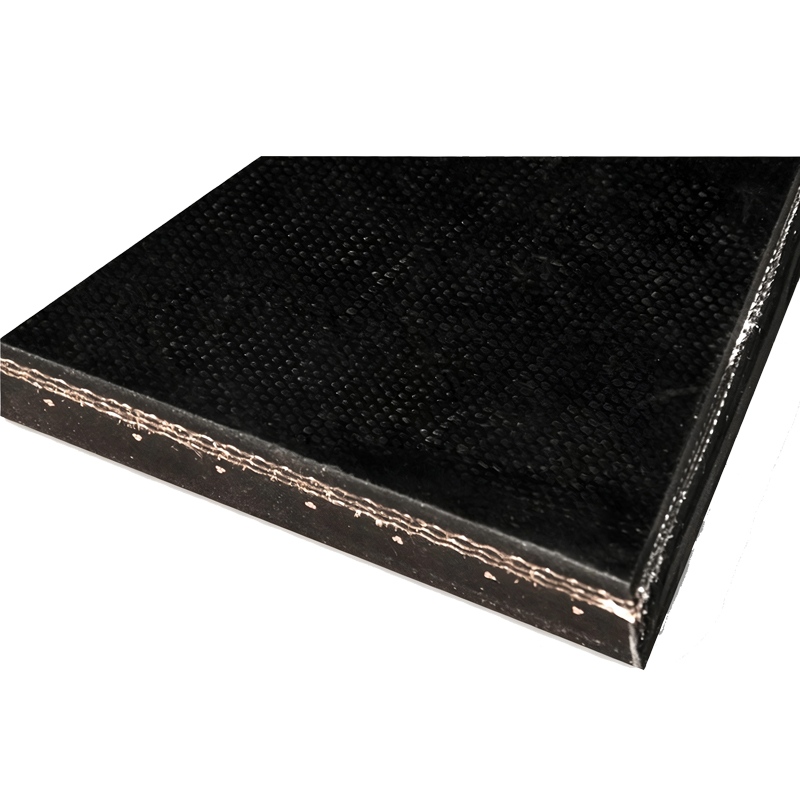
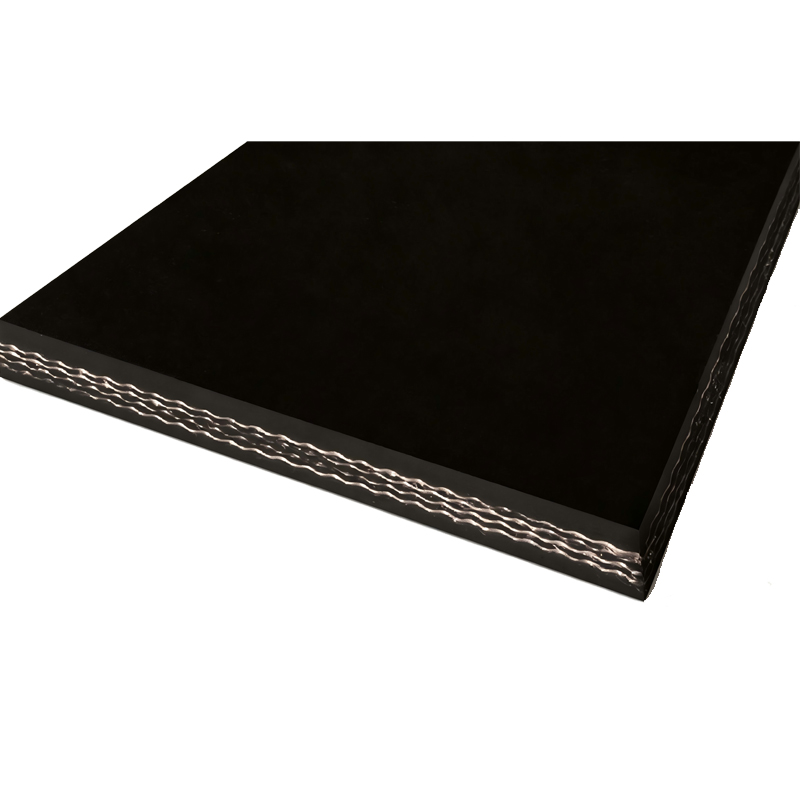
EP Fabric Conveyor Belts provide a practical balance between tensile strength, flexibility, impact resistance and operating cost.
The polyester warp provides dimensional stability, while the polyamide weft contributes flexibility and impact resistance.
Multiple carcass ratings and ply constructions are available, including EP100, EP125, EP150, EP200, EP250, EP300 and EP400.
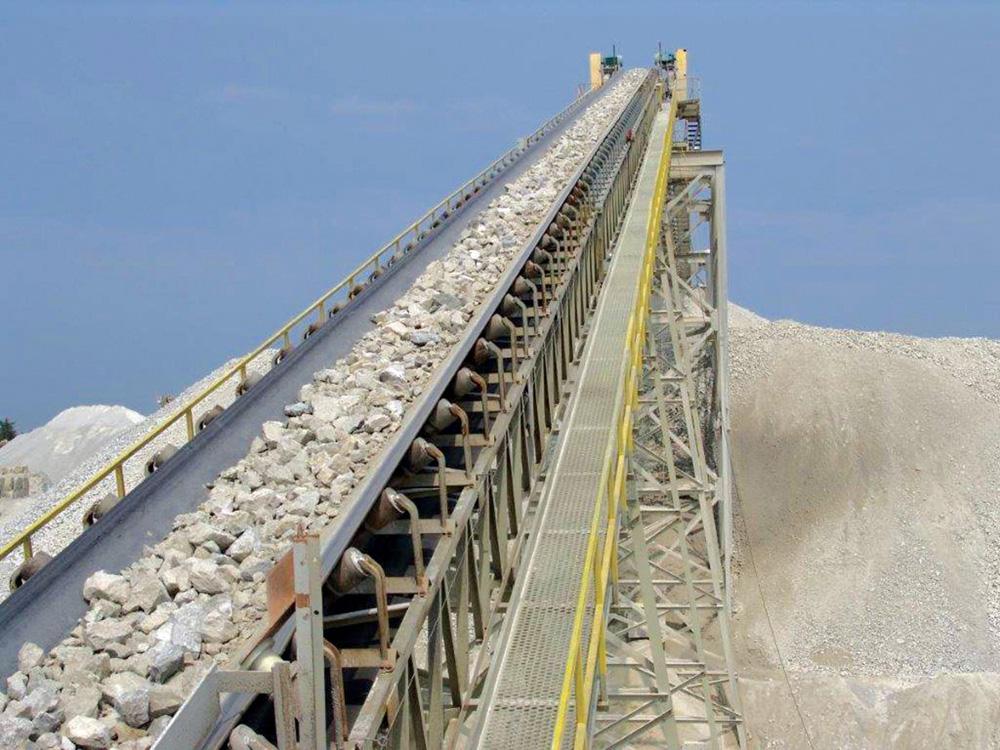
EP belting is widely selected for mining plants, quarries, aggregate conveyors, crushing stations and cement production lines.
NN Conveyor Belt
NN Conveyor Belts use nylon fabric reinforcement and offer good flexibility and impact resistance.
They can be considered for demanding industrial conveying applications according to required elongation, tension, load characteristics and existing conveyor design.
Steel Cord Conveyor Belting
Where conveyor distance, working tension and tonnage increase significantly, Steel Cord Conveyor Belts provide the required tensile strength with low elongation.
High-tensile steel cords run longitudinally through the rubber belt and transfer operating tension efficiently across long conveyor systems.
Typical applications include overland mining conveyors, large open-pit mines, high-capacity coal systems and major mineral processing operations.
Choose Conveyor Belting by Operating Condition
High Abrasion Applications
Hard minerals continuously wear the top rubber cover through friction, cutting and gouging.
For iron ore, granite, copper ore, limestone and crushed aggregates, an Abrasion Resistant Conveyor Belt can be specified with suitable rubber cover properties and thickness.
DIN-X, DIN-Y, DIN-W and other project-specific grades can be considered according to required abrasion performance.
Severe Impact & Sharp Material
Crusher discharge points and transfer chutes expose conveyor belts to high impact forces.
For large rocks and sharp-edged material, thicker covers and reinforced Rip-Stop / Anti-Tear Conveyor Belt structures can help reduce damage caused by puncture and longitudinal tearing.
High Temperature Applications
Standard rubber can deteriorate quickly when continuously exposed to hot materials.
Heat Resistant Conveyor Belts are available for cement clinker, coke, slag, sintered ore and other elevated-temperature applications.
Actual material temperature, peak temperature and duration of contact should be provided before selecting the rubber compound.
Fire-Sensitive Applications
Coal handling and underground mining may require specialized Flame Retardant or Fire Resistant Conveyor Belting.
The required safety standard, underground/above-ground application and antistatic requirements should always be confirmed before production.
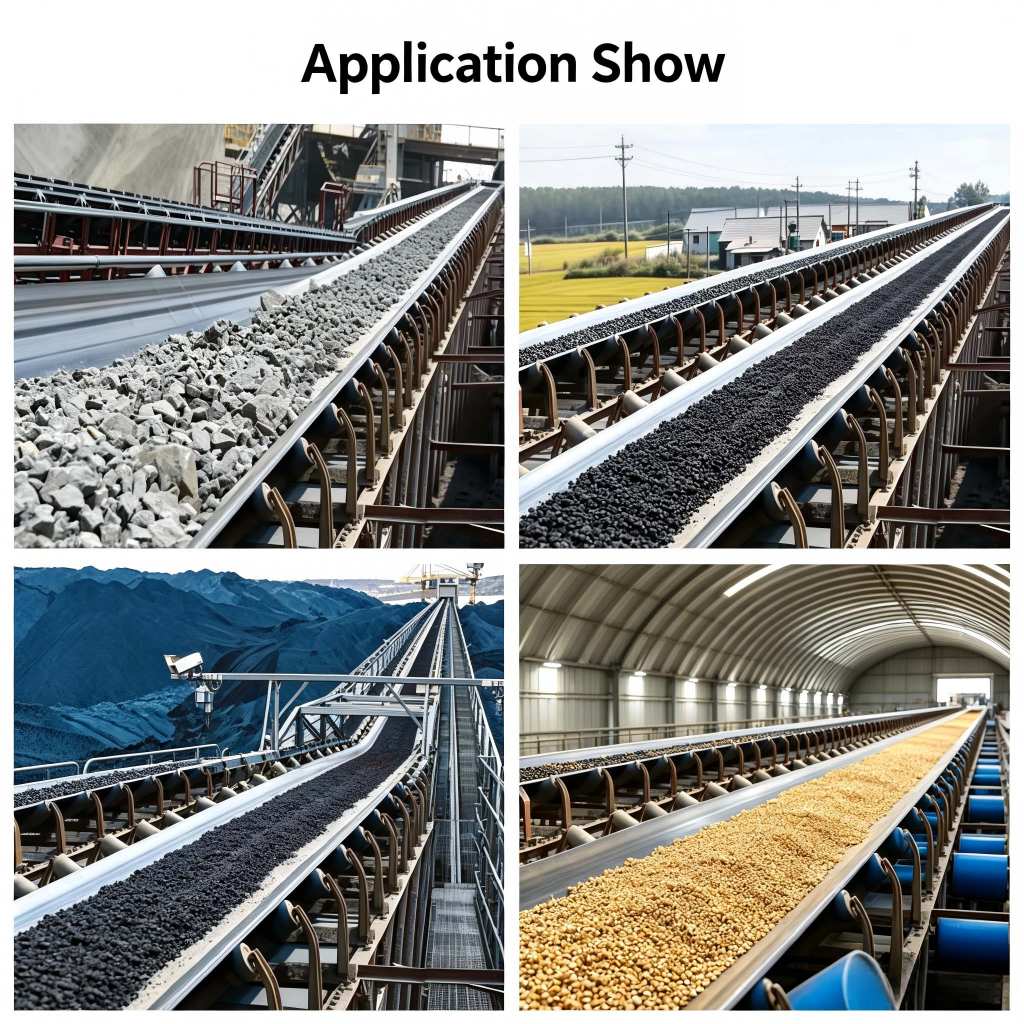
Belt Structures for Special Conveyor Layouts
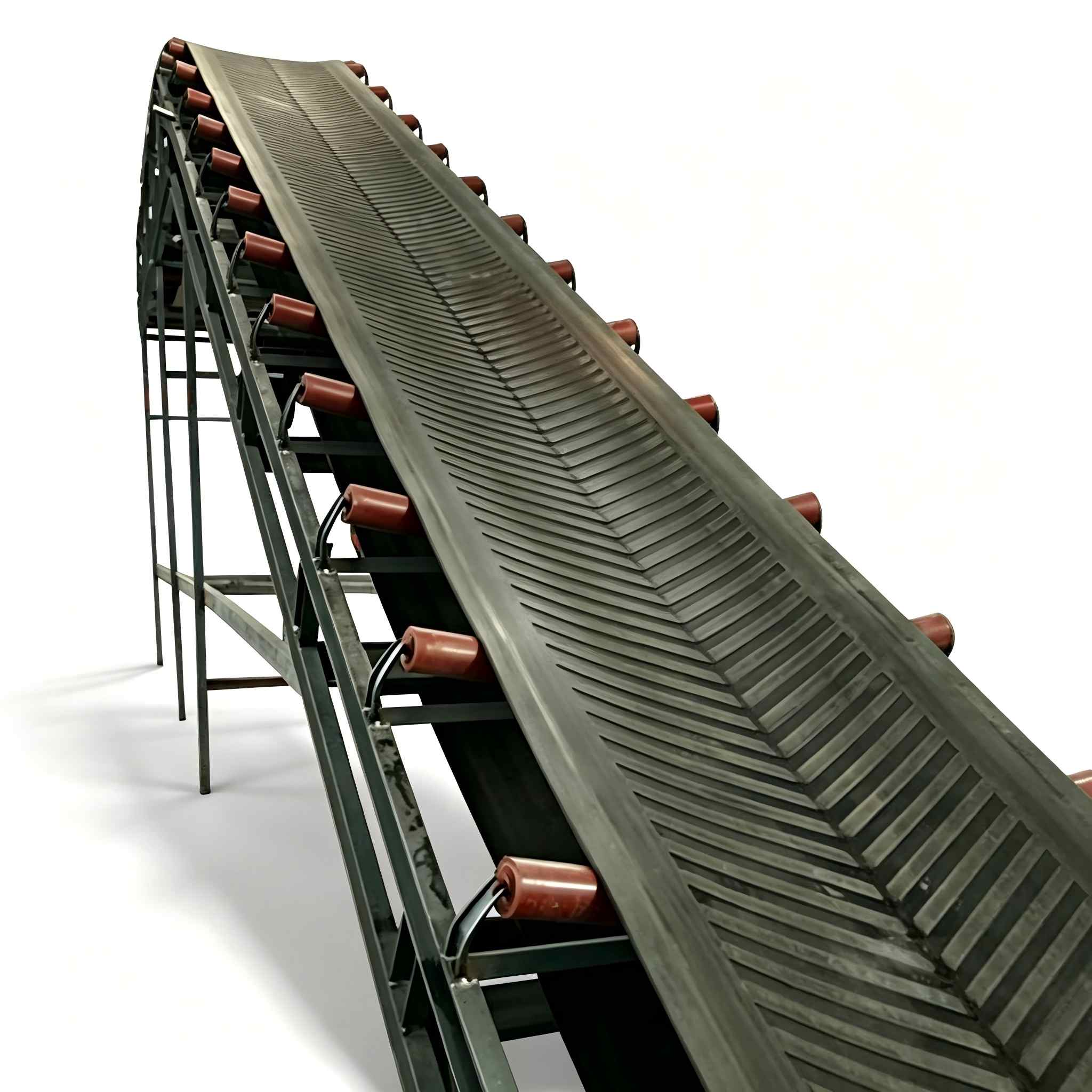
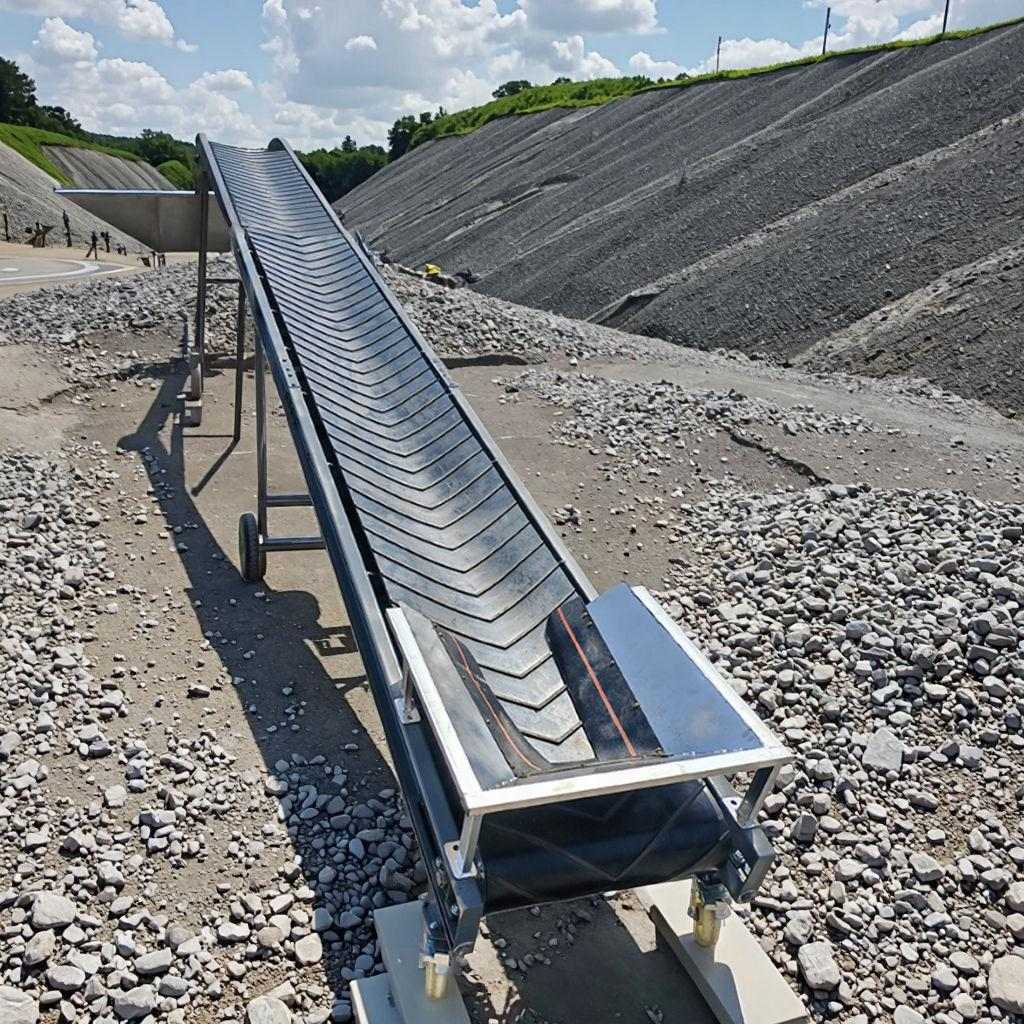
Chevron Belt for Inclined Conveying
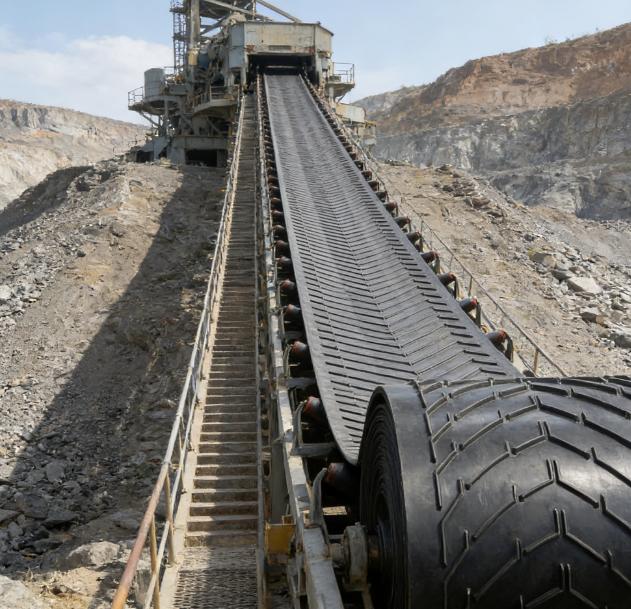
When loose bulk material slides backward on an inclined smooth belt, a Chevron Conveyor Belt can provide additional material grip.
Profile shape and height can be selected according to inclination, particle size and material characteristics.
Sidewall Belt for Steep Inclines
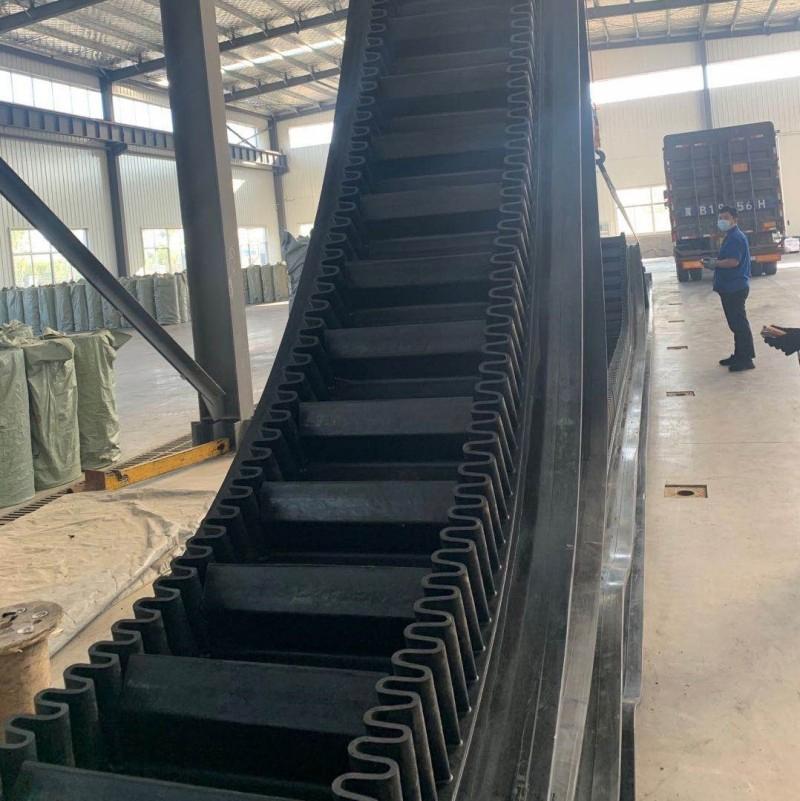
A Corrugated Sidewall Conveyor Belt integrates sidewalls and cleats to retain bulk material during steep-angle conveying.
The design is especially useful when limited plant space makes long conventional inclined conveyors impractical.
Pipe Belt for Enclosed Conveying
A Pipe Conveyor Belt encloses the conveyed material after the loading zone.
This structure helps reduce dust and spillage and can be particularly useful around plants, ports and environmentally sensitive conveying routes.
Conveyor Belt Specification Options
| Specification | Options |
|---|---|
| Reinforcement | EP / NN / Steel Cord |
| Fabric Strength | EP100–EP400+ |
| Steel Cord Strength | ST grade according to design |
| Ply Construction | 2 / 3 / 4 / 5 / 6 ply |
| Width | Project-specific |
| Top Cover | Customized |
| Bottom Cover | Customized |
| Rubber Grade | Abrasion / Heat / Flame / Special |
| Belt Surface | Smooth / Chevron |
| Special Structure | Rip-Stop / Sidewall / Pipe |
| Edge Construction | Cut / Molded |
| Applicable Standards | DIN / ISO / AS / Customer Specification |
How Do We Select a Conveyor Belt?
Our belt selection process considers four key areas:
1. Material Conditions
Material type, density, lump size, abrasiveness, moisture and temperature.
2. Conveyor Conditions
Conveyor length, lift, inclination, belt speed, pulley arrangement and loading conditions.
3. Required Performance
Capacity, working tension, impact resistance, abrasion resistance and expected operating cycle.
4. Safety & Environmental Requirements
Flame resistance, antistatic requirements, dust control, enclosed conveying and applicable standards.
Matching these factors helps avoid both under-specification, which can cause premature failure, and unnecessary over-specification that increases purchasing cost.
Application Industries
Our Industrial Rubber Conveyor Belts are suitable for:
- Mining and mineral processing
- Quarry and aggregate production
- Coal handling and preparation
- Cement and clinker production
- Crushing and screening
- Metallurgical plants
- Sand and gravel processing
- Power generation
- Port bulk handling
- Stockyard and overland conveyors
Why Work With Us?
Application-Oriented Selection
Belt recommendations are based on actual conveying conditions rather than only belt dimensions.
Complete Belting Range
Fabric, steel cord and specialty conveyor belt structures are available from one supplier.
Flexible Rubber Compounds
Different cover formulations are available for wear, heat, impact and fire-sensitive applications.
Replacement Belt Support
Existing belt markings, drawings and samples can be used to identify replacement specifications.
Customized Manufacturing
We support project-specific belt widths, carcass ratings, covers, profiles and reinforcement designs.
Request a Conveyor Belt Quotation
To prepare an accurate technical proposal and quotation, please send:
- Material being conveyed
- Bulk density
- Maximum particle/lump size
- Conveyor capacity (t/h)
- Conveyor length and lift
- Belt width
- Belt speed
- Conveyor inclination
- EP/ST rating
- Number of plies
- Top/bottom cover thickness
- Material temperature
- Required rubber grade
- Applicable technical standard
- Current conveyor belt specification
- Belt photos, drawings or markings
For replacement belts, even if you do not know the complete specification, photos of the existing belt marking, belt edge and belt cross-section can provide valuable information for preliminary identification.
Products
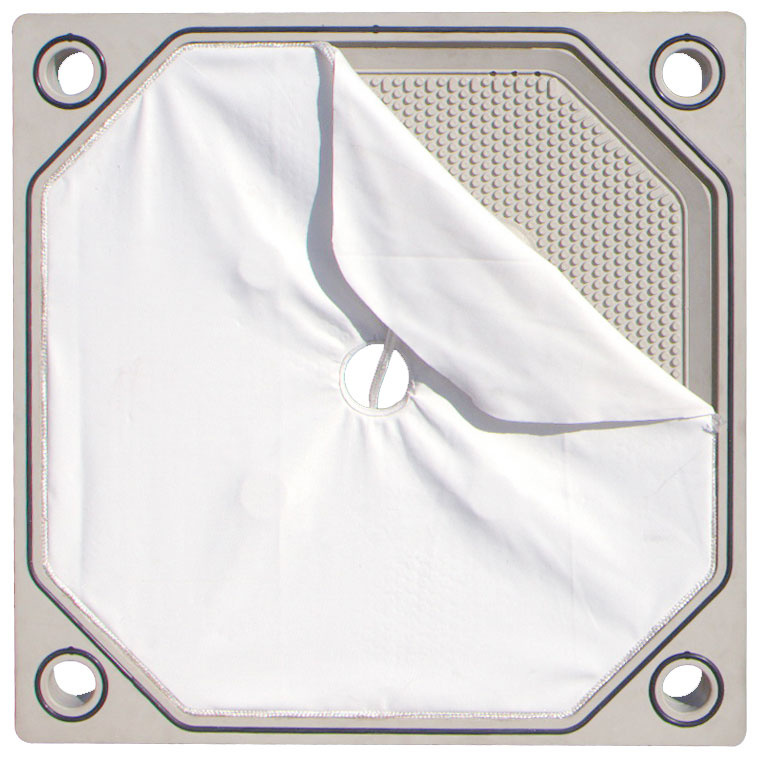
PP Filter Press Cloth
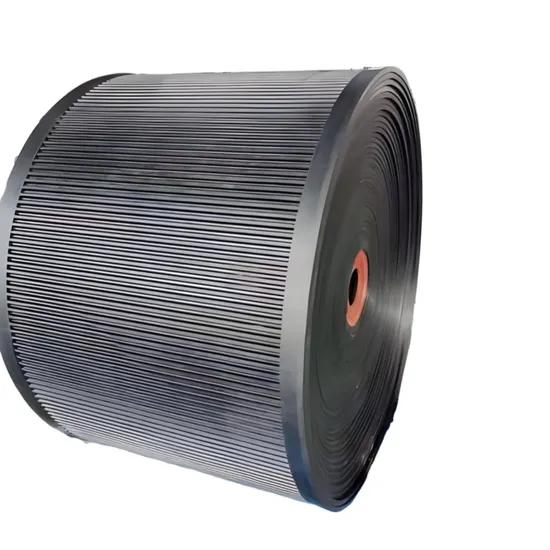
Rubber Filter Belt for Horizontal Vacuum Belt Filters

Ceramic Lagged Drive Pulley
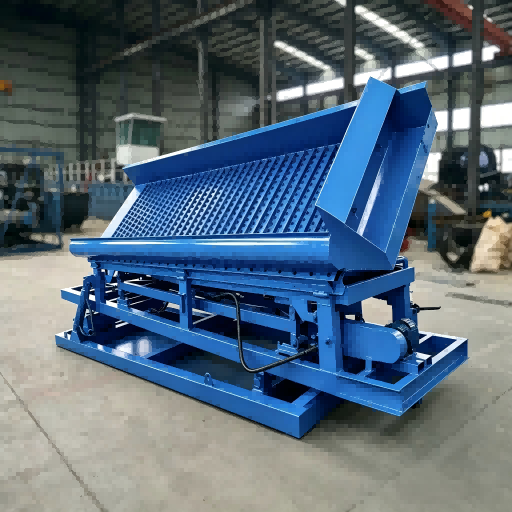
Vibrating Sluice Box
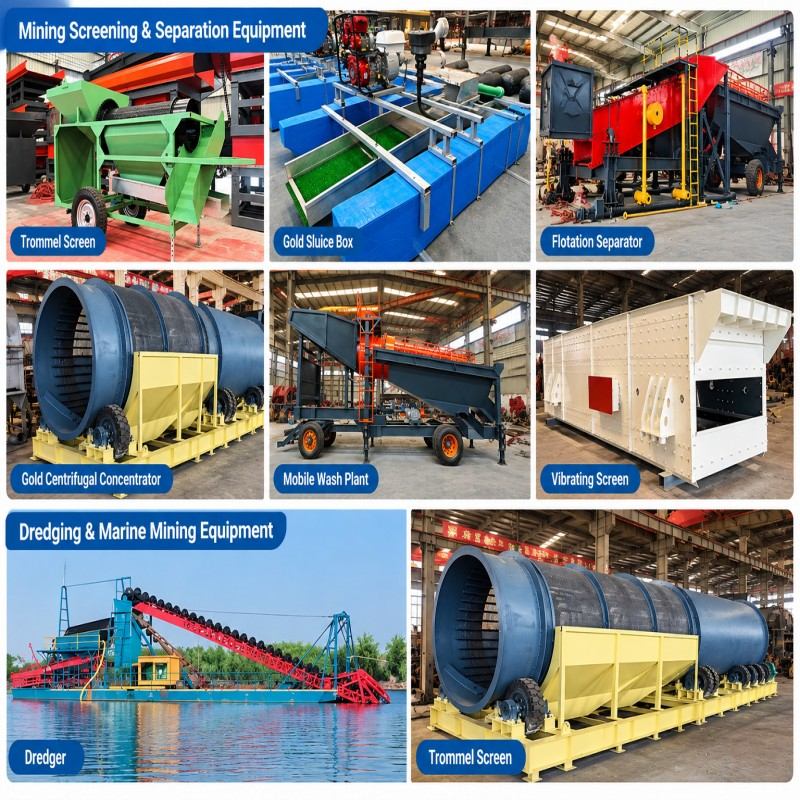
Compact Alluvial Gold Equipment
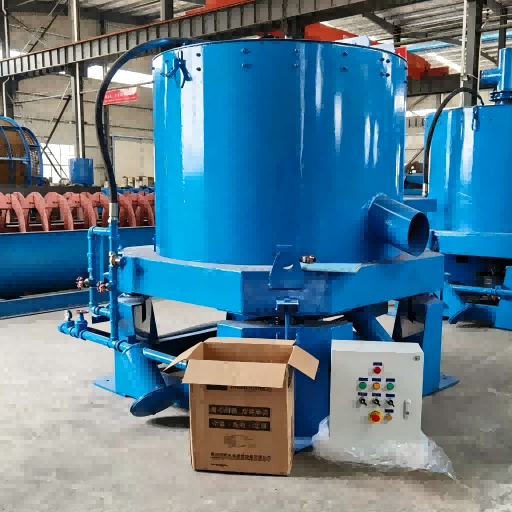
Centrifugal Gold Concentrator
Recent news
See Latest Service