Optimizing Polyurethane Dewatering Screen Performance in Coal Washing Operations
admin
12 Aug, 2026
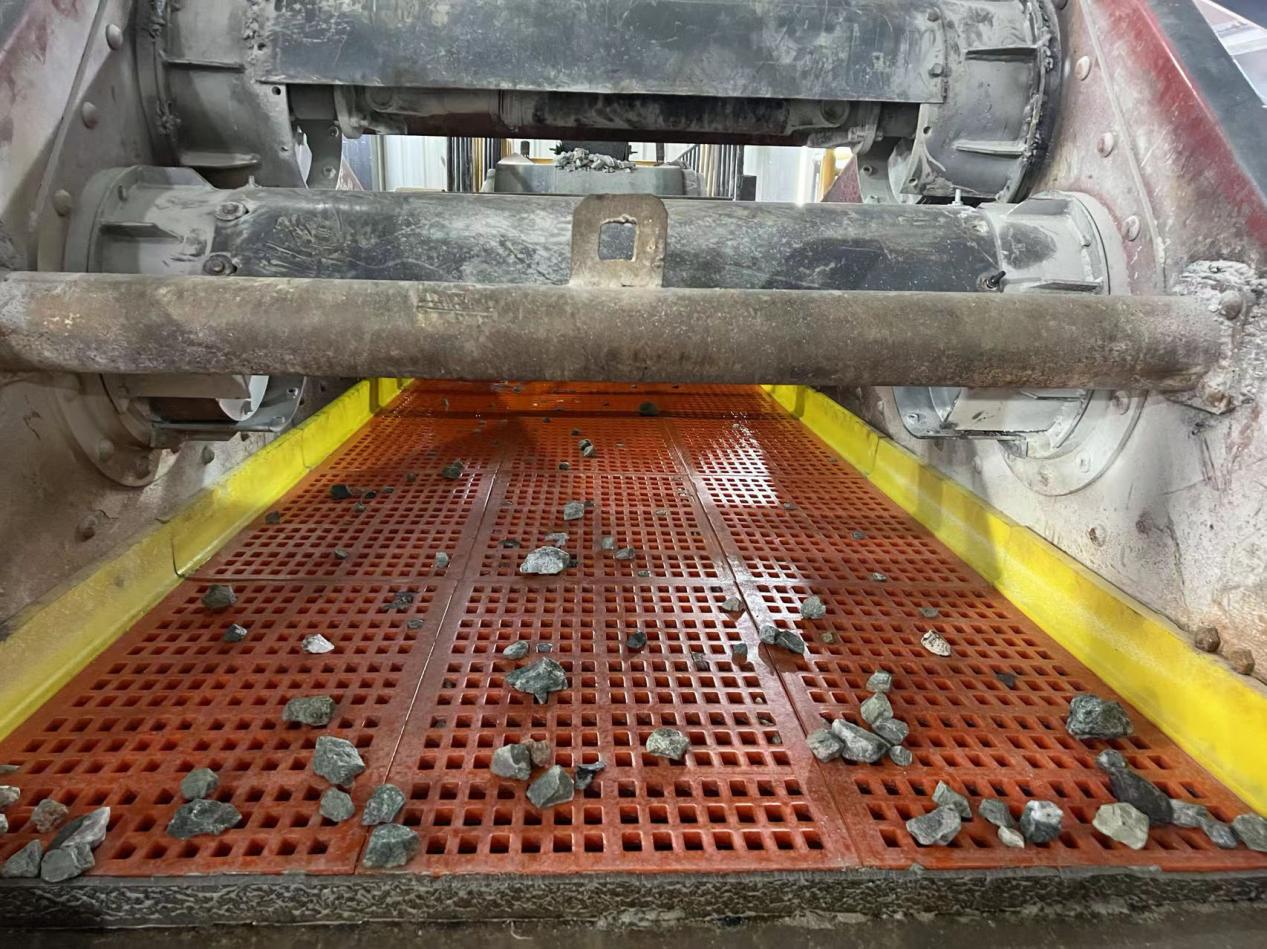
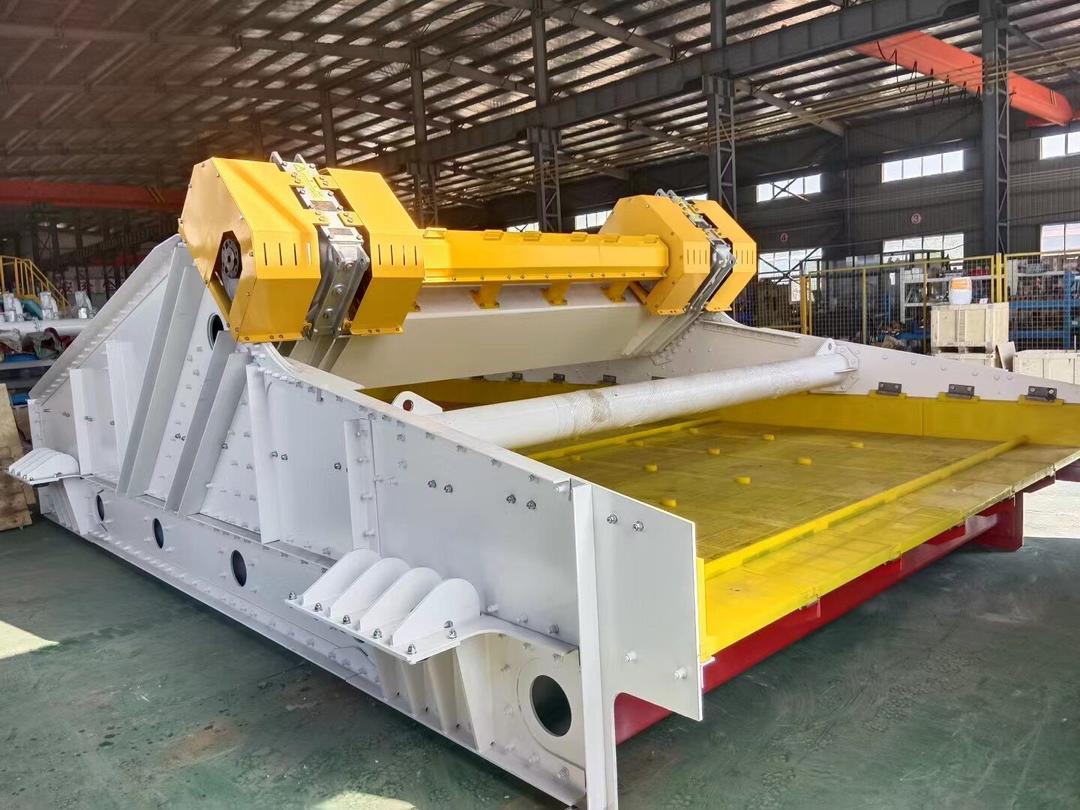
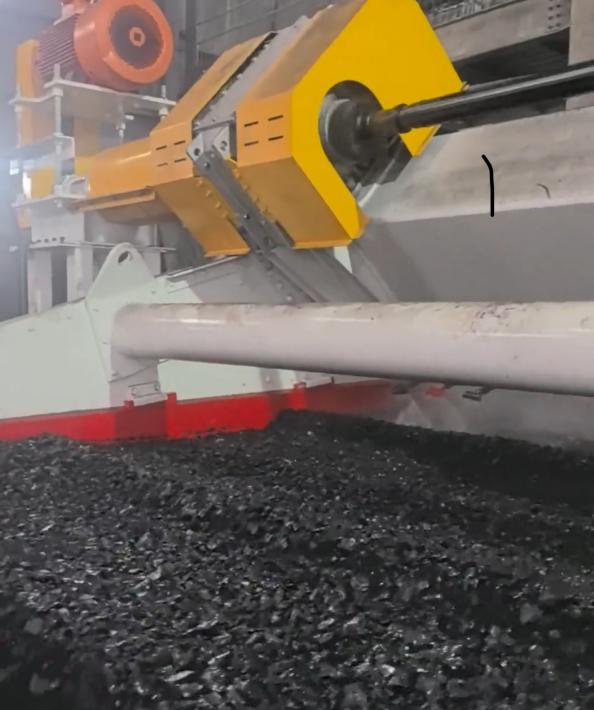
Polyurethane dewatering screens are integral to coal washing plants, offering wear resistance, corrosion tolerance, and operational flexibility. However, maximizing their value requires adherence to systematic precautions across five critical phases: selection, installation, operation, maintenance, and storage.
Selection: Aligning Screens with Operational Demands
Screen performance begins with appropriate selection. Key considerations include:
Material Compatibility: For high-moisture coal (>15%), select screens with large cone angles (120°–140°) and specialized aperture designs to prevent clogging. For abrasive coal, reinforced or nano-coated screens are recommended.
Equipment Specifications: Ensure screen parameters align with vibration frequency (800–1500 r/min) and amplitude (3–8 mm) to minimize fatigue.
Process Requirements: Use elongated apertures for de-mediuming and precision screens for fine classification, maintaining dimensional tolerances within 5%.
Pre-installation checks must include groove cleaning and inspection for deformation or wear exceeding 2 mm.
Verify screen integrity—cracks, blistering, or aperture distortion are grounds for rejection.
Post-installation tests should include idle runs and material trials to confirm stability and efficiency.
Operation: Monitoring and Load Management
Sustained screen efficiency relies on disciplined operation:
Conduct bi-hourly inspections, using compressed air (0.4–0.6 MPa) to clear blockages.
Monitor motor current and noise; shutdown is advised if current exceeds 10% of the rated value or noise surpasses 80 dB.
Control feed rates to ≤90% of screen capacity and ensure even material distribution to prevent localized wear.
Maintenance: Prolonging Service Life
Routine maintenance is critical for longevity:
Clean screens after shifts using high-pressure water (1–2 MPa), avoiding direct impact on seams.
Perform weekly bolt checks and monthly thickness measurements; replace screens if wear exceeds 30%.
Address minor cracks with polyurethane repair compounds and replace severely damaged screens promptly.
Storage: Preserving Screen Integrity
Proper storage mitigates premature aging:
Store screens in cool, dry environments, away from direct sunlight or extreme temperatures.
Categorize and repurpose partially worn screens for non-critical roles to optimize resource use.
Plan replacements every 6–12 months, depending on operational intensity.
Conclusion
Adhering to these structured precautions ensures extended screen lifespan, enhanced operational efficiency, and reduced costs. For tailored screening solutions, consult HUATAO Group’s technical team.
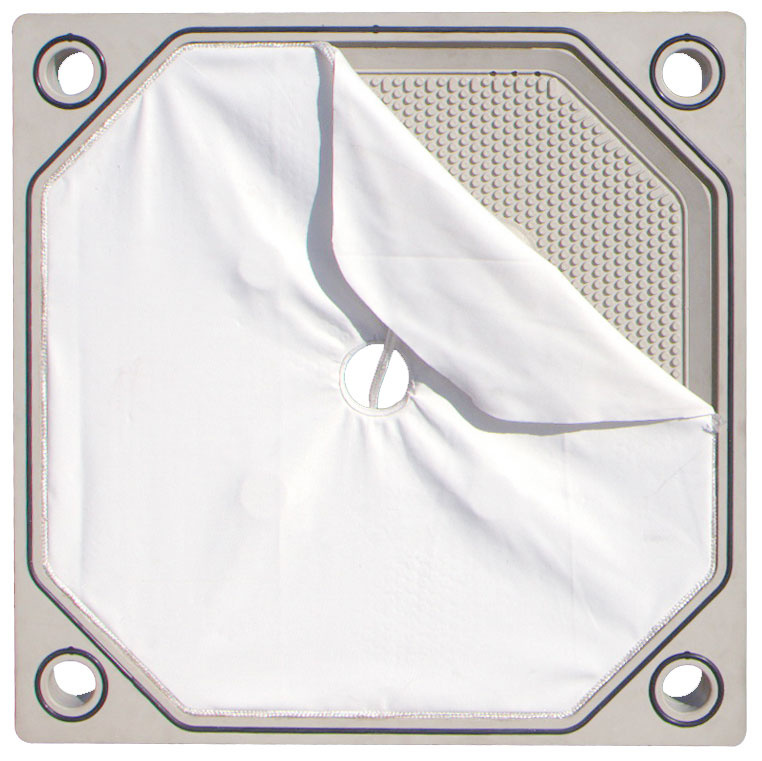
HUATAO PP Filter Press Cloth is engineered for efficient solid-liquid separation in mining, tailings, chemical processing and sludge dewatering. Available in monofilament, multifilament and customized woven structures, it provides reliable particle retention, chemical resistance, easy cake release and long-term filtration performance. Custom dimensions, feed holes, necks, edge sealing and fixing systems are available for chamber and membrane filter presses.
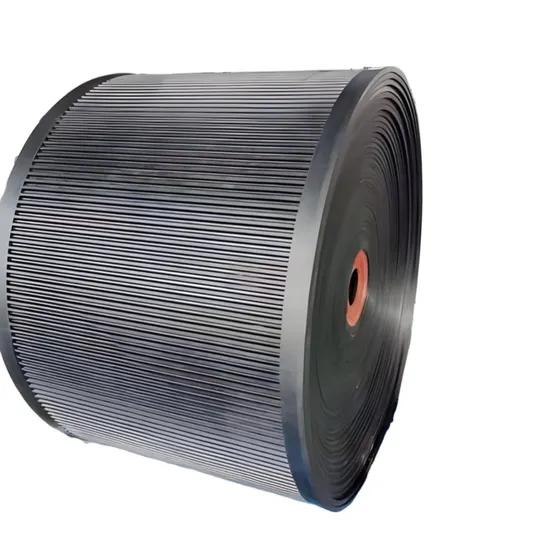
HUATAO Rubber Filter Belts are engineered for horizontal vacuum belt filters used in mining, metallurgy, chemical processing and FGD applications. Customized drainage grooves, holes, reinforced carcass and rubber compounds provide efficient filtrate drainage, reliable vacuum sealing and long-term operation under abrasive and corrosive slurry conditions.
Ceramic Pulley Lagging combines high-hardness alumina ceramic with resilient rubber to provide superior traction, abrasion resistance and reliable conveyor performance in demanding mining and bulk material handling applications.
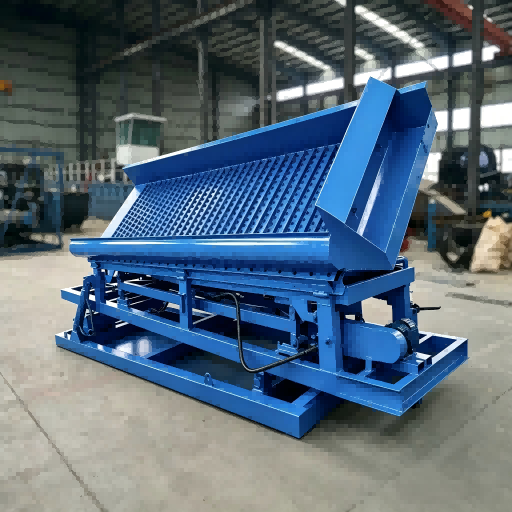
HUATAO Vibrating Sluice Box is a gravity separation solution designed for placer gold mining, alluvial gold recovery and fine gold concentration. It combines the basic recovery principle of a conventional gold sluice with controlled mechanical vibration or pulsating movement to keep the material bed active during processing.
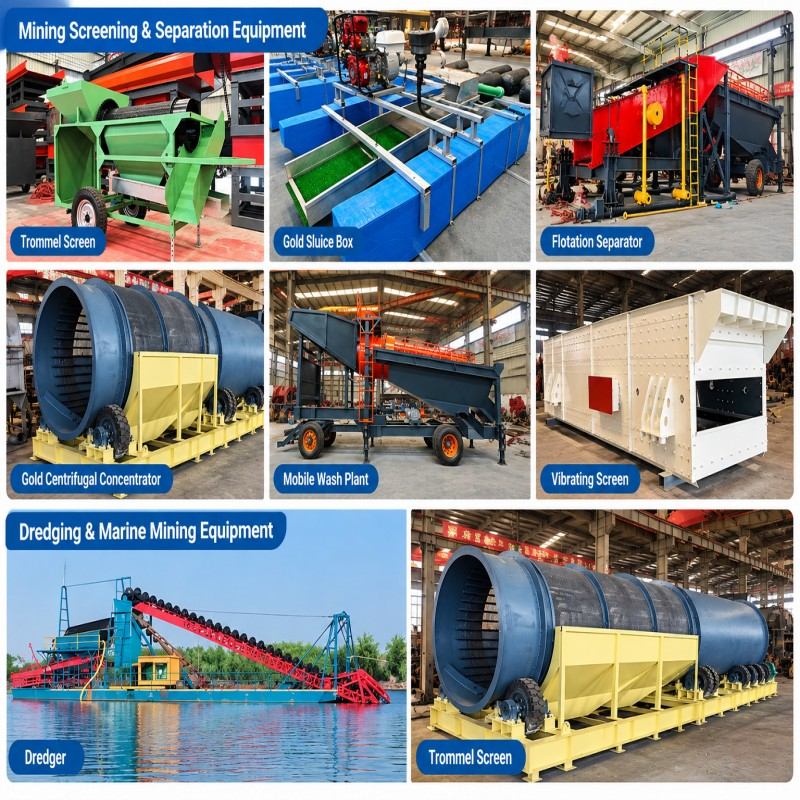
Our Small Gold Wash Plant is designed for small-scale gold miners, prospectors and contractors processing alluvial and placer gold deposits. The compact system integrates material feeding, washing, screening and gold recovery into a practical processing solution.
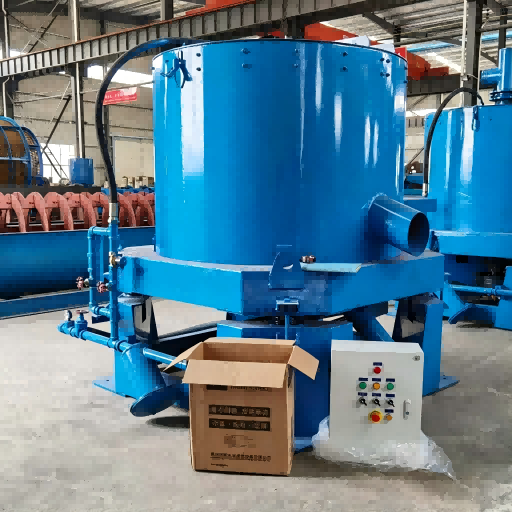
Our Centrifugal Gold Concentrator is a high-efficiency gravity separation machine designed to recover free gold and other high-density valuable minerals from mineral slurries. By combining a high-speed rotating bowl with centrifugal force and controlled fluidization water, the machine significantly strengthens the density-based separation process compared with conventional gravity equipment.
 admin