Polyurethane Screen Blinding: Root Causes and Effective Solutions
admin
11 Aug, 2026
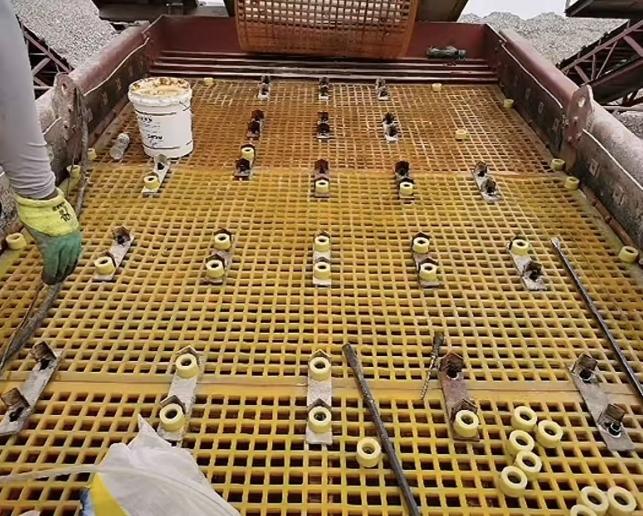
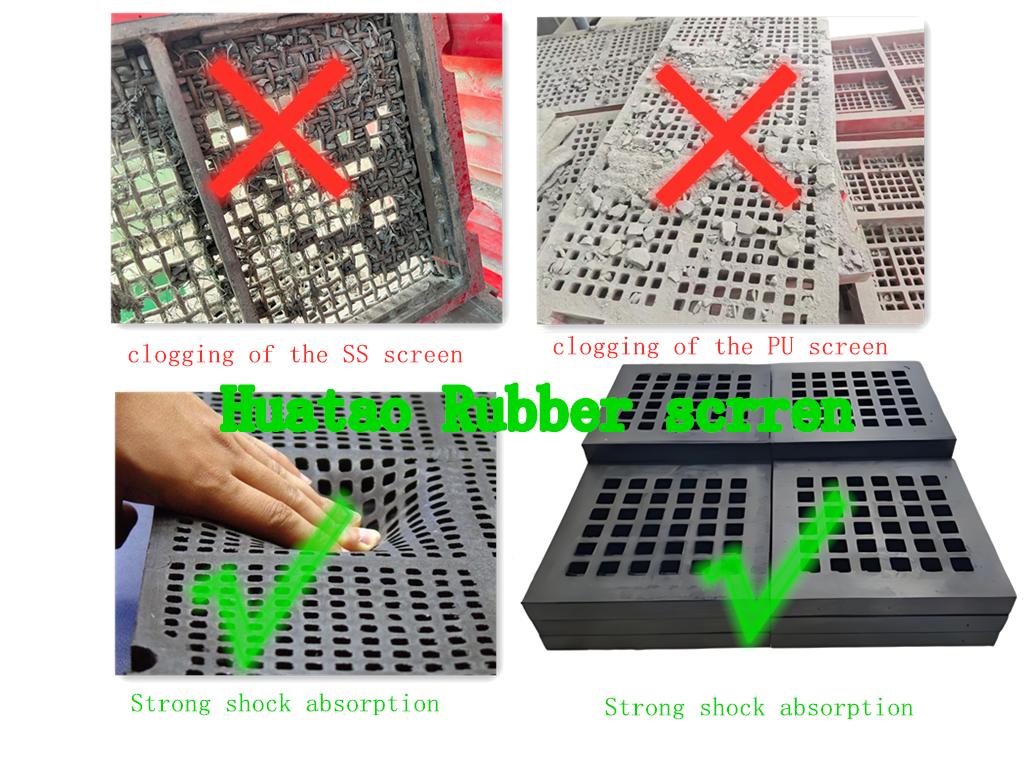
Polyurethane screens are widely used in mining, metallurgy, and coal processing for their durability and efficiency. However, blinding—where screen apertures become blocked—can severely impact productivity. This article examines the primary causes of screen blinding and offers actionable solutions to restore and maintain optimal performance.
Key Causes of Screen Blinding
1. Material Characteristics
Near-Mesh Particles: Particles within ±10% of the screen aperture size tend to lodge in the openings.
High Mud Content: Fine mud (particles <0.074 mm) adheres to the screen surface, forming a clogging layer.
Excessive Moisture: Materials with moisture content exceeding 8% can agglomerate, blocking screen apertures.
2. Screen Design Flaws
Low Open Area: Screens with less than 40% open area restrict material flow, leading to accumulation.
Inappropriate Aperture Shape: Round holes may trap irregular particles, while elongated apertures (3:1 to 5:1 ratio) improve flow but are often underutilized.
Smooth Surface Texture: Lack of drainage grooves or protrusions allows fine particles to adhere easily.
3. Operational and Equipment Issues
Insufficient Vibration: Low frequency (<1200 r/min) or amplitude (<5 mm) fails to dislodge stuck particles.
Improper Screen Angle: Angles below 15° slow material flow, while angles above 25° reduce screening accuracy.
Lack of Cleaning Mechanisms: Absence of ultrasonic systems, sprayers, or rubber ball cleaners exacerbates blinding.
4. Maintenance Shortcomings
Overfeeding: Exceeding the screen’s capacity (typically >5 t/(m²·h)) causes material buildup.
Poor Installation: Uneven or loose screens hinder effective vibration.
Delayed Cleaning: Residual materials harden over time, worsening blockages.
Emergency Solutions for Screen Blinding
1. Physical Cleaning Methods
Use high-pressure water (≥8 MPa) or compressed air (0.4–0.6 MPa) to clear apertures.
For hardened materials, soak screens in warm water (40–60°C) before rinsing.
2. Operational Adjustments
Temporarily increase vibration frequency or amplitude to dislodge particles.
Adjust the screen angle to optimize material flow.
Reduce feed rates by 30–50% to alleviate congestion.
3. Preventive Measures
Select screens with adequate open area and suitable aperture shapes.
Install auxiliary cleaning devices like spray systems or rubber ball trays.
Conduct regular inspections and clean screens promptly after shutdowns.
Conclusion
Addressing polyurethane screen blinding requires a systematic approach—from optimizing screen design to implementing proactive maintenance. By understanding the root causes and applying these solutions, operations can enhance efficiency, reduce downtime, and extend equipment lifespan.
For tailored screening solutions, consult HUATAO Group’s technical experts.
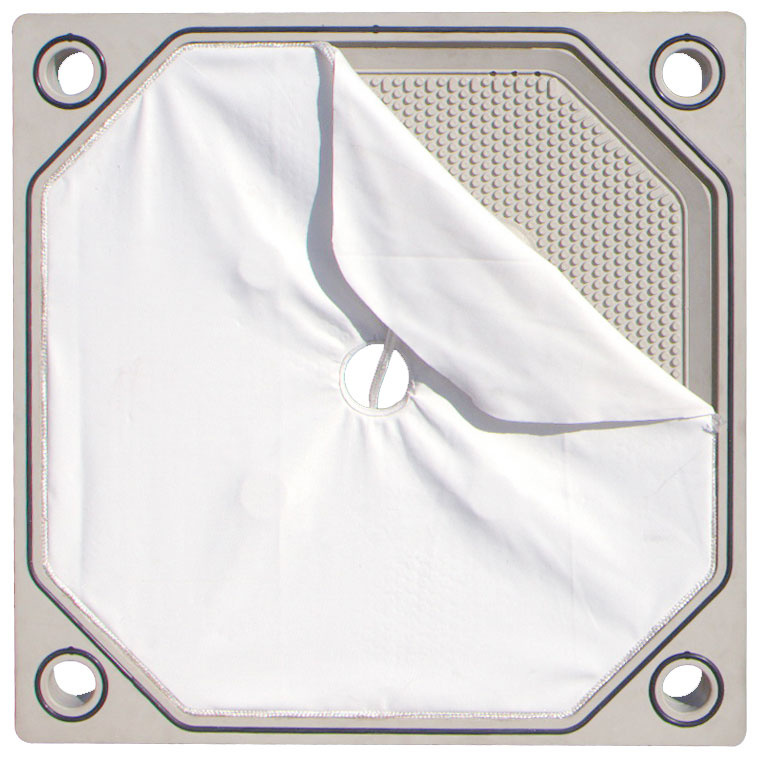
HUATAO PP Filter Press Cloth is engineered for efficient solid-liquid separation in mining, tailings, chemical processing and sludge dewatering. Available in monofilament, multifilament and customized woven structures, it provides reliable particle retention, chemical resistance, easy cake release and long-term filtration performance. Custom dimensions, feed holes, necks, edge sealing and fixing systems are available for chamber and membrane filter presses.
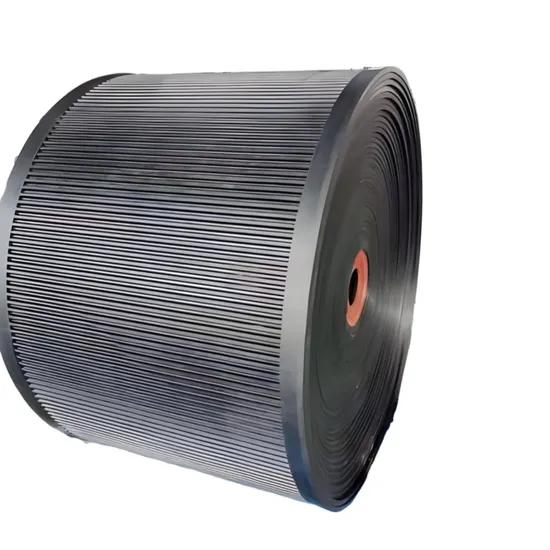
HUATAO Rubber Filter Belts are engineered for horizontal vacuum belt filters used in mining, metallurgy, chemical processing and FGD applications. Customized drainage grooves, holes, reinforced carcass and rubber compounds provide efficient filtrate drainage, reliable vacuum sealing and long-term operation under abrasive and corrosive slurry conditions.
Ceramic Pulley Lagging combines high-hardness alumina ceramic with resilient rubber to provide superior traction, abrasion resistance and reliable conveyor performance in demanding mining and bulk material handling applications.
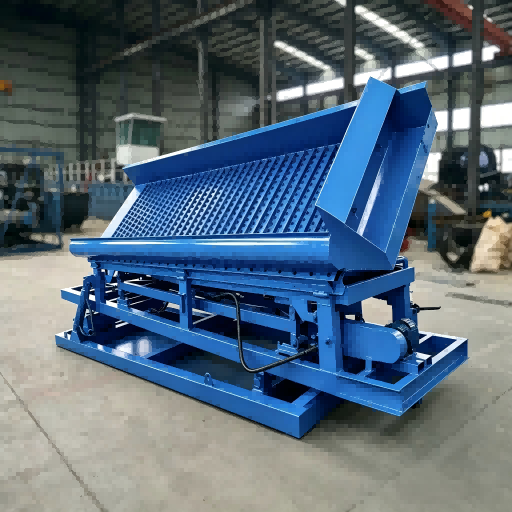
HUATAO Vibrating Sluice Box is a gravity separation solution designed for placer gold mining, alluvial gold recovery and fine gold concentration. It combines the basic recovery principle of a conventional gold sluice with controlled mechanical vibration or pulsating movement to keep the material bed active during processing.
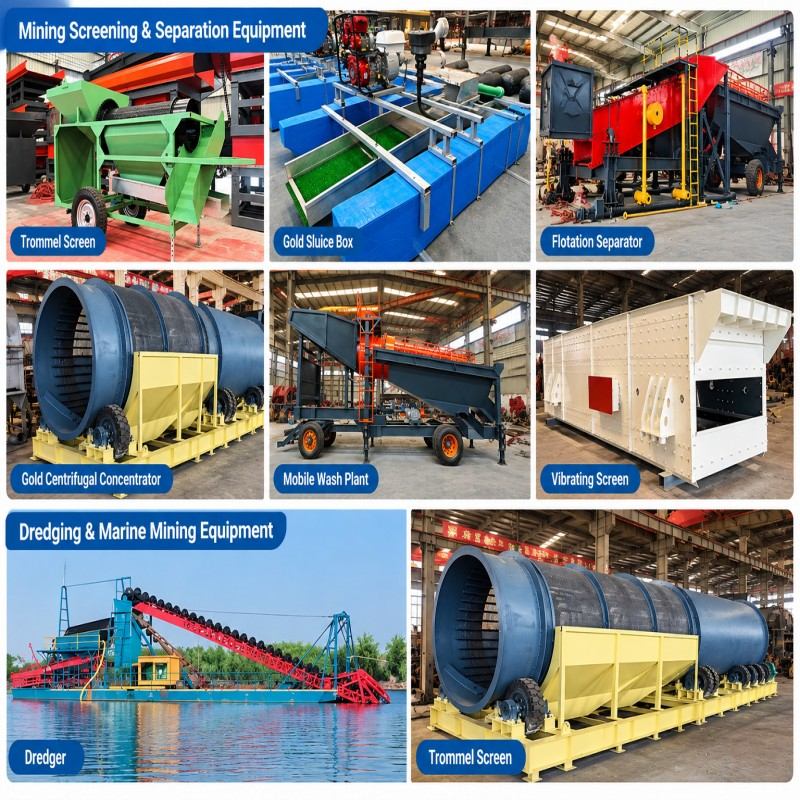
Our Small Gold Wash Plant is designed for small-scale gold miners, prospectors and contractors processing alluvial and placer gold deposits. The compact system integrates material feeding, washing, screening and gold recovery into a practical processing solution.
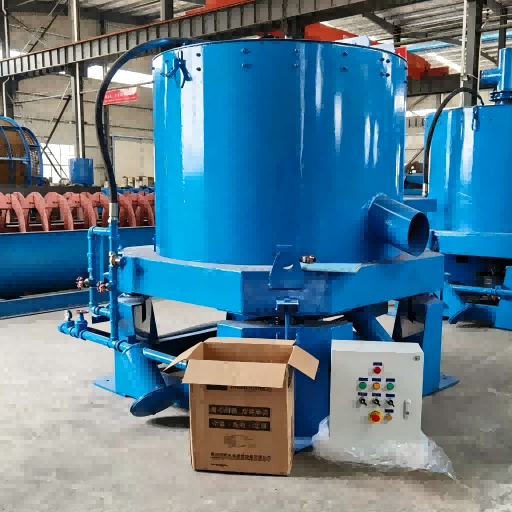
Our Centrifugal Gold Concentrator is a high-efficiency gravity separation machine designed to recover free gold and other high-density valuable minerals from mineral slurries. By combining a high-speed rotating bowl with centrifugal force and controlled fluidization water, the machine significantly strengthens the density-based separation process compared with conventional gravity equipment.
 admin
admin