How Often Should I Replace Hydrocyclone Liners?
Oct 20, 2026
 admin
admin Hydrocyclones play a pivotal role in mineral processing, serving functions such as classification, concentration, desliming, and density-separated sorting. Their compact design and high efficiency make them indispensable in industrial settings. However, optimizing their performance is challenging due to the multitude of structural and operational parameters that influence their efficiency. This article delves into these parameters and offers strategies for enhancing hydrocyclone operation.
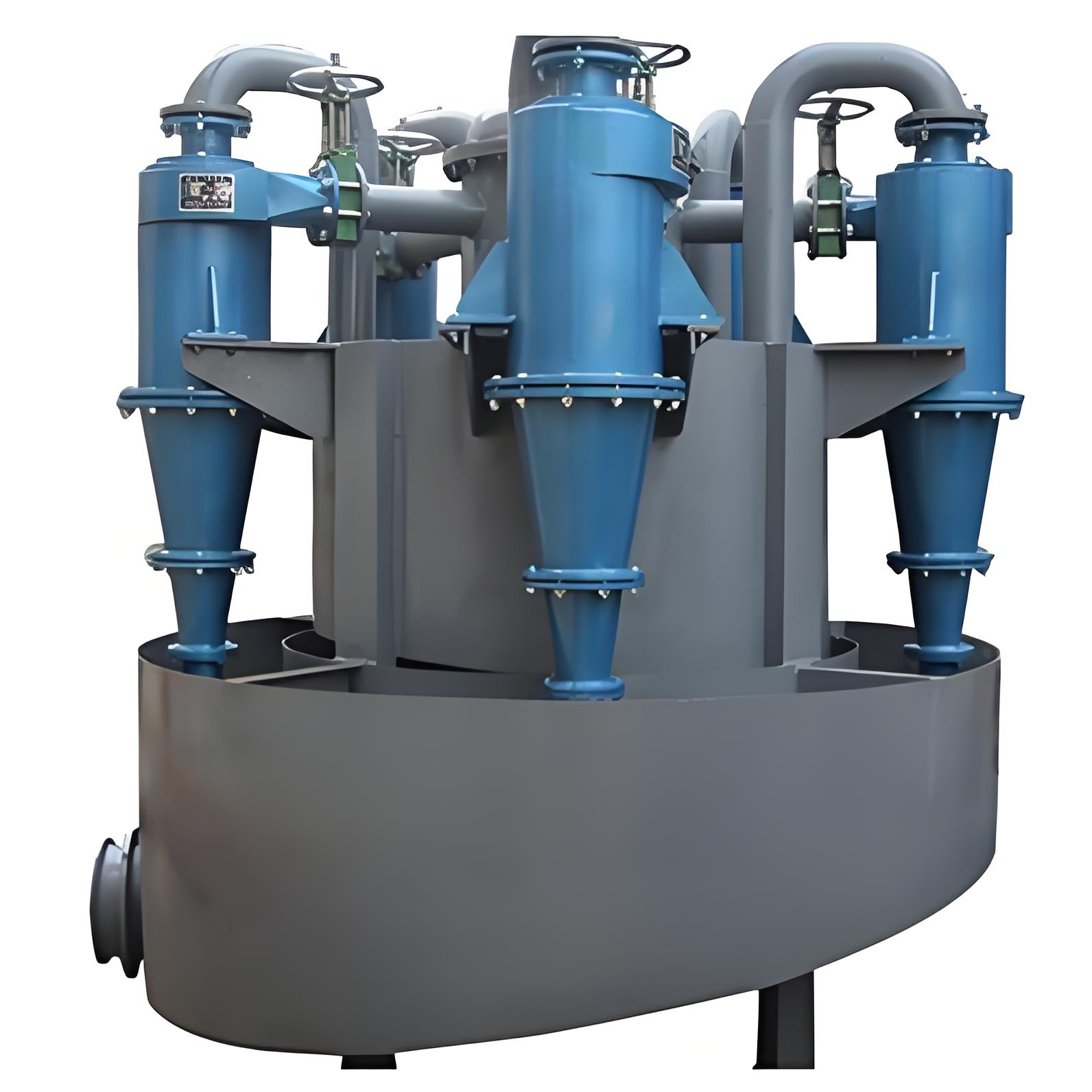
The design of a hydrocyclone significantly affects its operational capabilities. The primary structural parameters include:
The choice of diameter is crucial: larger diameters are suited for coarse particle classification, whereas smaller diameters excel in handling fine particles. This selection is vital for ensuring effective particle separation tailored to specific processing needs.
The feed inlet diameter influences the flow rate and particle distribution entering the hydrocyclone. An appropriately sized inlet helps maintain a balanced feed, contributing to optimal performance.
The diameter of the overflow pipe is proportional to the cylinder diameter. While a larger pipe can increase capacity, it may result in coarser overflow particles. Balancing this parameter is key to achieving the desired particle size distribution.
The size of the spigot directly impacts underflow density and particle size. A larger spigot tends to reduce underflow density and produce finer particles, offering flexibility in adjusting separation outcomes.
The cone angle and length are critical in determining separation efficiency and particle retention time within the hydrocyclone. Careful design of these elements ensures effective particle settlement and separation.
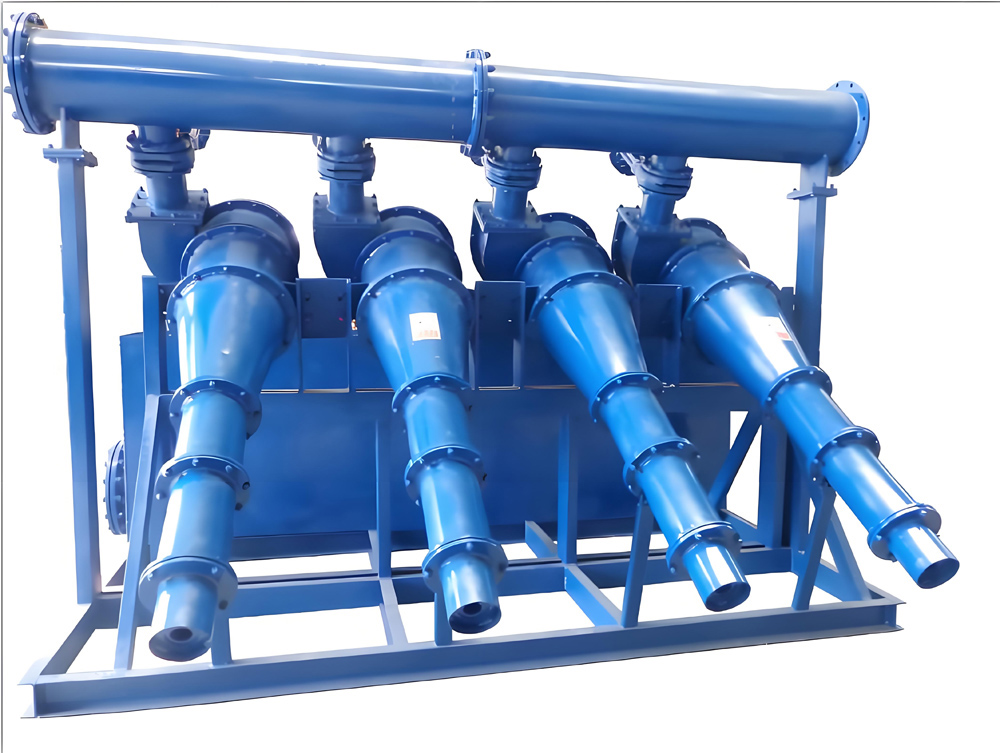
In industrial applications, multiple hydrocyclones can be arranged in series or parallel configurations to accommodate higher throughput and meet diverse processing demands.
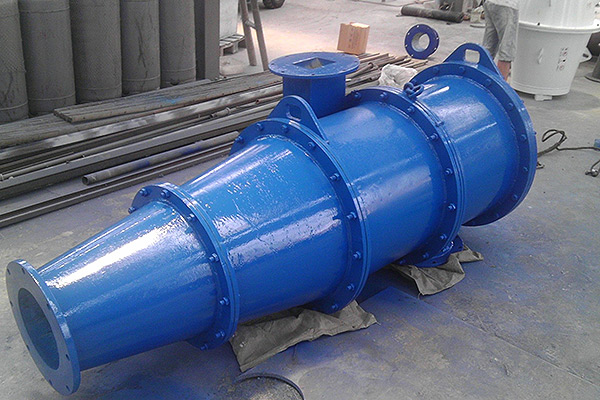
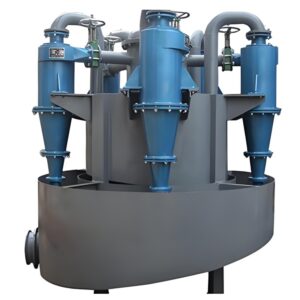
In addition to structural design, operational parameters also play a significant role in determining hydrocyclone efficiency:
Lower feed concentrations enhance classification efficiency, particularly for fine particles. However, coarse particles can tolerate higher concentrations. Monitoring and adjusting feed concentration accordingly helps maintain optimal classification performance.
Feed pressure primarily impacts the processing capacity of the hydrocyclone but has a minimal effect on classification particle size. Appropriate pressure regulation ensures efficient throughput without compromising separation quality.
To achieve optimal performance, consider the following optimization tips:
By understanding and carefully managing these parameters, operators can significantly enhance hydrocyclone efficiency and adapt to varying production demands.
For assistance in optimizing your hydrocyclone operation, reach out to Huatao Group for expert solutions:
By embracing these insights and leveraging the support of industry experts, you can maximize the potential of your hydrocyclones for superior performance in mineral processing applications.
admin