MDI vs. TDI in Polyurethane Screen Panels: A Detailed Comparison of Traits and Uses
-
 admin
- 29 Jul, 2026
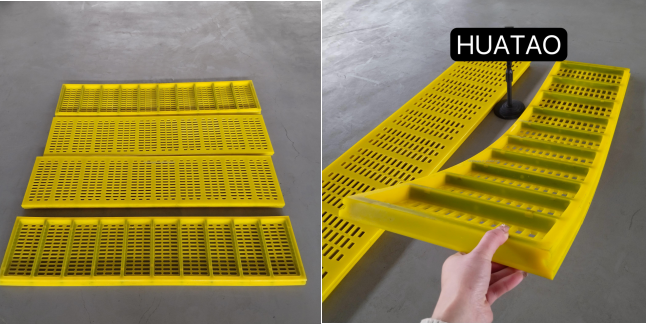
Polyurethane screen panels are indispensable in industrial screening processes, and their performance is largely determined by the choice of isocyanate raw materials: MDI (diphenylmethane diisocyanate) and TDI (toluene diisocyanate). These two compounds differ greatly in molecular structure and reaction behaviors, which directly influence the panels’ wear resistance, flexibility, aging resistance, and the scenarios they can be applied to. This article offers a thorough comparison of the properties of MDI and TDI, and explores their practical uses across various industrial sectors.
1. Fundamental Traits: MDI vs. TDI
The distinct chemical compositions of MDI and TDI lead to unique performance profiles, making each suited to specific screening needs:
MDI Characteristics
MDI-based polyurethane screen panels are defined by high hardness, exceptional wear resistance, and strong aging resistance. They can withstand exposure to acidic and alkaline substances, and perform reliably within a temperature range of -30°C to 80°C. This stability translates to a long service life, even in demanding operational conditions.
TDI Characteristics
In contrast, TDI-based panels excel in elasticity and low-temperature flexibility—they remain functional even at temperatures as low as -40°C, making them ideal for applications requiring a flexible screening surface. However, they are relatively less resistant to wear and chemical exposure compared to MDI-based alternatives.
2. MDI-Based Polyurethane Screen Panels: The Industrial Mainstay
MDI-based polyurethane screen panels have become the preferred choice for most industrial screening tasks, thanks to their robust performance and versatility.
Key Advantages
- Superior Durability: With high hardness and strong wear resistance, MDI-based panels have a service life 1.5 to 3 times longer than TDI-based counterparts. This reduces the frequency of replacements and lowers long-term maintenance costs.
- Environmental Resilience: They exhibit excellent hydrolysis resistance, enabling them to withstand wet conditions. Additionally, their tolerance to high and low temperatures (within -30°C to 80°C) and resistance to acids and alkalis make them suitable for harsh working environments.
Typical Application Scenarios
- High-Wear, High-Impact Screening: Ideal for processing abrasive and heavy materials such as iron ore, coal, non-ferrous metal ores, and construction aggregates. The panels’ wear resistance ensures consistent performance even when handling these tough materials.
- Harsh Operational Conditions: Well-suited for wet screening tasks (e.g., processing ore slurries or mud), as well as screening in environments with extreme temperatures or exposure to chemical substances.
- High-Demand Industries: Critical for sectors like cement production, lime processing, coke screening, and steel slag separation—where long panel life and minimal maintenance downtime are essential for keeping operations running smoothly.
3. TDI-Based Polyurethane Screen Panels: A Niche Solution for Flexibility Needs
While MDI dominates most industrial settings, TDI-based polyurethane screen panels fill a vital niche in applications requiring flexibility or cost efficiency.
Key Advantages
- Enhanced Flexibility: Their outstanding elasticity prevents brittle materials from being crushed during screening, making them ideal for handling delicate or fragile substances.
- Cost-Effectiveness: TDI raw materials are generally more affordable, making these panels a practical choice for short-term projects or operations with limited budgets.
Typical Application Scenarios
- Low-Wear, Low-Impact Screening: Perfect for agricultural applications, such as screening grains, animal feed, and fertilizer particles—materials that do not exert heavy wear on the screen surface.
- Low-Temperature Environments: Suitable for outdoor screening tasks in cold regions, such as processing ice-snow mixtures during northern winters, as they maintain flexibility even at -40°C.
- Temporary or Budget-Conscious Projects: Ideal for light-duty screening in non-industrial sectors like agriculture and food processing, where long-term durability is less critical than immediate cost savings.
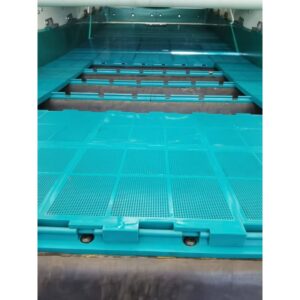
4. How to Select Between MDI and TDI Screen Panels
The choice between MDI and TDI-based polyurethane screen panels depends on three core factors: material properties, environmental conditions, and budget constraints:
- Prioritize MDI If: Your operation involves high-wear materials (e.g., ores, aggregates), requires long panel life, or operates in harsh environments (wet, acidic/alkaline, or temperature-fluctuating conditions).
- Consider TDI If: You need a flexible screen surface (to protect brittle materials), operate in low-temperature settings, or have short-term screening needs with limited budget.
By conducting a comprehensive evaluation of these factors, you can select the panel type that optimizes screening efficiency and extends the lifespan of your equipment.
Contact Information
Annie Lu | Huatao Group
- Email: annie.lu@huataogroup.com
- Mobile: 0086 18032422676 (Whatsapp/Wechat/Viber)
- Links: https://wa.me/008618032422676 | http://www.tufflexscreen.com
Tags:
admin
personal profile