
Where Can I Find Reliable Mining Wear Parts Suppliers in China?
-
 admin
admin - 28 Jul, 2026
Why Are Mining Wear Parts So Important?
Every mining operation depends on wear-resistant components.
Whether processing:
- Gold Ore
- Iron Ore
- Copper Ore
- Coal
- Lithium Ore
- Silica Sand
- Nickel Ore
- Lead Zinc Ore
- Phosphate Ore
equipment is continuously exposed to:
- Abrasion
- Impact
- Corrosion
- High pressure
- Slurry erosion
Without properly selected wear parts, plant performance rapidly deteriorates.
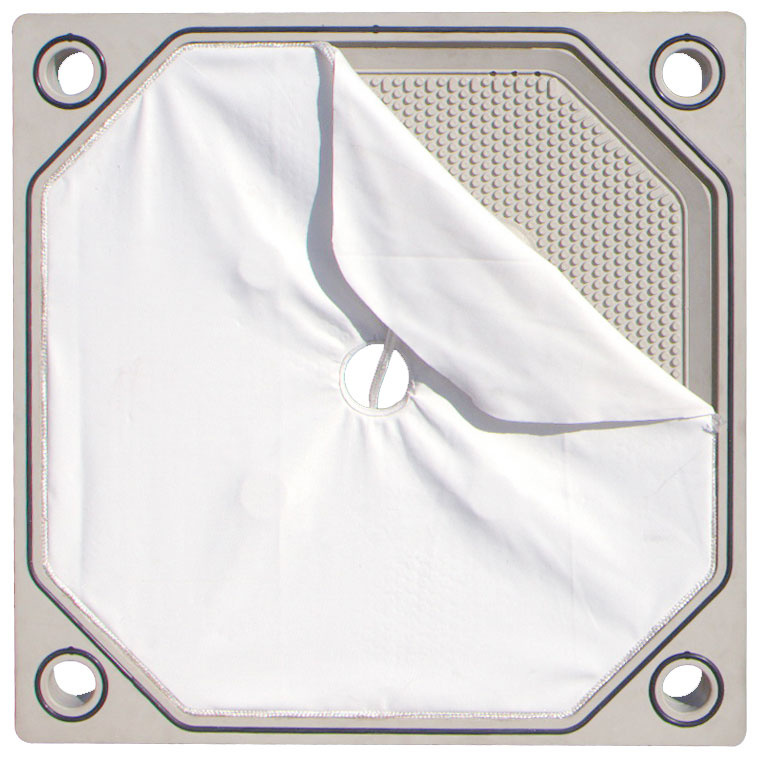
Mining wear parts are used throughout the entire mineral processing flow:
Crushing → Screening → Grinding → Classification → Flotation → Dewatering → Filtration → Tailings Management
What Are Mining Wear Parts?
Mining wear parts are replacement components specifically designed to protect equipment and maintain operational efficiency under harsh mining conditions.
Typical products include:
Crushing Equipment
- Jaw Plates
- Cheek Plates
- Mantles
- Concaves
- Blow Bars
- Impact Plates
[Crusher Wear Parts Internal Link]
[Jaw Crusher Internal Link]
[Cone Crusher Internal Link]
[Impact Crusher Internal Link]
Screening Equipment
- Polyurethane Screen Panels
- Rubber Screen Panels
- Tufflex Screens
- Self Cleaning Screen Mesh
- Fine Screening Media
[Polyurethane Screen Panel Internal Link]
Grinding Equipment
- Ball Mill Liners
- SAG Mill Liners
- Lifter Bars
- Feed End Liners
[Ball Mill Liner Internal Link]
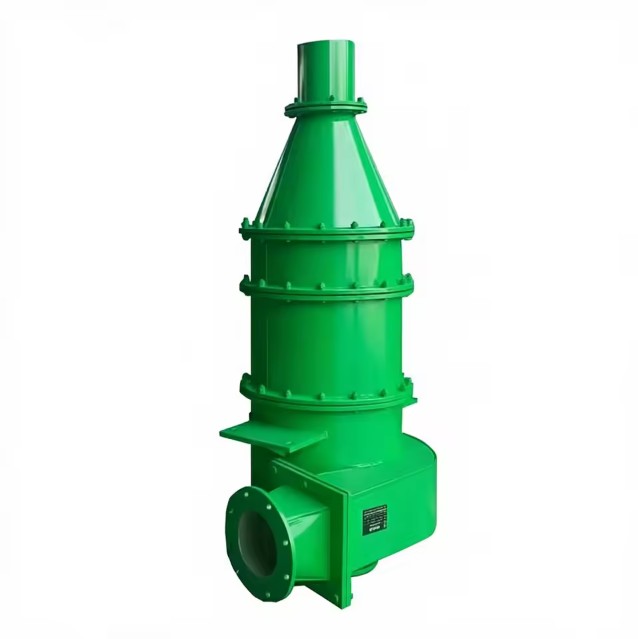
Classification Equipment
- Hydrocyclone Liners
- Vortex Finders
- Apex Cones
- Classifier Shoes
[Hydrocyclone Internal Link]
[Classifier Shoes Internal Link]
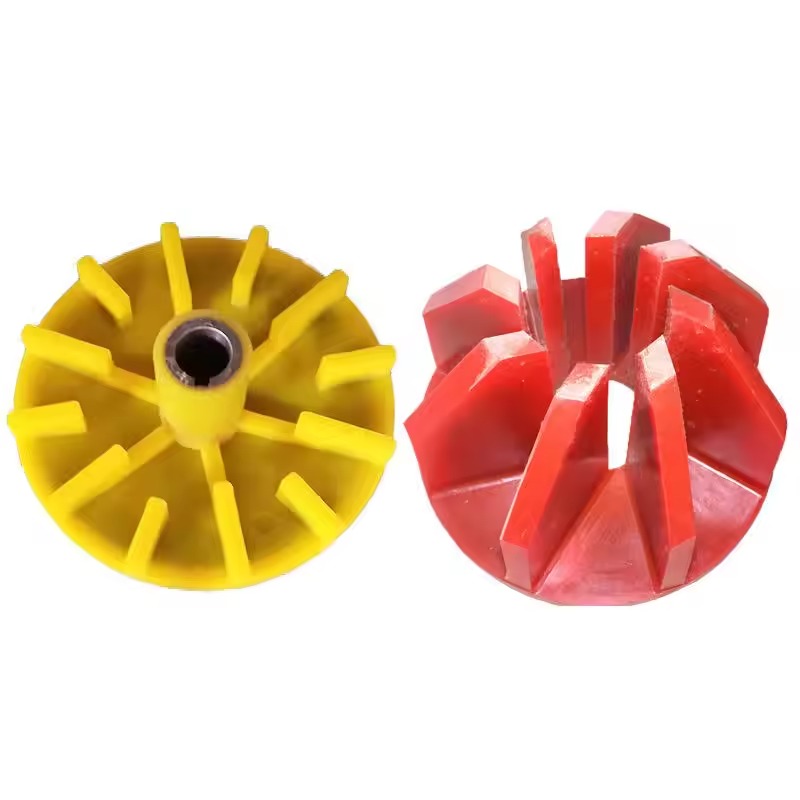
Flotation Equipment
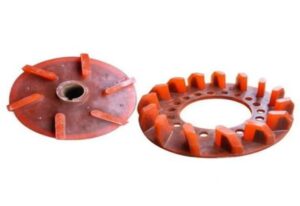
- Flotation Rotor
- Flotation Stator
- Impeller
- Disperser
[Flotation Rotor Internal Link]
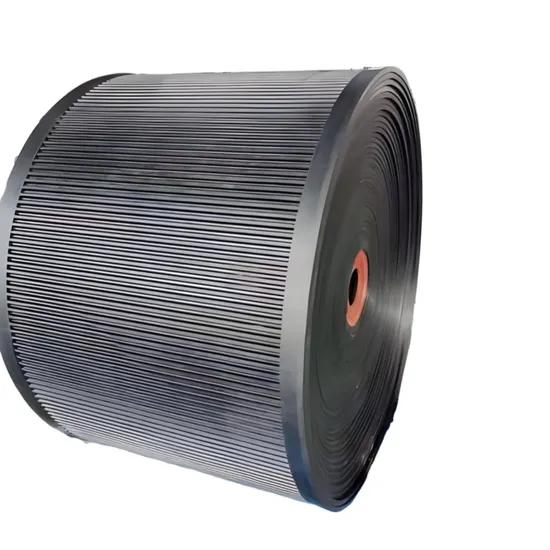
Conveying Equipment
- Conveyor Belt
- Conveyor Idlers
- Belt Cleaners
- Polyurethane Skirting
[Conveyor Belt Internal Link]
How Do Mining Wear Parts Work?
Mining wear parts function by absorbing, resisting, or distributing the forces generated during material handling and mineral processing.
Example 1: Crusher Wear Parts
Jaw plates and mantles absorb high-impact crushing forces.
Example 2: Polyurethane Screen Panels
Screen panels resist abrasion while maintaining accurate particle classification.
Example 3: Hydrocyclone Components
Hydrocyclone liners protect equipment against high-velocity slurry erosion.
Example 4: Flotation Rotors
Rotors disperse air and slurry mixtures to maximize mineral recovery.
Proper material selection directly influences equipment life and plant efficiency.
Material Comparison Table
Which Material Is Best?
| Material | Wear Resistance | Impact Resistance | Corrosion Resistance | Typical Applications |
|---|---|---|---|---|
| Polyurethane | Excellent | Excellent | Excellent | Screens, Hydrocyclones |
| Rubber | Good | Excellent | Excellent | Mill Liners, Screen Panels |
| High Manganese Steel | Good | Excellent | Medium | Crusher Wear Parts |
| High Chrome Iron | Excellent | Medium | Medium | Blow Bars |
| Ceramic Composite | Outstanding | Medium | Excellent | Chute Liners |
| Steel-Rubber Composite | Very Good | Excellent | Good | Mill Liners |
Polyurethane vs Rubber Wear Parts
Which One Should You Choose?
| Factor | Polyurethane | Rubber |
|---|---|---|
| Abrasion Resistance | Excellent | Good |
| Impact Resistance | Good | Excellent |
| Noise Reduction | Good | Excellent |
| Fine Screening | Excellent | Medium |
| Hydrocyclone Use | Excellent | Good |
| Mill Liner Use | Medium | Excellent |
Recommendation
Choose Polyurethane when:
- Fine screening is required
- Abrasive materials dominate
- Aperture stability is critical
Choose Rubber when:
- Impact loads are high
- Noise reduction is important
- Grinding mills are involved
Industry Application Matrix
| Industry | Main Equipment | Typical Wear Parts |
|---|---|---|
| Gold Mining | Hydrocyclones, Screens, Flotation Cells | Screen Panels, Rotors |
| Iron Ore | Crushers, Mills, Screens | Jaw Plates, Liners |
| Copper Mining | Flotation Cells, Cyclones | Rotors, Cyclone Parts |
| Coal Processing | Vibrating Screens | Tufflex Screens |
| Silica Sand | Fine Screens | Polyurethane Screens |
| Lithium Processing | Hydrocyclones | PU Cyclone Liners |
| Nickel Mining | Crushers | Mantles, Concaves |
| Lead Zinc | Flotation Cells | Rotor-Stator Systems |
How to Evaluate a Mining Wear Parts Supplier
1. Manufacturing Capability
Check whether the supplier owns:
- Foundries
- Polyurethane production lines
- Rubber molding workshops
- CNC machining centers
- Inspection laboratories
The original article emphasizes verifying real manufacturing assets rather than relying solely on website information.
2. Quality Management
Look for:
- ISO 9001 Certification
- Material Reports
- Hardness Reports
- Chemical Composition Reports
- Dimensional Inspection Records
3. Engineering Capability
A strong supplier should provide:
- Reverse Engineering
- Wear Life Analysis
- Material Recommendations
- Site Optimization Advice
OEM vs Aftermarket Wear Parts
| Item | OEM | Aftermarket |
|---|---|---|
| Price | Higher | Lower |
| Lead Time | Longer | Faster |
| Flexibility | Limited | High |
| Availability | Limited | Broad |
| Cost Efficiency | Medium | High |
High-quality aftermarket wear parts can reduce procurement costs by 20%–40% while maintaining operational performance.
Common Failure Analysis
| Problem | Cause | Solution |
|---|---|---|
| Premature Wear | Incorrect material | Upgrade wear-resistant grade |
| Cracking | Excessive impact | Change design |
| Hydrocyclone Erosion | High slurry velocity | Use premium PU |
| Screen Blinding | Improper aperture | Optimize opening design |
| Mill Liner Breakage | Installation error | Follow installation procedure |
| Rotor Damage | Cavitation | Adjust operating conditions |
Maintenance Guide
To maximize wear part life:
Daily
- Visual inspection
- Fastener checks
- Abnormal vibration monitoring
Weekly
- Thickness measurements
- Wear pattern analysis
Monthly
- Equipment alignment checks
- Material performance review
Annual
- Full wear audit
- Supplier performance evaluation
Procurement Guide
Information Required
Before requesting a quotation prepare:
- Equipment model
- OEM part number
- Drawings
- Photos
- Material requirements
- Quantity
- Operating conditions
Preferred Drawings
- DWG
- STEP
- SolidWorks
MOQ
Typically:
- Standard products: 1-10 pcs
- Customized products: 10-50 pcs
Lead Time
- Standard parts: 7-20 days
- Custom parts: 20-45 days
Shipping Methods
- Air Freight
- Sea Freight
- Railway
- DDP Solutions
Case Study
Customer
Gold Processing Plant – West Africa
Challenge
Polyurethane screen panels experienced rapid wear, resulting in frequent shutdowns.
Solution
HUATAO recommended upgraded polyurethane formulations and reinforced support structures.
Results
| KPI | Improvement |
|---|---|
| Wear Life | +180% |
| Downtime | -35% |
| Maintenance Cost | -30% |
| Production Efficiency | +15% |
FAQ
1. What are mining wear parts?
Components designed to resist abrasion, impact, and erosion in mining equipment.
2. How do I choose between polyurethane and rubber?
Polyurethane provides better abrasion resistance, while rubber offers superior impact absorption.
3. Can aftermarket wear parts replace OEM parts?
Yes, if dimensional accuracy and material quality meet OEM standards.
4. What certifications should suppliers have?
ISO 9001, inspection records, material reports, and traceability systems.
5. How can I verify a Chinese supplier?
Request factory audits, production videos, customer references, and export records.
6. What affects service life?
Material selection, feed characteristics, operating conditions, and maintenance practices.
7. Are customized wear parts available?
Yes. Most manufacturers support drawings, samples, and reverse engineering.
8. How can I reduce maintenance costs?
Focus on total lifecycle cost instead of purchase price.
9. What industries use polyurethane screen panels?
Gold, coal, silica sand, iron ore, copper, and lithium processing plants.
10. How often should wear parts be inspected?
Daily visual inspections and scheduled monthly wear assessments are recommended.
Conclusion
China remains one of the most important sourcing destinations for mining wear parts. However, successful procurement requires more than simply comparing prices. Mining companies should evaluate manufacturing capability, engineering expertise, quality systems, OEM compatibility, export experience, and long-term service support.
The best suppliers act as technical partners, helping customers improve equipment reliability, extend wear life, reduce downtime, and lower total operating costs.
For companies seeking reliable crusher wear parts, hydrocyclone components, polyurethane screen panels, flotation spare parts, mill liners, classifier shoes, and conveyor system products, working with an experienced mining-focused manufacturer can provide significant operational advantages.
Contact
Annie Lu
Email: annie.lu@huataogroup.com
Mobile / WhatsApp / WeChat: +86 18032422676
Website: www.tufflexscreen.com
Tags
#MiningWearParts #PolyurethaneScreenPanel #TufflexScreen #CrusherWearParts #Hydrocyclone #BallMillLiner #FlotationRotor #MiningEquipment #MineralProcessing #GoldMining #CoalPreparation #SilicaSand #CopperMining #LithiumProcessing #MiningProcurement
Tags:
 admin
admin
personal profile