
A flotation rotor and stator are the key wear components inside a flotation cell responsible for air dispersion, slurry circulation, and bubble generation. For most abrasive mining applications, polyurethane flotation rotors and stators generally provide the longest service life, while rubber offers better impact resistance and composite designs deliver maximum durability in extreme operating conditions.
✔ Polyurethane generally offers the best wear life in abrasive slurry environments.
✔ Rubber provides excellent impact resistance and lower upfront costs.
✔ Composite rotor and stator designs can outperform single-material solutions.
✔ Proper design and operating conditions are as important as material selection.
✔ Supplier engineering capability directly affects rotor and stator performance.
| Item | Description |
|---|---|
| Function | Air dispersion and slurry circulation |
| Material | Polyurethane, Rubber, Composite |
| Application | Flotation Cells |
| Service Life | Depends on material and operating conditions |
| Benefits | Improved recovery, reduced downtime, lower maintenance |
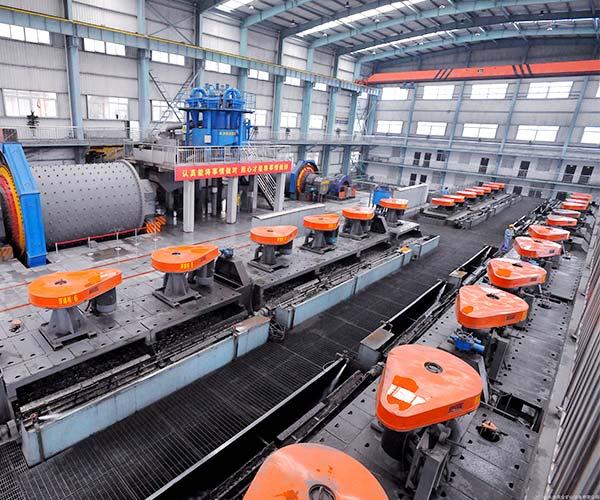
A Flotation Rotor and Stator assembly is one of the most critical wear-part systems in a Mechanical Flotation Cell.
Its primary purpose is to:
Without efficient rotor and stator performance, flotation efficiency decreases significantly.
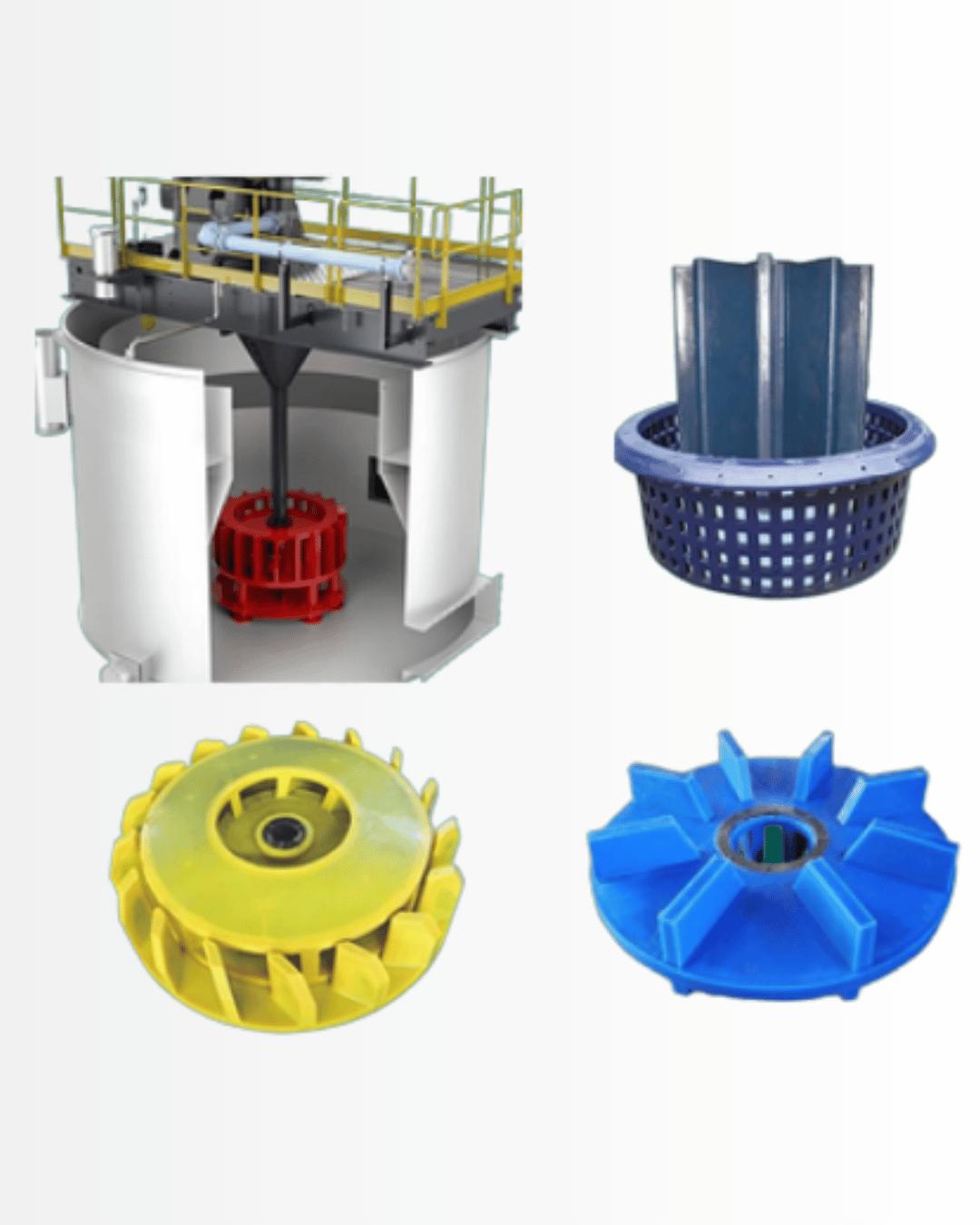
The rotor rotates inside the stator at high speed.
This action creates:
Valuable mineral particles attach to bubbles and rise to the froth layer where they are recovered.
The effectiveness of this process depends heavily on:
In a Copper Flotation Cell, proper rotor-stator performance can directly influence recovery rates and concentrate grade.
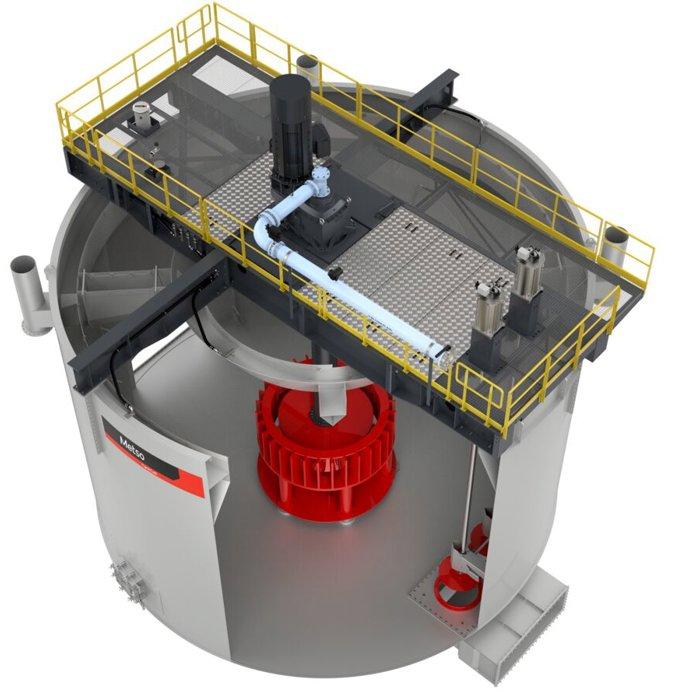
Many operators assume wear is caused only by poor material quality.
However, wear mechanisms are more complex.
Abrasive particles continuously strike rotor and stator surfaces.
High-abrasion ores include:
Abrasion is often the primary cause of rotor wear.
Large particles generate:
This is particularly common in coarse flotation circuits.
Chemical reactions may accelerate wear.
This is common in:
Improper operating conditions can create:
Polyurethane is one of the most wear-resistant materials used in flotation wear parts.
Benefits include:
One unique characteristic of polyurethane is its excellent performance in water-rich applications.
Many flotation operators report longer service life under wet slurry conditions.
Although polyurethane often costs more initially, total ownership cost is frequently lower due to extended service life.
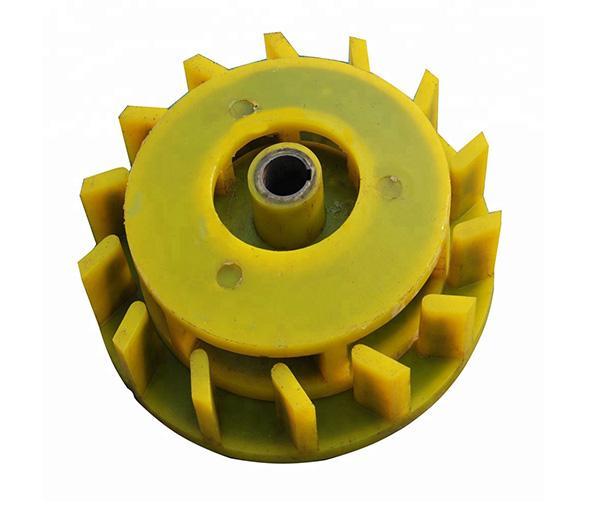
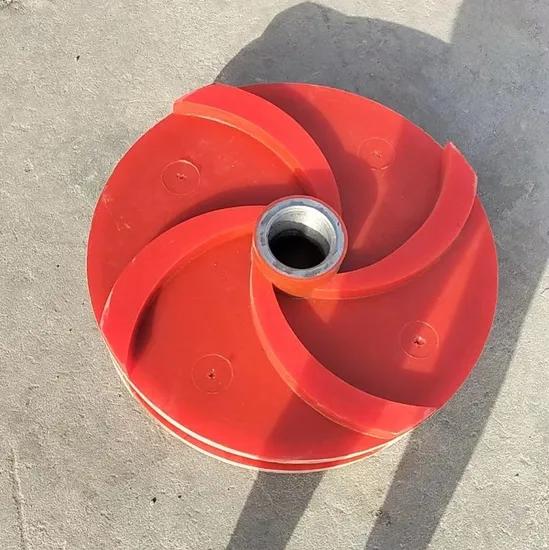
Rubber absorbs impact energy more effectively than polyurethane.
Ideal for:
Rubber remains popular because it provides:
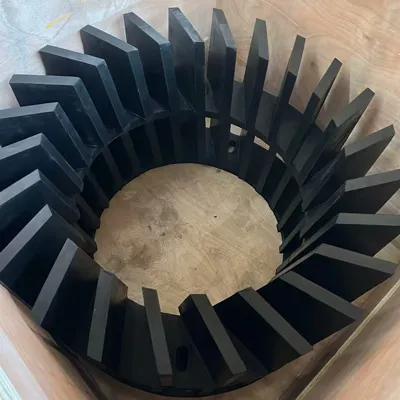
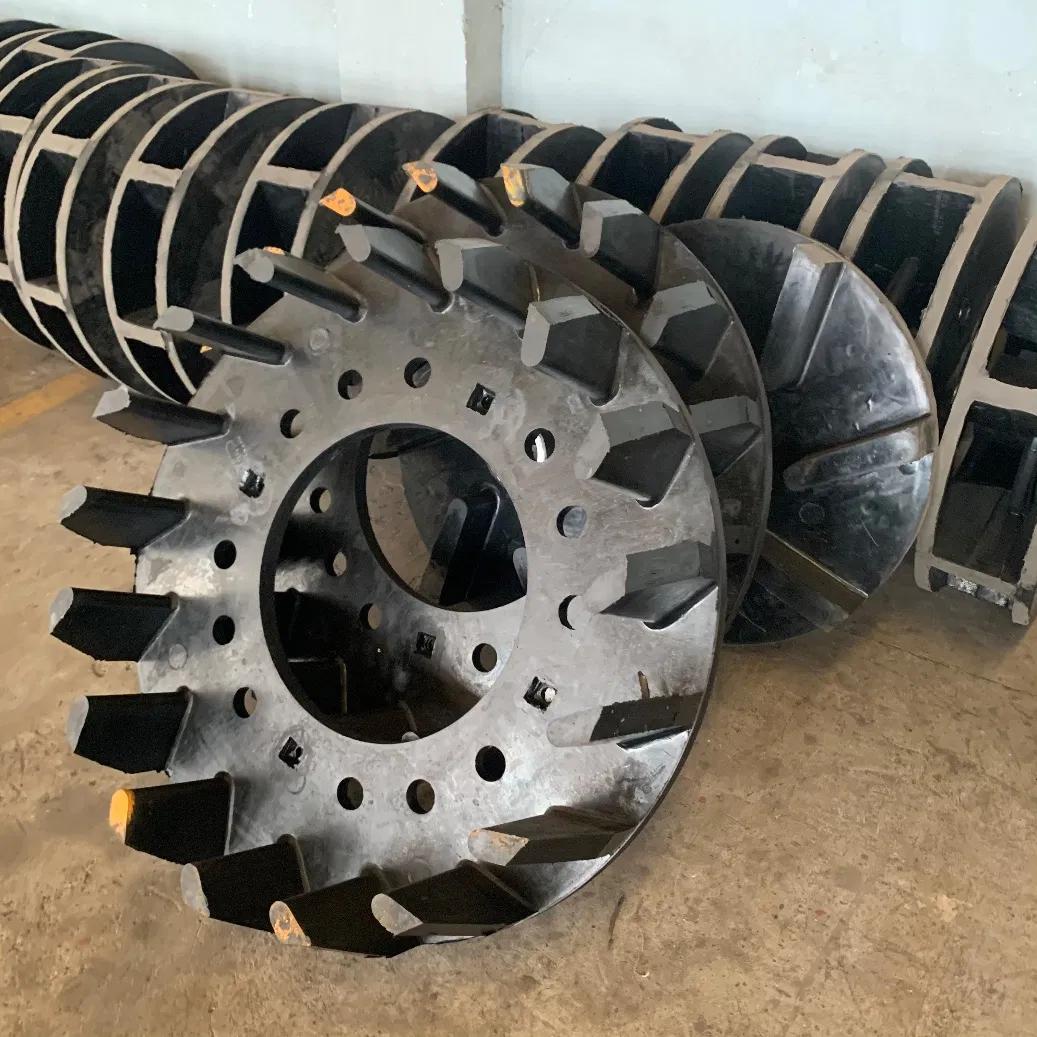
Composite designs combine:
| Property | Polyurethane | Rubber | Composite |
| Abrasion Resistance | Excellent | Good | Excellent |
| Impact Resistance | Good | Excellent | Good |
| Corrosion Resistance | Excellent | Good | Excellent |
| Initial Cost | Medium | Low | High |
| Service Life | Long | Medium | Longest |
| Maintenance Frequency | Low | Medium | Low |
| Total Cost of Ownership | Low | Medium | Medium |
| Application | Best Material |
| Copper Ore | Polyurethane |
| Gold Ore | Polyurethane |
| Iron Ore | Polyurethane |
| Lead Zinc Ore | Polyurethane |
| Nickel Ore | Polyurethane |
| Coal Flotation | Rubber |
| Coarse Particle Flotation | Rubber |
| Extreme Wear Conditions | Composite |
For most mining operations:
Composite Designs
Longest service life in extreme conditions.
Polyurethane
Best balance between cost and wear life.
Premium Rubber
Good durability and impact resistance.
For most flotation plants, polyurethane provides the best return on investment.
| Problem | Possible Cause | Recommended Solution |
| Rapid Wear | Wrong material | Upgrade material |
| Uneven Wear | Poor slurry flow | Adjust operating parameters |
| Cracking | Excessive impact | Use rubber design |
| Cavitation Damage | Improper airflow | Optimize air dispersion |
| Low Recovery | Worn rotor | Replace wear components |
| Excessive Power Draw | Poor design | Upgrade rotor geometry |
Preventive maintenance significantly extends component life.
Before requesting a quotation, provide:
Professional suppliers should provide:
✔ Own molding workshop
✔ Polyurethane casting capability
✔ Rubber production capability
✔ CNC machining facilities
✔ Export experience
✔ Quality certifications
✔ Mining references
✔ Technical support
| Industry | Recommended Material |
| Copper Ore | Polyurethane |
| Gold Ore | Polyurethane |
| Iron Ore | Polyurethane |
| Lead Zinc Ore | Polyurethane |
| Nickel Ore | Polyurethane |
| Coal | Rubber |
| Phosphate | Polyurethane |
| Silica Sand | Polyurethane |
| Tailings Reprocessing | Polyurethane |
| High Capacity Concentrator | Composite |
Copper Concentrator
Standard rubber rotor and stator sets required replacement every six months.
Downtime significantly affected production.
HUATAO supplied customized polyurethane rotor and stator assemblies optimized for slurry characteristics and operating parameters.
✔ Service life increased by 2.5×
✔ Maintenance downtime reduced by 40%
✔ Wear-part consumption reduced by 35%
✔ Improved flotation stability
HUATAO supplies complete mining wear-part solutions.
[Flotation Rotor Internal Link]
[Polyurethane Screen Panel Internal Link]
[Hydrocyclone Internal Link]
[Ball Mill Liner Internal Link]
[Crusher Wear Parts Internal Link]
[Conveyor Belt Internal Link]
Composite and polyurethane rotors generally provide the longest service life.
For abrasion resistance, yes. For impact resistance, rubber may perform better.
Ore abrasiveness, slurry density, and operating conditions.
Yes, provided dimensional accuracy and material quality are maintained.
Visual inspections should be conducted daily, with detailed inspections monthly.
For severe-duty applications, they often reduce total lifecycle costs.
Yes. Custom designs can be manufactured from drawings, samples, or OEM part numbers.
Use proper materials, optimize operating conditions, and implement preventive maintenance.
The longest-lasting flotation rotor and stator are not determined solely by material. Polyurethane, rubber, and composite designs each have specific advantages depending on ore characteristics and operating conditions. For most copper, gold, iron ore, and lead-zinc flotation circuits, polyurethane provides the best balance between wear life, flotation efficiency, and total operating cost. The most successful mining operations combine proper material selection with reliable supplier support and preventive maintenance.
Annie Lu
Email:
annie.lu@huataogroup.com
Mobile:
+86 18032422676
WhatsApp / WeChat
#FlotationRotor
#FlotationStator
#PolyurethaneRotor
#MiningWearParts
#FlotationCell
#CopperFlotation
#GoldFlotation
#MineralProcessing
#MiningMaintenance
#HUATAOGROUP
can not be empty
can not be empty

HUATAO GROUP - SCREENS
ADD : No.298 Zhonghua North Street, Shijiazhuang 050000 China.
TEL : +86 0311 80690567
EMAIL :market@huataogroup.com
Web: www.tufflexscreen.com
 WhatsApp & WeChat : +86 18033763037