In the modern mineral processing sector—where maximizing efficiency, controlling costs, and pursuing green production are top priorities—optimizing every stage of operations is critical.
Polyurethane screen panels typically last 6 months to 3 years in mining applications, with actual service life varying significantly based on ore characteristics, operating conditions, and panel quality. For abrasive mining applications, a practical expectation is 3–12 months, while premium panels under optimized conditions may achieve 12–24 months or longer. Service life is determined by material abrasiveness, feed size, screen design, installation quality, and polyurethane formulation.
In the mining sector, every minute of downtime and every ton of wasted material chips away at a project’s profit margins. Among the many processes that need optimization, screening is a critical yet often overlooked link.
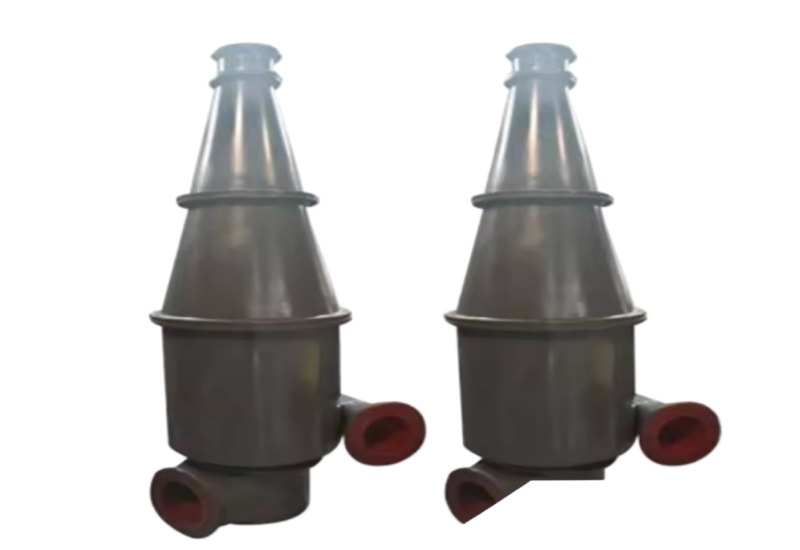
For recovering fine particles (typically 0.075 to 1 mm), high-frequency vibrating screens generally offer superior fines recovery and separation efficiency compared to hydrocyclones.
Mongolian Mining Corporation operates as a medium-sized coal washing enterprise, with an annual raw coal processing capacity of 15 million tons. Its production process combines heavy medium cyclones and flotation technology. However, the plant faced significant challenges in two key stages—final coal dehydration and coal slime classification—due to its original stainless steel screens:
Polyurethane screen panels offer superior wear resistance (8–10× better than steel), longer service life (2–4× longer), excellent anti-blinding performance for wet and sticky materials, lower noise levels (5–15 dB reduction), easier maintenance with modular systems, and stable screening accuracy. While initial cost is higher, polyurethane screens deliver lower total cost of ownership through reduced replacement frequency, minimized downtime, and improved screening efficiency in challenging mining applications.
As mining and aggregate operations demand higher efficiency and finer material classification, traditional screening solutions are no longer sufficient.
A building materials manufacturer based in Minas Gerais, Brazil, grappled with severe screen clogging caused by wet aggregates—exacerbated by the region’s annual rainfall of over 1,800 mm. Prior attempts to fix the issue with two common screen types failed miserably: