How Can You Remove Clay from Gold-Bearing Gravel? A Practical Guide to Improving Gold Recovery
-
 admin
- 24 Nov, 2026
What Is Clay Removal from Gold-Bearing Gravel?
Clay removal from gold-bearing gravel is the process of breaking down clay that coats gold particles or binds them into lumps, washing the clay away, and separating the washed material by size — so that downstream Gold Recovery Equipment can work on liberated gold rather than on clay-bound material.
It is important to be precise about what this stage is and is not. Clay removal is a preparation stage. Its job is to liberate gold, not to capture it. Recovery happens later, in gravity separation equipment. When operators conflate the two, the washing stage is often over-driven — more water, longer retention time, higher scrubbing intensity — and fine gold is discharged with the clay slurry. The correct objective is liberation with minimum gold loss, and that requires measurement, not assumption.
Working Principle
Clay removal relies on three mechanisms operating in sequence.
Soaking and dispersion. Water penetrates clay aggregates and weakens the bond between clay and gravel. This is why water spraying works at all on loose clay — the bond is weak enough that water alone can break it. For plastic clay, soaking softens the material but does not liberate it.
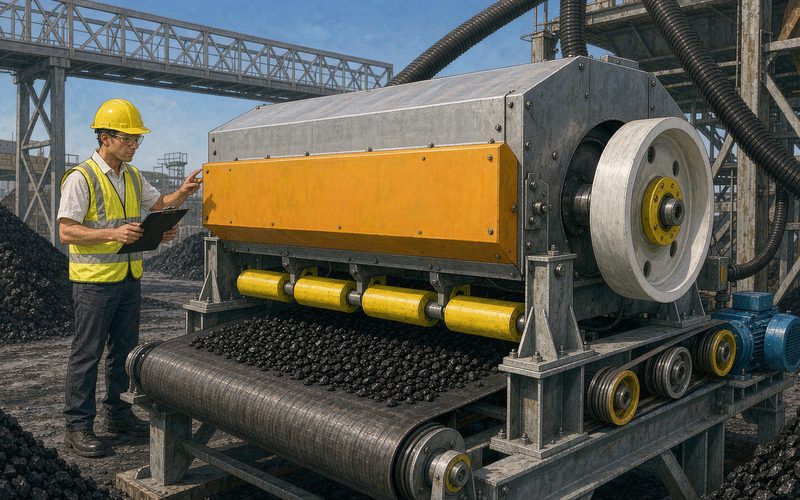
Mechanical agitation. Rotating drums, lifting plates, and paddles create collisions and friction that break clay lumps apart. A trommel scrubber tumbles the material inside a rotating drum with continuous water flow; a log washer uses rotating shafts with paddles in a water-filled trough to generate stronger friction and turbulence. The energy input per tonne is the key difference between these machines.
Size separation. Screens and classifiers separate liberated fines from coarse gravel, and direct clay slurry to settling or water-treatment systems. Without this step, liberated clay can re-agglomerate or carry fine gold into the discharge.
Each mechanism addresses a different clay condition, and this is why no single machine solves every clay problem. A plant with loose surface clay needs only the first and third mechanisms. A plant with highly plastic clay needs all three, and the second mechanism must be sized for the clay’s adhesion strength.
Why Does Clay Make Gold Recovery More Difficult?
Clay significantly affects the efficiency of gold washing and recovery operations, especially in alluvial deposits where fine gold is mixed with sticky gravel and soil.
Clay coats gold particles. Fine clay adheres to gold surfaces, making it harder for gold to separate naturally from other materials during Gravity Separation.
Sticky clay forms large lumps. When clay-rich gravel becomes wet, it forms sticky lumps that trap gold particles and prevent proper liberation.
Screening efficiency decreases. Sticky clay blocks screen apertures, reduces effective screening area, and causes material to accumulate on the screen surface. This is the most visible symptom in most plants — blinding appears first, then throughput falls.
Gold recovery rates decline. If clay-bound gold is not adequately liberated before gravity separation, valuable gold leaves the system with waste material or discharged slurry.
Effective clay removal is therefore not simply a washing operation. It is an important preparation stage for improving gold liberation and overall recovery performance.
Benefits of Effective Clay Removal
Higher gold liberation. Gold particles are released from clay lumps before gravity separation, so the recovery stage sees liberated gold rather than encapsulated material.
Stable screening efficiency. Reduced aperture blinding and less material accumulation on the screen surface keep effective screening area close to design values.
Lower fine gold loss. Controlled water flow and proper classification keep fine gold in the circuit rather than in the slurry discharge.
Reduced downtime. Less manual screen cleaning and fewer blockage-related stoppages improve plant availability.
Longer wear part life. Correctly sized and washed feed reduces unnecessary impact and abrasion on screens, liners, and chute surfaces.
Applications
Alluvial gold deposits with high clay content. These are the classic application for trommel scrubbing, because the clay is both abundant and adhesive.
Sticky gravel and weathered gold-bearing materials. Weathered material often contains clay that has bonded to gold over long periods, and requires mechanical energy to break down.
Materials containing clay-bound gold particles. Where gold is physically trapped inside clay lumps, liberation must happen before any recovery attempt.
Gold washing plants requiring continuous processing. Continuous plants need washing equipment that maintains throughput without manual intervention, which favors trommel scrubbers over batch methods.
Small-scale and compact plants. A Small Gold Wash Plant configuration often combines washing, screening, and recovery in a short circuit, which makes correct clay removal even more critical because there is less residence time to compensate for poor liberation.
Plants processing feed with significant fines. High-fines feed risks carrying gold into slurry, so classification and discharge design deserve particular attention.
Material Comparison: Polyurethane vs Rubber vs Steel Screen Media
| Criterion | Polyurethane Screen Panel | Rubber Screen Panel | Steel / Wire Mesh |
|---|---|---|---|
| Wear life in wet abrasive duty | High | High | Moderate |
| Blinding resistance | High | Moderate | Low |
| Fine aperture capability | Good | Limited | Good |
| Weight | Low | Moderate | Moderate–High |
| Noise level | Low | Low | High |
| Best application | Wet screening, fine particles, clay-rich feed | Coarse, high-impact screening | Dry, coarse sizing |
| Procurement risk | Low with verified supplier | Low | Low |
| Total cost of ownership | Favorable where blinding is the main cost driver | Favorable in high-impact coarse duty | Favorable only in dry coarse duty |
The practical conclusion for clay-rich gold gravel is that Polyurethane & Rubber Screen Panels are the usual starting point, because wet fine sticky material is precisely where blinding resistance determines whether the screen works at all. For very fine apertures, a dedicated Polyurethane Fine Screen Panel is often specified.
Application Comparison: Trommel Scrubber vs Log Washer vs Water Spray
| Method | Clay Type Handled | Scrubbing Intensity | Water Demand | Best For | Limitations |
|---|---|---|---|---|---|
| Water spraying | Loose clay, surface contamination | Low | Moderate | Simple pre-washing, low-clay feed | Insufficient for plastic clay |
| Trommel scrubber | Sticky clay, clay-bound gold | Medium–High | Moderate–High | High-clay alluvial deposits, continuous plants | Higher capital and water cost |
| Log washer | Highly adhesive, plastic clay | High | High | Difficult-to-wash materials | Aggressive on feed, higher wear |
| Screening & classification | Post-wash size separation | N/A | Low–Moderate | All plants, after washing | Does not remove clay by itself |
Industry Application Matrix
| Industry / Ore Type | Clay Challenge | Recommended Approach |
|---|---|---|
| Alluvial gold | Sticky clay trapping fine gold | Trommel scrubber + vibrating screen + sluice box |
| Weathered gold ore | Clay-bound gold particles | Log washer + classification + gravity recovery |
| Placer gold deposits | Loose to moderately sticky clay | Water spray + trommel screen |
| Gold tailings reprocessing | Fine clay and slurry | Classification + Tailing management |
| Small-scale gold washing | Variable feed, limited water | Compact wash plant with polyurethane screen media |
| Clay-rich gravel with high fines | Blinding and fine gold loss | Pre-wash + PU fine screens + controlled discharge |
Selection Guide
Clay content and type. Determine whether the feed contains loose clay, sticky clay, or highly plastic clay. Higher clay content and stronger adhesion generally require more intensive mechanical scrubbing. This single factor drives most of the equipment decision.
Feed particle size. The size distribution of the gold-bearing gravel affects equipment selection, screen aperture design, and material flow.
Processing capacity. The washing system must match required throughput. An undersized scrubber causes material accumulation and insufficient cleaning; an oversized system increases investment and operating costs.
Water availability. Water consumption, recycling possibilities, and slurry discharge arrangements should be considered during plant design.
Gold particle size. Fine gold requires particular attention during washing and classification. Excessive water flow or poorly designed discharge arrangements may increase gold losses.
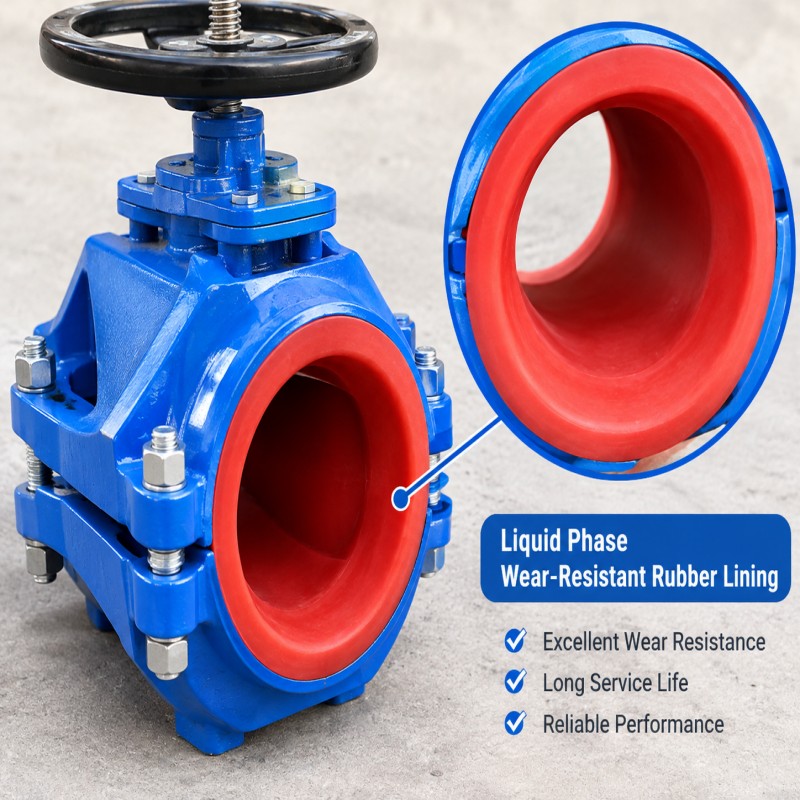
Wear resistance and maintenance. Equipment operates under continuous exposure to water, abrasive gravel, and impact. Wear-resistant components maintain stable operation and reduce maintenance frequency.
For process context, the Screening and Classification hubs describe how the washing stage connects to downstream size separation, and the Vibrating Screens category covers the equipment most commonly used after scrubbing.
Procurement Guide
Required information. Feed clay content and type, particle size distribution, target throughput (t/h), water availability, gold particle size range, and existing equipment layout.
Drawings needed. Screen panel dimensions, aperture size, attachment type, equipment model or OEM part number, and liner profiles for chutes, hoppers, and pipes.
Material selection. Polyurethane for wet fine screening and blinding resistance; rubber for high-impact and coarse duty; manganese steel for high-impact wear protection; customized compounds where abrasion and impact combine.
MOQ, lead time, packaging, shipping. Confirm minimum order quantity per panel type, production lead time, export packaging (crated or palletized), and shipping method — sea freight for bulk orders, air freight for urgent spares.
Inspection standards. Dimensional check against drawings, aperture tolerance verification, hardness and material reports, visual inspection for surface defects, and fitment trial where feasible.
Supplier evaluation checklist — ask:
• Can the supplier manufacture according to drawings?
• Can the supplier provide material reports?
• Can the supplier support OEM replacement?
• Does the supplier have export experience?
• Can the supplier provide wear-life recommendations?
A supplier that answers all five with documentation carries materially lower procurement risk than one that competes only on price.
Failure Analysis
| Problem | Possible Cause | Recommended Solution |
|---|---|---|
| Premature screen wear | Abrasive feed, wrong material grade | Upgrade to polyurethane or rubber media matched to duty |
| Screen blinding | Sticky clay, wet fines, wrong aperture | Improve pre-wash, adjust aperture, use anti-blinding PU panels |
| Pegging | Near-size particles lodging in apertures | Adjust aperture shape or screen type |
| Low screening efficiency | Overloaded screen, blocked apertures, poor wash | Reduce feed rate, improve washing, inspect screen condition |
| Excessive downtime | Frequent screen changes, poor fitment | Standardize panel sizes, verify attachment type |
| Poor fitment | Incorrect dimensions or attachment | Supply drawings or OEM part number for custom manufacture |
| Material mismatch | PU used in high-impact coarse duty | Switch to rubber or steel where impact dominates |
| Installation failure | Incorrect tension or fixing | Follow installation guidance and inspect after first shift |
| Fine gold loss to slurry | Excessive wash water, poor discharge design | Rebalance water flow, review discharge points, test tailings |
Maintenance Guide
Daily inspection. Check for blinded or damaged screen panels, inspect spray nozzles, and confirm slurry discharge is clear.
Weekly inspection. Examine wear patterns on screen media and liners, check panel fixings, and review tailings for visible fine gold loss.
Monthly inspection. Measure wear thickness on liners, review screen panel replacement history, and check water recycling and settling performance.
Wear pattern monitoring. Record wear location and rate. Concentrated wear usually indicates feed distribution problems rather than material quality alone.
Replacement timing. Replace panels when aperture distortion or wear-through approaches functional limits — not only after failure, because a failed panel usually means unplanned downtime.
Spare parts inventory. Keep minimum stock of the highest-wear panel sizes and liner sections to avoid extended stoppages.
Downtime reduction. Schedule screen inspection during planned stops, standardize panel sizes across the plant, and keep drawings on file for fast reordering.
Preventive maintenance. Track wear rates over time and adjust replacement intervals based on measured data rather than fixed calendars.
Case Study
Customer Type: Alluvial gold washing plant operator
Ore Type: Gold-bearing gravel with high sticky clay content
Operating Conditions: Wet feed, continuous operation, high fines content, screen blinding reported as the main downtime cause
Problem: Clay blinded the vibrating screen, effective screening area dropped, and fine gold was suspected to be leaving with the clay slurry
Solution: Added a trommel scrubber ahead of screening, adjusted wash water flow, and replaced wire mesh with polyurethane screen panels selected for wet fine duty
Result: Screening efficiency recovered, manual screen cleaning frequency dropped substantially, and tailings testing confirmed reduced fine gold loss. Screening throughput stability improved in the range of 20–30%, consistent with improved liberation rather than any change in ore grade.
FAQ
Question: How much does a clay removal system cost?
Answer: Cost depends on throughput, clay type, and equipment scope. A basic water-spray and trommel screen setup is the lowest-cost entry point. Adding a trommel scrubber or log washer raises capital cost but is often necessary for sticky clay. Request a configuration based on your own feed test rather than a standalone equipment price.
Question: Which screen material is best for clay-rich gold gravel?
Answer: Polyurethane is usually best for wet, fine, sticky duty because it resists both blinding and abrasion. Rubber suits coarser, high-impact screening. Steel mesh is cost-effective for dry coarse sizing but blinds quickly in sticky wet feed, which makes it a poor default choice for clay-rich material.
Question: How are polyurethane screen panels installed?
Answer: Installation depends on the attachment system — pin and sleeve, bolt-through, or tensioned. Panels must sit flat, fixings must be correctly torqued, and the screen should be inspected after the first shift to confirm proper seating. Poor seating is a common cause of early panel failure.
Question: What service life can I expect from screen panels?
Answer: Service life varies with abrasiveness, aperture size, feed rate, and washing quality. Polyurethane panels in wet fine duty typically outlast wire mesh several times over, but the only reliable figure comes from your own wear records. Use supplier data as a starting point, then replace it with measured plant data.
Question: How do I maintain a trommel scrubber?
Answer: Daily checks cover spray nozzles and discharge. Weekly checks cover drum internals, lifting plates, and drive components. Monthly checks cover wear liners and water system performance. Keep replacement liners and high-wear panels in stock to avoid extended downtime.
Question: Can suppliers provide OEM-compatible replacement parts?
Answer: Yes, provided you supply drawings, dimensions, photographs, or equipment model numbers. Confirm material reports and dimensional inspection before ordering — especially for screen panels, where aperture tolerance directly affects recovery performance.
Question: How do I procure wear parts without stopping production?
Answer: Standardize panel sizes, keep drawings on file, maintain minimum spare stock of high-wear items, and qualify a supplier who can manufacture to drawings with documented material reports. Dual-sourcing critical panels reduces the risk of a single supplier delaying a replacement.
Question: How can I reduce clay removal operating cost?
Answer: Match scrubbing intensity to actual clay type, avoid over-washing, use wear-resistant screen media to extend replacement intervals, and consider water recycling to cut both water and slurry handling costs. Over-washing is a common hidden cost because it increases both water consumption and fine gold loss.
Question: How do I choose a reliable wear parts supplier?
Answer: Evaluate drawing-based manufacturing capability, material reporting, OEM replacement support, export experience, and willingness to give wear-life recommendations. Price alone is a poor selection criterion in abrasive duty, where a cheaper panel that blinds or wears early costs more in downtime than it saves in purchase price.
Conclusion
Removing clay from gold-bearing gravel is an essential step in many alluvial gold mining operations. Water spraying, mechanical scrubbing, log washing, and screening all contribute to effective clay removal. The best solution depends on raw material characteristics, clay adhesion, processing capacity, water availability, and target gold recovery rate.
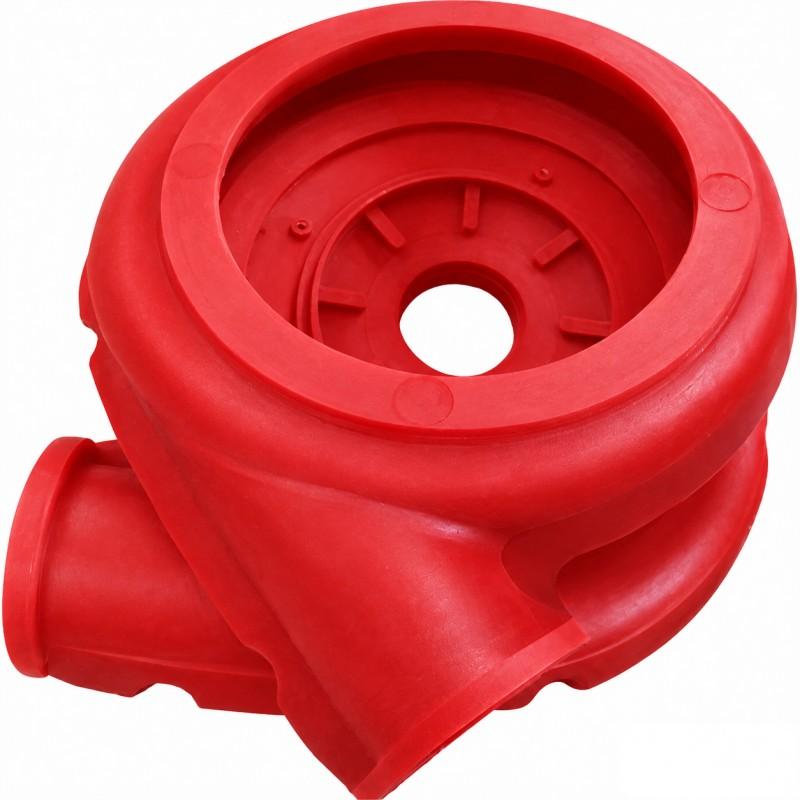
Selecting suitable washing equipment is only part of the solution. Durable screen media, rubber liners, and other wear-resistant components play an equally important role in maintaining long-term operating efficiency. For operators reviewing the complete circuit, the Gold Process Equipment range and a Sluice Box recovery stage are the natural next steps after washing and classification, and the Screening hub provides the process framework for connecting the stages.
Tags:
 admin
personal profile