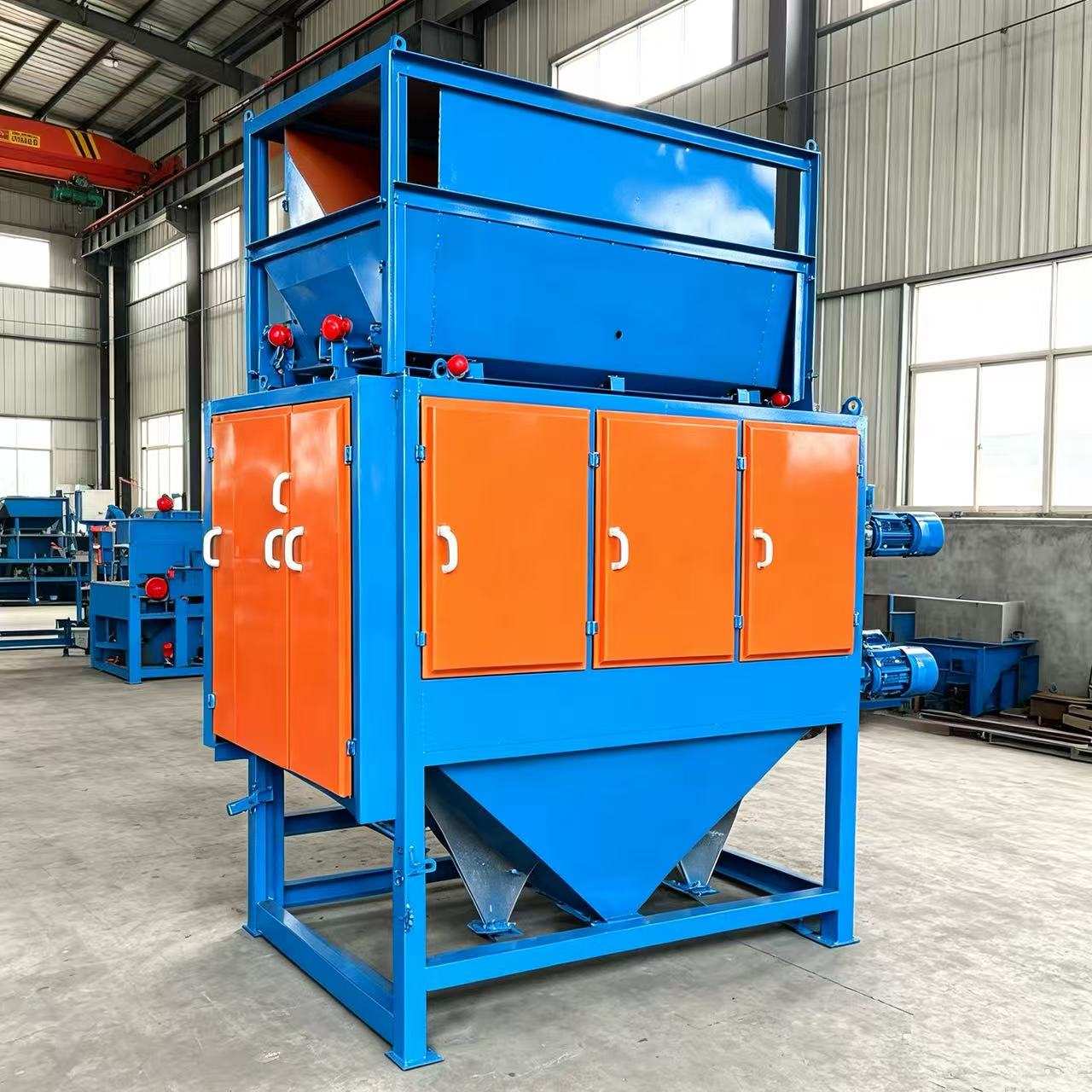
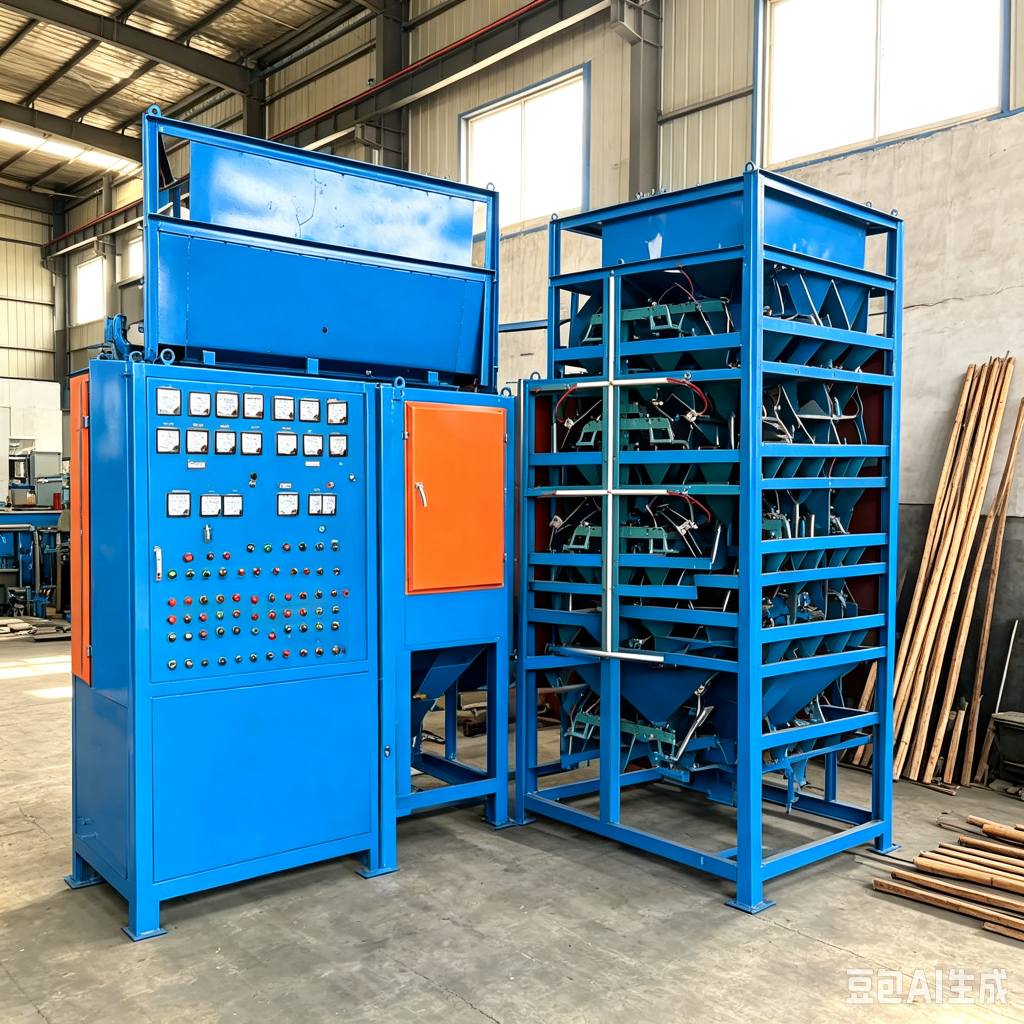
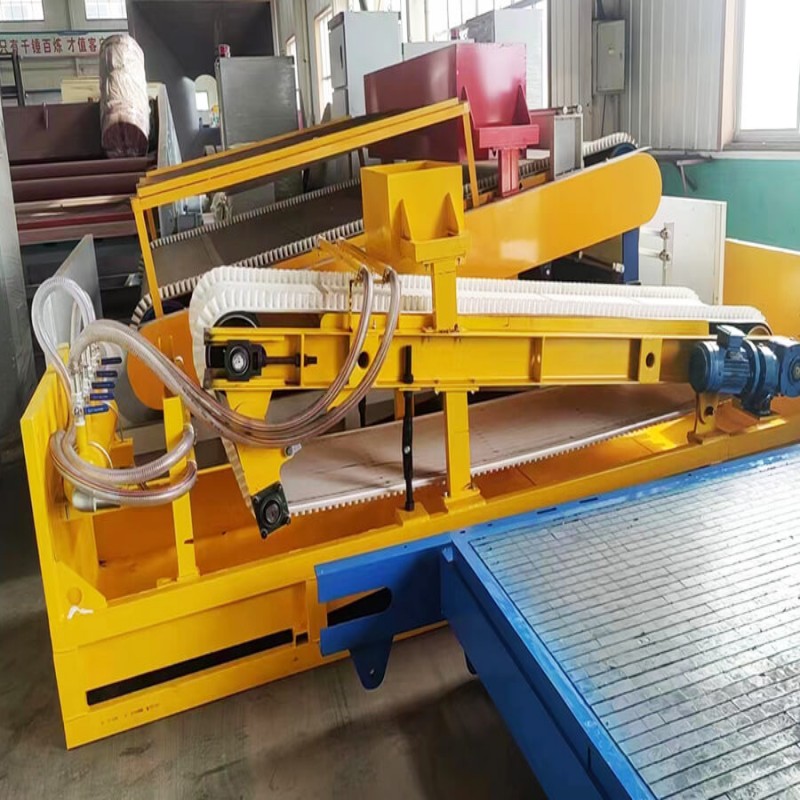
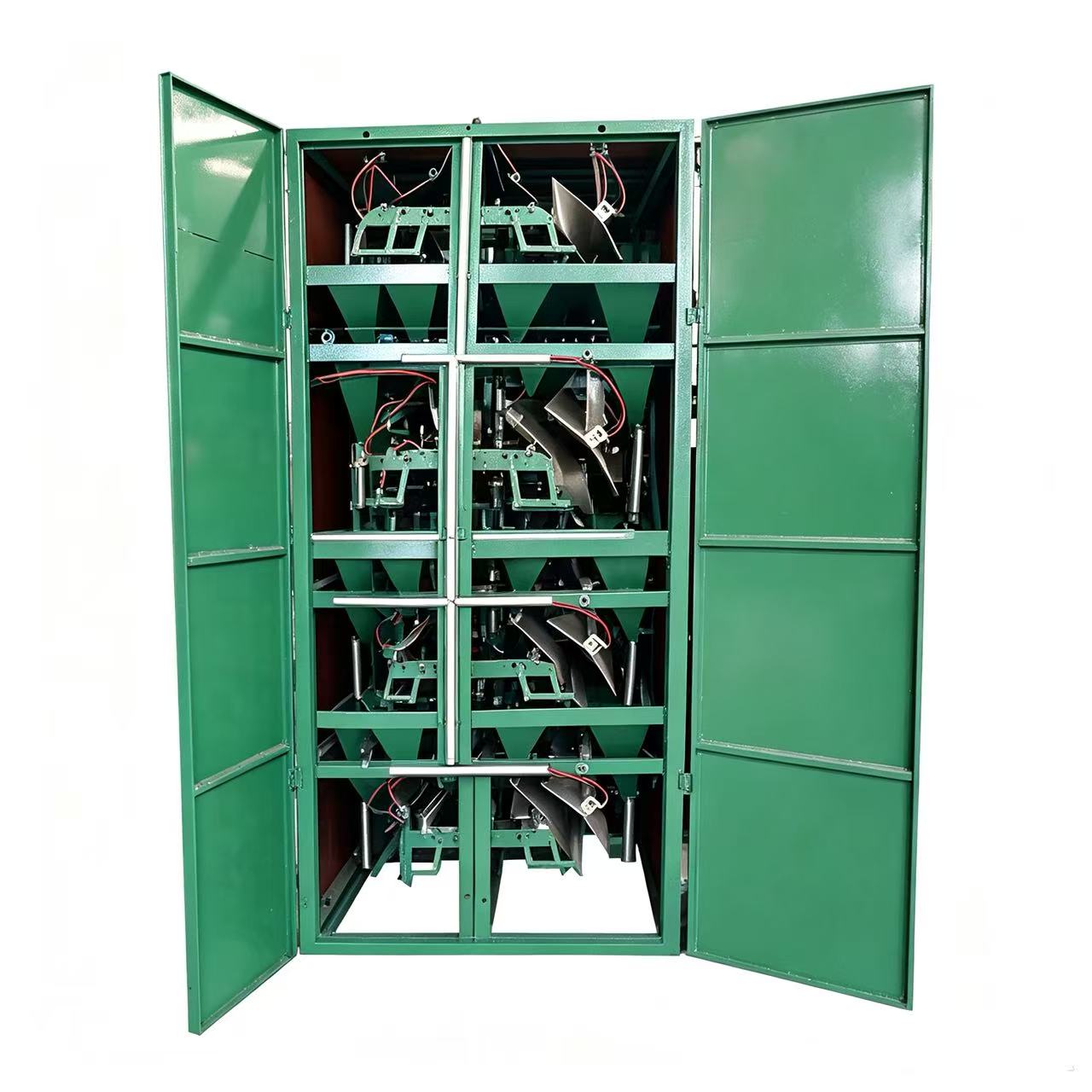
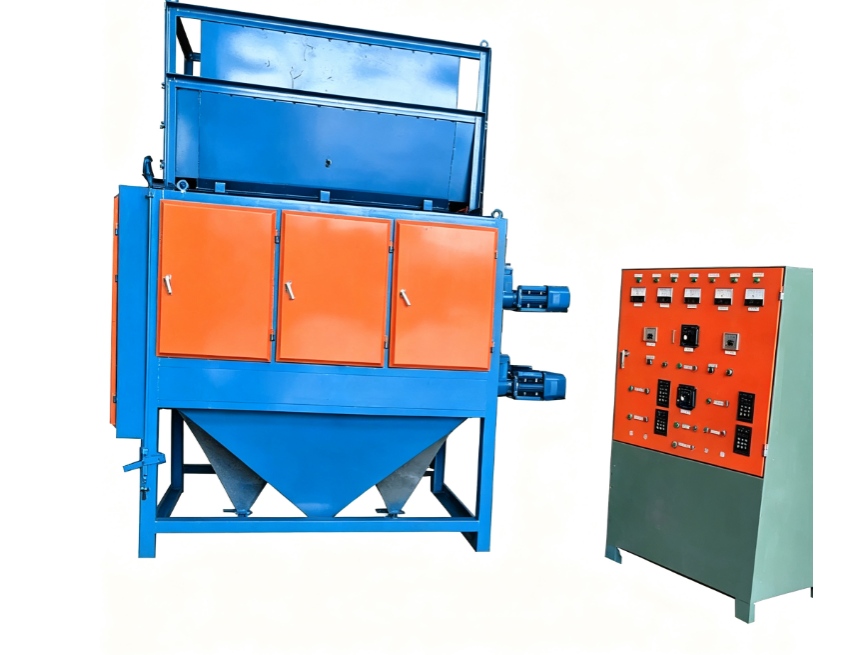
Electrostatic Separators
- 01 Dry separation technology with zero water consumption.
- 02 High purity recovery for plastics, metals and minerals.
- 03 Advanced high-voltage electric field control system.
- 04 Suitable for recycling and mineral processing industries.
- 05 Customized solutions for different material properties.
-
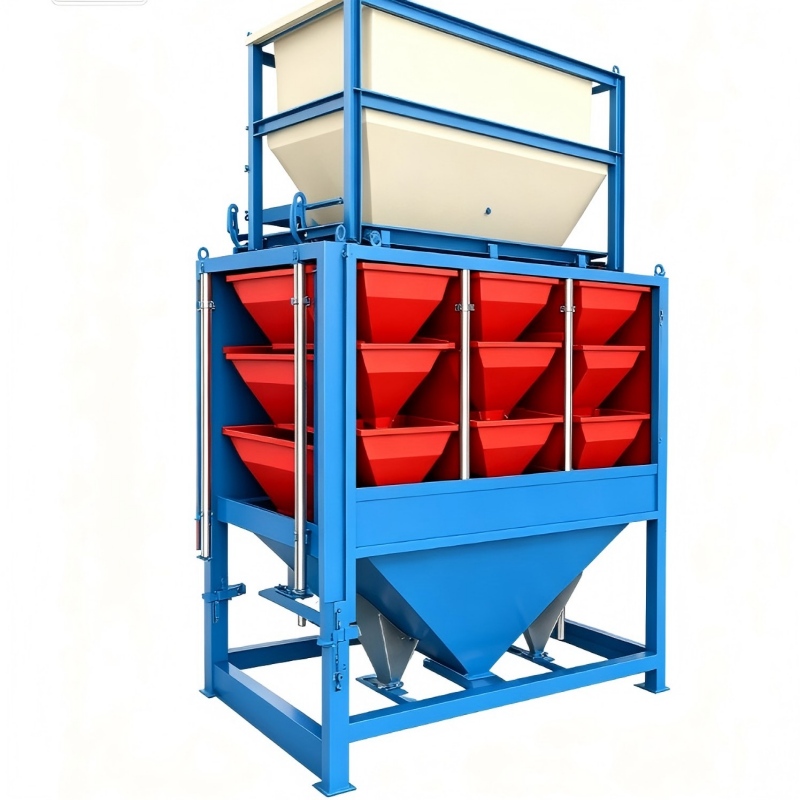
Electrostatic Separator for Plastic Recycling and Mineral Separation
Professional Electrostatic Separation Equipment for Dry Material Processing
Electrostatic Separator is an advanced dry separation technology widely used in recycling, mining, mineral processing and industrial material purification. By utilizing the difference in electrical conductivity, dielectric properties and surface charging characteristics between different materials, the equipment separates valuable materials efficiently without water or chemical additives.
Compared with traditional wet separation methods, electrostatic separation provides an environmentally friendly and cost-effective solution with lower operating costs, reduced water consumption and easier material recovery.
Our industrial electrostatic separator systems are designed for high-efficiency separation of mixed plastics, electronic waste (E-waste), copper and plastic mixtures, aluminum-plastic materials, mineral sands, quartz, feldspar, fly ash and other fine dry materials.
With advanced high-voltage electric field technology, adjustable electrode systems and optimized feeding design, the separator can achieve high purity separation performance for various industrial applications.

Working Principle of Electrostatic Separator
Electrostatic separation is based on the different electrical characteristics of materials. During operation, materials are charged through corona charging or triboelectric charging before entering a high-voltage electrostatic field.
When different particles pass through the electric field, they experience different electrical forces according to their conductivity and charge properties. Conductive materials and non-conductive materials move in different trajectories and are collected separately.
The main separation methods include:
Corona Electrostatic Separation
Corona Electrostatic Separator uses high-voltage corona discharge technology to charge particles selectively. Conductive materials lose their charge quickly and move differently from non-conductive materials.
It is widely applied in:
- Metal and plastic separation
- PCB recycling
- Copper recovery from electronic waste
- Mineral beneficiation
Triboelectric Separation
Triboelectric Separator uses friction charging technology. When different materials contact and separate from each other, they obtain different electrical charges due to different electron affinities.
This technology is especially suitable for:
- Mixed plastic separation
- ABS/PS/PP plastic sorting
- Plastic recycling plants
- Waste electrical equipment recycling
Roll / Drum Electrostatic Separation
Roll Electrostatic Separator uses rotating drums and high-voltage fields to separate fine mineral particles according to conductivity differences.
Typical applications include:
- Heavy mineral sands processing
- Titanium ore separation
- Zircon and rutile upgrading
- Quartz and feldspar purification
Wide Applications of Electrostatic Separation Technology
1. Plastic Recycling and Waste Plastic Separation
Electrostatic plastic separator is one of the most effective technologies for separating mixed plastics with similar densities but different electrical properties.
In plastic recycling industries, traditional density separation methods often struggle with materials having close specific gravity. Electrostatic separation provides a dry solution for separating:
- ABS and PS plastics
- PP and PE materials
- Engineering plastics
- Mixed plastic flakes from waste products
Advantages:
- No water consumption
- High purity plastic recovery
- Reduced wastewater treatment cost
- Suitable for continuous industrial operation
2. E-waste Recycling and PCB Recycling
With the rapid growth of electronic waste, efficient metal recovery technology has become increasingly important.
Electrostatic separation equipment is widely used in E-waste processing lines for recovering valuable metals from:
- Waste printed circuit boards (PCB)
- Electronic components
- Cable recycling materials
- Copper-plastic mixtures
The separator can effectively separate:
- Copper particles
- Aluminum particles
- Plastic materials
- Non-metallic residues
It improves resource utilization and supports environmentally sustainable recycling.
3. Copper Plastic Separator for Wire Recycling
Copper plastic separation is a key process in cable recycling.
After crushing and granulating waste cables, the mixture usually contains copper particles and plastic insulation materials. Electrostatic separators use conductivity differences between copper and plastic to achieve efficient separation.
Applications include:
- Scrap wire recycling
- Cable granulator production lines
- Copper recovery plants
- Waste electrical equipment recycling
Benefits:
- High copper recovery rate
- Clean separation
- Dry processing
- Low maintenance requirements

4. Mineral Processing and Mining Applications
Electrostatic separation technology is increasingly used in mineral processing, especially in areas where water resources are limited.
Dry electrostatic separation provides an alternative solution for mineral beneficiation, including:
- Heavy mineral sands
- Titanium minerals
- Zircon
- Rutile
- Quartz sand
- Feldspar
- Fly ash processing
For mining companies located in arid regions, dry separation technology reduces water dependency and lowers environmental impact.
Advantages of Industrial Electrostatic Separator
High Efficiency Dry Separation
The equipment operates without water, reducing environmental impact and eliminating wastewater treatment requirements.
High Purity Material Recovery
Advanced electric field control technology improves separation accuracy and enables high purity recovery of valuable materials.
Adjustable High Voltage Field
The voltage intensity, electrode position and feeding speed can be adjusted according to different materials.
Energy Saving Operation
Compared with traditional wet processing systems, electrostatic separators require less auxiliary equipment and lower operating costs.
Flexible Industrial Application
Suitable for laboratory testing, pilot production and large-scale industrial recycling plants.
Technical Features
- Advanced high-voltage electrostatic field system
- Adjustable corona electrode structure
- Stable material feeding system
- Precision separation control
- Continuous automatic operation
- Compact equipment design
- Low maintenance requirement
- Environmentally friendly dry processing
Typical Technical Specifications
| Parameter | Specification |
|---|---|
| Equipment Type | Electrostatic Separator |
| Separation Method | Corona / Triboelectric Electrostatic Separation |
| Processing Method | Dry Separation |
| Application Materials | Plastics, Minerals, E-waste, Metals |
| Feeding Size | 0.1-5 mm (Customized according to material) |
| Separation Accuracy | Up to 99% purity depending on material |
| Voltage Type | High Voltage Electrostatic Field |
| Operation Mode | Continuous Automatic Operation |
| Material Handling | Powder, Granule, Flakes |
| Application Industries | Recycling, Mining, Mineral Processing |
Technical parameters can be customized according to different materials and capacity requirements.
Why Choose Our Electrostatic Separator?
With professional experience in industrial separation equipment manufacturing, we provide customized electrostatic separation solutions according to customer’s raw materials, capacity requirements and final product quality targets.
Before quotation, customers are recommended to provide:
- Material composition
- Particle size distribution
- Moisture content
- Required processing capacity
- Target recovery purity
Our engineering team can provide:
- Material testing
- Process design
- Equipment selection
- Complete separation solutions
RFQ Information Required
To recommend the most suitable Electrostatic Separator, please send:
- What material do you need to separate?
- What is the material composition?
- Feeding particle size?
- Required processing capacity (kg/h or t/h)?
- Required separation purity?
- Do you need a complete recycling line or single machine?
Contact us for a customized electrostatic separation solution.
Product Summary
Electrostatic Separator is a high-performance dry separation machine designed for plastic recycling, E-waste processing, metal recovery and mineral beneficiation. By utilizing high-voltage electric field technology, it provides an efficient, eco-friendly and cost-effective solution for separating conductive and non-conductive materials without water.
Products
Electrostatic Separators
Recent news
See Latest Service